

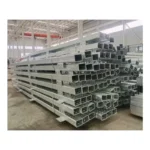

Description
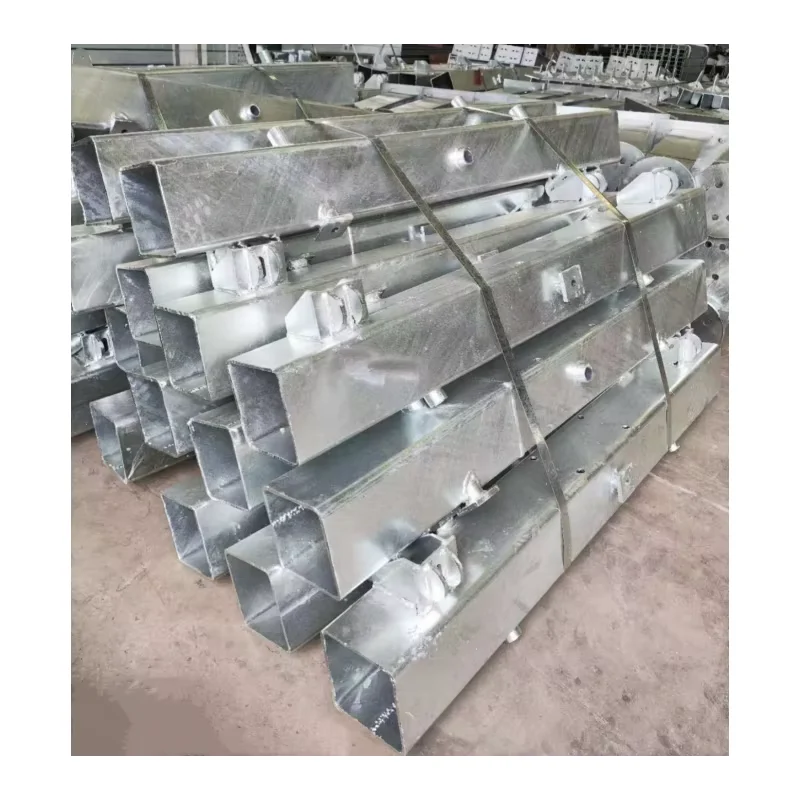
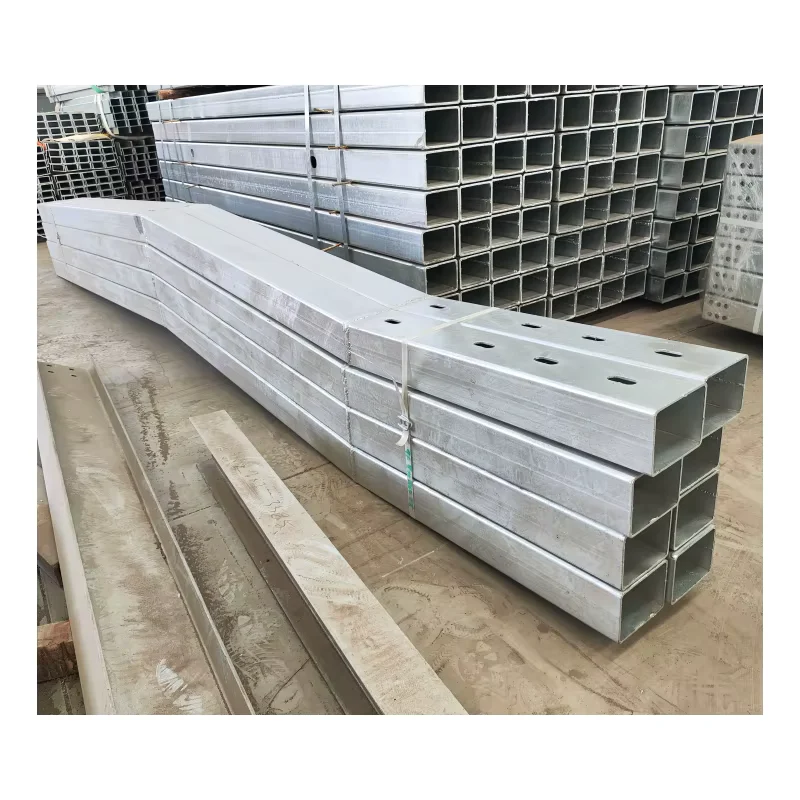
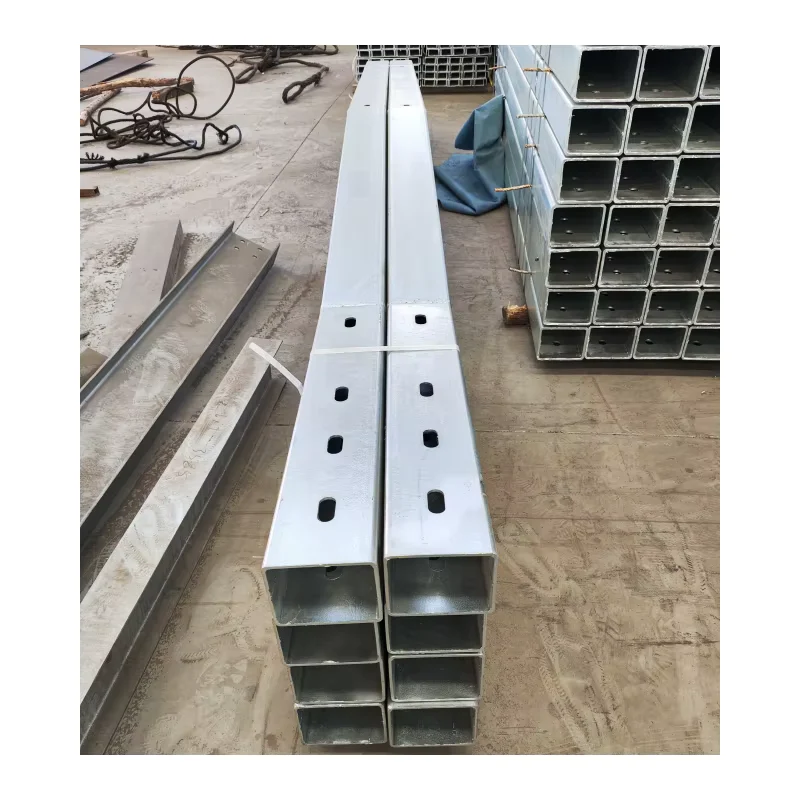
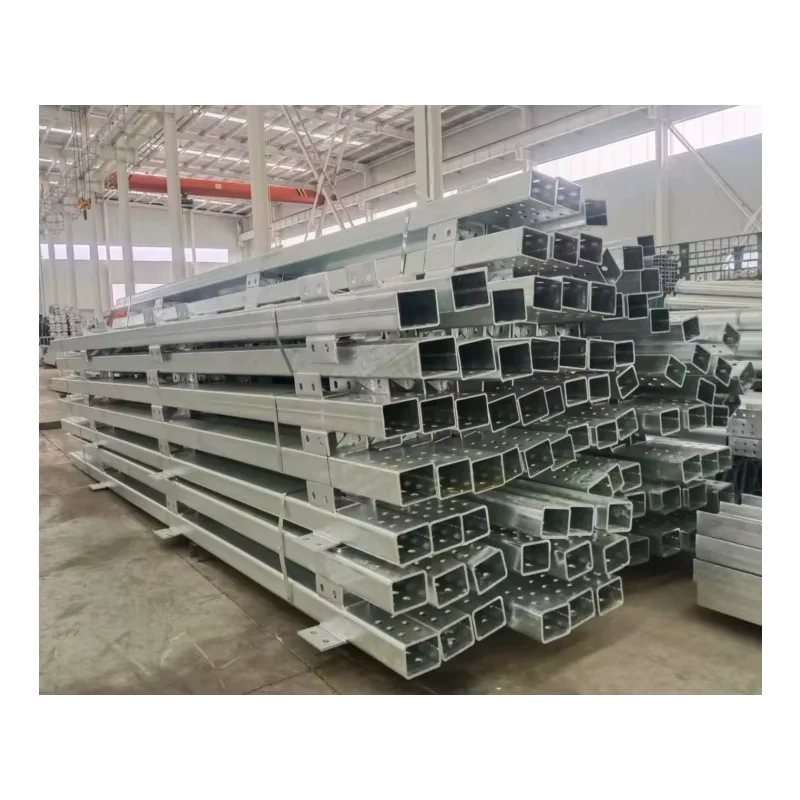
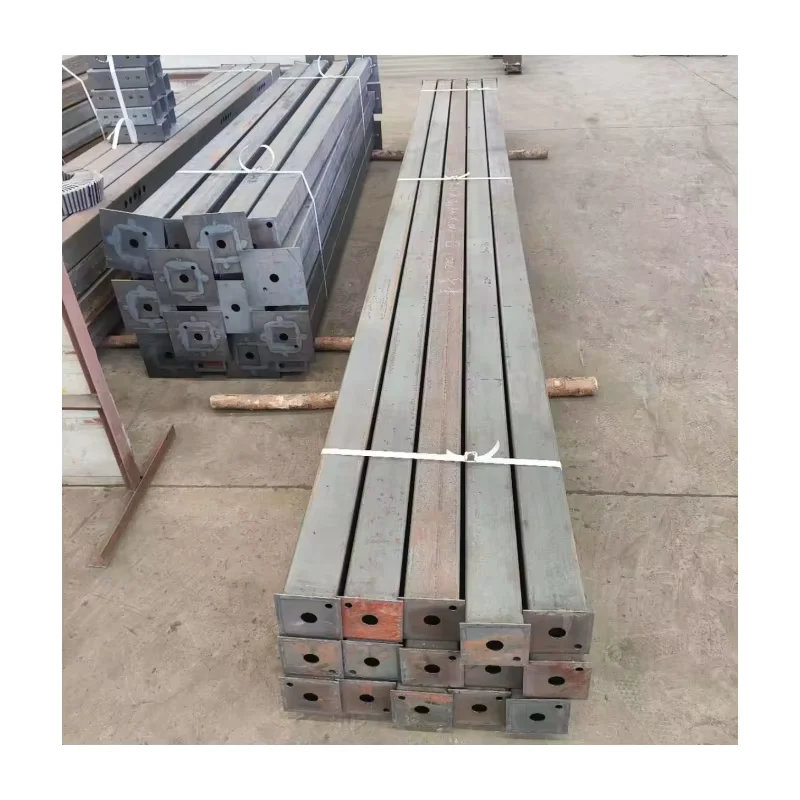
Factory-Direct Custom Fabrication — Every batch processed in-house from raw carbon steel plate to finished welded assembly, eliminating middleman markups on complex structural orders.
Technical Specifications
| Parameter | Value |
|---|---|
| Designation | Custom Steel Fabrication Part |
| Product Type | Fabricated Steel Structure |
| Steel Grade | Carbon steel |
| Standard | GB / AISI / ASTM / BS / DIN / JIS |
| Processing | Cutting, Laser Profiling, Bending, Punching Hole, Welding, Slotting, Stamping |
| Surface Treatment | Galvanizing / Powder Coating / Painting |
| Tolerance | +/-5% |
| Drawing Format | CAD / DWG / STEP / PDF |
| Material | Carbon steel sheet / profile / pipe |
| Specification | According to drawing |
| Delivery Time | 15 days (depends on order quantity) |
| Application | Steel structure fabrication / Construction projects / Industrial equipment / Custom structural components |
| MOQ | 1 PCS |
| Origin | Shandong, China |
Application Suitability
| Industry | Typical Applications |
|---|---|
| Construction & Infrastructure | Building frames, bridge connection plates, scaffolding brackets, embedded anchor assemblies |
| Industrial Equipment | Conveyor support structures, machine base frames, hopper and chute liners, equipment platforms |
| EPC & Steel Structure Projects | Column base plates, gusset plates, truss nodes, custom beam-to-column connectors |
| OEM Manufacturing | Machined steel brackets, welded sub-assemblies, stamped mounting plates for machinery |
What Drawing Tolerance Really Costs on a Structural Assembly Order
A +/-5% tolerance on a fabricated connection plate can shift bolt-hole alignment enough to reject an entire column on site.
When procurement teams source carbon steel fabrication from workshops that outsource laser profiling or bending to third parties, dimensional drift compounds across each handoff. A base plate drilled off by 3 mm means field crews either ream holes on a dusty job site or wait two weeks for a replacement shipped from China. I have seen EPC project timelines slip because a batch of gusset plates arrived with weld distortion that pushed the flatness tolerance beyond what the structural engineer would sign off on [NEED_CITE: dimensional tolerance requirements for fabricated structural steel per EN 1090-2].
Matching Fabrication Precision to Structural Connection Requirements
Custom steel fabrication services supplier capability matters most at connection points — where a column base plate meets an anchor bolt pattern, or where a gusset transfers load from a truss chord into a web member. Carbon steel plate and profile processed through in-house laser profiling and CNC punching holds hole-position accuracy that field-fit grinding cannot fix after the fact. When drawings arrive in CAD or DWG format, the fabrication team programs nesting directly from the file, reducing transcription errors that cause scrap on tight-tolerance structural nodes.
Engineering Compliance and Surface Protection for Fabricated Assemblies
Fabricated carbon steel structures serving outdoor infrastructure or industrial plants face corrosion exposure that dictates surface treatment selection before welding sequence is finalized. Hot-dip galvanizing after fabrication protects weld zones but requires venting and drainage holes designed into the drawing; powder coating before assembly suits indoor equipment frames where weld spatter would ruin the finish. For projects entering the EU market, fabricated structural components must comply with EN 1090 execution classes, and the fabricator’s welding procedure qualifications need to match the steel grade specified [NEED_CITE: EN 1090 structural steel fabrication execution class requirements]. ASTM-specified carbon steel grades follow a different certification path for North American projects, and mixing the two documentation sets on a single shipment triggers customs holds.
Carbon Steel Grade Selection and Fabrication Process Logic
Carbon steel fabrication starts with grade selection that balances weldability, formability, and structural demand. Lower carbon equivalents in mild steel grades allow tighter bending radii without cracking, while higher-strength carbon steels reduce section weight on long-span beams but demand preheat on thicker weld joints. Laser profiling cuts clean edges that need no secondary grinding before welding, and stamping produces high-volume bracket parts at unit costs that plasma cutting cannot match. Surface treatment choice — galvanizing, powder coating, or painting — depends on the service environment: galvanizing suits buried or splash-zone components, powder coating fits architectural or indoor industrial applications, and painting remains the fallback for field-welded assemblies where touch-up is expected.
Hidden Costs of Sourcing Fabricated Steel from Unverified Workshops
Ordering custom steel fabrication services supplier quotes based on unit weight alone ignores the failure modes that surface only at installation. Material without heat-number traceability cannot be verified against the mill test certificate, meaning the structural engineer may reject the entire batch rather than risk liability. Missing CE marking or incomplete ISO documentation on fabricated structural components causes port customs to hold the container — demurrage fees on a 40-foot heavy-load container accumulate fast [NEED_CITE: customs documentation requirements for fabricated steel structures in international trade]. Welding done by operators without qualified procedures produces joints that pass visual inspection but fail ultrasonic testing, forcing costly tear-down and re-weld after the assembly has already been painted or galvanized.
Why Xin Jiyuan Handles Fabricated Steel Orders Differently
Three production lines running simultaneously mean laser profiling, bending, and welding stations process a single order in parallel rather than queuing behind other clients’ work. Every carbon steel plate or profile entering the fabrication shop carries an original mill test certificate tied to a heat number — that traceability follows the part through cutting, welding, and surface treatment to the final shipping document. For orders requiring hot-dip galvanizing, third-party coating thickness measurement happens before the parts leave the factory, not after they arrive on a Nigerian bridge site and get rejected by the supervising engineer. The export team consolidates fabricated assemblies with purchased section steel and plate into a single container, optimizing weight distribution and reducing the number of bills of lading a project buyer must track.
Documentation & Compliance
- Mill test certificate documenting carbon steel chemical composition and mechanical properties per the specified GB / ASTM / EN standard, tied to heat number
- CE certificate for fabricated structural components manufactured under EN 1090 execution class requirements
- ISO 9001:2015 quality management certificate covering the full fabrication process from material receipt to final inspection
- SGS or BV third-party inspection report available for dimensional verification, weld quality, and surface coating thickness
- Material traceability sheet linking each fabricated part to its original mill test certificate and heat number
- Full customs document package including packing list, bill of lading, and certificate of origin formatted for the destination port
Packaging, Loading & Delivery
- Fabricated carbon steel assemblies bundled with steel strips and edge protectors to prevent coating damage during ocean transit
- Galvanized or powder-coated parts wrapped in waterproof film with separated layers to avoid surface scratching
- Container loading plan optimized by the export team to fit irregular-shaped fabricated parts alongside standard section steel, maximizing weight per container
- Custom-length parts cut to drawing-specified dimensions, with cut ends deburred and marked with heat number and steel grade
- Shipping marks stenciled on each bundle showing heat number, steel grade, drawing reference, and piece count for site identification
- FOB, CIF, and DDP terms available with professional documentation handling for customs clearance at the destination port
Getting a Fabrication Quote That Reflects Real Production Cost
Submit your drawing file in CAD, DWG, STEP, or PDF format along with steel grade, surface treatment preference, quantity, and destination port — the engineering team reviews the file and returns a detailed quote within 12 hours, including mill test certificate availability and third-party inspection options.
Start Your Custom Fabrication Order
Send your drawings and specifications to receive a factory-direct quote with full material certification. Contact via email at admin@sdxinjiyuan.com or WhatsApp at +86 188 5315 7756.
Frequently Asked Questions
Q: What drawing formats do you accept for custom steel fabrication?
A: We accept CAD, DWG, STEP, and PDF files. Our engineering team programs laser profiling and CNC punching directly from the digital file to minimize transcription errors on tight-tolerance parts.
Q: Can you provide mill test certificates for the carbon steel used in fabrication?
A: Yes. Every batch of carbon steel plate, profile, or pipe used in fabrication comes with an original mill test certificate documenting chemical composition and mechanical properties, traceable by heat number.
Q: What surface treatment options are available for fabricated steel parts?
A: We offer hot-dip galvanizing, powder coating, and painting. The choice depends on the service environment — galvanizing for outdoor or corrosive exposure, powder coating for indoor or architectural applications, and painting for field-welded assemblies.
Q: What is the minimum order quantity for custom fabrication?
A: The MOQ is 1 piece. We support trial orders for prototype verification as well as full-container bulk production runs.
Q: How long does production take for a custom fabrication order?
A: Typical production lead time is 15 days depending on order quantity and complexity. Third-party inspection by SGS or BV can be arranged during production if required.