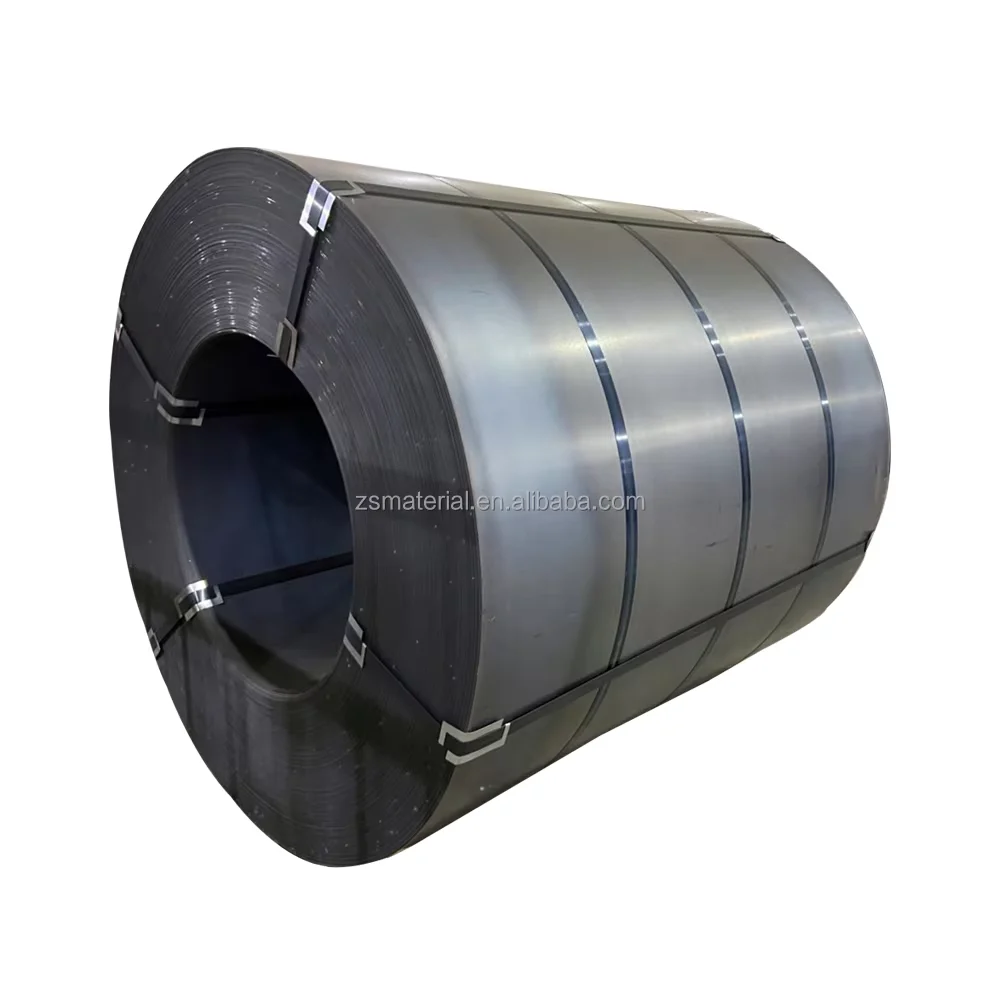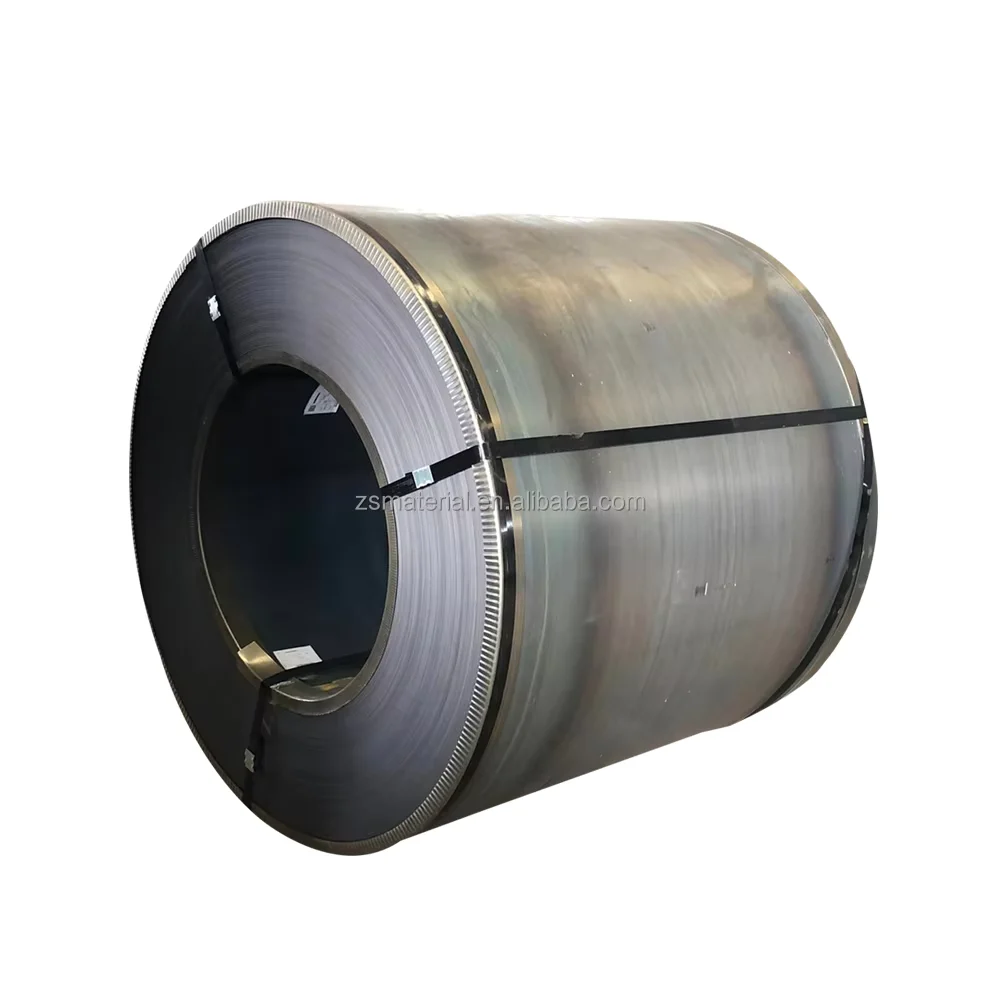
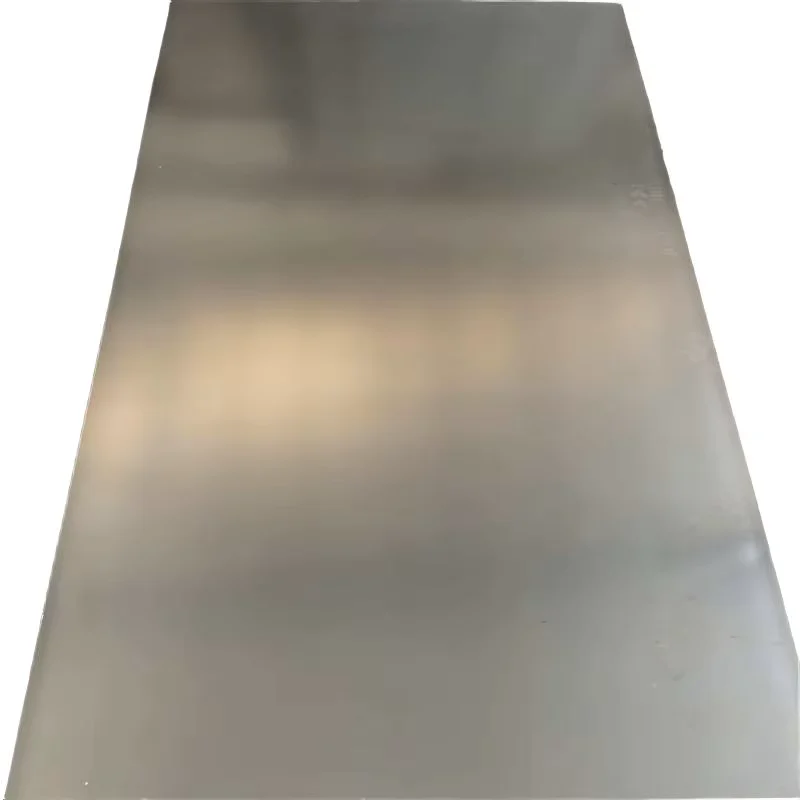
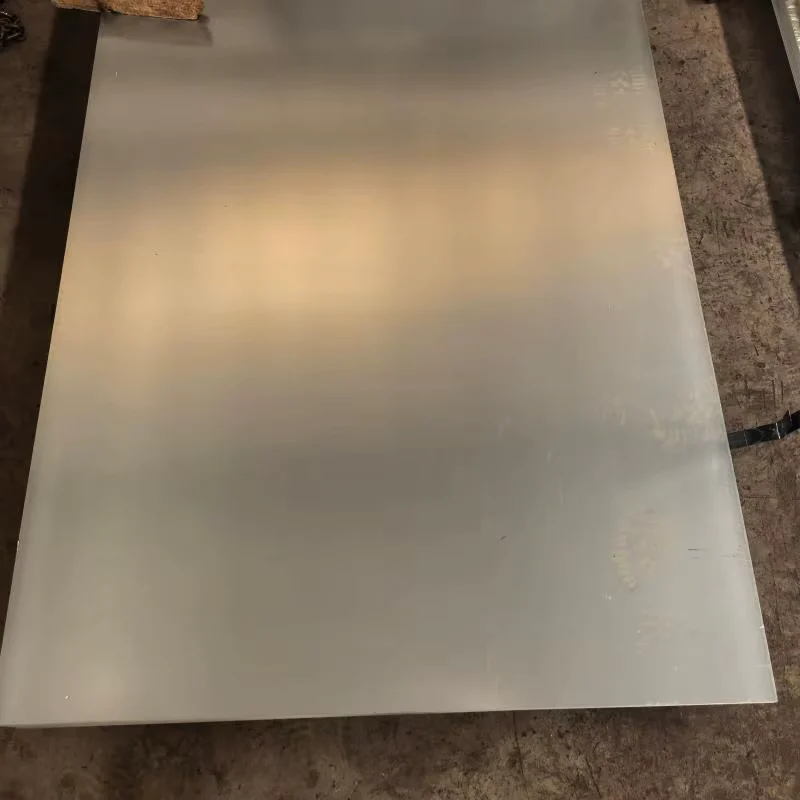


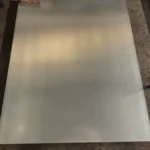


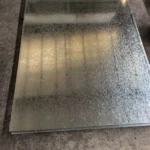
Description
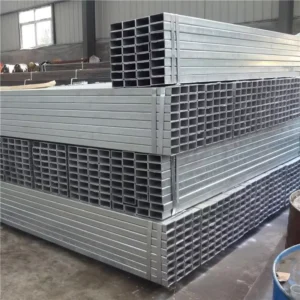
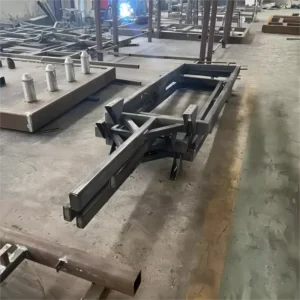
Factory-direct custom fabrication — every batch shipped with original mill test certificates and third-party inspection available before container sealing.
Technical Specifications
| Parameter | Value |
|---|---|
| Designation | Custom Structural Steel Fabrication Parts |
| Product Type | Fabricated Steel Structure / Machined Steel Product |
| Steel Grade | Carbon Steel, Stainless Steel, Aluminum, Copper, Alloy Steel |
| Thickness | 3 mm–10 mm / customized |
| Technique | Laser cutting, CNC punching & bending, Stamping, Welding |
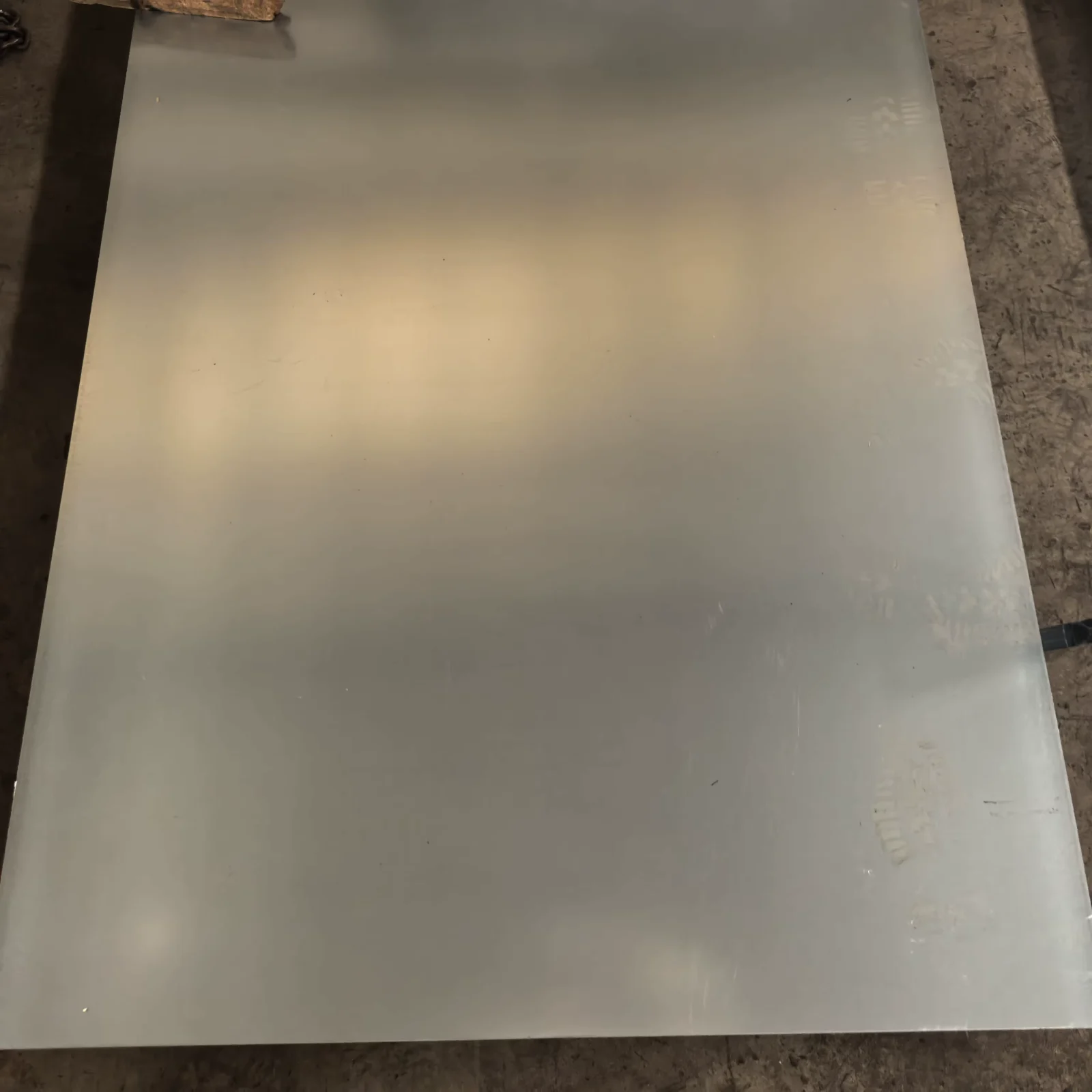
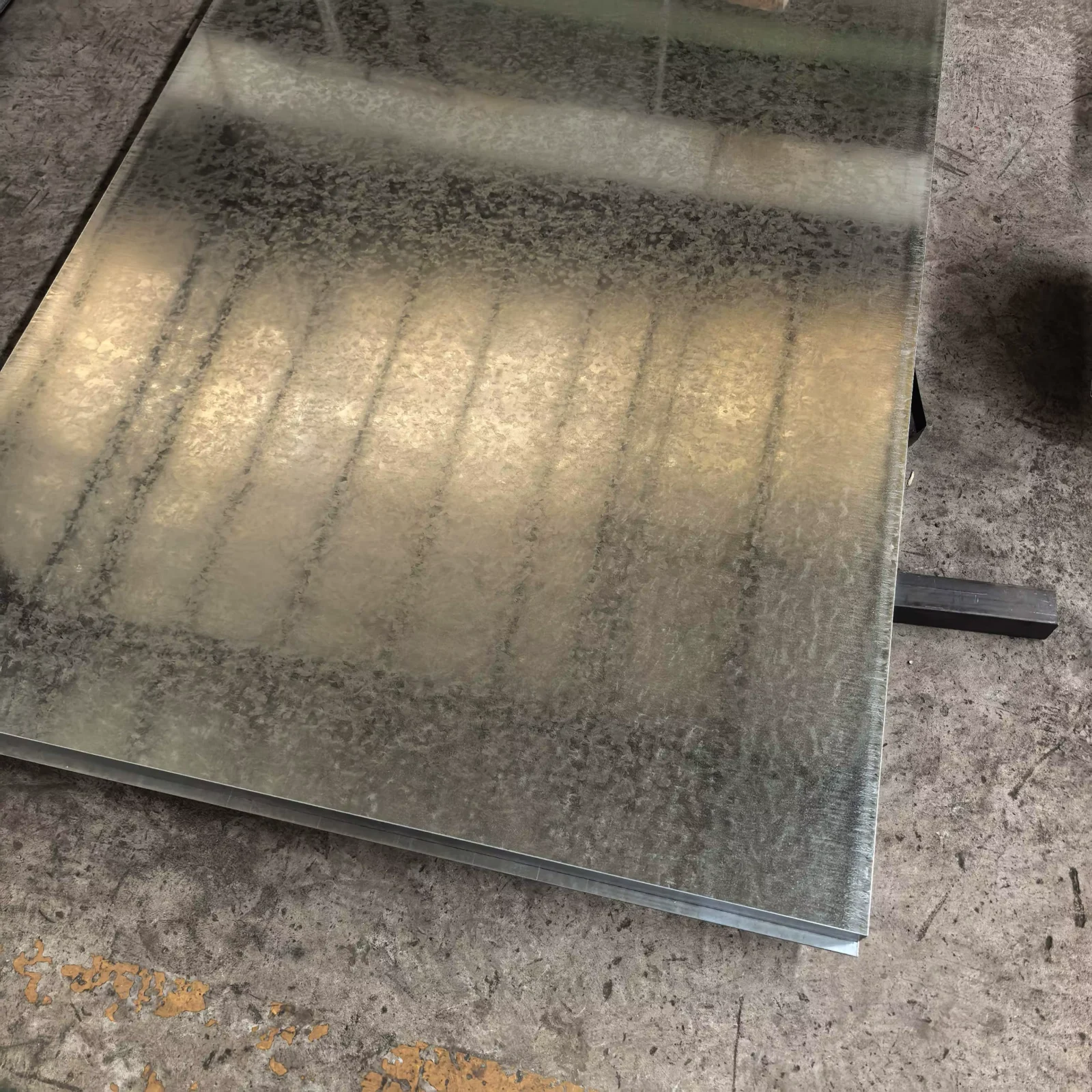
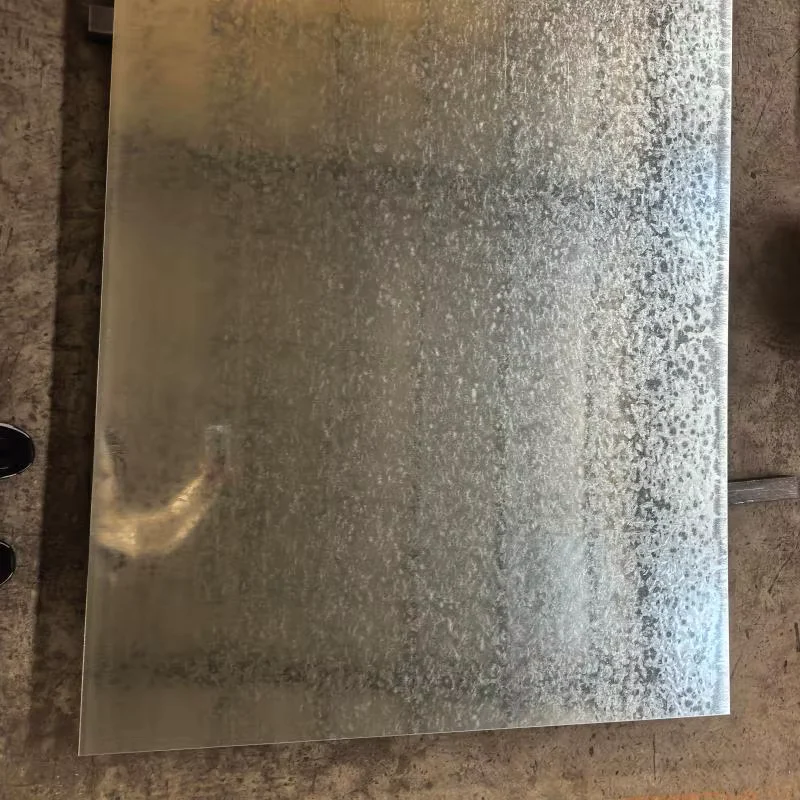
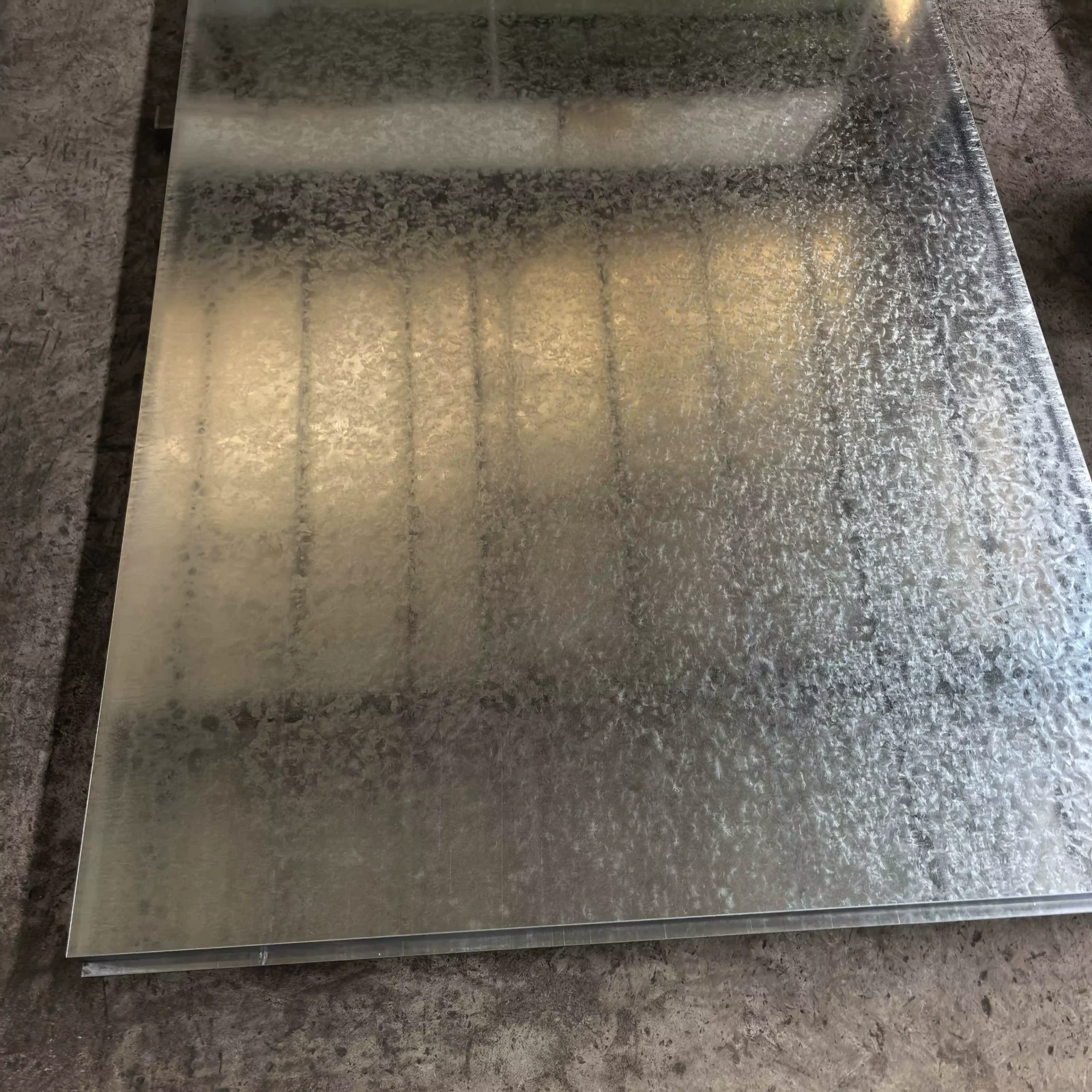
| Surface Treatment | Powder coating, Oxidization, Electrophoresis, Galvanization |
| Tolerance | ±0.2 mm |
| Size | Customized |
| Application | ATM machine, Mail box, Metal accessories, Custom structural parts |
| Origin | Shandong, China |
Application Suitability
| Industry | Typical Applications |
|---|---|
| Infrastructure & Construction | Custom structural brackets, steel frame connectors, building system supports |
| Industrial Equipment | ATM machine enclosures, electrical cabinet frames, machinery brackets |
| Commercial Facilities | Mail box assemblies, metal accessory mounts, retail display structures |
| Energy & Utilities | Solar panel mounting frames, wind turbine support brackets, utility box housings |
Laser-Cut Tolerance Decides Whether Your Structural Frame Fits on Site
A ±0.2 mm laser-cutting tolerance separates bolt-ready parts from on-site rework.
When procurement teams source fabricated parts from a different supplier than their pipes and plates, dimensional mismatches surface only during assembly. Bolt holes drift by millimeters. Weld prep edges fail to align. The result is field rework, delayed handover, and cost overruns that no factory-direct price advantage can offset. Fragmented sourcing across multiple vendors also means inconsistent material traceability — one supplier provides mill certificates, another does not, and the project inspector flags the entire batch [NEED_CITE: dimensional tolerance standards for laser-cut structural steel components].
Matching Fabrication Output to Structural Engineering Requirements
Custom structural steel fabrication parts must align with the load-bearing logic of the host structure. For carbon steel brackets supporting solar arrays, galvanization provides the corrosion resistance needed in coastal or high-humidity environments, while powder coating suits indoor ATM enclosures where appearance matters alongside protection. The ±0.2 mm laser-cutting tolerance ensures that welded connections meet design-node geometry without field grinding. Stainless steel variants serve food-processing or chemical-plant applications where carbon steel would compromise hygiene or accelerate corrosion.
Engineering Compliance and Surface Treatment Selection
Structural fabrication for EU-bound projects requires CE marking under EN 10210 or EN 10219 frameworks, confirming that base materials and welding procedures meet European harmonized standards [NEED_CITE: CE marking requirements for fabricated structural steel under EN 10219]. North American projects reference ASTM material specifications, and the steel grade must be declared on every mill test certificate for customs and site inspection clearance. Surface treatment selection — galvanization for outdoor exposure, electrophoresis for uniform edge coverage, oxidization for aluminum parts — directly affects service life and maintenance intervals. Custom thickness from 3 mm to 10 mm covers both light-gauge enclosure panels and heavier structural connection plates.
Steel Grade and Process Interpretation for Fabricated Parts
Carbon steel remains the default choice for structural brackets and frames due to its balance of formability, weldability, and cost. When the environment demands higher corrosion resistance, stainless steel eliminates the need for secondary coating — though at a higher material cost. Aluminum fabrication serves applications where weight reduction is critical, such as rooftop mounting structures. The laser-cutting process produces clean edges with minimal heat-affected zones, preserving base-metal properties near the cut line. CNC punching and bending follow, forming three-dimensional geometries that flat plate cannot achieve. Welding — MIG, TIG, or spot welding depending on material and thickness — completes the assembly. Each process stage introduces tolerance accumulation, which is why holding ±0.2 mm across laser cutting, bending, and welding requires calibrated equipment and in-process verification rather than final inspection alone [NEED_CITE: tolerance stack-up in multi-process steel fabrication].
Hidden Costs of Incorrect Material and Certification
Ordering fabricated parts without verified mill test certificates creates downstream risk that surfaces during project acceptance. If the declared steel grade does not match actual chemical composition, structural calculations become invalid — and the engineer of record cannot sign off. Missing CE documentation blocks customs clearance for EU destinations, stranding containers at port while demurrage charges accumulate. Thickness below the specified 3 mm minimum — a common outcome of uncontrolled negative tolerance — reduces load capacity and triggers rejection during third-party inspection. These failures do not appear in the purchase-order price. They appear in delayed project timelines, re-fabrication costs, and damaged supplier-buyer relationships [NEED_CITE: consequences of material non-conformance in structural steel procurement].
Procurement Confidence Through Verified Capability
Every custom structural steel fabrication parts order begins with material traceability to the original mill heat number. Our in-house laboratory conducts three-stage inspection — incoming material verification, in-process dimensional checks, and pre-shipment final audit. Third-party inspection through SGS or BV is available on request, providing independent confirmation for project owners who require it. The production facility covers carbon steel, stainless steel, aluminum, copper, and alloy steel in a single workflow, eliminating the need to coordinate multiple fabrication vendors. Surface treatment options — powder coating, oxidization, electrophoresis, galvanization — are applied in-house, avoiding outsourcing delays. Custom sizes and non-standard geometries are produced from client drawings with no minimum order quantity barriers, supporting both trial runs and full-volume project supply.
Documentation & Compliance
- Mill test certificate documenting carbon steel or stainless steel chemical composition and mechanical properties per applicable standard, issued with every shipment
- CE certificate covering EN 10210 and EN 10219 fabricated hollow sections for EU market customs clearance and project compliance
- ISO 9001:2015 quality management certificate confirming systematic production and inspection controls
- SGS or BV third-party inspection report available on request for independent verification of dimensions, surface treatment, and material grade
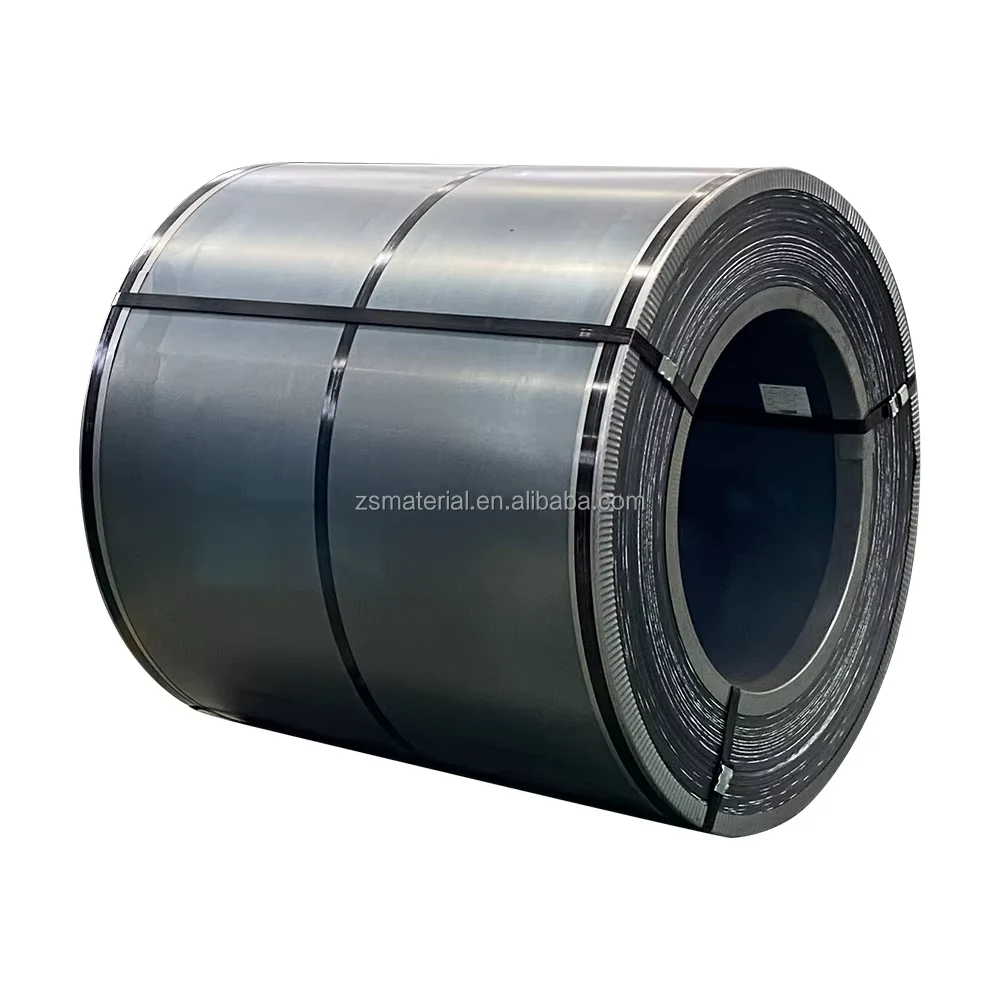
- Full material traceability by heat number from original mill coil through laser cutting, forming, welding, and surface treatment stages
- Export documentation package including commercial invoice, packing list, bill of lading, and certificate of origin for destination-country customs clearance
Packaging, Loading & Delivery
- Fabricated parts packed in steel-framed crates with edge protectors to prevent surface damage to powder-coated or galvanized finishes during ocean transit
- Galvanized components wrapped in waterproof film with desiccant inserts to preserve zinc coating integrity in humid shipping conditions
- Container loading optimized by our export team based on part dimensions and weight distribution, maximizing payload for 20ft and 40ft shipments
- Custom-length parts bundled by heat number and steel grade with visible identification tags for rapid site-side sorting
- FOB, CIF, and DDP shipping terms available with professional handling of export customs and destination port coordination
Start Your Fabrication Inquiry With Drawings and Specifications
Submit your technical drawings, material grade requirements, surface treatment preference, and target quantity to receive a detailed quotation with production timeline and mill test certificate confirmation. Non-standard geometries and multi-material assemblies are reviewed by our engineering team within one business day, with feedback on manufacturability and tolerance feasibility.
Request a Quote for Custom Structural Steel Fabrication Parts
Send your drawings and specifications to receive pricing, lead time, and material certification details. Contact Shandong Xin Jiyuan Special Steel Tube Co., Ltd via email at admin@sdxinjiyuan.com or WhatsApp at +86 188 5315 7756.
Frequently Asked Questions
Q: What is the minimum order quantity for custom fabricated parts?
A: Trial orders starting from 1 ton are accepted, supporting both prototype validation and small-batch project requirements before committing to full-volume production.
Q: Can you fabricate parts from multiple materials in a single order?
A: Yes. Carbon steel, stainless steel, aluminum, copper, and alloy steel are all processed in-house, allowing consolidated orders for mixed-material assemblies without coordinating separate suppliers.
Q: What surface treatment options are available for corrosion protection?
A: Powder coating, oxidization, electrophoresis, and galvanization are offered based on the end-use environment — galvanization for outdoor structural exposure, powder coating for appearance-critical indoor applications, and electrophoresis for uniform edge coverage on complex geometries.
Q: Do you provide mill test certificates for fabricated parts?
A: Every batch ships with original mill test certificates documenting chemical composition and mechanical properties. Third-party inspection through SGS or BV is available on request for additional independent verification.
Q: What tolerance can be held on laser-cut custom structural steel fabrication parts?
A: Laser cutting maintains ±0.2 mm tolerance on critical dimensions, with CNC punching, bending, and welding processes controlled through in-process inspection to prevent tolerance accumulation across multiple fabrication stages.