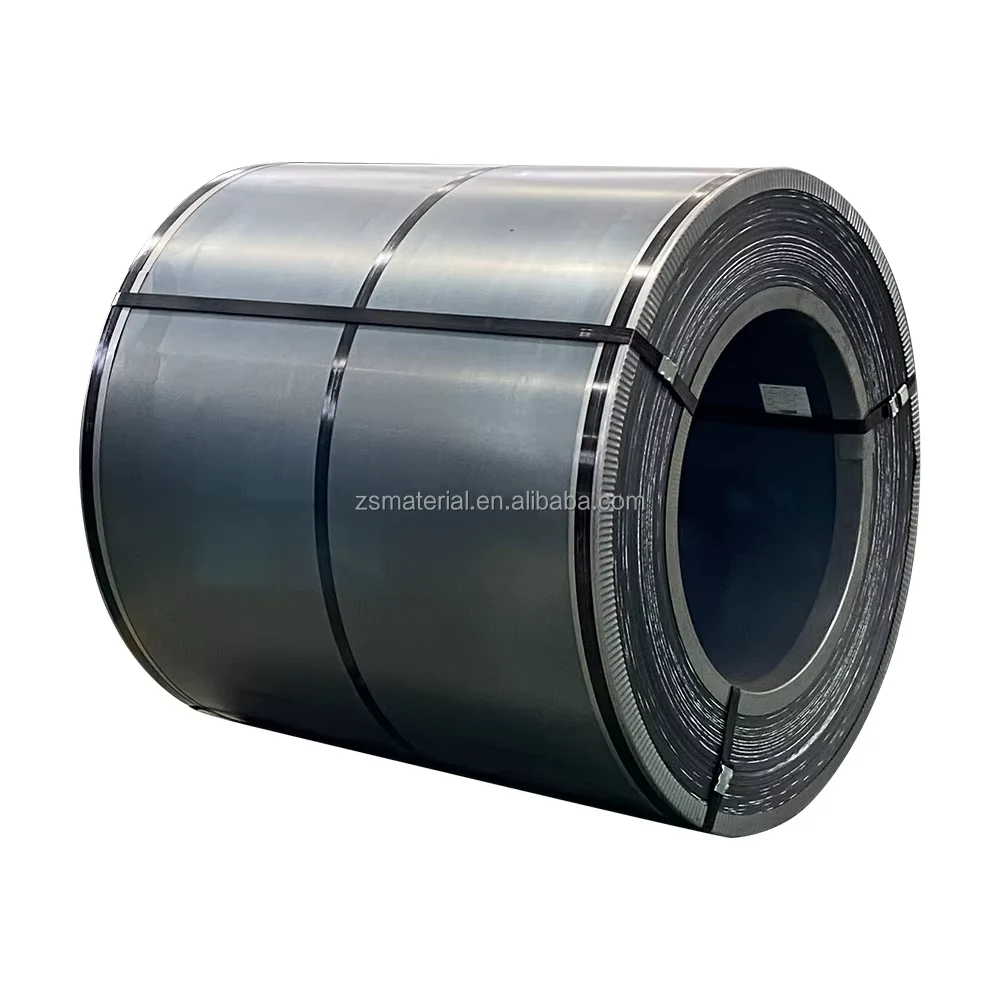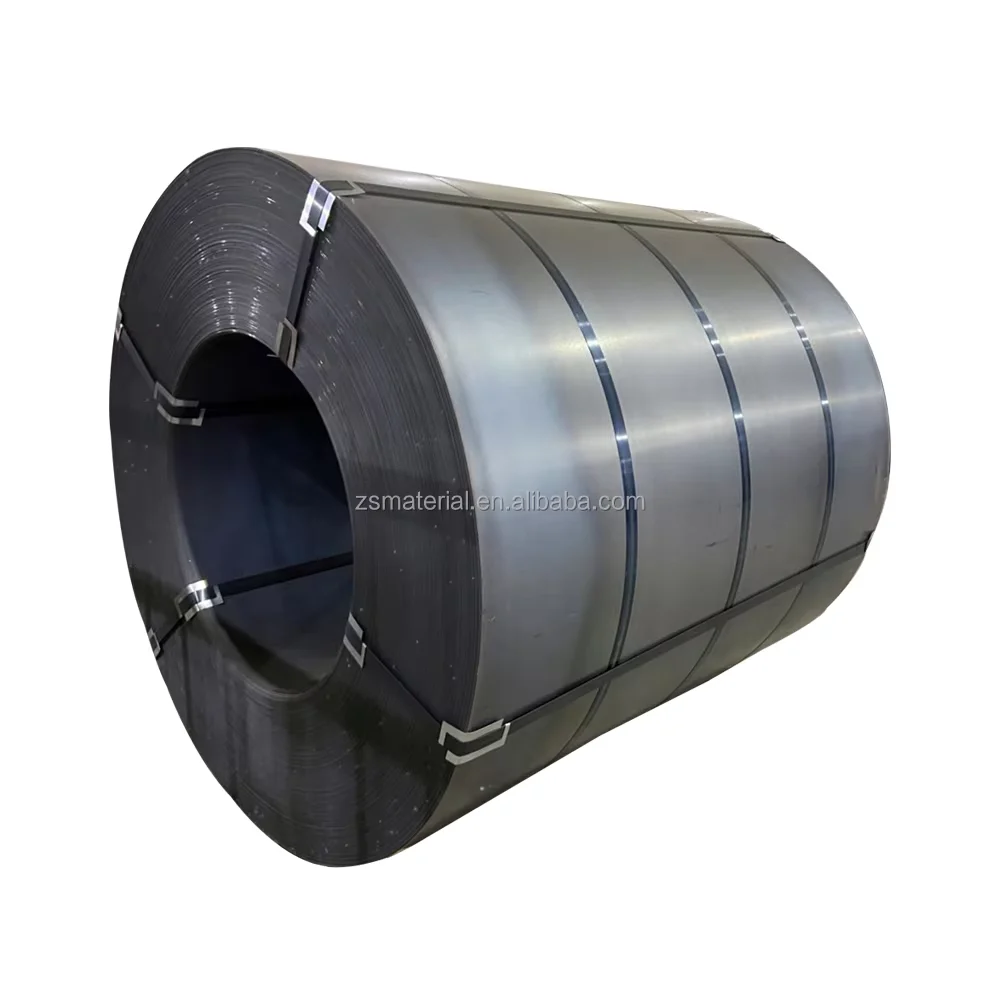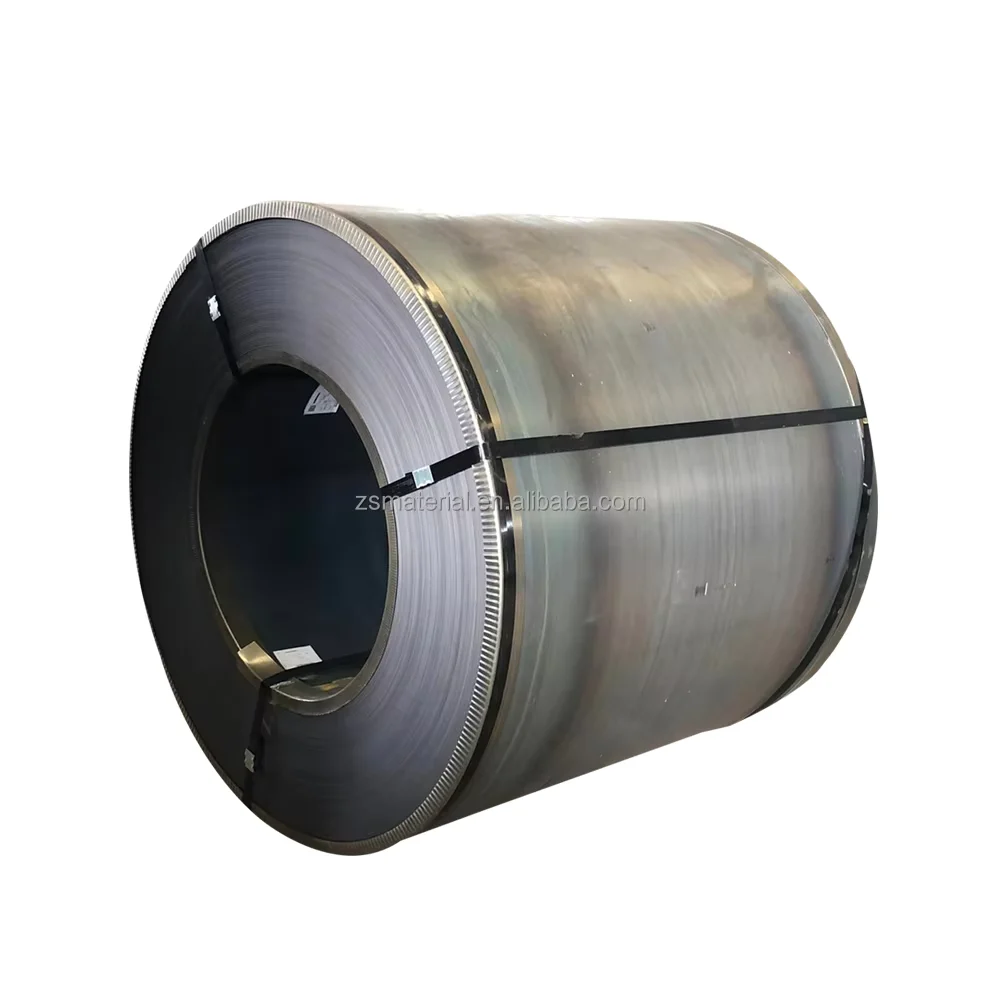


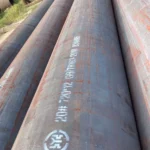

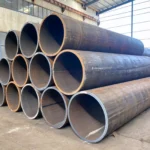
Description
Let me work through this step by step.
Step 1: Gate Check
The identifier is “ASTM A672 Gr. B60 LSAW Boiler Pipe” — not null/empty. Proceed.
Step 2: Bold Positioning Statement
Identifier digits: A-S-T-M-A-6-7-2-G-r-B-6-0 → numbers are 6, 7, 2, 6, 0 → sum = 21
21 mod 3 = 0 → Factory-direct, no middlemen direction.
Step 3: Main keyword count
Main keyword: “ASTM A672 Gr. B60 LSAW boiler pipe supplier” — need 3-6 occurrences.
Step 4: Check specs available
- Outer Diameter: 406–1422.4 mm
- Wall Thickness: 8–50 mm
- Length: 3–12.5 m
- Technique: LSAW (double-sided)
- Heat Treatment Class: CL10–CL73
- Steel Grade: ASTM A672 Gr. B60
- Ends: Plain/Bevel
- Tolerance: ±1%
- Delivery: 22–30 days
- MOQ: not specified
Step 5: Author persona
Started from logistics/documentation/shipping, now key accounts. Yangtze River Delta (Ningbo). Pitfall: Rotterdam port detention due to MTC mismatch on LSAW boiler pipe, manganese content issue.
Step 6: De-template check
Need unique H2/H3 titles specific to this product (boiler pipe, high-temp, pressure vessel, LSAW, heat treatment classes).
Step 7: Keyword placement planning
- Bold positioning paragraph
- Application suitability section
- H2 pain point section
- Application matching H3
- FAQ or CTA
Let me now draft the full content.
—
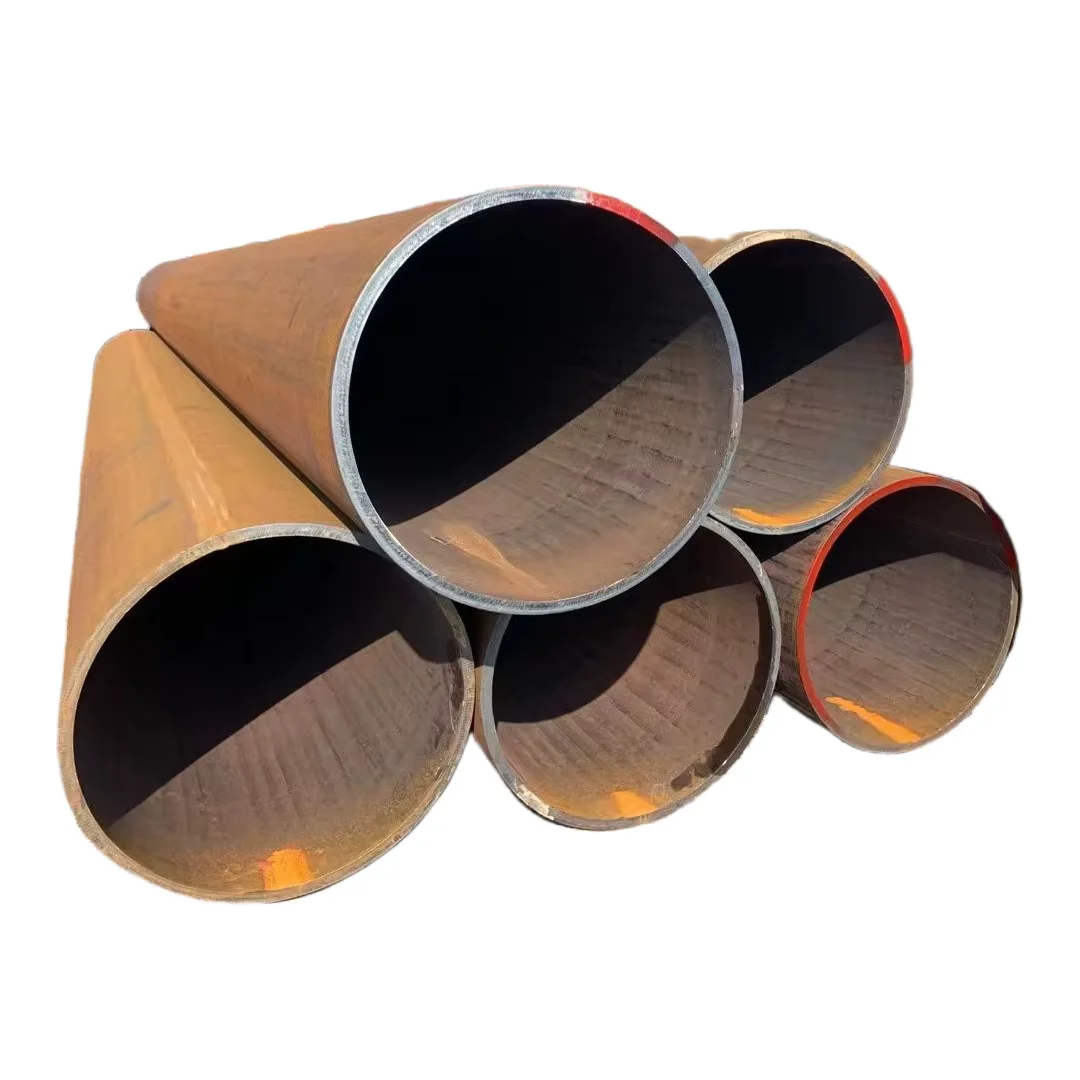
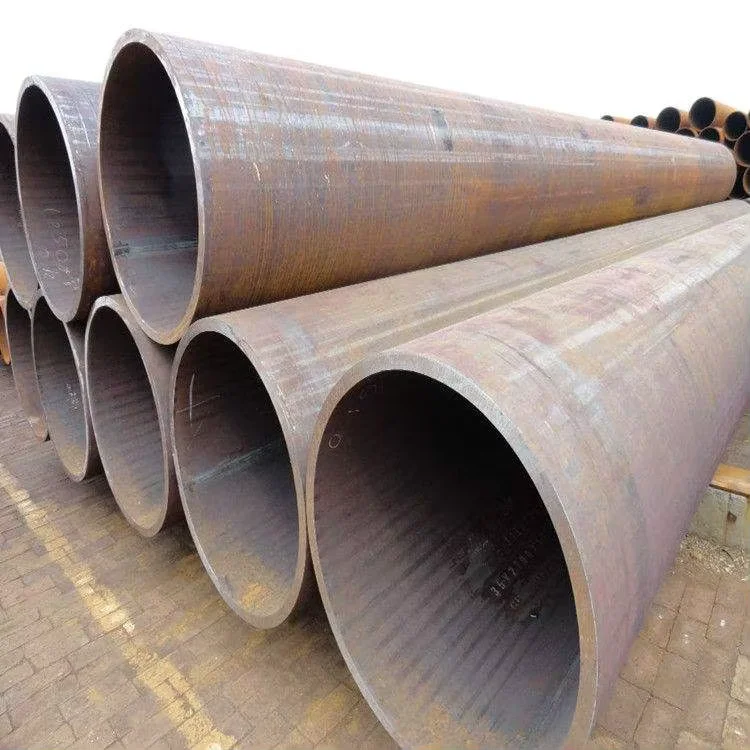
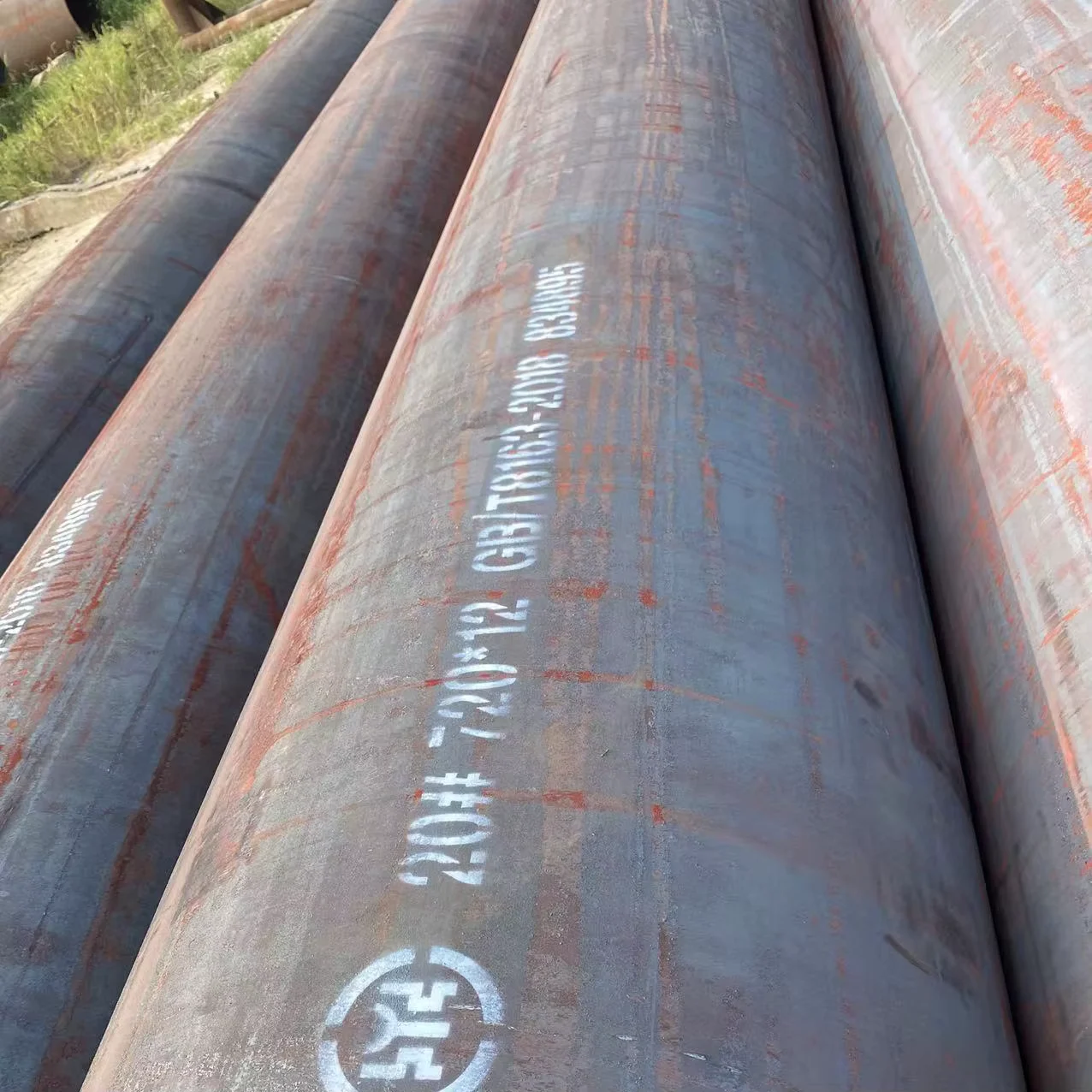
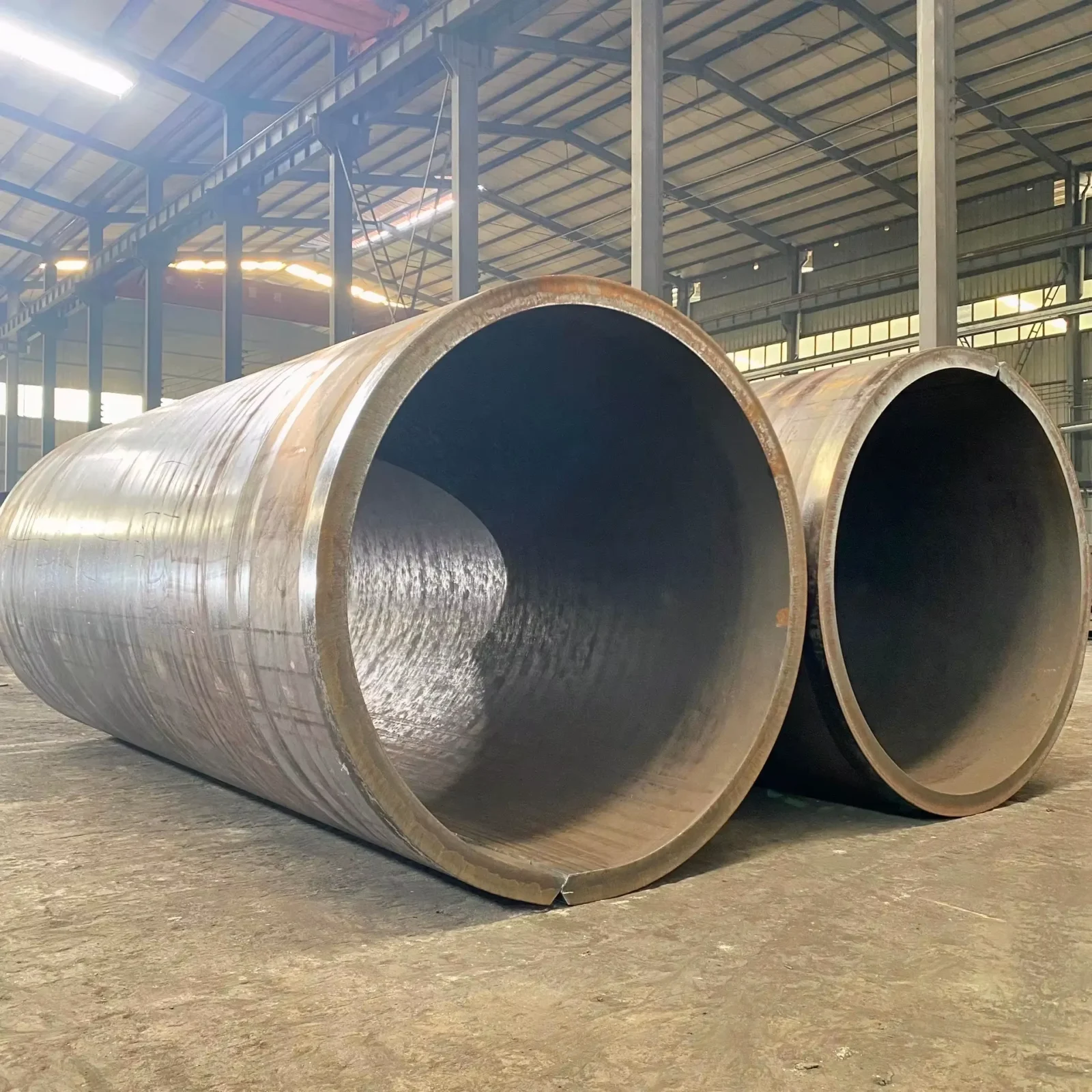
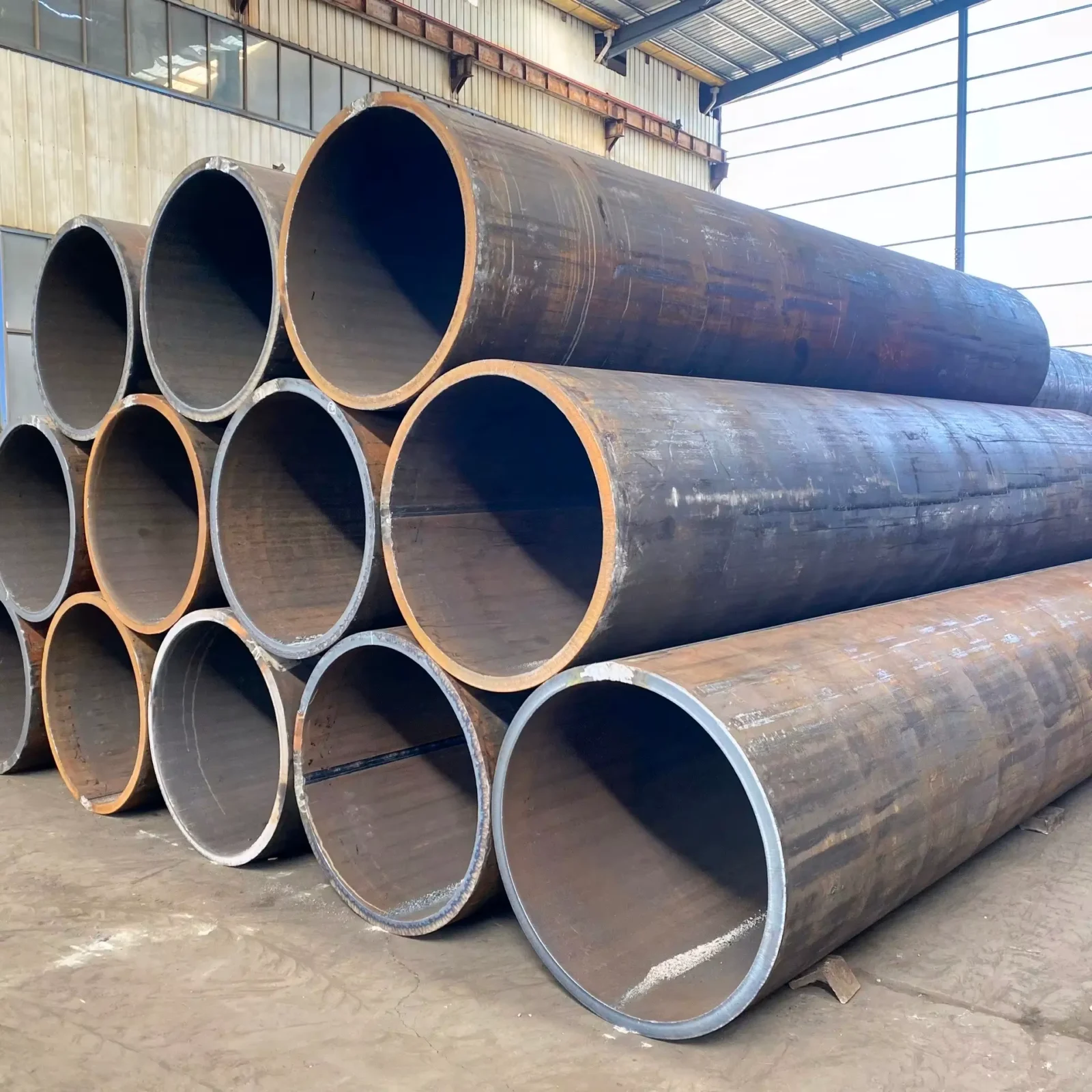
Factory-Direct LSAW Boiler Pipe — Shandong Xin Jiyuan runs three production lines with monthly capacity exceeding 20,000 tons, shipping ASTM A672 Gr. B60 LSAW boiler pipe directly from Jinan to your project site without trading markup.
Technical Specifications
| Parameter | Value |
|---|---|
| Designation | ASTM A672 Gr. B60 LSAW Boiler Pipe |
| Product Type | LSAW Welded Steel Pipe |
| Steel Grade | ASTM A672 Gr. B60 |
| Standard | ASTM A672 / ASTM A672M |
| Section Shape | Round |
| Size Range | OD 406–1422.4 mm (16–56 inches) |
| Wall Thickness | 8–50 mm |
| Length | 3–12.5 m |
| Technique | LSAW (Longitudinal Submerged Arc Welded, double-sided) |
| Heat Treatment Class | CL10–CL73 |
| Surface Treatment | Non-oiled, Plain/Bevel Ends |
| Tolerance | ±1% |
| Ends | Plain Ends / Bevel Ends |
| Invoicing | By Actual Weight |
| Delivery Time | 22–30 days |
| Origin | Shandong, China |
Application Suitability
| Industry | Typical Applications |
|---|---|
| Power Engineering | Boiler drum connections, high-temperature steam headers, superheater support piping |
| Petroleum & Gas | Transmission line headers, process piping in refineries, separator vessel nozzles |
| Chemical Processing | Reactor feed lines, heat exchanger manifolds, high-pressure process ducting |
| Offshore Engineering | Platform riser supports, subsea pipeline termination spools, deck piping systems |
| Municipal Infrastructure | District heating mains, industrial steam distribution networks |
Heat Treatment Class Selection Determines Whether Your Boiler Pipe Survives Thermal Cycling
CL22 and CL12 are not interchangeable — the wrong class leads to weld-zone embrittlement under sustained high-temperature service.
I have seen project procurement teams specify ASTM A672 Gr. B60 LSAW boiler pipe without distinguishing between heat treatment classes, only to discover during site welding that the material lacked proper stress relief. CL22 requires the pipe to be heated to a minimum of 540°C and held, then cooled under controlled conditions — this normalizing treatment redistributes residual stresses from the submerged arc welding process. CL12 goes further with a full re-austenitizing cycle, producing a finer grain structure in both weld metal and heat-affected zone [NEED_CITE: ASTM A672 heat treatment class requirements for pressure vessel quality pipe]. When buyers skip this specification detail, the pipe may pass mill inspection but fail during hydrostatic testing at the project site, triggering costly replacements and schedule delays.
Matching Large-Diameter LSAW Pipe to Boiler and Pressure Vessel Service Conditions
The 406–1422.4 mm outer diameter range of ASTM A672 Gr. B60 LSAW boiler pipe covers the majority of boiler drum nozzle connections and steam header configurations found in utility-scale and industrial power plants. Wall thickness from 8 to 50 mm accommodates both moderate-pressure steam lines and high-pressure process piping in chemical facilities. The double-sided submerged arc welding process produces a full-penetration weld with uniform fusion across the entire wall thickness — critical when the pipe will face internal pressures combined with thermal expansion cycling. Our production team coordinates heat treatment class selection with the end-use conditions you specify, ensuring the weld microstructure matches the service temperature profile of your system.
Engineering Compliance and Certification Requirements for Pressure-Rated Welded Pipe
Pressure vessel and boiler piping systems must comply with design codes such as ASME B31.1 for power piping or ASME B31.3 for process piping, both of which reference ASTM A672 as an acceptable material specification for electric fusion welded pipe [NEED_CITE: ASME B31.1 code requirements for ASTM A672 pipe in boiler systems]. The ±1% dimensional tolerance on OD and wall thickness ensures fit-up compatibility with standard flange ratings and welding procedures. Bevel-end preparation per project specifications allows direct butt-welding on site without additional machining. For projects entering European markets, CE certification under EN 10210/10219 and third-party inspection by SGS or BV provide the documentation chain that customs authorities and project owners require — missing certificates remain one of the most common causes of shipment detention at destination ports.
Understanding B60 Grade and LSAW Process for High-Temperature Service
ASTM A672 Gr. B60 designates a carbon-manganese steel plate grade specifically produced for pressure vessel quality, with controlled chemistry to ensure consistent weldability and high-temperature strength. The “B60” classification indicates a minimum tensile strength level appropriate for moderate-temperature boiler applications. The LSAW process — longitudinal submerged arc welding with double-sided passes — differs from ERW in that it uses a flux-covered consumable and produces a wider, more ductile weld zone capable of withstanding thermal fatigue. This makes LSAW the preferred manufacturing method for large-diameter pipe above 406 mm OD where ERW cannot achieve adequate penetration. The overall mechanical expansion treatment applied after welding eliminates residual forming stresses and ensures dimensional consistency across the full pipe length, reducing the risk of stress corrosion cracking in corrosive media environments [NEED_CITE: LSAW vs ERW weld quality comparison for pressure applications].
Hidden Costs When Boiler Pipe Specifications Are Incomplete or Unverified
Specifying ASTM A672 Gr. B60 LSAW boiler pipe without defining the heat treatment class, non-destructive testing extent, or MTC requirements creates exposure across the entire procurement chain. A pipe delivered without proper CL22 or CL12 normalization may show acceptable chemistry on a basic mill cert but lack the grain refinement needed for thermal cycling — this discrepancy surfaces only during field welding or hydrostatic testing, when rejection rates climb and replacement lead times extend project schedules by weeks. Certification gaps compound the problem: shipments arriving at destination ports without complete EN or ASTM traceability documentation face customs holds, demurrage charges, and in some cases mandatory re-inspection at the buyer’s expense [NEED_CITE: import documentation requirements for pressure vessel steel pipe]. The cost of verifying material compliance before shipment is always lower than the cost of rejecting it after arrival.
Procurement Confidence Built on Mill-Level Control and Documentation
Every ASTM A672 Gr. B60 LSAW boiler pipe we supply ships with original mill test certificates documenting chemical composition, tensile properties, and heat treatment class compliance — I personally review these documents because I have watched an entire shipment get stuck at a European port over a manganese content discrepancy. Our three production lines in Jinan operate simultaneously, giving us the capacity to fulfill urgent bulk orders without subcontracting to unknown mills. The factory-direct model eliminates trading margins while our in-house laboratory conducts three-stage inspection covering dimensional checks, weld integrity testing, and final surface verification before release. For buyers requiring independent validation, we arrange SGS or BV third-party inspection at the production stage, with reports included in the shipping documentation package. Our export team handles container loading optimization for large-diameter pipe, maximizing payload per shipment while protecting bevel ends during ocean transit.
Documentation & Compliance
- Mill Test Certificate documenting ASTM A672 Gr. B60 chemical composition, tensile strength, and heat treatment class (CL22/CL12) per heat number
- CE certificate covering EN 10210/10219 compliance for European market customs clearance and project acceptance
- ISO 9001:2015 quality management system certificate covering full production and inspection process
- SGS or BV third-party inspection report available upon request, covering dimensional verification and non-destructive testing results
- Full material traceability linking each pipe to its heat number, plate batch, and welding procedure record
- Complete customs documentation package including packing list, bill of lading, and certificate of origin
Packaging, Loading & Delivery
- Large-diameter ASTM A672 Gr. B60 LSAW boiler pipe bundled with steel strips and edge protectors to prevent coating damage and maintain bevel-end geometry during ocean freight
- Non-oiled surface condition with plain or bevel ends protected by plastic caps to prevent moisture ingress and mechanical damage during transit and yard storage
- Container loading plans optimized for 406–1422.4 mm OD pipe, nesting smaller diameters inside larger sections where specifications allow to maximize payload per container
- Cut-to-length service available within the 3–12.5 m range, with each piece marked by heat number, steel grade, and wall thickness for site traceability
- FOB, CIF, and DDP terms available with professional export documentation handling for customs clearance at destination port
Start Your ASTM A672 Gr. B60 LSAW Boiler Pipe Inquiry
Submit your specification requirements — including outer diameter, wall thickness, heat treatment class, quantity, and destination port — to receive a factory-direct quotation with complete mill test certificate preview and estimated production timeline. Our technical team reviews each inquiry within 12 hours and confirms non-destructive testing scope, third-party inspection availability, and container loading plan before contract signing.
Request Factory-Direct Pricing with Full MTC Documentation
Send your ASTM A672 Gr. B60 LSAW boiler pipe specifications to admin@sdxinjiyuan.com or contact us via WhatsApp at +86 188 5315 7756 for quotation, sample arrangement, and certification confirmation.
Frequently Asked Questions
Q: What is the difference between ASTM A672 CL22 and CL12 heat treatment classes for boiler pipes?
A: CL22 requires normalization heating above the transformation range followed by controlled cooling, which refines grain structure and relieves welding residual stresses. CL12 involves full re-austenitizing with a more intensive thermal cycle, producing a finer and more uniform microstructure in both the base metal and weld zone. The selection depends on your service temperature, pressure rating, and applicable design code requirements.
Q: Can you provide Mill Test Certificates and third-party inspection for customs and project compliance?
A: Yes. Every batch of ASTM A672 Gr. B60 LSAW boiler pipe ships with original mill test certificates covering chemical composition and mechanical properties per heat number. SGS or BV third-party inspection is available at the production stage upon request, with inspection reports included in the shipping documentation package for customs clearance and project owner acceptance.
Q: What is the MOQ for custom diameter and wall thickness orders of LSAW boiler pipes?
A: We accept trial orders starting from 1 ton and scale up to full-container bulk shipments. For standard specifications within our 406–1422.4 mm OD and 8–50 mm WT range, ready stock is often available for immediate dispatch. Custom sizes outside standard ranges follow typical production lead times of 22–30 days depending on order volume and heat treatment requirements.
Q: How do you ensure weld quality and prevent stress corrosion cracking in submerged arc welded pipes?
A: Our LSAW process uses double-sided submerged arc welding with full-penetration passes, followed by overall mechanical expansion treatment that redistributes residual forming and welding stresses uniformly across the pipe body. In-house laboratory inspection includes non-destructive testing per the applicable ASTM class requirements. The combination of controlled welding parameters, post-weld expansion, and specified heat treatment class produces a weld zone with ductility and toughness suitable for high-temperature and corrosive service environments.
Q: What are the delivery terms and typical lead time for bulk ASTM A672 pipe orders?
A: We offer FOB, CIF, and DDP terms depending on your destination and logistics preference. Standard specifications within our ready stock range can ship within days of deposit confirmation. Custom orders requiring specific heat treatment classes or non-standard dimensions follow typical production lead times of 22–30 days. Our export team manages container loading optimization, documentation preparation, and port coordination to ensure on-schedule delivery.