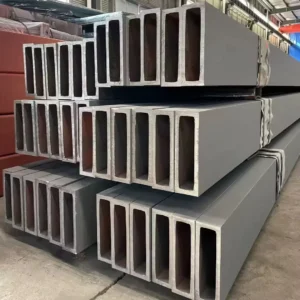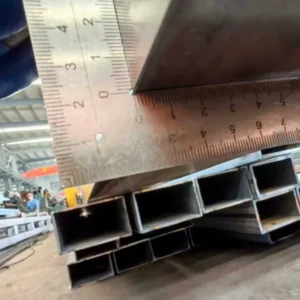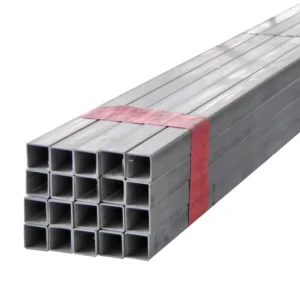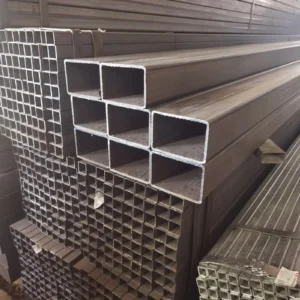
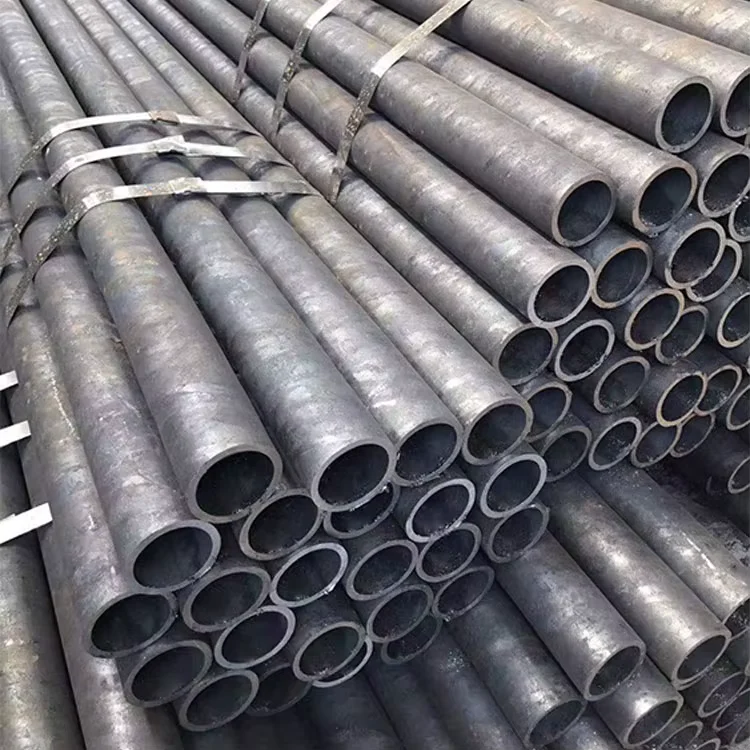


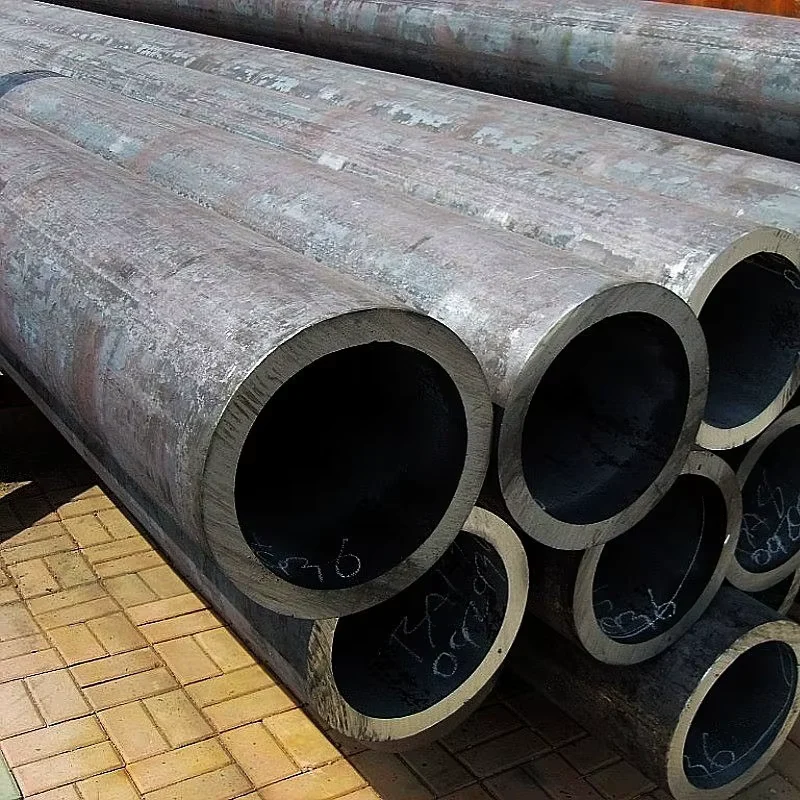

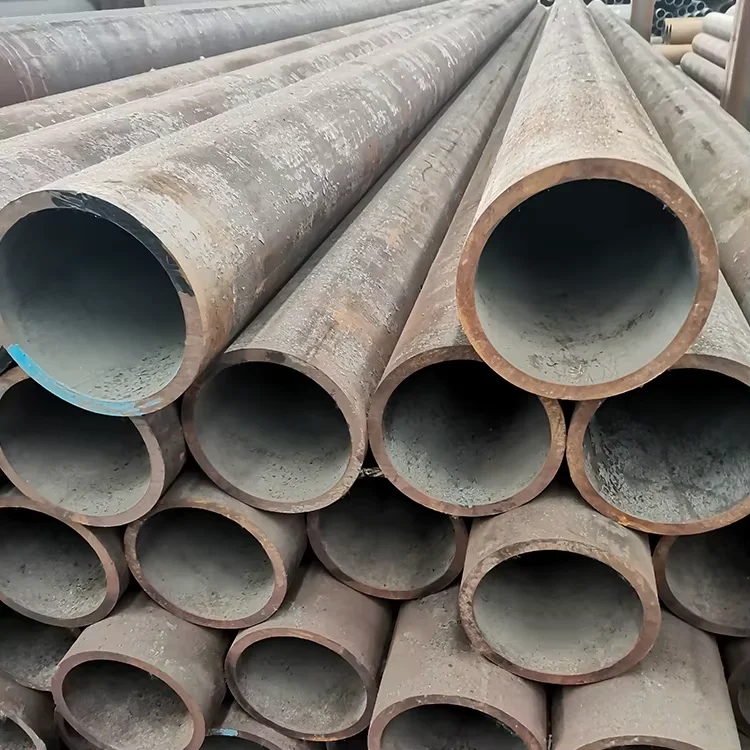

Description
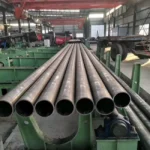
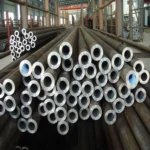
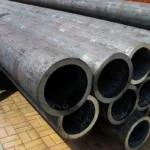
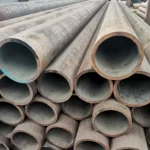
Factory-Direct Seamless Pipe Supply — ASTM A106 Grade A/B pipes ship with original mill test certificates and full heat-number traceability, eliminating certification gaps at customs.
Technical Specifications
| Parameter | Value |
|---|---|
| Designation | ASTM A106 Seamless Steel Pipe |
| Product Type | Seamless Steel Pipe |
| Steel Grade | ASTM A106 Grade A, ASTM A106 Grade B, 20#, 45# |
| Standard | API 5CT, API 5L, ASTM A106, ASTM A53, BS, JIS, DIN |
| Section Shape | Round |
| Outer Diameter | 10–609 mm |
| Wall Thickness | 1.65–59.54 mm |
| Technique | Hot Rolled / Cold Rolled / Cold Drawn |
| Surface Treatment | Hot Rolled, Oiled or Non-oiled |
| Tolerance | ±1%–±5% |
| Ends | Plain / Beveled / Threaded |
| Processing Service | Welding, Punching, Cutting, Bending, Decoiling |
| Application | Fluid Pipe, Boiler Pipe, Drill Pipe, Hydraulic Pipe, Gas Pipe, Oil Pipe, Chemical Fertilizer Pipe, Structure Pipe, Machinery Parts, Stress Parts |
| Invoicing | By Theoretical Weight |
| Origin | Shandong, China |
Application Suitability
| Industry | Typical Applications |
|---|---|
| Oil & Gas | Drill pipe, oil transmission pipeline, gas distribution network |
| Power & Energy | High-temperature boiler tubes, superheater elements, steam lines |
| Industrial Machinery | Hydraulic cylinder barrels, chemical fertilizer process piping |
| Structural Engineering | Load-bearing columns, machinery frames, stress-bearing components |
What Negative Tolerance Really Costs on a High-Pressure Boiler Order
A 15% wall-thickness deviation turns a compliant boiler tube into a pressure-test failure.
When procurement teams order ASTM A106 seamless steel pipe for high-temperature service, the mill test certificate often looks perfect on paper — until the third-party inspector pulls out the ultrasonic thickness gauge at the destination port. I have seen entire batches rejected because the actual wall thickness fell below the minimum specified in ASTM A106, triggering project shutdowns and contractual penalties. The root cause is rarely malicious; it is suppliers who invoice by theoretical weight while shipping pipes with negative tolerance far beyond the ±1%–±5% range declared in the order. For boiler and pressure applications, this is not a cosmetic issue — it is a structural safety failure waiting to happen under operating pressure. [NEED_CITE: ASTM A106 dimensional tolerance requirements for seamless carbon steel pipe]
Matching ASTM A106 to High-Temperature and Pressure Service
ASTM A106 seamless steel pipe is engineered specifically for high-temperature service, making it the default choice for boiler systems, steam lines, and process piping where creep resistance matters. Grade B dominates power generation and oil refinery applications because its carbon-manganese chemistry delivers reliable strength at elevated temperatures without the cost premium of alloy grades. The hot-rolled production route provides a uniform grain structure suited to pressure containment, while cold-drawn variants offer tighter dimensional control for hydraulic systems requiring precise ID/OD ratios. Our production lines run ASTM A106 Grade A and Grade B alongside 20# and 45# carbon steel, giving buyers flexibility to match material properties to specific pressure-temperature envelopes without sourcing from multiple mills.
Engineering Compliance and Certification Requirements
Pressure-containing piping systems must comply with design codes such as ASME B31.1 for power piping or ASME B31.3 for process piping, both of which reference ASTM A106 as an acceptable material specification. The standard requires full chemical composition reporting and mechanical property testing — tensile strength, yield strength, and elongation — documented on certified mill test certificates traceable to individual heat numbers. For projects in regulated markets, third-party inspection by SGS or BV before shipment provides an additional verification layer that satisfies both the client’s QA team and local authorities having jurisdiction. Missing or incomplete documentation does not just delay customs clearance; it can invalidate the entire pressure system’s compliance status, forcing costly re-certification or replacement. [NEED_CITE: ASME B31.1 material requirements for carbon steel seamless pipe]
Steel Grade Selection and Production Process Impact
The ASTM A106 specification covers three grades — A, B, and C — with increasing carbon and manganese content driving higher strength for more demanding service conditions. Grade A suits lower-pressure applications, while Grade B is the workhorse for most boiler and industrial piping systems; 20# and 45# are Chinese national standard equivalents frequently specified in domestic projects and accepted as alternatives when chemical composition and mechanical properties align. Hot-rolled ASTM A106 seamless steel pipe offers the best combination of cost efficiency and pressure integrity for standard wall thicknesses, while cold-drawn processes achieve tighter tolerances required for hydraulic cylinders and precision machinery. The oiled surface treatment applied after hot rolling provides short-term corrosion protection during transit and storage, though long-term exposure in aggressive environments requires additional coating systems such as 3PE or epoxy. Wall thickness tolerance directly affects both the theoretical weight used for invoicing and the actual pressure-bearing capacity — a pipe at the lower end of the tolerance band carries less material but must still meet the minimum wall requirement specified in the order.
The Hidden Cost of Unverified Material Provenance
Purchasing ASTM A106 seamless steel pipe without verified mill test certificates creates a cascade of downstream risks: customs authorities in regulated markets increasingly reject shipments lacking proper documentation, project owners refuse to accept piping without traceable heat numbers, and pressure system inspectors will not sign off on hydrostatic tests without certified material records. A pipe that fails to meet the specified grade’s chemical composition may pass visual inspection but will not perform as designed under thermal cycling or pressure loading — the consequences range from premature weld failures to catastrophic rupture in boiler service. Third-party inspection before shipment costs a fraction of the expense associated with rejected containers, project delays, or liability claims from field failures. [NEED_CITE: importance of material traceability in pressure piping systems]
Why Procurement Teams Choose Our ASTM A106 Supply
Every batch of ASTM A106 seamless steel pipe leaving our facility carries an original mill test certificate documenting chemical composition and mechanical properties, traceable to the specific heat number stamped on each pipe. Our in-house metallurgical laboratory conducts three-stage inspection during production — incoming billet verification, in-process dimensional checks, and final mechanical testing — ensuring that tolerance claims match actual measurements rather than theoretical assumptions. We maintain ready stock across the OD 10–609 mm range in both Grade A and Grade B, enabling urgent orders to ship within typical production lead times while custom wall thickness or non-standard lengths are produced on our three dedicated seamless lines. Third-party inspection by SGS or BV is available on request before container sealing, providing independent verification that satisfies both QA requirements and customs documentation needs. Factory-direct pricing with no intermediary markup means volume buyers receive transparent cost structures, and our professional export team handles complete documentation packages including packing lists, bills of lading, and certificates of origin optimized for the destination market’s import requirements.
Documentation & Compliance
- Mill test certificate documenting ASTM A106 Grade B chemical composition (carbon, manganese, silicon, sulfur, phosphorus) and mechanical properties per heat number
- ISO 9001:2015 quality management certificate covering seamless pipe production processes
- SGS or BV third-party inspection report verifying dimensional tolerance and surface quality before shipment
- Material traceability documentation linking each pipe to its original billet heat number and production batch
- Complete customs documentation package including packing list, bill of lading, and certificate of origin formatted for destination port requirements
Packaging, Loading & Delivery
- Hot-rolled ASTM A106 pipes bundled with steel strips and edge protectors, oiled surface preserved with waterproof wrapping for ocean transit
- Wall thickness and OD clearly marked on each pipe with heat number stenciling for site traceability during installation
- Container loading optimized for 10–609 mm OD range with nested configurations maximizing weight per shipment
- Custom cutting to specified lengths available before shipment, reducing on-site waste and handling
- FOB, CIF, and door-to-door logistics options with real-time tracking and professional customs clearance support
Starting Your ASTM A106 Procurement
Submit your specification requirements — OD, wall thickness, length, steel grade, quantity, and destination port — and receive a detailed quotation with mill test certificate samples within 12 hours. Our technical team reviews your application parameters to confirm grade suitability and tolerance requirements before production begins, ensuring the material delivered matches your engineering specifications exactly.
Request Your ASTM A106 Quotation with Mill Test Certificates
Send your specification sheet to receive factory-direct pricing and documentation samples.
Email: admin@sdxinjiyuan.com | WhatsApp: +86 188 5315 7756
Frequently Asked Questions
Q: What is the difference between ASTM A106 Grade A and Grade B for boiler applications?
A: Grade B has higher carbon and manganese content than Grade A, providing greater tensile and yield strength suitable for higher-pressure and higher-temperature boiler service. Grade A is typically specified for lower-pressure applications where the additional strength of Grade B is not required. Both grades are available in our inventory with full chemical composition documentation.
Q: Can you provide third-party inspection before shipment?
A: Yes, SGS and BV third-party inspections are available on request. The inspection covers dimensional verification, surface quality assessment, and witness of mechanical testing if required. The inspection report is issued before container sealing and included in the shipping documentation package.
Q: How do you handle wall thickness tolerance for pressure applications?
A: Our ASTM A106 seamless steel pipe is produced within the ±1%–±5% tolerance range specified in the order. Each batch undergoes ultrasonic thickness testing during our three-stage quality control process, and actual measurements are documented on the mill test certificate. For critical pressure applications, we recommend specifying minimum wall thickness requirements in your purchase order.
Q: What surface treatment options are available for corrosion protection?
A: Standard delivery is hot-rolled with oil coating for short-term transit protection. For long-term corrosion resistance, additional coating options include black coating, galvanized zinc coating, or 3PE anti-corrosion coating depending on the service environment. Coating specifications should be confirmed at the inquiry stage.
Q: What is the minimum order quantity for custom sizes?
A: We accept trial orders from 1 ton for standard sizes from our ready stock. Custom wall thickness, non-standard OD, or special length requirements are produced on our dedicated lines with flexible MOQ depending on the specification complexity. Contact us with your requirements for a detailed assessment.