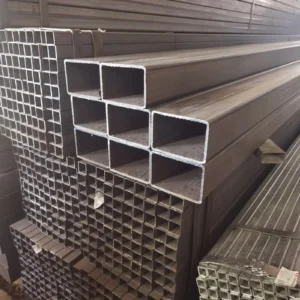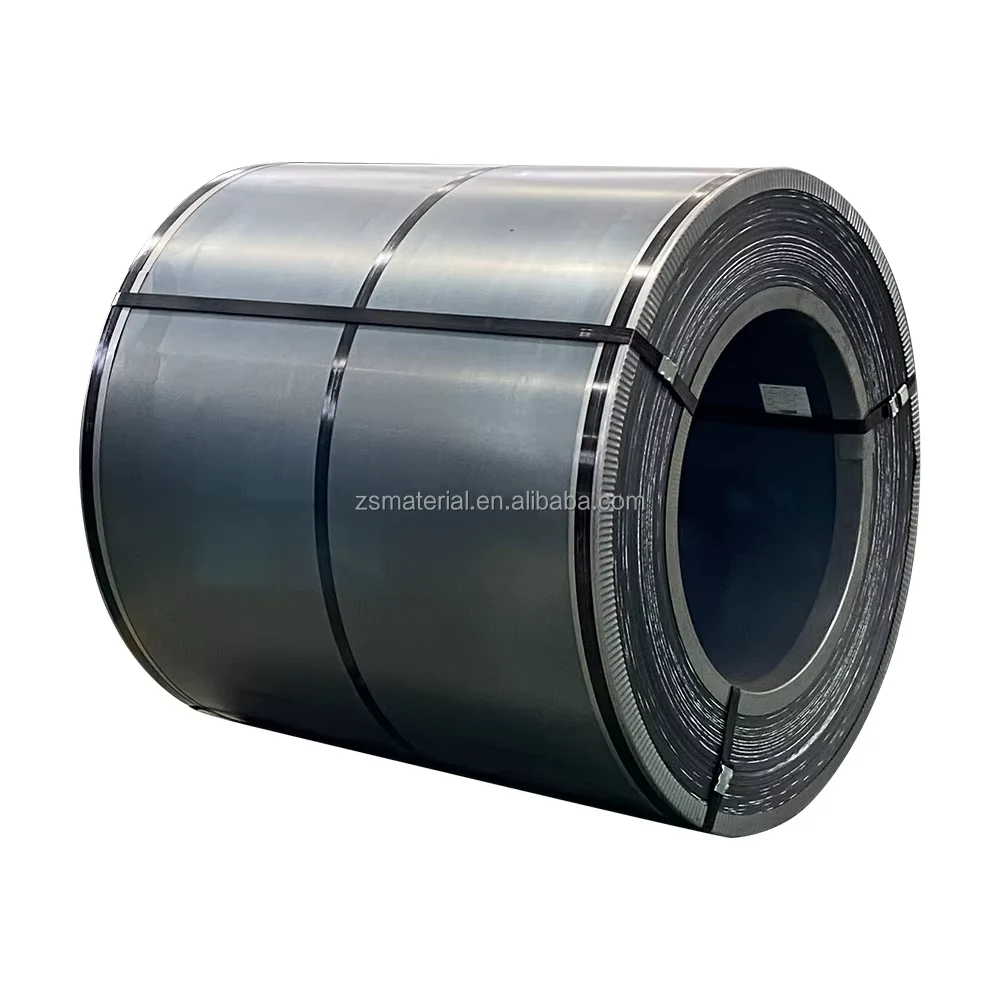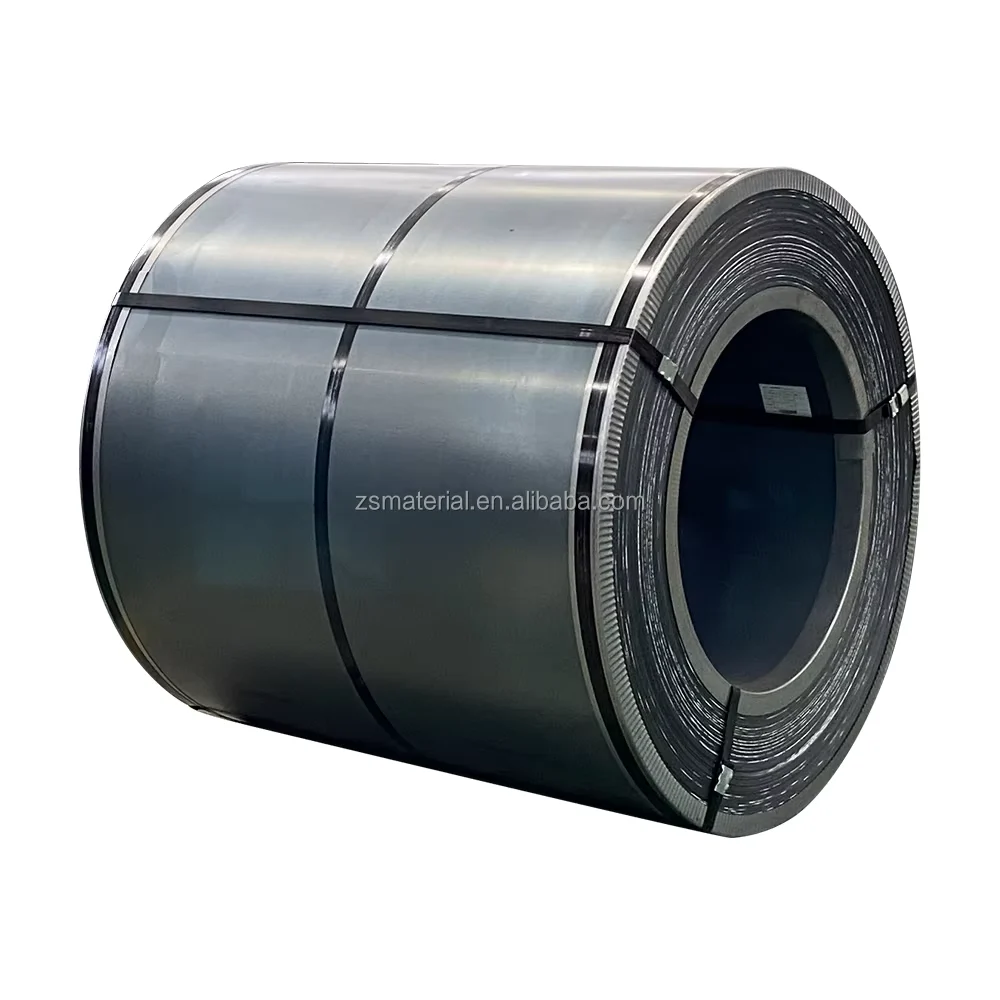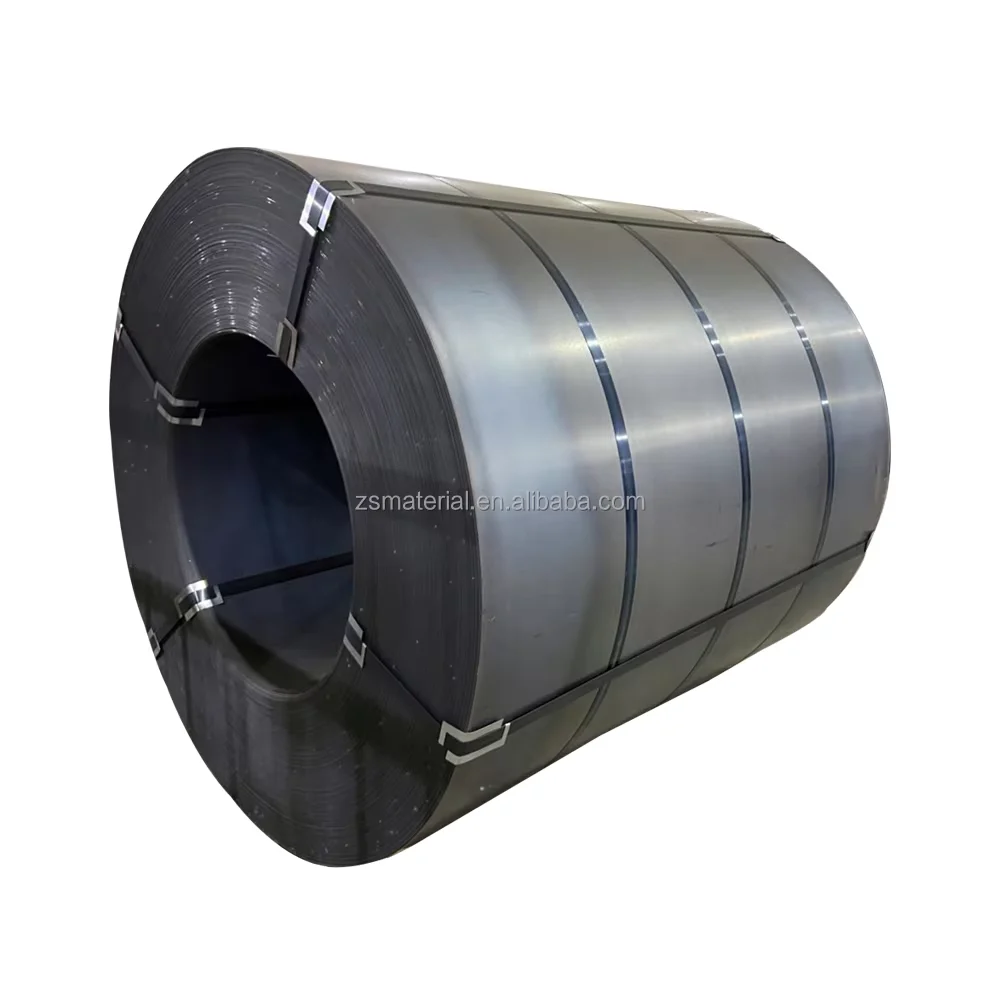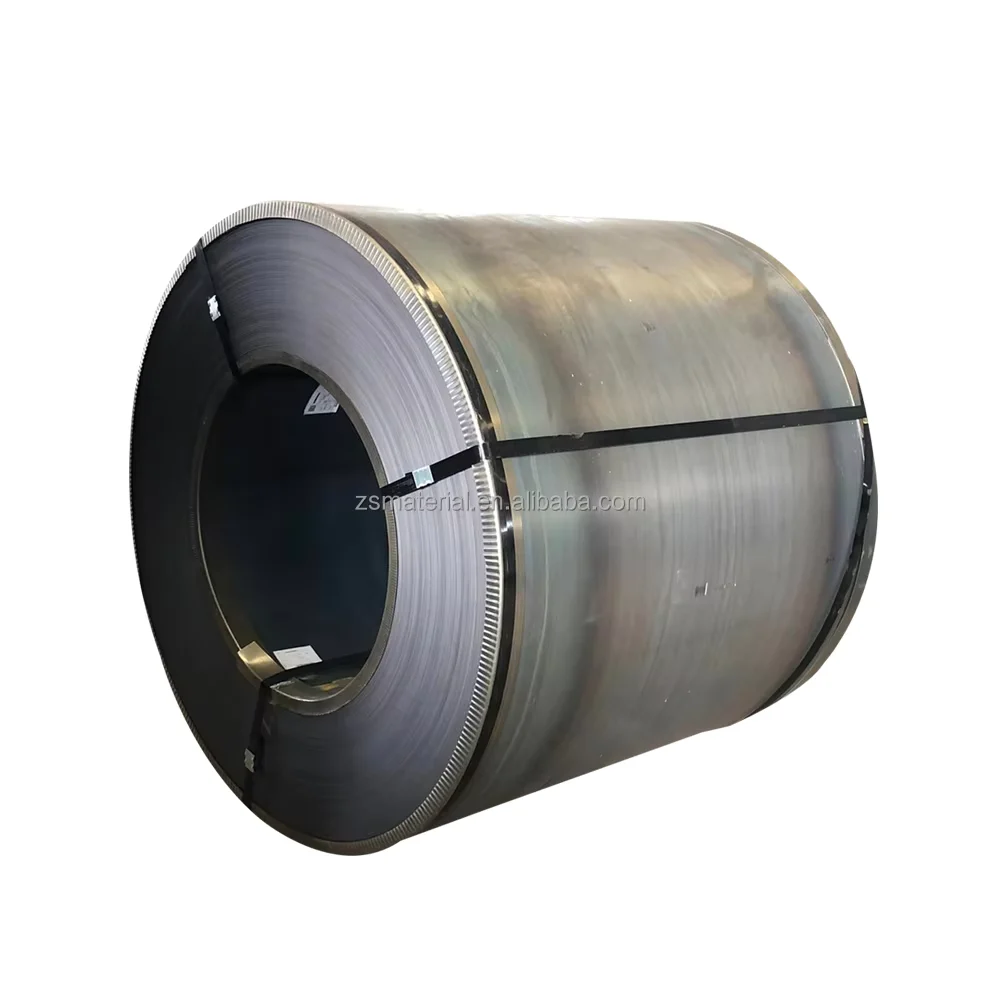
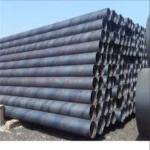
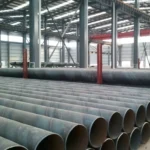
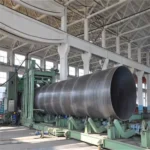
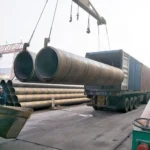
Description
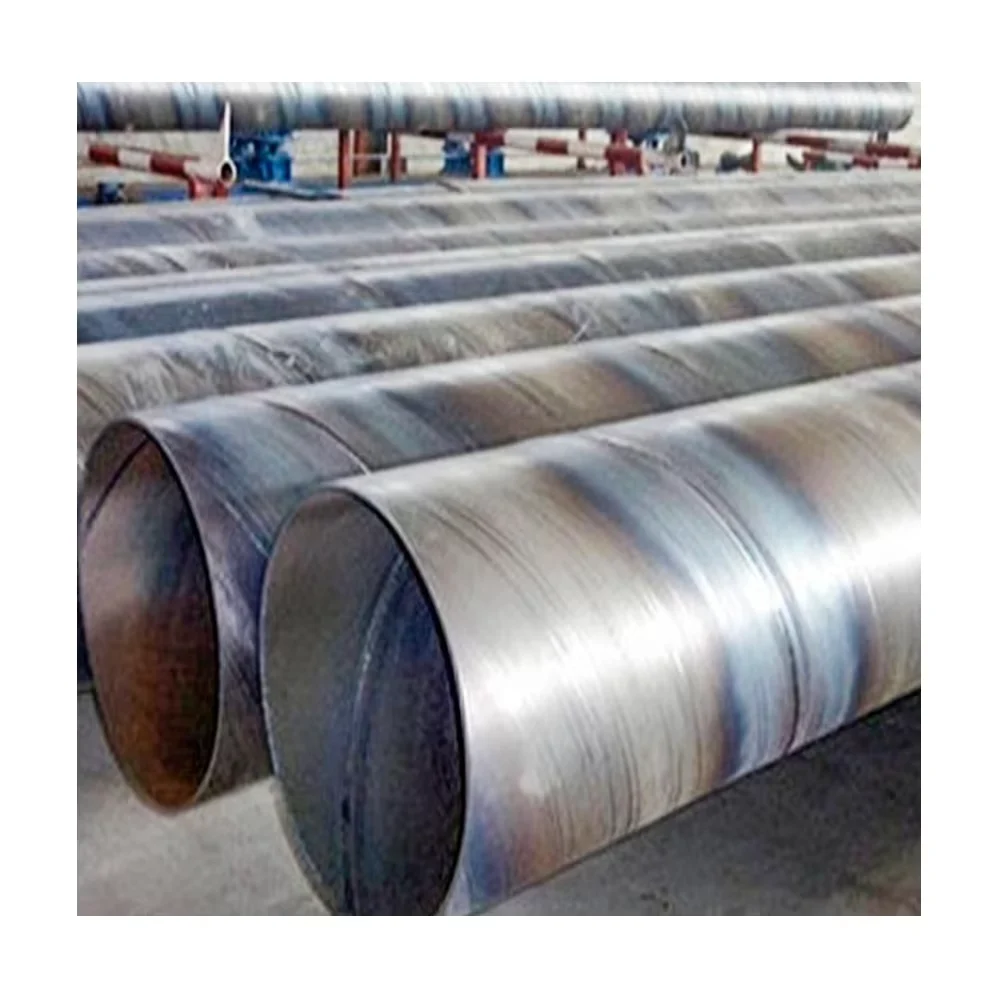
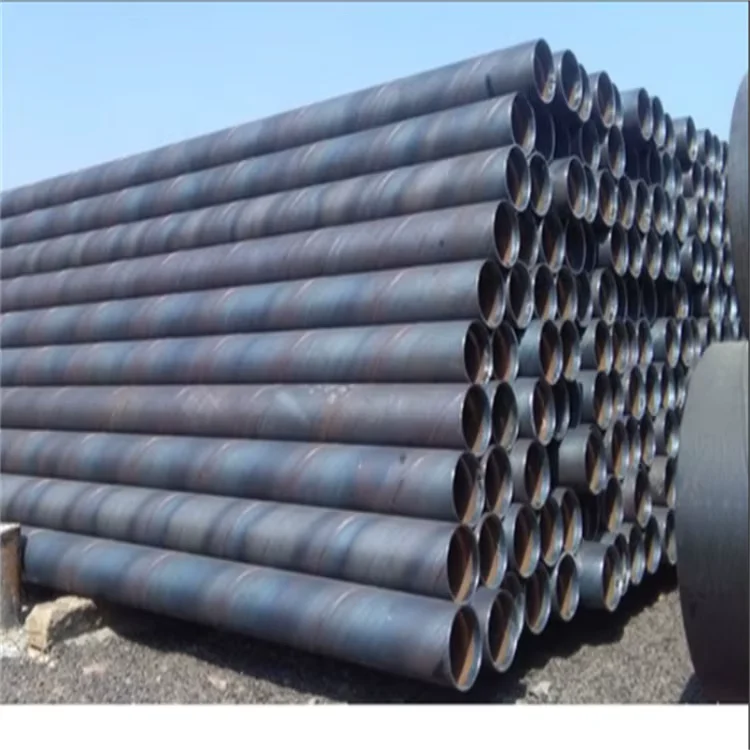
Factory-Direct SSAW Pipeline Supply — API 5L PSL2 grades X42 through X85 in OD 219–3620mm ship with traceable mill test certificates and third-party inspection documentation, eliminating middlemen markup on large-diameter spiral welded pipe orders.
Technical Specifications
| Parameter | Value |
|---|---|
| Designation | API 5L PSL2 SSAW Steel Pipe |
| Product Type | Spiral Submerged Arc Welded (SSAW) Steel Pipe / Round Steel Pipe |
| Steel Grade | GR.B, X42, X52, X56, X60, X70, X85 |
| Standard | API 5L, API 5CT, API 5DP, ASTM A53, ASTM A106, EN 10219, EN 10217, GB/T 8162 |
| Section Shape | Round |
| Size Range | OD 219–3620 mm (8″–142″) |
| Wall Thickness | 5–30 mm (SCH10–SCH160, XS, XXS) |
| Length | 3–12 m (SRL / DRL / Fixed length) |
| Technique | SSAW (Spiral Submerged Arc Welded) |
| Surface Treatment | Black Painted / Varnish / Oiled / Galvanized / Anti-corrosion Coated (3PE / 3LPE) |
| Tolerance | ±1% |
| Ends | Beveled Ends with Plastic Caps (small OD) / Iron Protector (large OD) |
| Application | Fluid transport (oil, gas, water), Structure pipe, Boiler pipe, Drill pipe, Hydraulic pipe |
| MOQ | 2 Tons |
| Origin | Shandong, China |
Application Suitability
| Industry | Typical Applications |
|---|---|
| Oil & Gas EPC | Long-distance onshore and submarine transmission pipelines for crude oil, natural gas, and refined products |
| Municipal Infrastructure | Urban water supply mains, drainage outfall lines, and sewage force mains |
| Industrial Plant Piping | Chemical process lines, hydraulic feed systems, boiler feedwater circuits |
| Marine & Offshore | Subsea flow lines, platform riser jackets, and coastal intake/discharge pipelines |
| Power Generation | Cooling water circulation lines, flue gas ducting, and fuel gas distribution headers |
Why PSL2 Charpy Testing Separates Pipeline-Grade Steel from Scrap
A mill certificate that looks perfect on paper means nothing if the low-temperature impact energy fails PSL2 thresholds at the port of discharge.
Sourcing large-diameter spiral welded pipe for pressurized transmission service introduces a quality gap that visual inspection cannot close. The chemical composition may read within spec, yet the actual Charpy V-notch impact values at sub-zero test temperatures determine whether the pipe survives hydrostatic proof testing or fractures during service. Buyers who accepted mill certificates without independent verification have faced full-batch rejection at destination, triggering months of schedule delay on critical-path pipeline projects [NEED_CITE: API 5L PSL2 supplementary testing requirements for impact toughness]. Every API 5L PSL2 SSAW steel pipe we produce undergoes in-house chemical analysis, tensile testing, hydrostatic pressure verification, and X-ray weld seam inspection before release — with SGS or BV third-party inspection available for pre-shipment audit.
Matching Wall Thickness and Coating to Submarine and Buried Pipeline Environments
Large-diameter SSAW pipe in grades X42 through X85 serves transmission applications where internal pressure, external soil loading, and corrosion exposure converge. The spiral weld geometry allows continuous production of OD up to 3620mm without the plate-width limitations of LSAW, while maintaining ±1% dimensional tolerance critical for field joint welding alignment. For submarine burial or aggressive soil conditions, 3PE anti-corrosion coating applied over the spiral weld seam provides mechanical damage resistance during backfilling and long-term cathodic disbondment protection. Each API 5L PSL2 SSAW steel pipe leaves our facility with beveled ends fitted to project-specified angle and root face, reducing field welding preparation time on multi-kilometer pipeline spreads.
Engineering Compliance Across API, ASTM, and EN Frameworks
Pipeline projects spanning multiple jurisdictions require documentation that satisfies both the originating specification and the destination country’s import regulations. API 5L PSL2 mandates supplementary requirements including mandatory Charpy impact testing, hydrostatic testing of every pipe, and non-destructive examination of the full weld seam length — requirements that PSL1 does not enforce [NEED_CITE: API 5L PSL2 mandatory supplementary requirements versus PSL1]. For projects specifying EN 10217 or ASTM A53 alongside API 5L, our production lines hold concurrent certification under EN 10219/EN 10210 with CE marking, ISO 9001:2015 quality management, and the ability to produce to dual-stamped specifications. Fixed-length cutting to 12m DRL or project-specific lengths eliminates field cutting waste, while the ±1% tolerance band ensures compatibility with standard welding procedure specifications across contractor fleets.
Spiral Weld Geometry, Steel Grade Selection, and Coating Tradeoffs
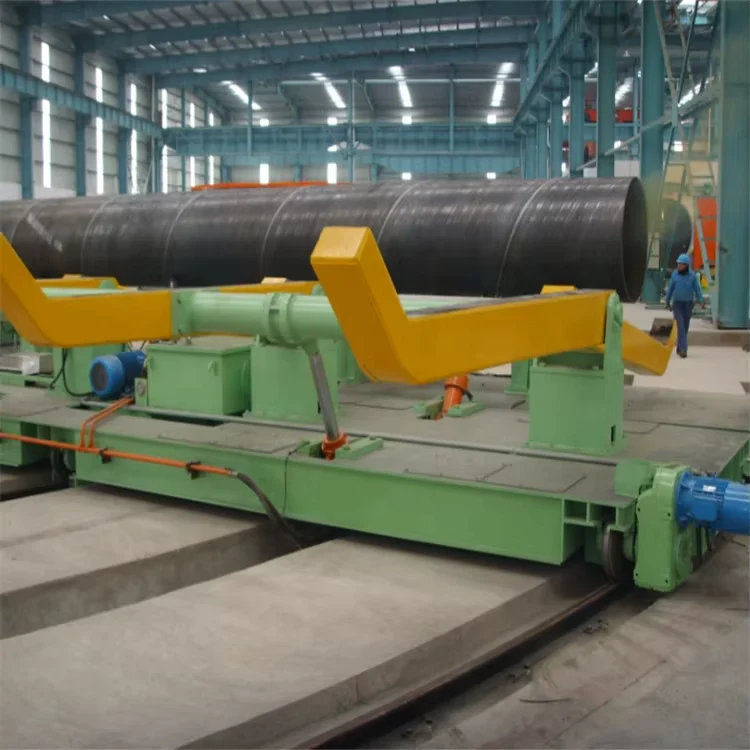
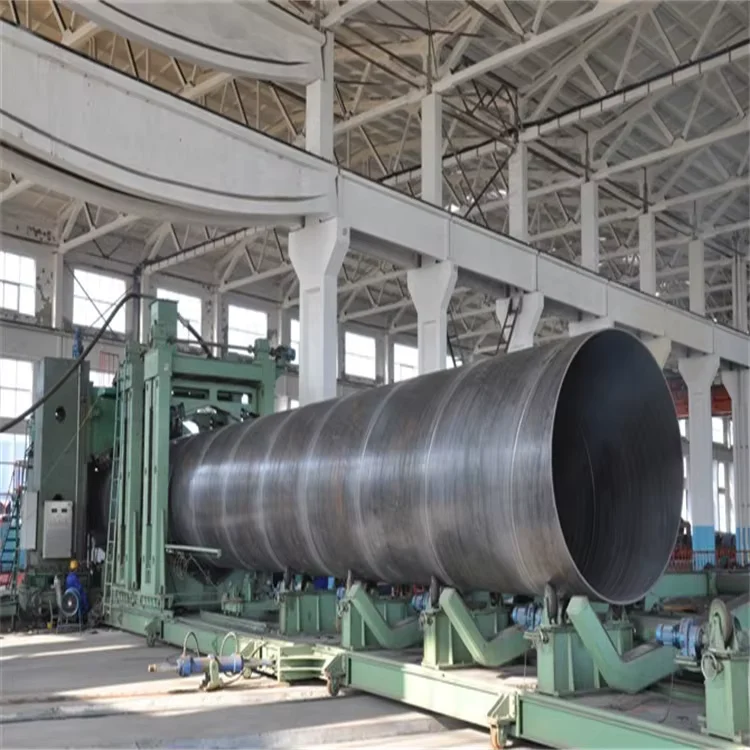
The SSAW process forms pipe from coiled skelp through continuous spiral forming and submerged arc welding, enabling diameter flexibility from 219mm to 3620mm on a single mill — a range that would require multiple LSAW press setups. This forming method produces a helical weld seam oriented at an angle to the pipe axis, which distributes hoop stress across the weld length and provides inherent redundancy against localized defect propagation. Steel grade selection from GR.B through X85 follows the API 5L minimum yield strength designation system, where X42 indicates 42,000 psi minimum yield and X70 indicates 70,000 psi — each step up in grade reduces required wall thickness for a given design pressure but demands tighter control of carbon equivalent and welding preheat procedures [NEED_CITE: carbon equivalent limits for high-grade pipeline steel weldability]. Surface treatment selection depends on service environment: bare black pipe with field-applied coating suits accessible onshore routes, factory-applied 3PE or 3LPE coating serves buried and submarine segments, and galvanized or oiled finishes address temporary storage protection or non-corrosive atmospheric service.
The Hidden Cost of Accepting Unverified Mill Certificates
Pipeline rejections at destination port do not occur because the pipe looks wrong — they occur because the Charpy impact energy at the specified test temperature falls below PSL2 minimums, or because the heat number on the stamp cannot be traced back to a valid chemical analysis report. When a batch fails acceptance testing after ocean transit, the buyer faces not only the cost of replacement pipe and re-shipping but also the idle time of welding crews, trenching equipment, and compression stations scheduled around the original delivery date [NEED_CITE: consequences of material non-conformance on EPC pipeline project schedules]. Certification gaps compound the problem: customs authorities in destination countries increasingly require CE marking documentation for pressure-containing imports, and missing test certificates trigger hold orders that demurrage charges accumulate against daily.
Procurement Confidence Built on Traceable Documentation and Independent Verification
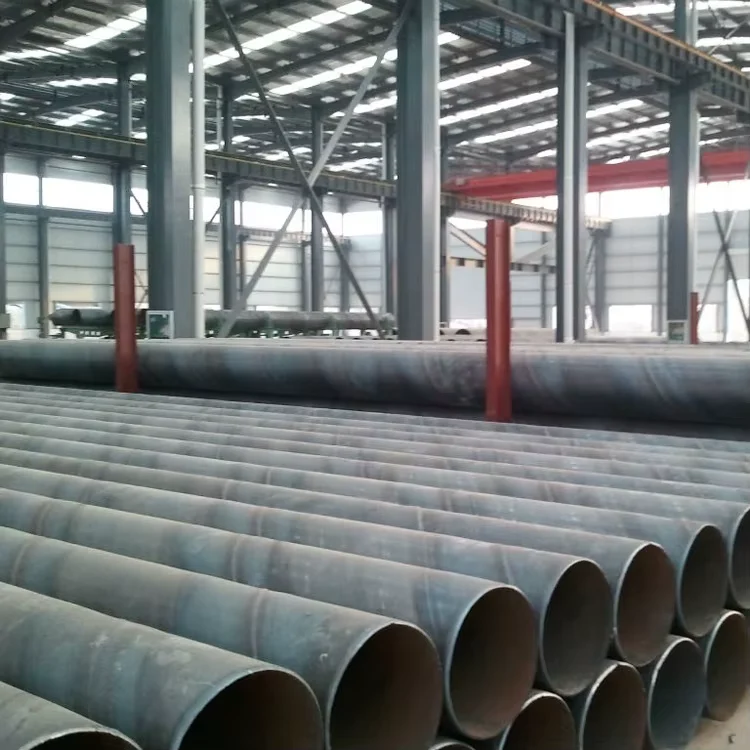
Our production facility operates three simultaneous SSAW lines with monthly capacity exceeding 20,000 tons, covering the full OD range from 219mm to 3620mm in API 5L PSL2 grades — meaning your X60 submarine order and your GR.B water main order ship from the same inventory pool with consolidated container loading. Every heat of steel receives in-house spectrographic chemical analysis, tensile testing, and Charpy impact testing at the contractually specified temperature before the pipe leaves the mill floor. Original mill test certificates document the heat number, chemical composition, mechanical test results, and hydrostatic test pressure for every pipe shipped — not a summary certificate covering a production lot, but pipe-level traceability. For buyers requiring independent confirmation, we coordinate SGS or BV inspection at our facility before container sealing, with inspection reports issued directly to the buyer’s email. Our export team handles customs documentation, container loading optimization for mixed-diameter orders, and real-time shipment tracking through to destination port discharge.
Documentation & Compliance
- Mill Test Certificate documenting X42–X85 chemical composition, yield strength, tensile strength, and Charpy impact energy per API 5L PSL2, traceable to individual heat number
- CE Certificate of Conformity per EN 10210/EN 10219 for projects requiring European pressure equipment directive compliance
- ISO 9001:2015 quality management system certificate covering SSAW production, coating application, and inspection processes
- SGS or BV third-party inspection report covering dimensional verification, visual weld examination, coating thickness measurement, and witness testing
- Material traceability sheet linking each pipe’s heat number to its chemical analysis report, mechanical test results, and hydrostatic test pressure record
- Complete customs document package including packing list, ocean bill of lading, certificate of origin, and commercial invoice formatted for destination country requirements
Packaging, Loading & Delivery
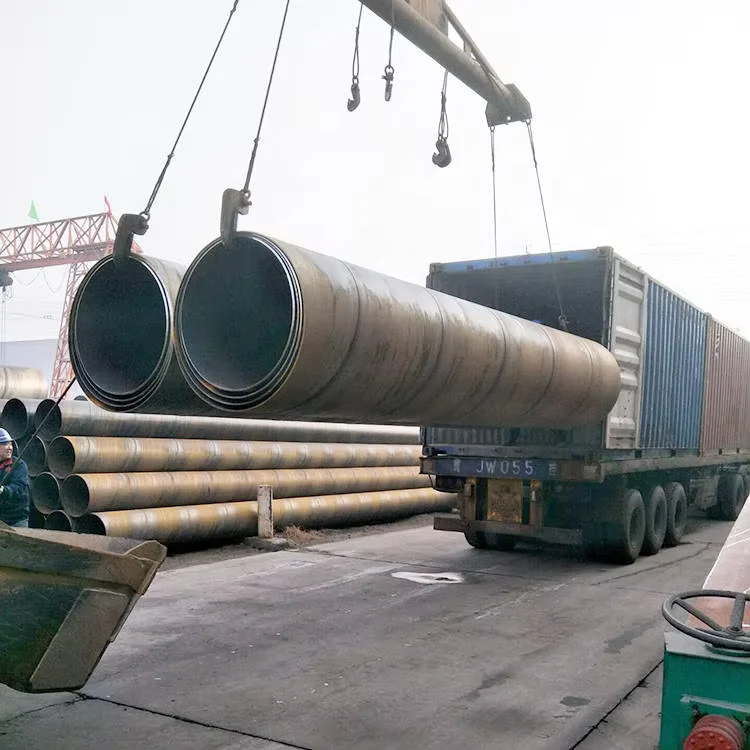
- SSAW pipes bundled with galvanized steel strips at intervals matched to the 3–12m length range, with anti-sag supports for DRL shipments exceeding 6m
- 3PE coated pipes wrapped with soft-edge protectors and separated by rubberized spacers to prevent coating abrasion during ocean transit
- Beveled ends fitted with plastic caps for OD under 600mm or welded iron protectors for large-diameter pipe to preserve welding preparation geometry
- Mixed-diameter container loading plans optimized by our export team to maximize TEU utilization for project orders combining X42 transmission pipe and GR.B structural pipe
- Heat number, steel grade, OD, wall thickness, and length stenciled on each pipe surface for yard identification and field sorting
- FOB, CIF, and DDP shipping terms available with real-time vessel tracking and port discharge coordination through our professional export documentation team
Securing Your Pipeline Supply with Verified Specifications
Submit your project specifications including API 5L PSL2 grade requirement, OD and wall thickness, total tonnage, coating type, and destination port — we return a competitive bulk quotation with volume-based pricing, production lead time, and payment terms within 12 hours. For non-standard dimensions or multi-specification consolidated orders, our engineering team provides a customized loading and delivery plan before contract execution.
Request Your API 5L PSL2 SSAW Pipe Quotation
Send your specifications via email to admin@sdxinjiyuan.com or contact us on WhatsApp at +86 188 5315 7756 to receive pricing, mill test certificate samples, and third-party inspection coordination details.
Frequently Asked Questions
Q: What is the difference between API 5L PSL1 and PSL2 in terms of testing requirements?
A: PSL2 mandates supplementary requirements beyond PSL1, including mandatory Charpy V-notch impact testing at specified temperatures, hydrostatic testing of every individual pipe, full-length non-destructive examination of the weld seam, and stricter limits on chemical composition — particularly carbon equivalent for weldability. PSL1 permits batch-based testing and does not require impact testing unless specifically ordered.
Q: How does SSAW compare with LSAW for large-diameter pipeline projects?
A: SSAW produces pipe from coiled skelp through spiral forming, enabling continuous production of diameters from 219mm to 3620mm on a single production line without the plate-width constraints that limit LSAW press capacity. The helical weld seam distributes stress along its length, while LSAW produces a single longitudinal seam. SSAW typically offers cost advantages for diameters above 508mm and long production runs, while LSAW may be specified for certain offshore applications requiring specific seam orientation.
Q: What mill test certificates and third-party inspections do you provide?
A: Every shipment includes original mill test certificates documenting chemical composition, mechanical properties, hydrostatic test pressure, and Charpy impact results per heat number. Third-party inspection by SGS or BV is available upon request, covering dimensional verification, visual examination, coating thickness measurement, and witness testing before shipment.
Q: Can you supply 3PE anti-corrosion coating for submarine or buried pipeline applications?
A: Yes. We apply 3PE and 3LPE anti-corrosion coating systems factory-applied over the full pipe body including the spiral weld seam, providing mechanical protection during handling and burial combined with long-term cathodic disbondment resistance. Coating thickness and adhesion testing results are documented in the inspection report.
Q: What is the MOQ and can you support split shipments for multi-specification orders?
A: The minimum order quantity is 2 tons. We support consolidated container loading for project orders combining multiple diameters, wall thicknesses, steel grades, and coating types — our export team prepares optimized loading plans to maximize container utilization and coordinate split shipments against phased project delivery schedules.