
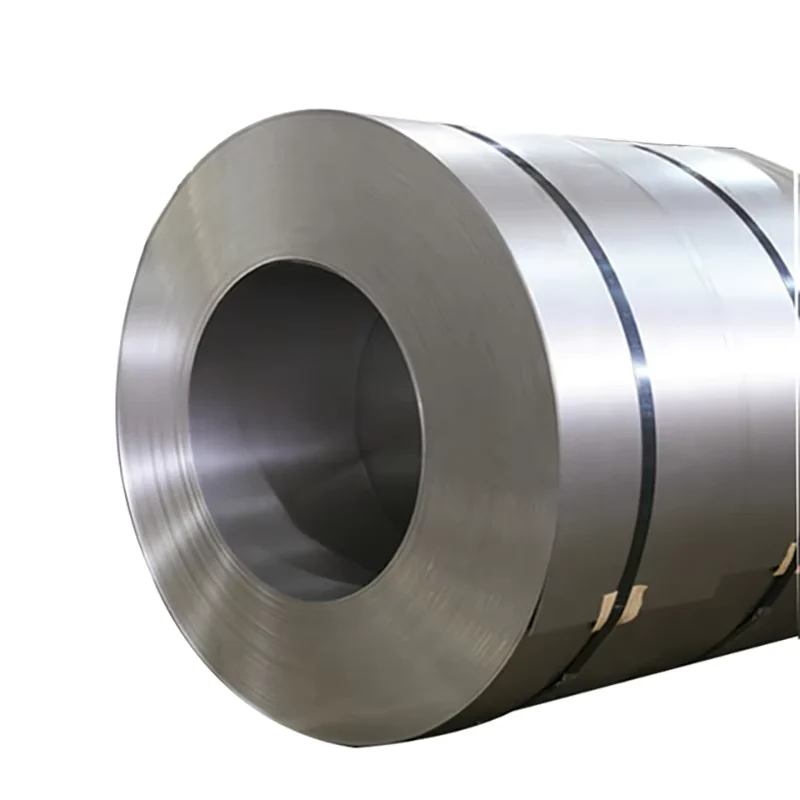
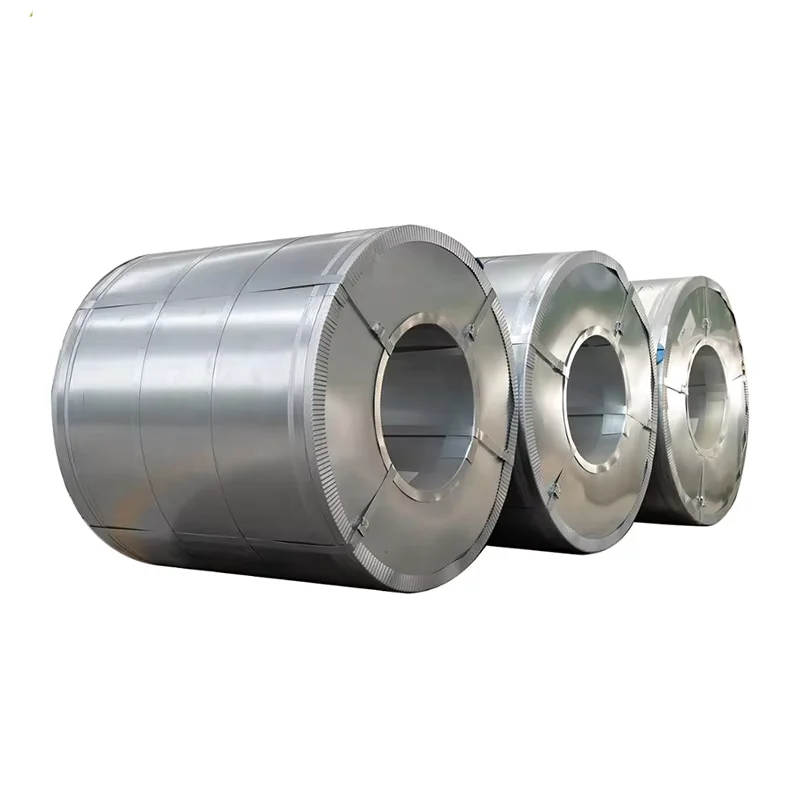
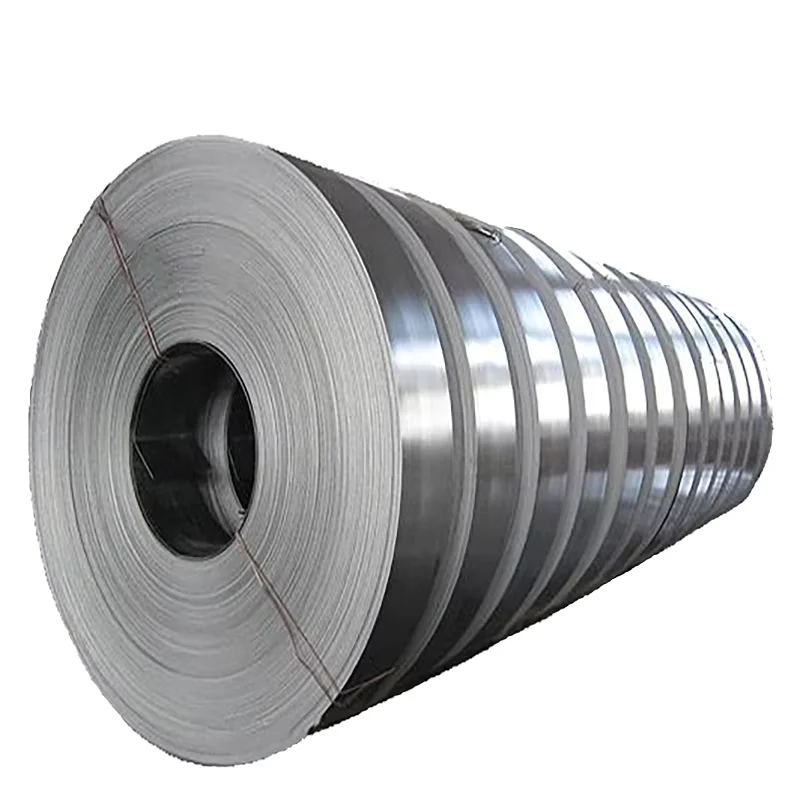
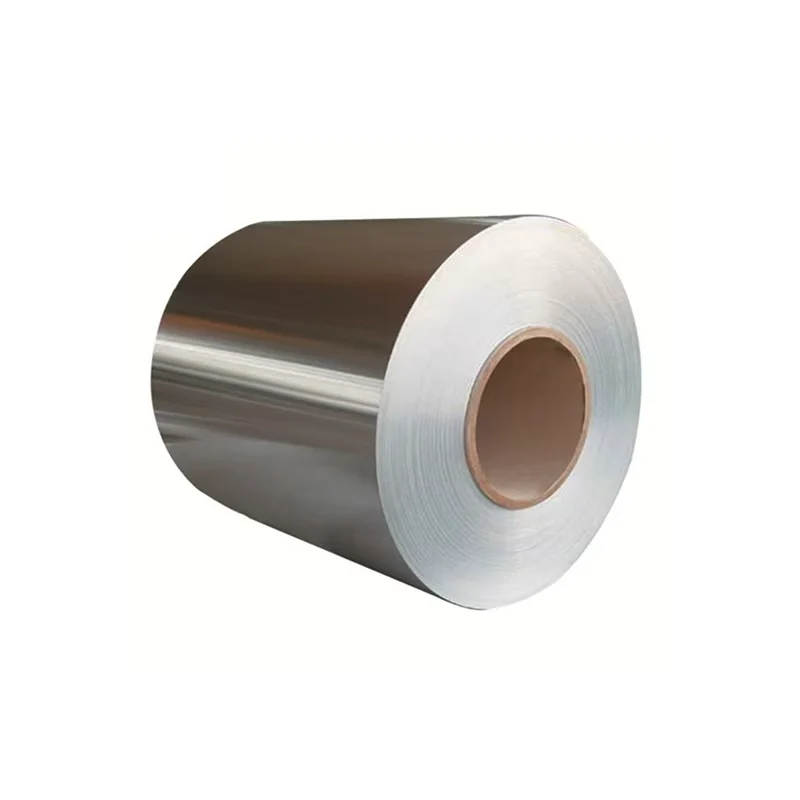
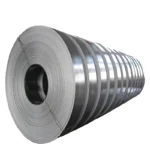
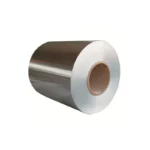
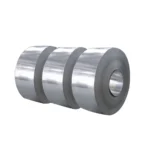
Description
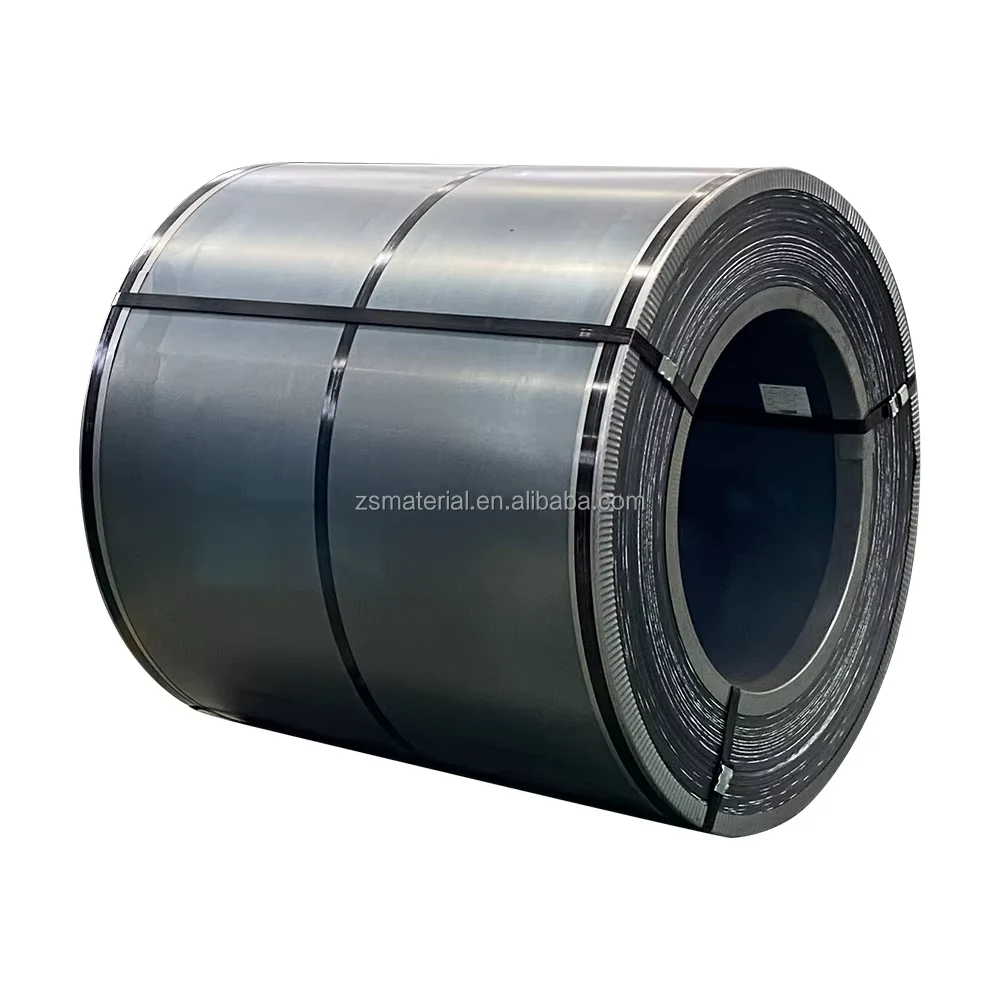
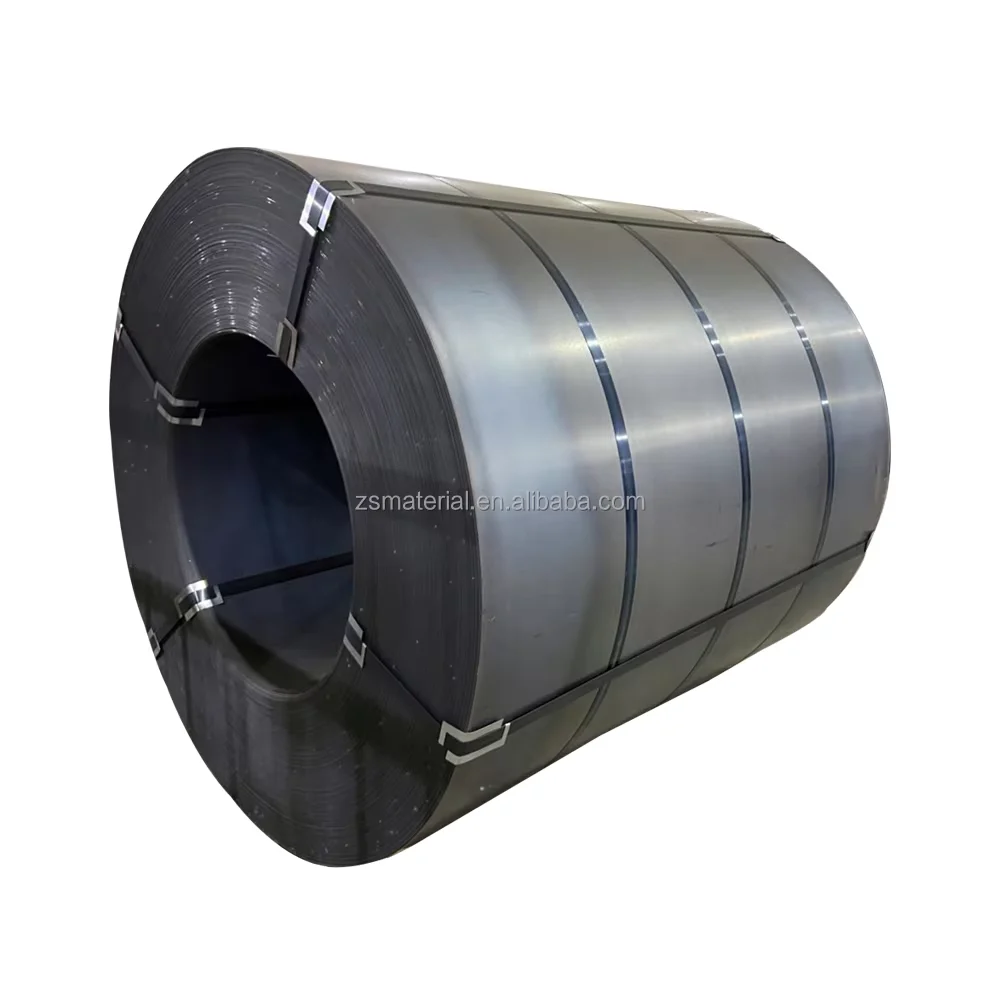
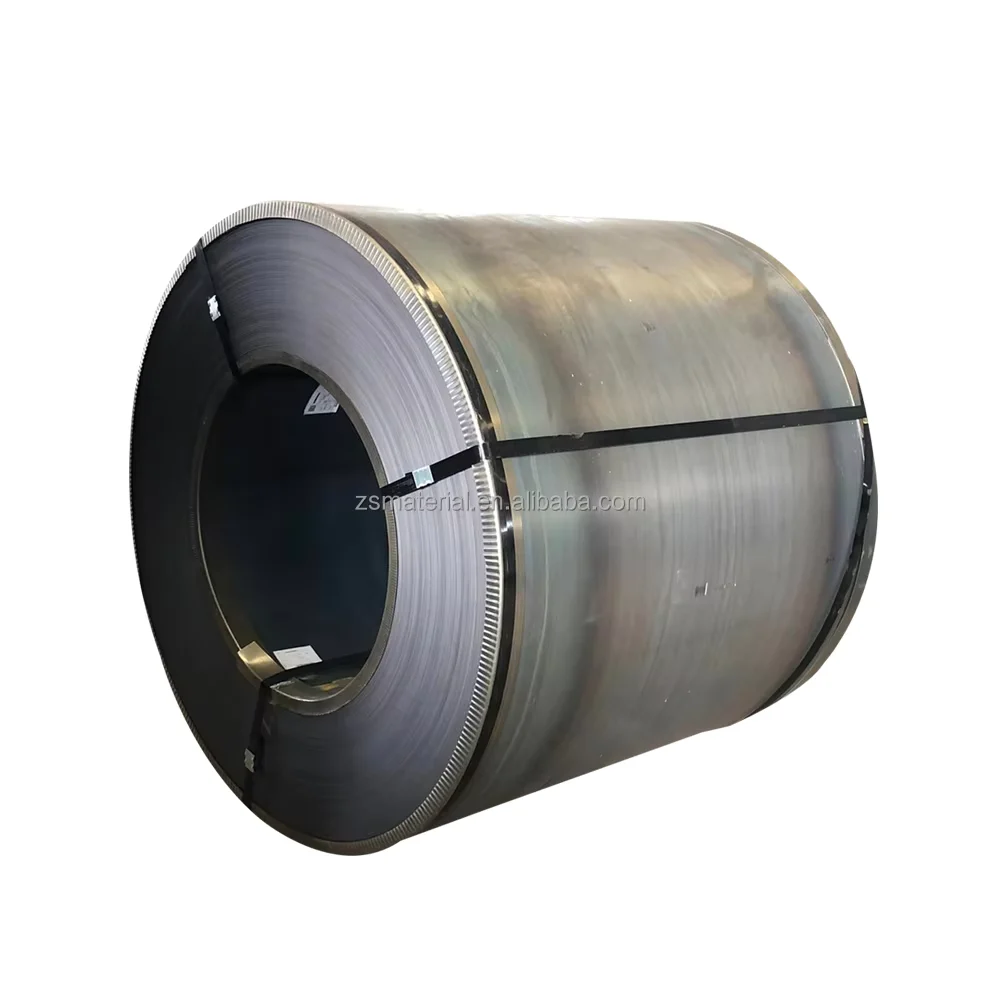
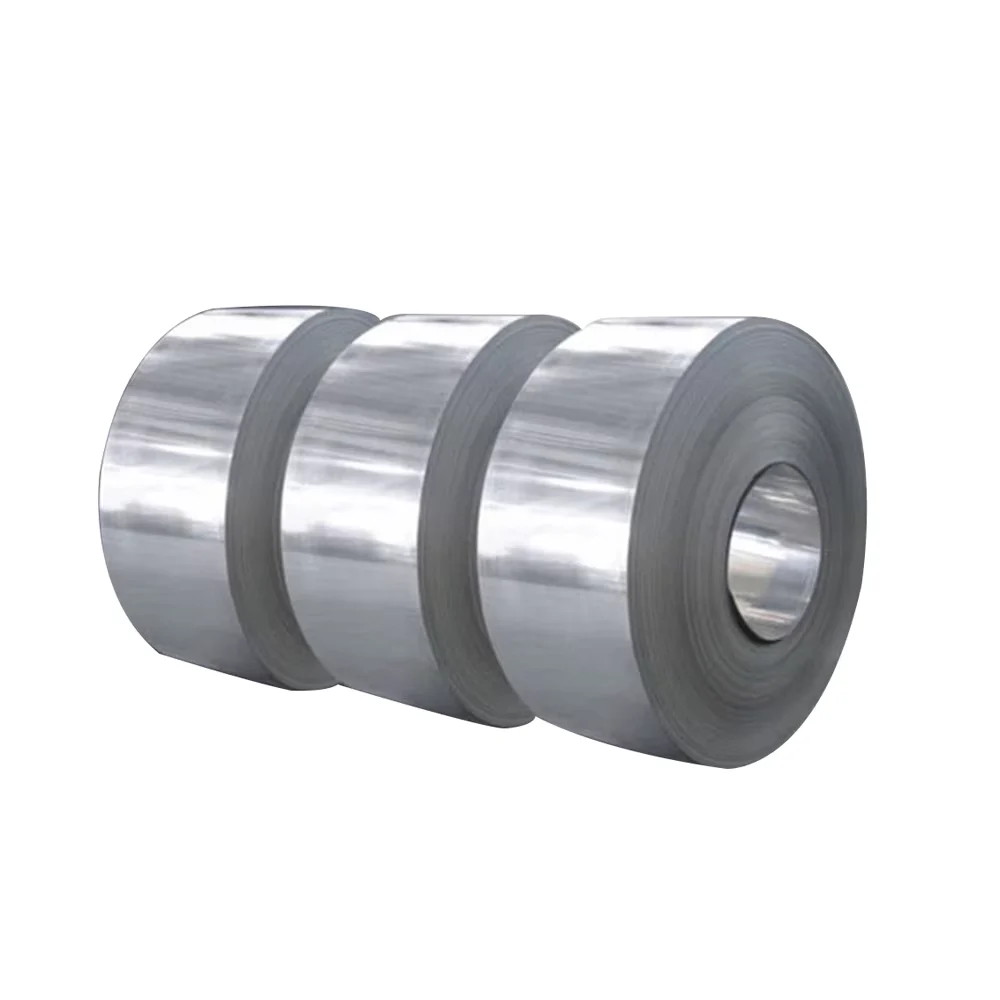
Factory-direct stainless steel coil sourcing — 3 production lines running simultaneously with 2,800+ specifications in ready stock, enabling bulk fulfillment of 304, 316, and 430 series coils without middlemen markup.
Technical Specifications
| Parameter | Value |
|---|---|
| Designation | 304 316 430 Series Stainless Steel Coil |
| Product Type | Steel Coil |
| Steel Grade | 304, 316, 430, 440C, 416, 439, 309S, 201, 321H, 310S, 321 |
| Width | 1000mm, 1219mm, 1500mm |
| Thickness | 0.2mm–3mm |
| Surface Treatment | No.1, 2B, BA, Polish |
| Application | Fabrication / Industrial equipment / Architectural cladding / Kitchenware / Chemical processing |
| Origin | Shandong, China |
Application Suitability
| Industry | Typical Applications |
|---|---|
| Chemical Processing | Reaction vessels, storage tanks, piping systems requiring 316 corrosion resistance |
| Food & Beverage | Kitchen equipment, processing machinery, sanitary surface components |
| Architecture & Construction | Interior wall cladding, elevator panels, decorative ceiling systems with BA or Polish finish |
| Industrial Fabrication | Heat exchangers, furnace components, pressure vessel shells using 321H or 310S high-temperature grades |
| General Manufacturing | Kitchenware production, hardware stamping, appliance housings with 201 or 430 economy grades |
Thickness Tolerance Determines Whether Your Stamping Line Runs or Stops
A coil that looks perfect on the surface can still scrap an entire production run if the thickness drifts beyond negative tolerance.
I have seen 316L cold-rolled coils with a flawless BA polish get rejected at the destination port because the actual thickness fell outside acceptable negative tolerance — the stamped parts cracked during forming, and the entire container was returned. Global buyers sourcing stainless steel coil frequently encounter quality uncertainty: unclear grade traceability, missing mill certificates, and inconsistent surface finishes that pass visual inspection but fail under processing. These gaps lead to customs delays, project rejections, and production line shutdowns that cost far more than the price difference between suppliers. [NEED_CITE: stainless steel coil thickness tolerance standards for cold-rolled products]
Matching Coil Specifications to Engineering Environments
Selecting the correct stainless steel coil grade and surface finish directly determines whether the material survives its intended service environment. For chemical processing plants handling chloride-bearing solutions, 316 grade with its molybdenum content provides pitting resistance that 304 simply cannot match. Architectural cladding projects demand BA or mirror-polish finishes for consistent reflectivity across large facade areas — and the 1500mm width option minimizes visible weld seams on site. Our production lines run austenitic, ferritic, and martensitic series simultaneously, so a single buyer sourcing both 304 for structural frames and 430 for decorative trim receives consolidated container loading with unified documentation.
Engineering Compliance and Certification Requirements
Stainless steel coil used in pressure-containing applications or structural load-bearing components must comply with recognized material standards, and the documentation must travel with the cargo. European projects require CE marking under applicable EN standards, while North American procurement teams expect ASTM grade equivalency clearly stated on the mill test certificate. Surface finish selection also carries compliance weight: No.1 hot-rolled annealed finish suits industrial furnace linings where appearance is irrelevant, while 2B cold-rolled matte finish meets food-grade surface requirements for processing equipment. Third-party inspection by SGS or BV provides independent verification that the chemical composition and mechanical properties match the stated grade — a requirement increasingly demanded by EPC contractors before material acceptance. [NEED_CITE: stainless steel grade equivalence tables between ASTM and EN standards]
Understanding Grade Families and Surface Finish Selection
The 300-series austenitic grades — 304, 316, 321, 310S — offer the broadest combination of formability, weldability, and corrosion resistance, making them the default choice for most fabrication and chemical processing applications. The 400-series ferritic and martensitic grades — 430, 439, 416, 440C — provide lower nickel content and reduced cost, with 430 serving as the standard decorative grade and 440C delivering the hardness required for cutting tools and bearing components. The 200-series alternative, represented here by 201, reduces nickel dependency through manganese and nitrogen substitution, suitable for indoor decorative applications where extreme corrosion resistance is unnecessary. Surface finish progression from No.1 through 2B to BA and finally to mirror polish reflects increasing processing steps and cost, with each finish serving distinct functional and aesthetic requirements — from industrial annealed surfaces to architectural mirror panels.
Hidden Costs of Procuring the Wrong Grade or Finish
Specifying 201 grade for an outdoor coastal architectural project instead of 316 guarantees premature surface staining and client complaints within months. Ordering 2B finish when the design calls for BA creates visible color variation across installed panels, forcing partial replacement at multiples of the original material cost. Missing or incomplete mill test certificates trigger customs holds at destination ports, generating demurrage charges that erase any per-ton savings achieved during negotiation. Material traceability gaps — no heat number linking the coil to its production batch — prevent proper certification for pressure vessel or food-contact applications, rendering the entire shipment unusable for its intended purpose. [NEED_CITE: consequences of incorrect stainless steel grade selection in corrosive environments]
Why Bulk Buyers Choose Our Stainless Steel Coil Supply
Our Jinan facility operates three dedicated production lines covering the full austenitic, ferritic, and martensitic stainless steel coil range, with monthly capacity exceeding 20,000 tons across all product categories. Every coil leaves our warehouse with an original mill test certificate documenting chemical composition and mechanical properties, and we welcome SGS or BV third-party inspection at any stage before shipment. Standard widths of 1000mm, 1219mm, and 1500mm in thicknesses from 0.2mm to 3mm maintain ready stock for urgent orders, while custom slit widths and specific surface finish requirements move through our production schedule within typical lead times. We consolidate multi-grade and multi-finish orders into single containers, optimizing loading plans to reduce freight cost per ton for buyers purchasing both 304 industrial coil and 430 decorative material in the same shipment. Volume-based discount programs apply automatically for long-term partners with recurring procurement needs, and our export team handles complete documentation, customs clearance coordination, and container loading optimization from inquiry through delivery.
Documentation & Compliance
- Original mill test certificate documenting 304, 316, or 430 chemical composition including carbon, chromium, nickel, and molybdenum content per applicable grade standard
- ISO 9001:2015 quality management certificate covering the full stainless steel coil production process from raw material incoming inspection through final surface treatment
- Lloyd’s CE certification for stainless steel coil products meeting European market compliance requirements under applicable EN standards
- SGS or BV third-party inspection report available upon request, providing independent verification of thickness tolerance, surface finish quality, and grade conformity
- Full material traceability by heat number linking each coil to its production batch, melt record, and test results
- Complete customs documentation package including commercial invoice, packing list, bill of lading, and certificate of origin for smooth destination port clearance
Packaging, Loading & Delivery
- Stainless steel coils packed in seaworthy export packaging with steel strip binding and moisture-resistant wrapping to protect 2B, BA, and Polish surface finishes during ocean transit
- Surface protection applied according to finish type: PE film coverage for BA and mirror-polish coils to prevent scratching, while No.1 and 2B finish coils receive anti-rust oil treatment for corrosion prevention
- Container loading optimization combining multiple coil widths and thickness specifications into single shipments, maximizing payload per container for buyers ordering mixed 304 and 316 grades
- Custom slit width processing available for 1000mm, 1219mm, and 1500mm master coils, reducing on-site cutting waste for architectural cladding and kitchenware fabrication projects
- Each coil clearly marked with heat number, steel grade designation, thickness, width, and surface finish code for immediate identification at destination warehouse
- Flexible shipping terms including FOB, CIF, and door-to-door delivery options with professional export team managing logistics coordination and real-time shipment tracking
Starting Your Stainless Steel Coil Procurement
Submit your specification requirements including steel grade, thickness, width, surface finish, and destination port to receive a competitive bulk quotation with volume discount pricing and complete mill test certificate documentation. Our team responds to inquiries within hours, providing clear pricing for both ready-stock standard specifications and custom production orders, along with guidance on container loading optimization and certification requirements for your target market.
Request Your Stainless Steel Coil Quotation Today
Send your specifications via email or WhatsApp to receive factory-direct pricing, mill test certificates, and third-party inspection options for your next stainless steel coil order.
Company: Shandong Xin Jiyuan Special Steel Tube Co., Ltd
Website: www.sdxinjiyuan.com
Tel: +86 531 8573 6315
Mobile/WhatsApp/WeChat: +86 188 5315 7756
Email: admin@sdxinjiyuan.com
Frequently Asked Questions
Q: What is the difference between 304 and 316 stainless steel coil for chemical processing applications?
A: 316 stainless steel coil contains molybdenum addition that provides superior resistance to pitting corrosion in chloride-bearing environments, making it the preferred choice for chemical processing equipment, marine applications, and pharmaceutical manufacturing where 304 grade would suffer premature corrosion attack.
Q: Which surface finish should I select for architectural cladding projects?
A: BA (bright annealed) finish provides consistent reflectivity and smooth surface appearance ideal for interior elevator panels and wall cladding, while mirror polish finish delivers the highest aesthetic quality for feature walls and decorative ceiling systems where visual impact is the primary requirement.
Q: Can you provide third-party inspection for stainless steel coil shipments?
A: Yes, SGS and BV third-party inspection services are available upon request, providing independent verification of chemical composition, thickness tolerance, surface finish quality, and mechanical properties before shipment departure from our facility.
Q: What width and thickness ranges are available in ready stock?
A: We maintain ready stock in standard widths of 1000mm, 1219mm, and 1500mm with thickness range from 0.2mm to 3mm across 304, 316, and 430 series grades in No.1, 2B, BA, and Polish surface finishes, supporting urgent fulfillment of bulk orders.
Q: Do you offer custom slit widths for specific project requirements?
A: Custom slit width processing is available from our master coils in 1000mm, 1219mm, and 1500mm widths, allowing buyers to specify exact dimensions needed for their fabrication processes and reduce on-site cutting waste while maintaining competitive pricing through consolidated container loading.