Direct Manufacturer Purchase vs Multi-Brand Distributor: Steel Buyer Analysis
Deciding between Direct Manufacturer vs Distributor Steel sourcing impacts project costs and compliance. Factory-direct buying ensures EN10219 traceability and eliminates markups for large orders, whi...
Direct Manufacturer Purchase vs Multi-Brand Distributor: Steel Buyer Analysis
Most buyers assume distributors are faster for standard items, but factories with dedicated export lines often match delivery speed while offering superior traceability.
For large-scale infrastructure projects requiring strict EN10219 compliance and custom cuts, buying structural steel direct from factory sources eliminates distributor markups and ensures mill test certificate integrity. For small, mixed-batch urgent repairs, multi-brand distributors offer logistical convenience despite higher unit costs and limited technical verification.
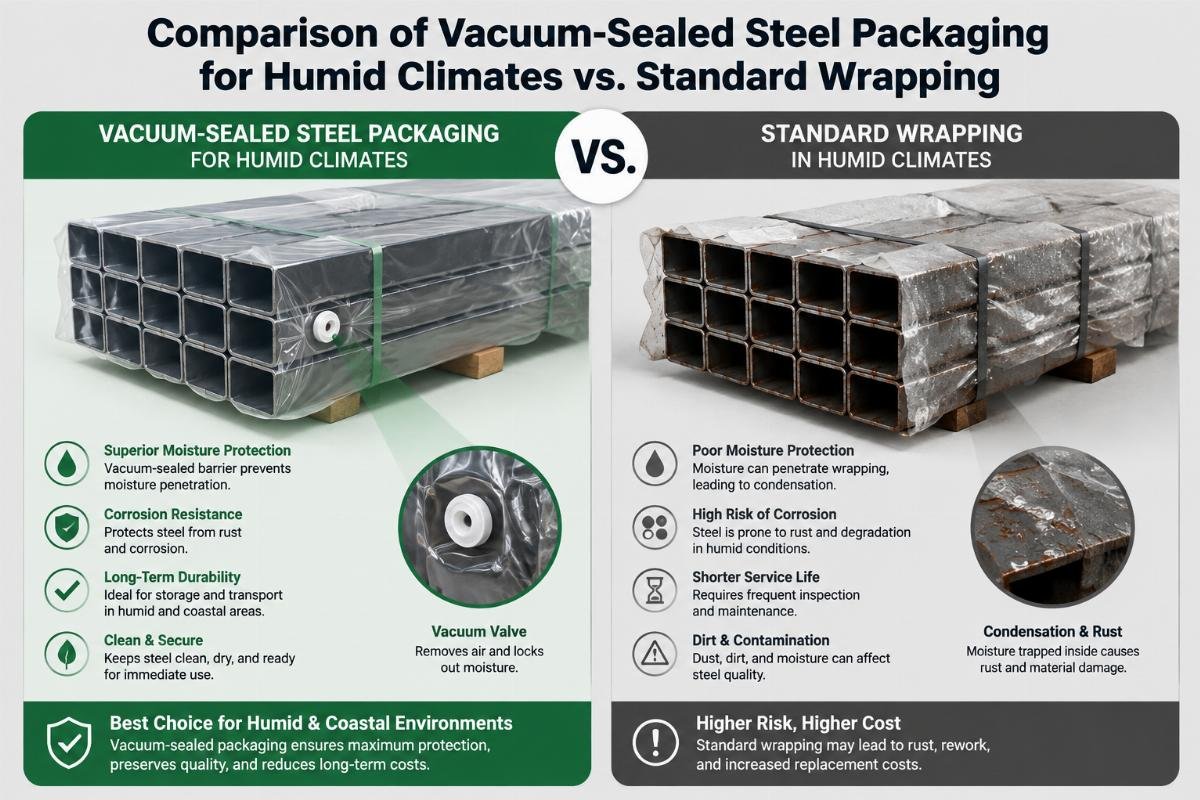
I still remember the humidity hitting my face when I stepped off the plane in Jeddah. It was not just the heat; it was the moisture that clings to everything. A few years ago, I stood on a dusty construction site watching a foreman unwrap a bundle of H-beams. The steel underneath was covered in white rust. The client was furious, threatening to reject the entire container. The galvanizing layer had been perfect when it left the production line in Jinan, but the packaging was generic, designed for domestic transport, not the humid maritime journey to the Middle East. That incident changed how I view every shipment. It is not just about the steel grade; it is about how it survives the journey. This experience highlights why understanding the difference between a Direct Manufacturer vs Distributor Steel sourcing strategy is critical for project success.
The choice is not merely about price per ton. It is about risk management, certification validity, and total landed cost. When you source from a factory, you control the process from the molten stage to the shipping container. When you use a distributor, you buy convenience, but you inherit their supply chain opacity.
What Are the Key Cost Differences Between Factory-Direct and Distributor Sourcing?
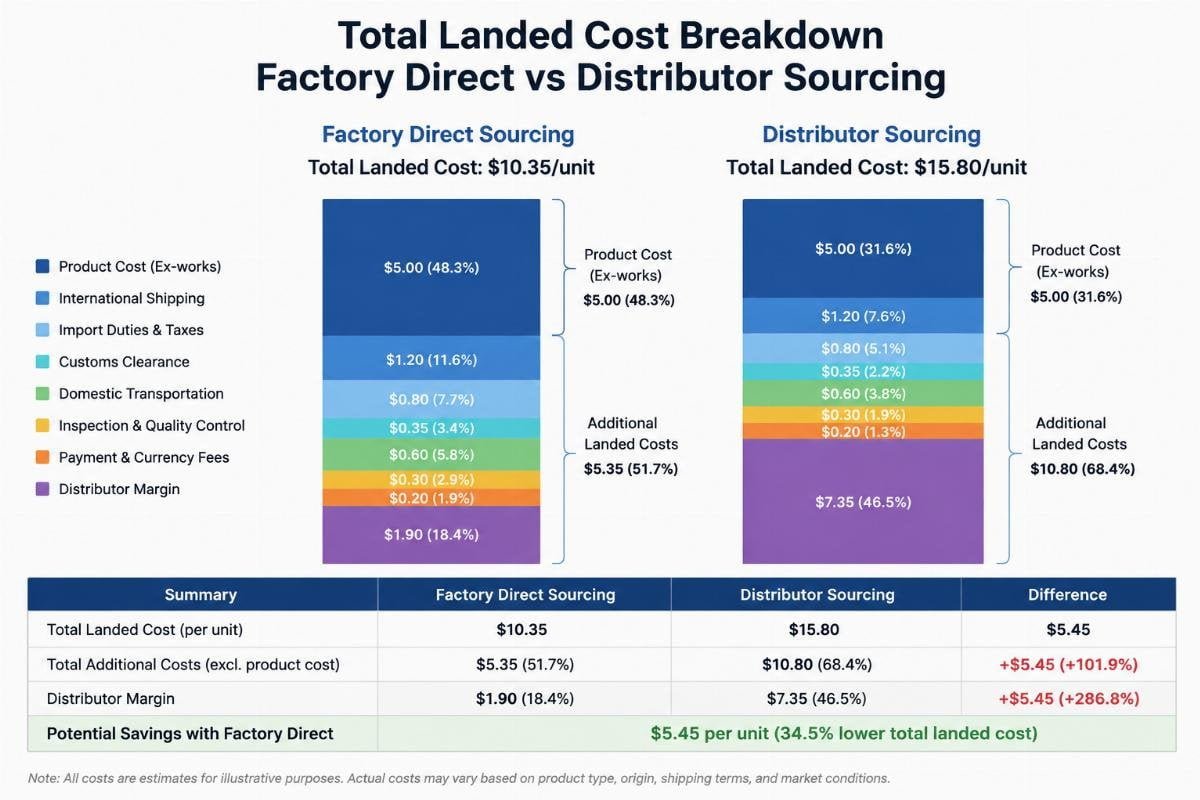
The sticker price from a distributor often looks competitive until you calculate the hidden margins added for consolidation and handling.
Many procurement managers focus solely on the FOB price. However, the true cost structure differs significantly between channels. A manufacturer’s pricing is transparent, based on raw material indices, processing costs, and a fixed margin. A distributor’s price includes their own procurement cost, warehousing fees, profit margin, and the cost of holding inventory. [NEED_CITE: typical supply chain markup structures in industrial steel distribution]
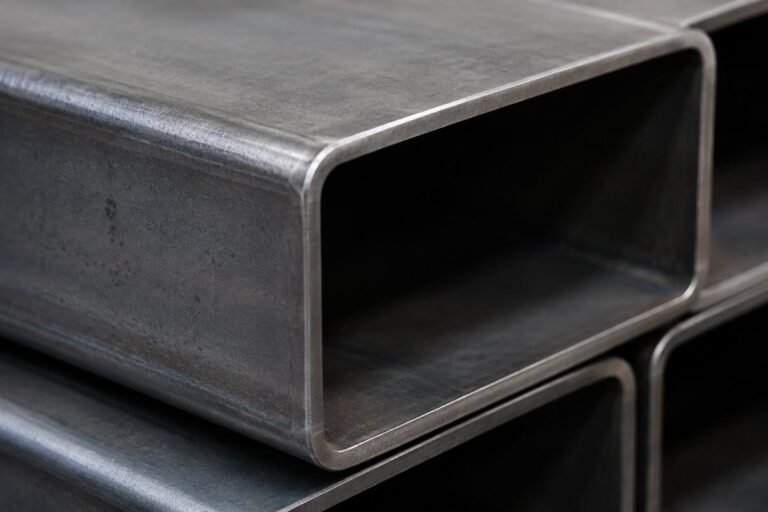
When analyzing buy structural steel direct from factory, the savings become evident in full-container loads. For a warehouse project in Dubai, consolidating a full 40-foot container of square hollow sections directly from the production facility removes the middleman’s fee. In contrast, a distributor might charge a premium for the service of mixing different grades in one shipment. While this is useful for small orders, it becomes expensive at scale.
Cost Component
Direct Manufacturer
Multi-Brand Distributor
Unit Price Basis
Raw Material + Processing + Margin
Procurement Cost + Warehousing + Margin
MOQ Flexibility
High for standard items, negotiable for custom
Low, ideal for small batches
Hidden Fees
Minimal, mostly port handling
Consolidation fees, internal handling charges
Price Transparency
High, linked to market indices
Low, bundled services obscure unit cost
Bulk Discount
Significant for FCL shipments
Limited, as they also buy from factories
A recent steel supplier comparison Middle East revealed that for orders exceeding twenty tons, the factory-direct route reduced the total landed cost noticeably. The distributor’s value lies in breaking bulk, not in volume efficiency. If your project requires hundreds of tons of consistent grade S355JR steel, the distributor’s markup erodes your budget without adding technical value.
How Does Quality Control Differ for Structural Steel Components?
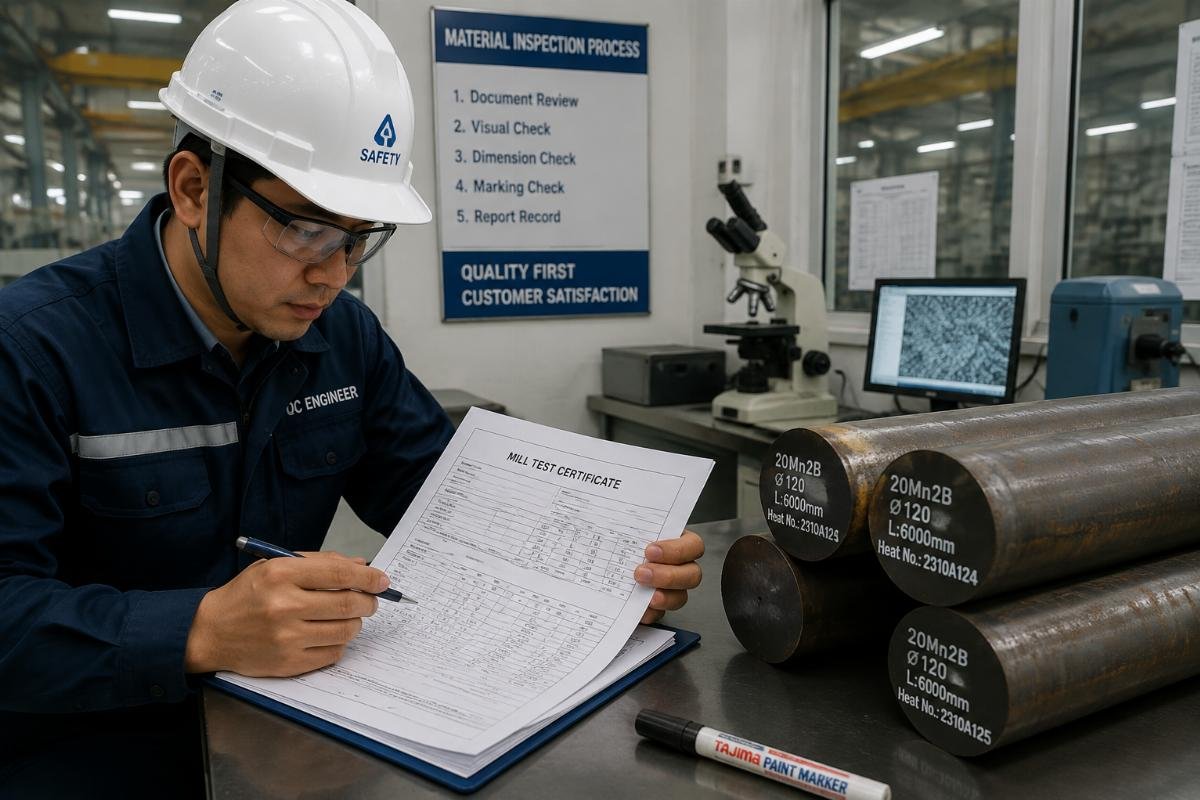
Direct access to in-house laboratories allows for real-time verification of chemical composition and mechanical properties, whereas distributors rely on third-party paperwork that may lack traceability.
Quality is not just about the final product; it is about the paper trail. In structural steel, the Mill Test Certificate (MTC) is the passport of the material. It must trace back to the specific heat number of the batch. When you work with a manufacturer like Xin Jiyuan, the MTC is generated from their own in-house laboratory data. You can verify the yield strength and tensile strength against the EN10219 standard directly. [NEED_CITE: importance of heat number traceability in structural steel compliance]
Distributors often aggregate stock from various mills. Their MTCs might be copies or summaries that do not provide the same level of granular detail. For critical applications like bridge frameworks or high-rise buildings, this lack of direct traceability is a liability. I have seen cases where a distributor provided a certificate that matched the general order but not the specific bundle delivered, leading to inspection failures at the destination port.
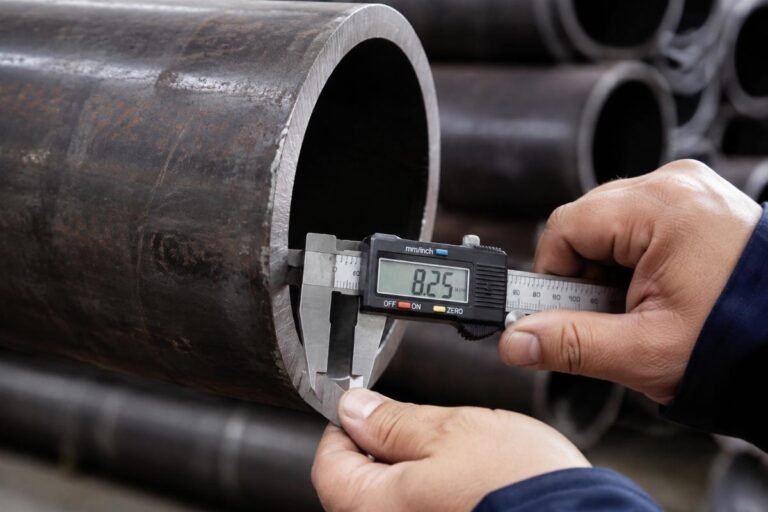
Manufacturers with Xin Jiyuan factory direct pricing models typically integrate quality control into the production line. Non-destructive testing, dimensional checks, and surface treatment inspections happen before the steel leaves the facility. This reduces the risk of receiving non-compliant material. For example, if you need custom-cut H-beams with precise tolerances, the factory can adjust the cutting parameters in real-time. A distributor can only sell what is already in stock, which may have minor dimensional variances acceptable for general use but not for precision fabrication.
Which Option Offers Better Logistics Support for Overseas Projects?
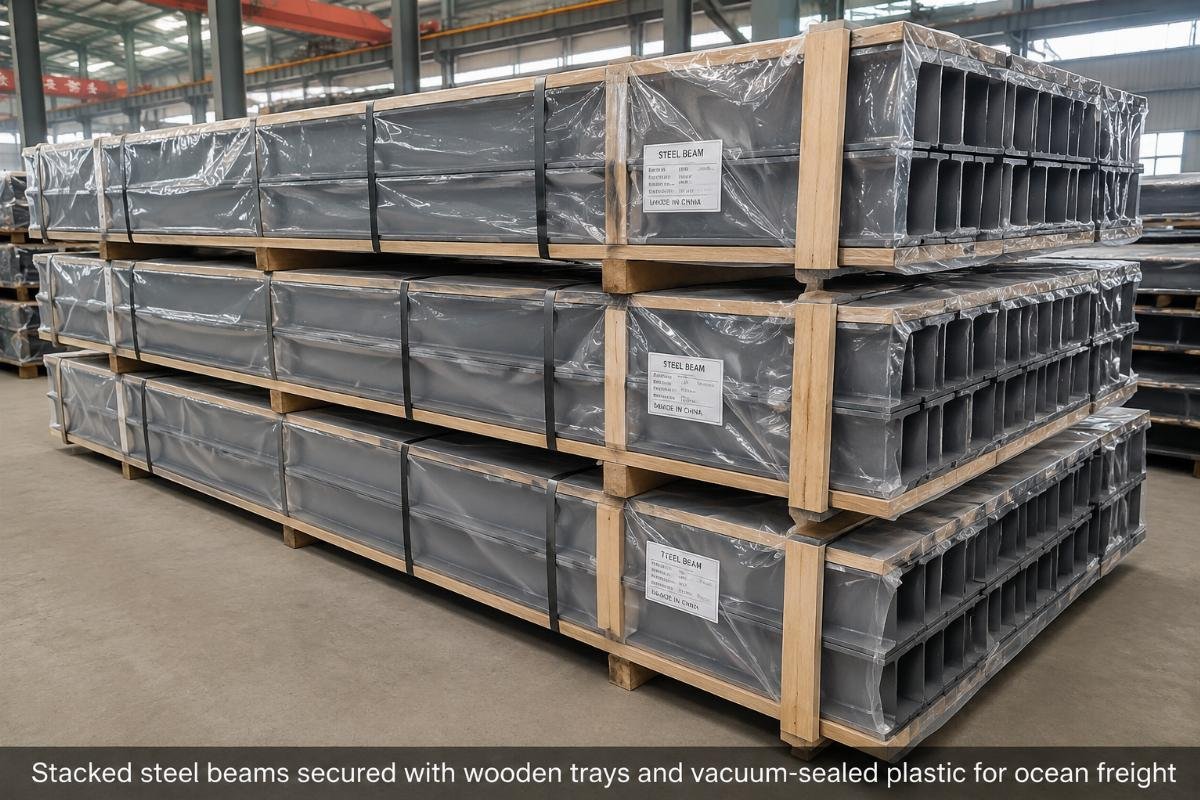
Factories specializing in export develop customized packaging solutions for specific climatic challenges, while distributors often use generic handling methods that fail in humid environments.
Logistics is where the theoretical savings of factory-direct sourcing can be lost if not managed correctly. As mentioned in the opening anecdote, standard packaging is insufficient for sea freight to tropical regions. Manufacturers who regularly export to the Middle East and Africa understand these risks. They invest in vacuum sealing, tray packing, and enhanced desiccants to prevent white rust during transit. [NEED_CITE: best practices for preventing corrosion in steel during maritime transport]
A distributor’s primary expertise is local or regional distribution. Their packaging is often designed for short-haul trucking or domestic warehousing. When they export, they may not apply the same level of protective measures unless specifically requested and paid for. This adds another layer of complexity and cost. By dealing directly with the manufacturer, you can specify packaging requirements at the production stage. For instance, requesting shot blasting and immediate painting before packing ensures the steel arrives ready for installation, reducing on-site labor costs.
Furthermore, factories with multiple production lines can optimize loading sequences. They can arrange the steel in the container to maximize space and minimize movement damage. Distributors, consolidating goods from different sources, may not have the same control over loading efficiency, leading to higher freight costs per ton due to poor space utilization.
When Should You Choose a Distributor Over a Manufacturer?
Distributors are the optimal choice for urgent, small-volume orders requiring mixed grades or immediate availability from local stock.
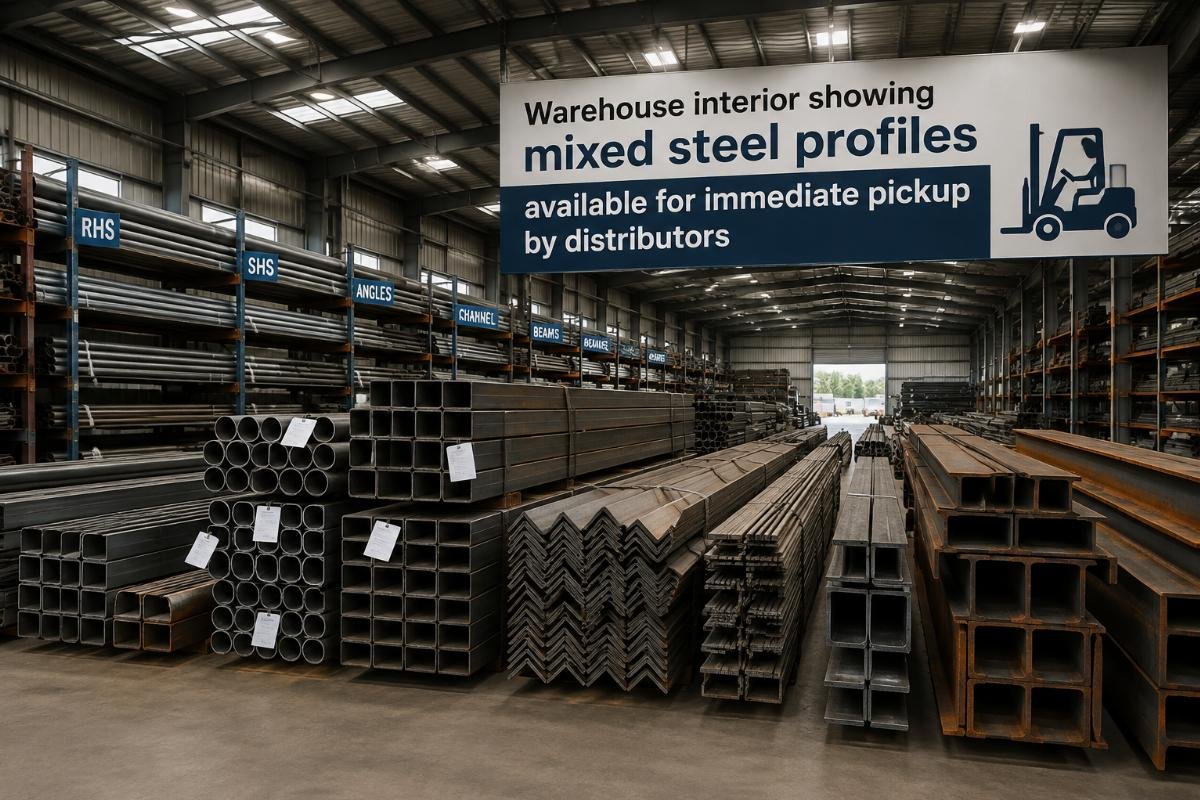
There is a clear scenario where the distributor wins: urgency and variety. If a construction site in Riyadh needs five tons of angle steel and two tons of rebar to fix an unexpected design change, waiting for a factory production run and sea freight is not feasible. A local or regional distributor can deliver this mix within days. They hold inventory of various grades and sizes, providing a buffer against supply chain disruptions.
However, this convenience comes at a price. The unit cost will be higher, and the technical support will be limited. Distributors are sales entities, not engineering partners. They cannot advise on custom modifications or non-standard specifications. If your project involves complex structural elements requiring precise machining or specific surface treatments, a distributor cannot meet these needs. They can only supply off-the-shelf products.
For projects with tight deadlines and low volume, the Direct Manufacturer vs Distributor Steel decision leans towards the distributor. But for planned, large-scale developments, the factory offers better control, cost efficiency, and technical assurance. The key is to align your sourcing strategy with your project phase. Use distributors for emergency top-ups and manufacturers for the core structural supply.
Conclusion
Choosing between a manufacturer and a distributor depends on your project’s scale, timeline, and technical requirements.
For large, complex projects requiring strict compliance and cost efficiency, direct manufacturing provides superior value through transparency and customization. For small, urgent needs, distributors offer necessary flexibility. Understanding these distinctions ensures you mitigate risk and optimize your budget. Always verify the source of your MTCs and consider the total landed cost, not just the FOB price.
Editor covering global sourcing, supplier verification, and industrial product knowledge. Content is compiled from manufacturer specifications, industry standards, and hands-on experience with international B2B buyers. Every article is fact-checked before publishing to help procurement professionals make informed decisions.


Discussion
0 Comments