Custom-Cut Steel Purchase: EN10219/10 Wholesale Supplier for International Fabrication Shops
The biggest risk in custom steel sourcing is not dimensional error, but documentation mismatch.
For international fabrication shops, the primary value of a Custom-Cut Structural Steel EN10219 order lies in the seamless alignment of mill certificates with regulatory standards to ensure immediate production readiness and smooth customs clearance. Sourcing non-standard sizes requires more than just sawing capability; it demands a supplier who understands that missing specific impact test data or traceability codes can halt a project at the port, regardless of physical quality.
I still remember the silence on the phone line when a client in Gdynia told me his shipment was stuck. It was a batch of square hollow sections intended for a multi-level car park framework. The steel itself was perfect—straight, clean, and cut to precise lengths. But the Mill Test Certificate (MTC) referenced an older version of the standard, lacking the specific clause required by local EU inspectors for S355J2 grade verification. The cargo sat in the terminal for weeks. The demurrage charges eventually exceeded the savings we had achieved through optimized cutting. That incident shifted my entire approach from merely selling steel to managing the technical and logistical integrity of every Custom-Cut Structural Steel EN10219 consignment.
This experience highlights a critical gap in the global supply chain. Many buyers focus exclusively on price per ton or cutting tolerance, overlooking the administrative backbone that allows steel to move across borders. When you order Custom-Cut Structural Steel EN10219, you are buying a certified component, not just raw material. The following guide breaks down how to verify compliance, optimize logistics, and avoid the hidden pitfalls that turn a cost-saving measure into a financial liability.
Why Standard Sizes Fail Custom Fabrication Projects?
Most fabricators assume that ordering standard stock lengths and cutting them in-house is the safest route. In reality, this often leads to higher total costs due to material waste and increased welding time. The core advantage of sourcing Custom-Cut Structural Steel EN10219 is the reduction of downstream processing steps. However, this benefit only materializes if the supplier possesses the technical capability to maintain structural integrity during the cutting process.
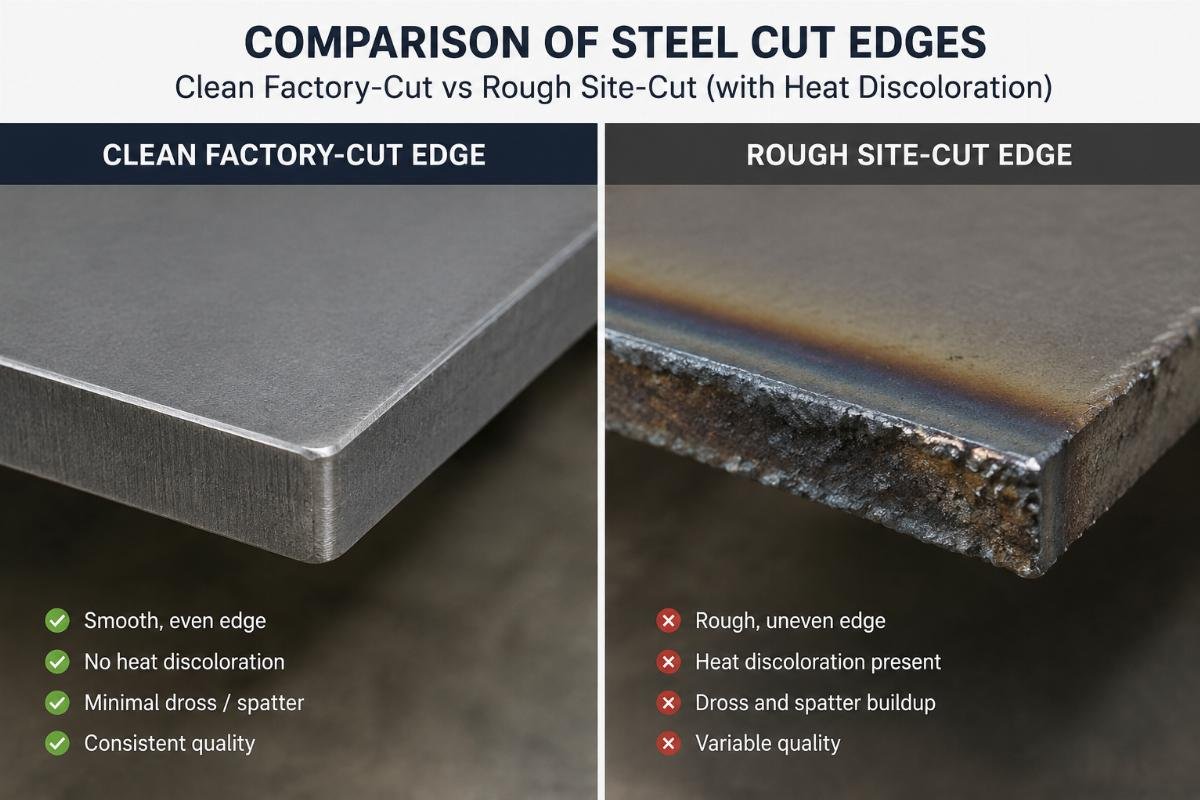
When steel is cut, especially via thermal methods, a Heat-Affected Zone (HAZ) is created. If not managed correctly, this zone can alter the mechanical properties of the steel near the edge, compromising its performance in load-bearing applications. A competent manufacturer uses cold-sawing or precision laser cutting with controlled parameters to minimize HAZ width, ensuring the material retains its certified yield strength and impact resistance. [NEED_CITE: effects of thermal cutting on structural steel mechanical properties]
Consider a recent project for a warehouse structure in the Middle East. The engineering design called for complex node connections that did not align with standard 6-meter or 12-meter stock lengths. By ordering Custom-Cut Structural Steel EN10219 pieces pre-sized to the exact fabrication requirements, the shop floor eliminated nearly all off-cut waste. More importantly, the fit-up time during assembly dropped noticeably because the edges were square and free from the deformation often seen in rough site-cutting.
Factor
Standard Stock Lengths
Custom-Cut Supply
Material Waste
High (significant off-cuts)
Noticeably reduced (optimized nesting)
On-site Labor
Extended (cutting & squaring)
Minimal (ready-to-weld)
Edge Quality
Variable (dependent on site tools)
Consistent (factory-controlled)
HAZ Risk
Uncontrolled (site conditions)
Controlled (certified process)
The table above illustrates why shifting to Custom-Cut Structural Steel EN10219 is a strategic move for efficiency. It transfers the burden of precision from the fabrication shop’s busy floor to the manufacturer’s controlled environment. This shift allows welders to focus on joinery quality rather than preparation, directly impacting the structural reliability of the final build.
How to Verify EN10219 Compliance in Custom Orders?
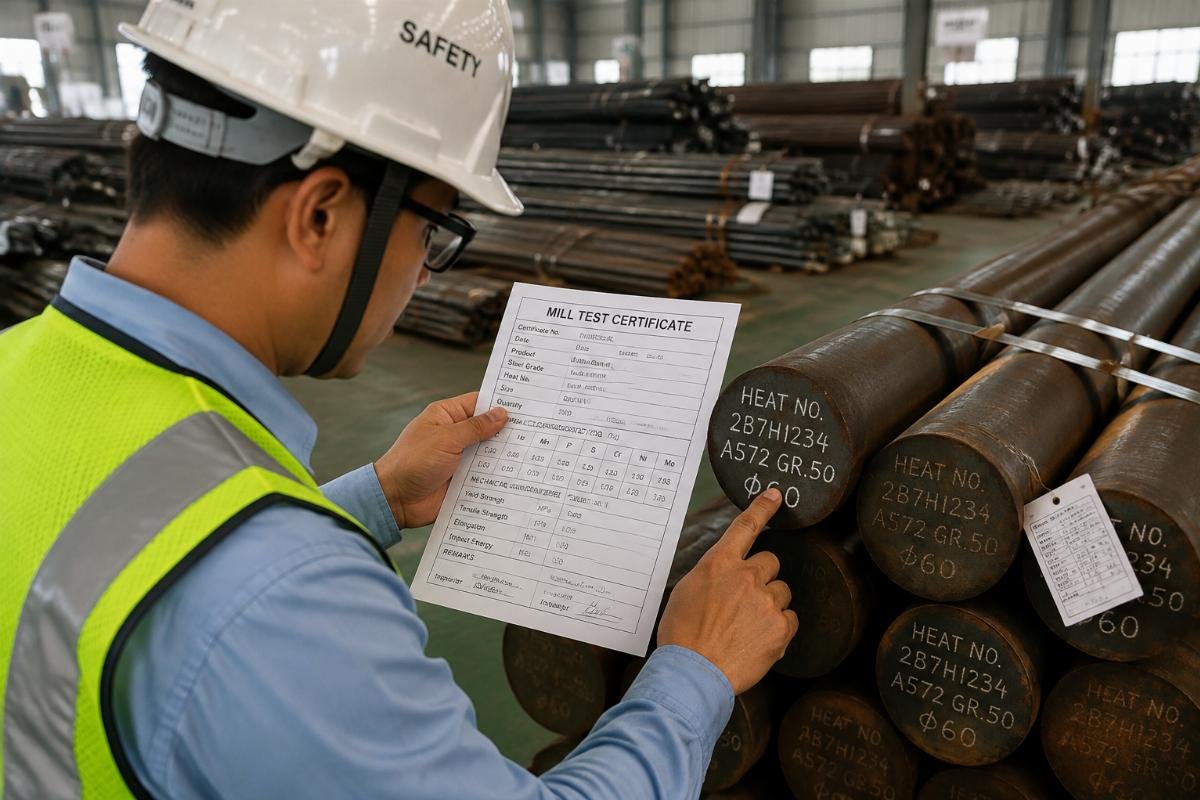
Verification is where many transactions fail. Buyers often request an MTC, receive a generic document, and assume compliance. For S355J2 grades, this is insufficient. The “J2” designation specifies a minimum impact energy value at minus 20 degrees Celsius. If the MTC does not explicitly list these impact test results for the specific batch, the certificate is effectively useless for critical structural applications in colder climates or dynamic load scenarios. [NEED_CITE: EN10219-1 mechanical property requirements for J2 grade]
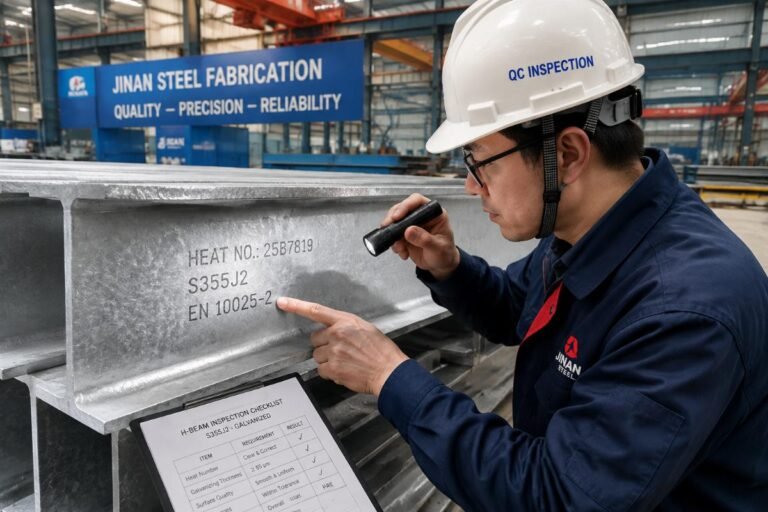
In my workflow, I check every certificate for three specific elements: the heat number traceability, the explicit mention of EN10219-1 or EN10219-2, and the actual impact test values. A common mistake is accepting a certificate that lists chemical composition but omits mechanical testing data for the transverse direction, which is crucial for welded hollow sections.
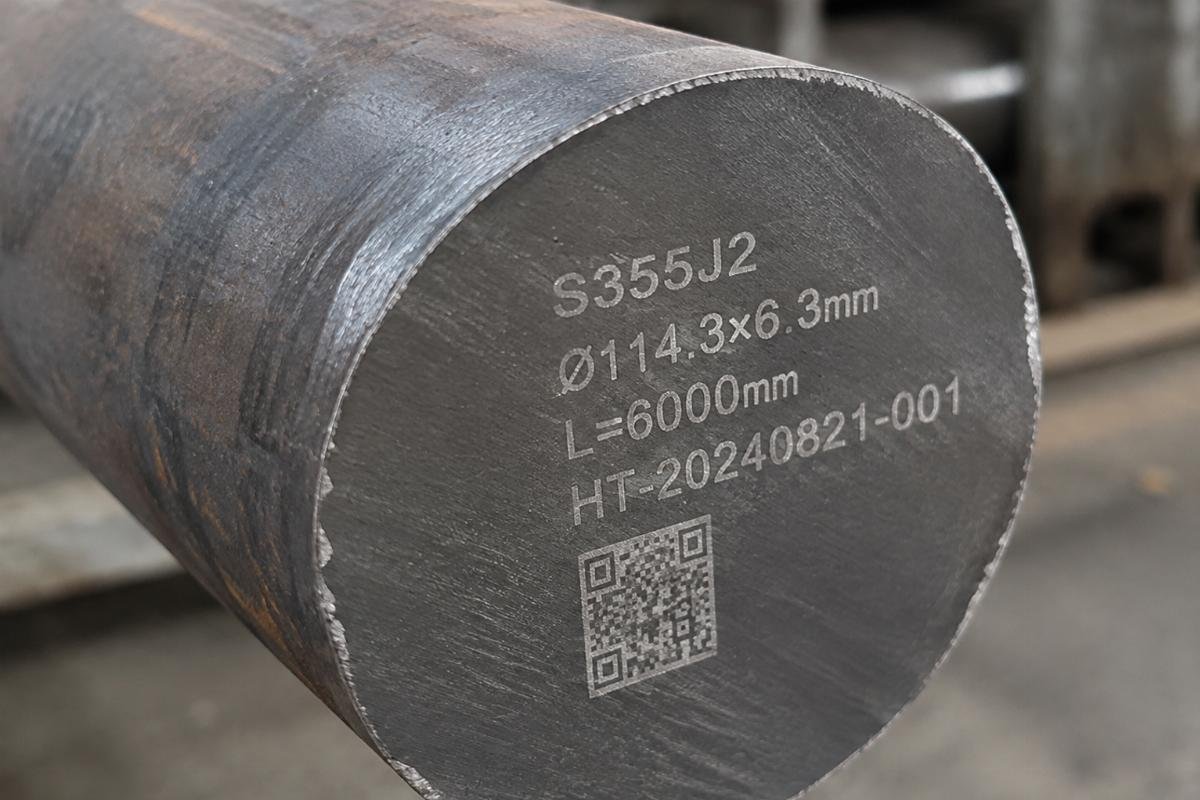
A European buyer once rejected a shipment because the MTC grouped multiple heats into one average value. While chemically accurate, this practice obscures the performance of individual batches. For Custom-Cut Structural Steel EN10219, each cut piece should be traceable back to its original coil or plate heat number. This traceability is usually marked physically on the steel or provided via a detailed packing list that links bundle numbers to specific MTC pages.
At our production facilities, we maintain an in-house laboratory to verify these parameters before any document is issued. This internal checkpoint ensures that when a customer requests Custom-Cut Structural Steel EN10219, the accompanying paperwork reflects the actual tested properties of the material, not just theoretical values from the mill. This level of scrutiny prevents the “certificate mismatch” issues that cause delays at customs and inspection sites.
What Documentation Prevents Customs Delays?
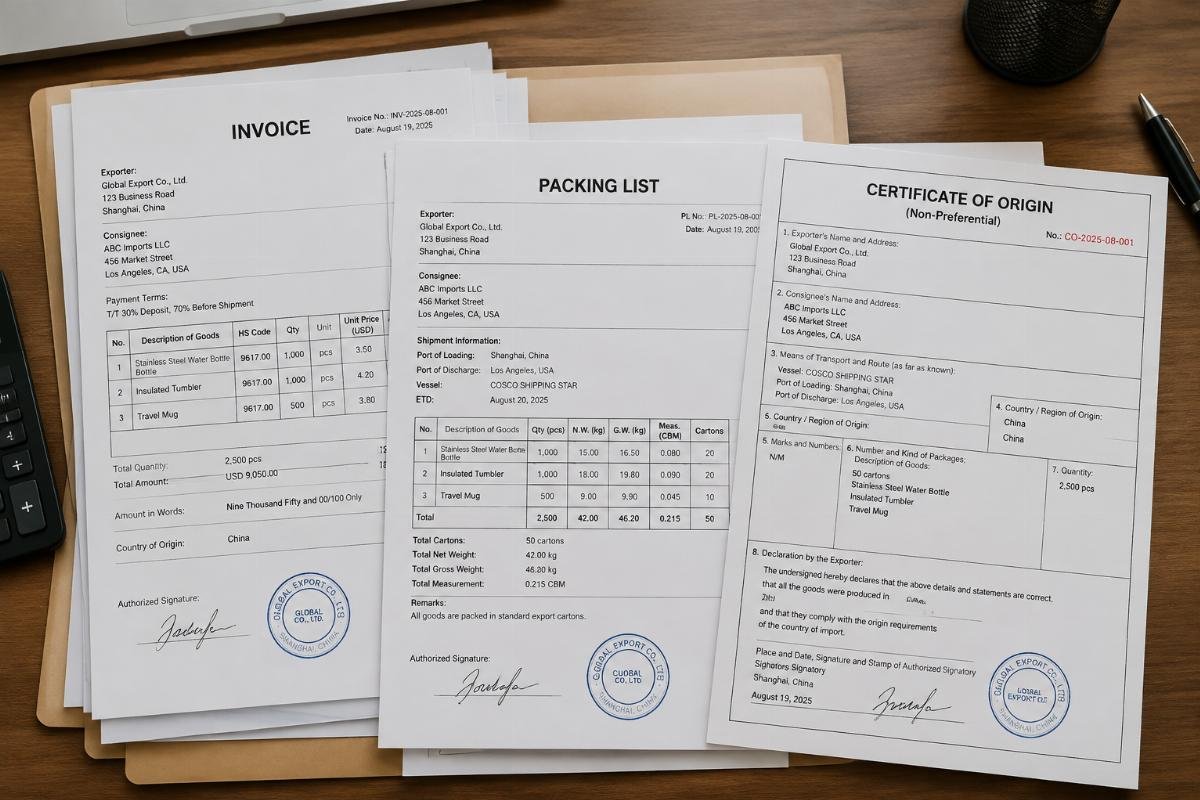
Customs officials do not inspect steel for yield strength; they inspect documents for consistency. The most frequent cause of detention is not missing papers, but conflicting descriptions. If the commercial invoice says “Steel Tubes,” the packing list says “Hollow Sections,” and the MTC says “Structural Steel,” you have created a discrepancy that triggers manual review. Manual reviews take time, and time costs money.
To prevent this, the description of goods must be identical across all documents. For Custom-Cut Structural Steel EN10219, the recommended description includes the standard number, the grade, and the product type. For example: “Cold-formed welded structural hollow sections, EN10219-1, S355J2.” This precise language leaves no room for interpretation by customs brokers.
Additionally, the country of origin (COO) certificate must match the manufacturer’s location exactly. In cases where steel is sourced from one mill and cut by another, the COO must reflect the substantial transformation rule. If the cutting process is deemed significant enough to change the tariff classification or origin, the documentation must support this claim. [NEED_CITE: rules of origin for processed steel products]
I recall a shipment to Southeast Asia where the packing list omitted the weight of the wooden dunnage used for stabilization. The gross weight on the bill of lading differed from the sum of the net weights plus packaging listed elsewhere. This minor arithmetic error flagged the container for a full physical inspection. The inspection revealed nothing wrong with the Custom-Cut Structural Steel EN10219, but the delay incurred storage fees and disrupted the installation schedule. Accurate, synchronized documentation is as critical as the steel itself.
Which Surface Treatments Survive Cutting & Transport?
Cutting steel exposes fresh metal edges that are highly susceptible to corrosion. If the original material was galvanized or painted, the cut edge is a vulnerability. For Custom-Cut Structural Steel EN10219, the surface treatment strategy must account for these exposed areas. Simply shipping cut pieces without edge protection can lead to rust staining during ocean transit, which clients often reject upon arrival.
There are two main approaches to handling this. First, post-cut edge protection using zinc-rich paints or specialized sealants can bridge the gap until final fabrication. Second, ordering material that will be hot-dip galvanized after fabrication shifts the responsibility to the local galvanizer. However, if the steel is pre-galvanized, the cutting process must be carefully managed to avoid damaging the surrounding coating.
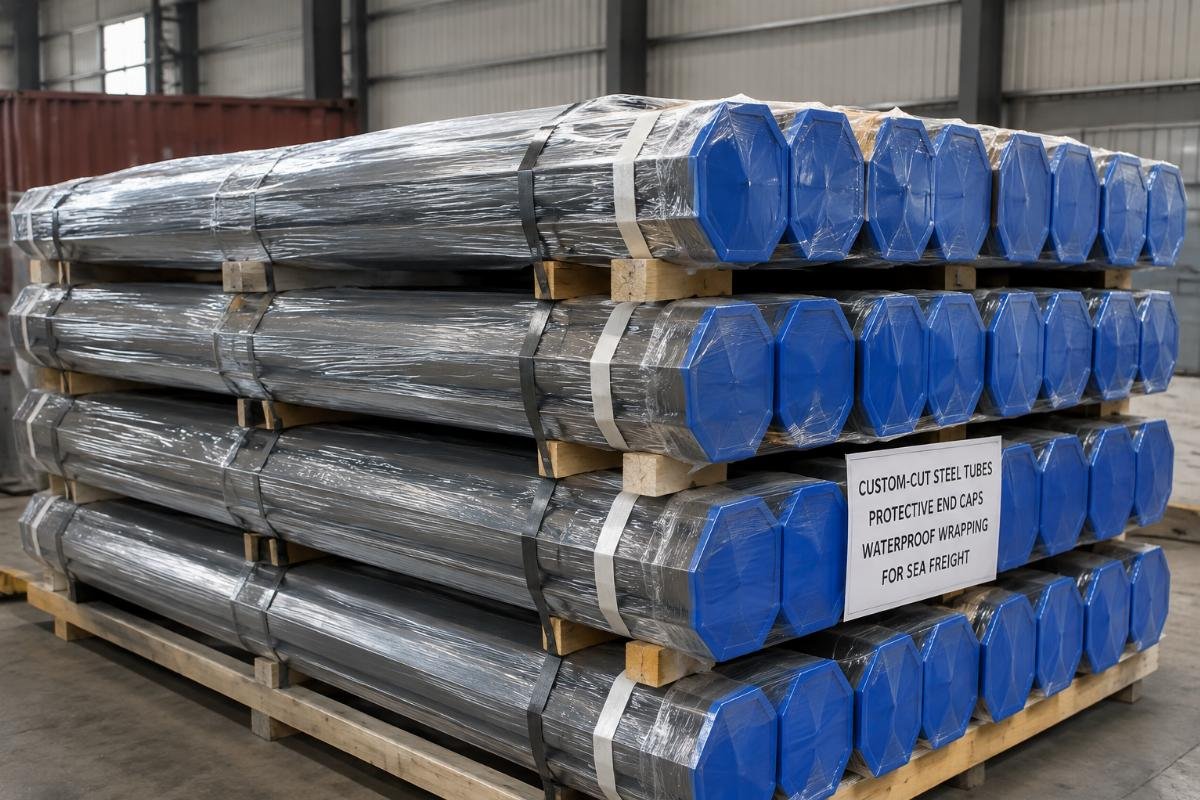
In a project for billboard structures in a humid coastal region, we observed that standard packing allowed moisture to trap between stacked tubes. The result was localized corrosion on the cut ends. We subsequently adjusted our packing protocol for Custom-Cut Structural Steel EN10219 to include breathable spacers and waterproof wrapping for the ends. This simple change ensured that the surface treatment remained intact from the factory floor to the job site.
It is also vital to communicate the intended final use to the supplier. If the steel will be welded immediately, heavy paint on the edges might interfere with the weld quality. If it will be stored outdoors, robust temporary protection is necessary. Understanding this balance helps in selecting the right surface finish option from the available treatments like shot blasting, painting, or galvanizing.
Conclusion
Precision cutting is only half the solution; certified compliance is the other half.
Sourcing Custom-Cut Structural Steel EN10219 requires a partner who views documentation and logistics as integral parts of the product. By verifying impact test data, synchronizing export documents, and protecting cut edges, fabrication shops can eliminate the hidden costs of delays and rework. The goal is not just to receive steel, but to receive a ready-to-build component that meets both engineering and regulatory standards.
Editor covering global sourcing, supplier verification, and industrial product knowledge. Content is compiled from manufacturer specifications, industry standards, and hands-on experience with international B2B buyers. Every article is fact-checked before publishing to help procurement professionals make informed decisions.


Discussion
0 Comments