Description
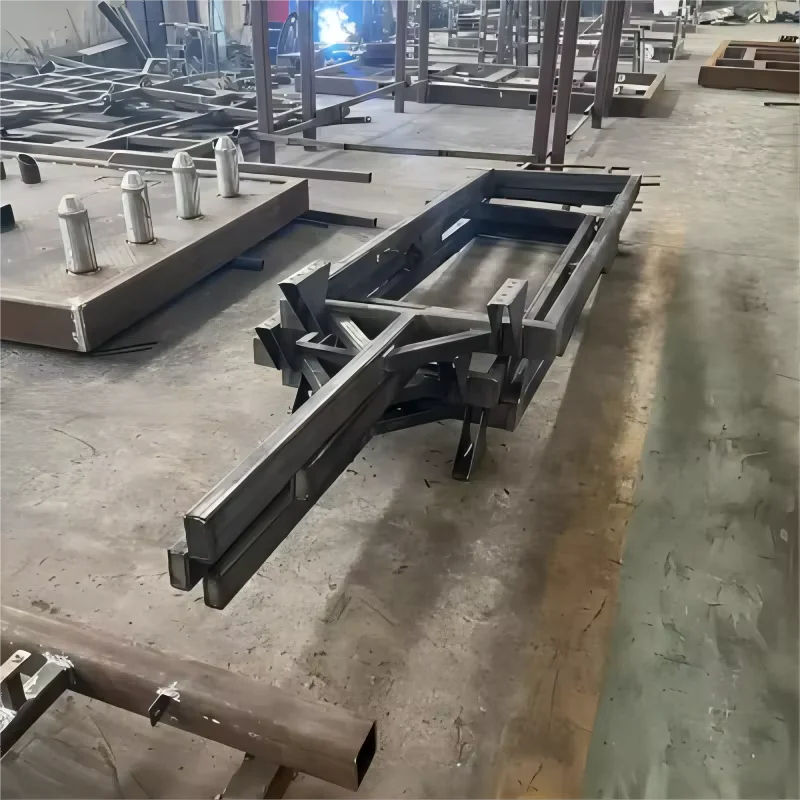
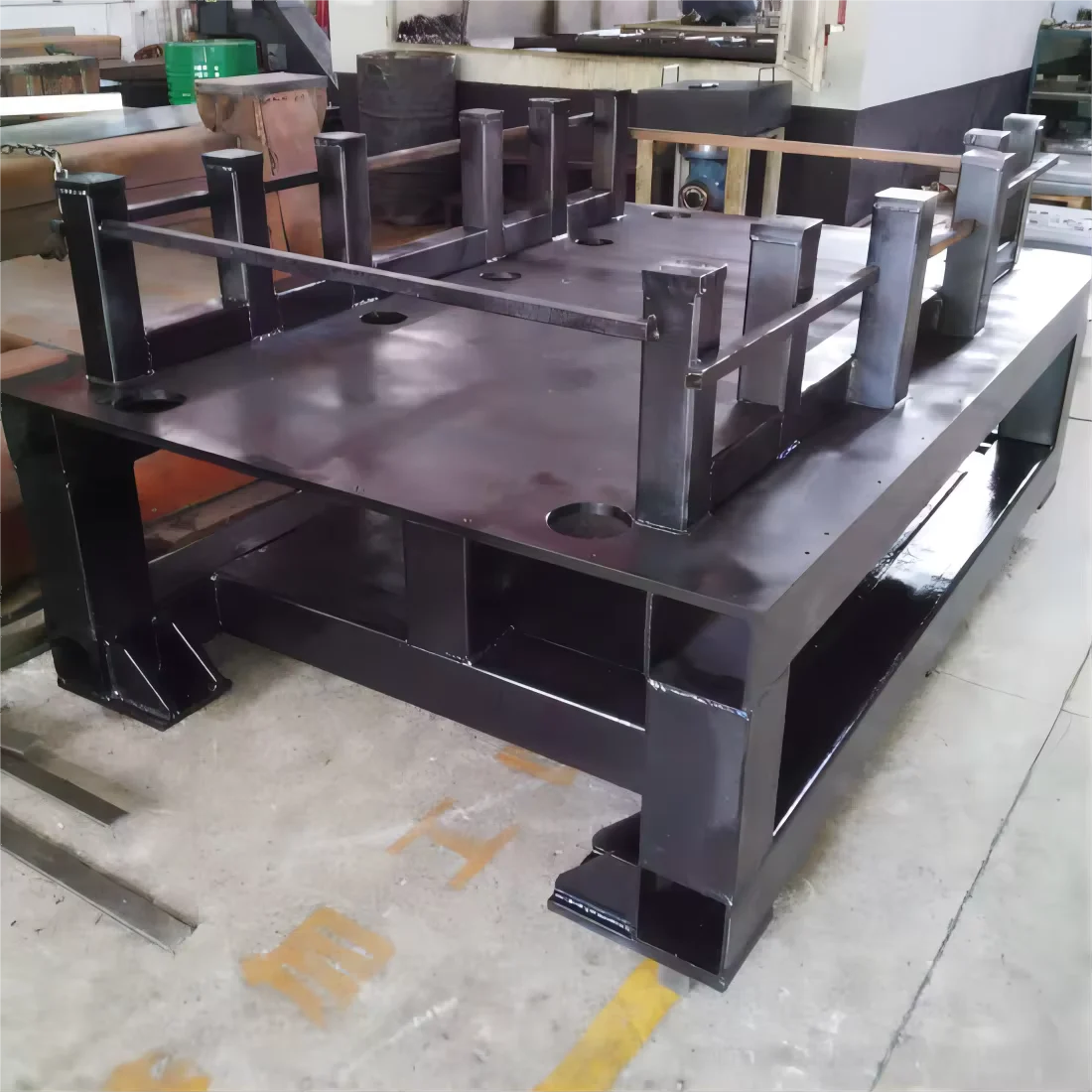
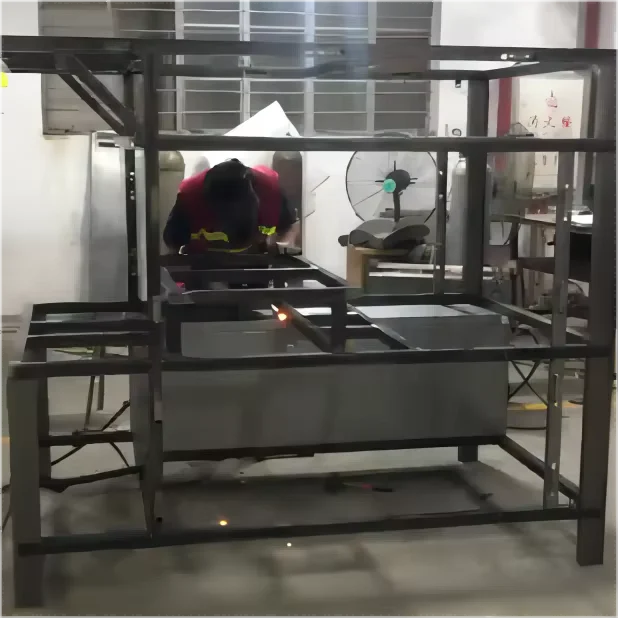
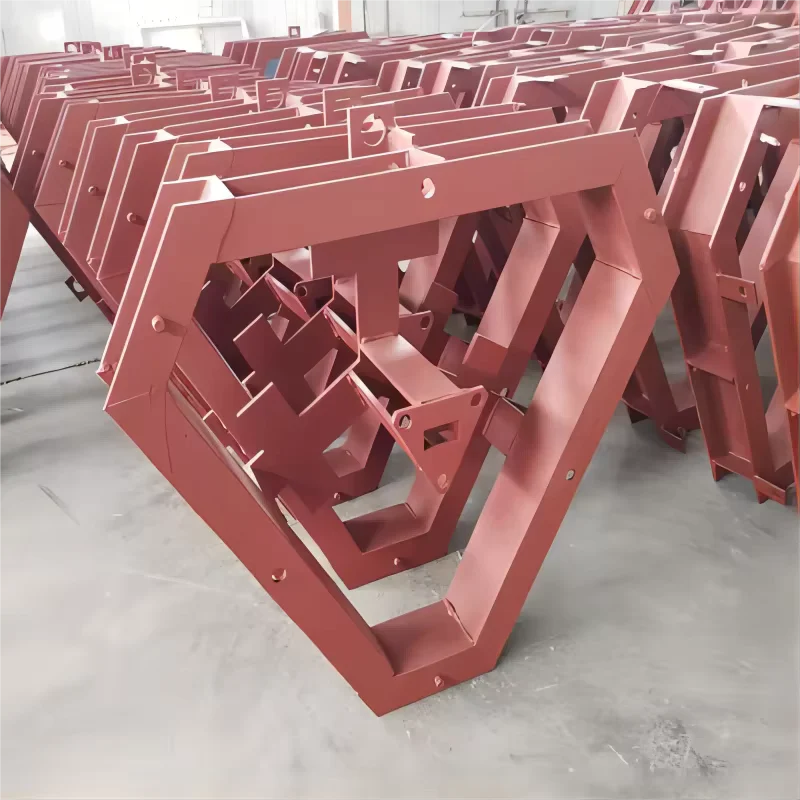
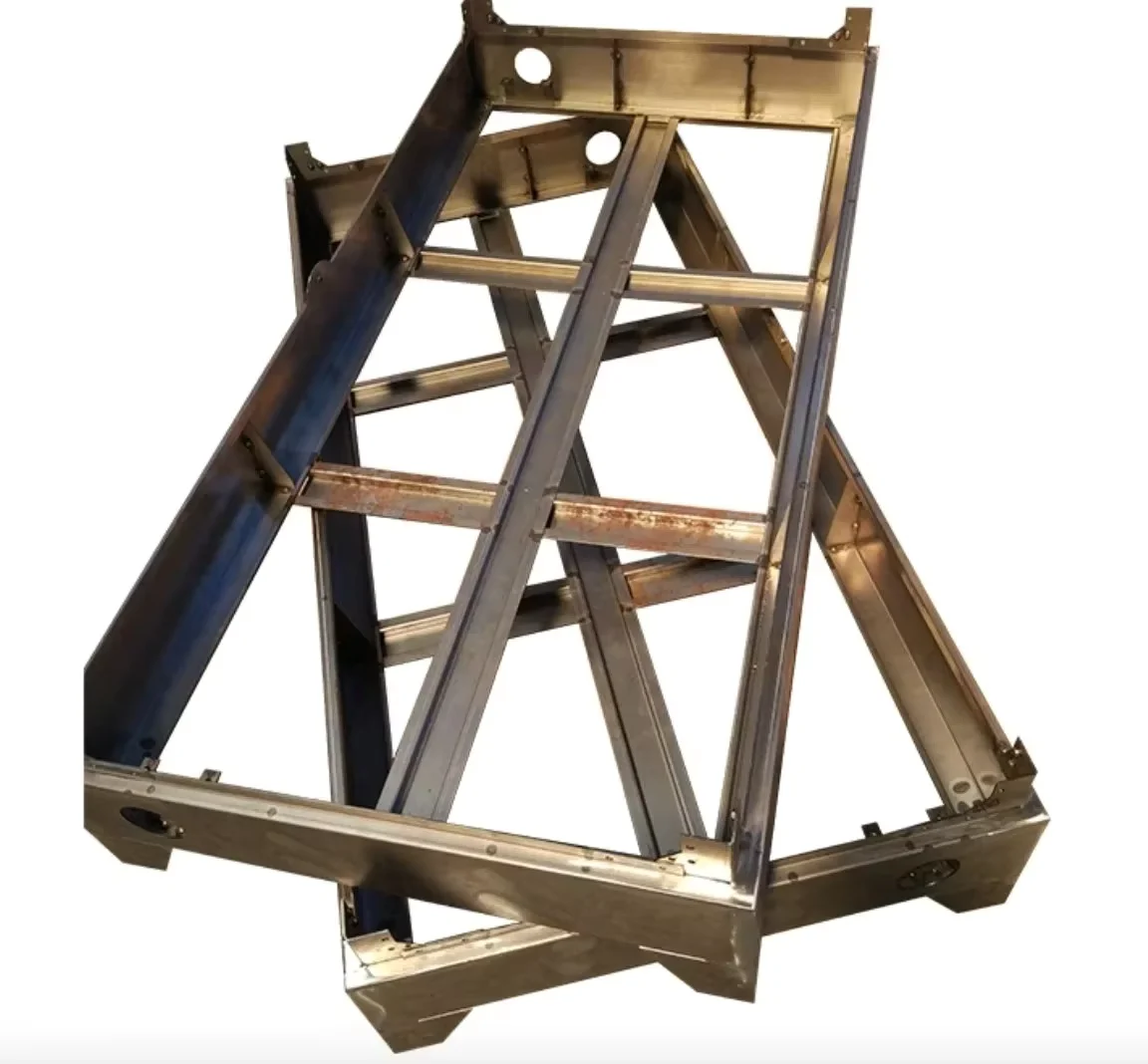
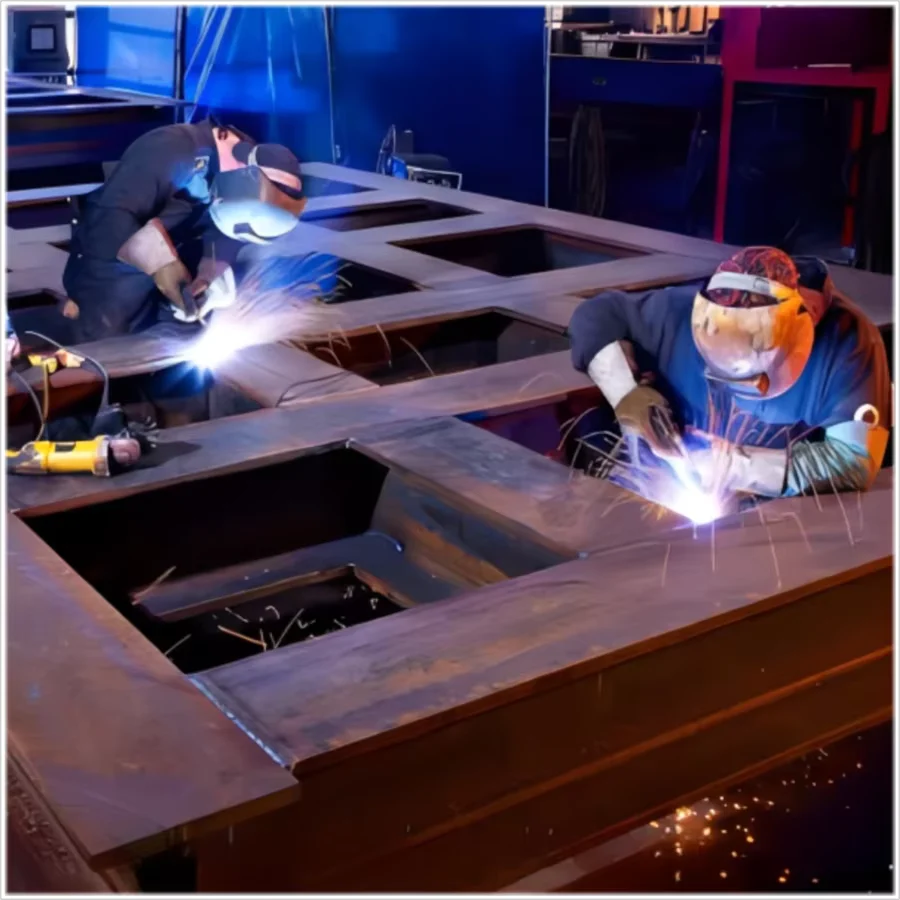
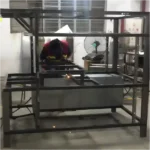
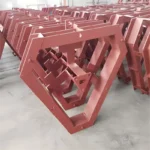
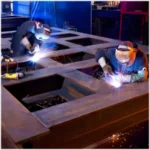
Factory-Direct Custom Fabrication — In-house laser cutting, bending, and welding under one roof with original mill test certificates for every heat number.
Technical Specifications
| Parameter | Value |
|---|---|
| Designation | Custom Sheet Metal Fabrication Parts (Laser Cutting / Welding / Bending) |
| Product Type | Machined Steel Product / Fabricated Steel Structure |
| Steel Grade | Stainless Steel, Carbon Steel, Aluminum, Brass, Bronze, Copper |
| Standard | OEM / Custom per client drawings |
| Technique | Laser Cutting, Bending, Welding, Stamping, Punching |
| Surface Treatment | Powder Coated, Anodizing, Electroplate, Painting, Polishing, Brushing |
| Tolerance | ±0.2 mm |
| Drawing Format | PDF / DWG / IGS / STP |
| Micro Machining | Yes |
| Application | Medical Equipment, Electronic Instruments, Testing Equipment, Automotive Manufacturing, Textiles, Papermaking, Photovoltaics, Lithium Batteries |
| MOQ | Sample available |
| Origin | Shandong, China |
Application Suitability
| Industry | Typical Applications |
|---|---|
| Medical & Laboratory Equipment | Stainless steel instrument enclosures, testing equipment frames, cleanroom housings |
| Photovoltaics & Lithium Batteries | Battery module structural brackets, solar panel mounting frames, production line equipment housings |
| Automotive Manufacturing | Custom chassis brackets, sensor housings, assembly line fixtures |
| Textile & Papermaking Machinery | Machine guards, roller brackets, control panel enclosures |
| Electronic Instruments | Precision instrument chassis, heat sink housings, connector panels |
Why Fragmented Sourcing Kills Your Custom Metal Parts Budget
Buying laser-cut blanks from one vendor, bending from another, and welding from a third adds coordination cost, tolerance stacking errors, and accountability gaps.
When a photovoltaic equipment manufacturer sources cut blanks from Supplier A, sends them to Supplier B for bending, then to Supplier C for welding, each handoff introduces alignment drift. A ±0.2 mm tolerance at the cutting stage becomes ±0.6 mm after three separate operations — and nobody takes responsibility. We have seen project buyers pay for three separate shipments, three sets of quality disputes, and still receive parts that do not fit together on the assembly line. [NEED_CITE: multi-vendor fabrication tolerance stacking in precision sheet metal]
Matching Fabrication Precision to Engineering-Grade Applications
Medical equipment frames and photovoltaic structural components demand dimensional consistency that generic job shops cannot guarantee. When a lithium battery production line requires stainless steel housings with ±0.2 mm tolerance across laser-cut edges and welded joints, the entire process chain — from raw material verification through final surface treatment — must remain under a single quality management system. As a custom sheet metal fabrication supplier operating laser cutting, bending, welding, and surface treatment in one production flow, we eliminate handoff errors and maintain traceability from coil to finished assembly.
Engineering Compliance and Surface Treatment Selection
Structural components for outdoor photovoltaic installations face corrosion environments that dictate material and coating choices. Carbon steel brackets exposed to coastal humidity require hot-dip galvanizing or powder coating, while stainless steel instrument enclosures for cleanroom environments need electropolishing or passivation rather than decorative finishes. Engineering specifications referencing EN 1993 or AISC standards demand documented material traceability — every heat number must link back to an original mill test certificate showing chemical composition and mechanical properties. [NEED_CITE: surface treatment selection for carbon steel vs stainless steel in corrosive environments] Certification gaps at customs are not hypothetical: shipments without proper CE documentation or material test reports face rejection at EU and Middle Eastern ports. [NEED_CITE: customs clearance requirements for fabricated steel components in EU markets]
Material Grades and Process Fundamentals
Stainless steel grades such as SUS304 and SUS316 offer corrosion resistance through chromium-nickel composition, but substitution with lower-grade alloys like 201 series reduces nickel content and compromises long-term durability — a risk that spectral analysis at the receiving port can expose instantly. Carbon steel fabrication for structural brackets typically uses Q235 or Q345 grades, where yield strength directly determines load-bearing capacity in photovoltaic mounting systems and machinery frames. Laser cutting delivers clean edges with minimal heat-affected zone, critical when welded joints must meet structural integrity standards. Bending accuracy depends on material thickness, grain direction, and tooling calibration — factors that determine whether a bracket sits flush against its mating surface or requires on-site rework. Surface treatment selection follows function: powder coating provides UV-resistant protection for outdoor structures, anodizing enhances aluminum hardness for electronic instrument housings, and electroplating delivers decorative finishes for visible automotive components.
The Hidden Cost of Wrong Material Substitution
A buyer who accepts 201 stainless steel substituted for 304 without verifying nickel content through spectral analysis faces consequences far beyond the unit price difference. When customs authorities or project inspectors conduct random material testing and discover grade mismatch, the entire shipment faces rejection — returning a full container of fabricated parts costs multiples of the original product value. Beyond financial loss, structural components fabricated from incorrect grades create safety liabilities: lower corrosion resistance leads to premature failure in outdoor installations, and reduced mechanical properties compromise load-bearing capacity in machinery frames. Engineering standards require documented material conformity, and missing mill test certificates or untraceable heat numbers provide grounds for project rejection regardless of physical quality. [NEED_CITE: material substitution risks in stainless steel fabrication for structural applications]
Why Procurement Teams Choose Our Fabrication Facility
Every batch of custom sheet metal fabrication parts ships with original mill test certificates documenting chemical composition for the specific heat number used — not generic certificates copied from stock material. Our in-house laboratory conducts three-stage inspection covering incoming material verification, in-process dimensional checks, and final assembly validation before any shipment leaves the facility. Third-party inspection through SGS or BV is available on request, providing independent verification for buyers who require additional assurance on critical projects. We accept drawing files in PDF, DWG, IGS, and STP formats, enabling direct translation from engineering design to production programming without manual re-drawing errors. With multiple material grades available — stainless steel, carbon steel, aluminum, brass, bronze, and copper — buyers consolidate multi-material orders into single shipments rather than coordinating separate suppliers for each alloy requirement. Professional export documentation handling covers commercial invoices, packing lists, certificates of origin, and customs classification, reducing clearance delays at destination ports.
Documentation & Compliance
- Mill test certificate documenting stainless steel or carbon steel chemical composition and mechanical properties per original heat number
- Material traceability report linking each fabricated component to specific coil or plate batch through heat number identification
- SGS or BV third-party inspection report verifying dimensional accuracy, weld quality, and surface treatment compliance
- ISO 9001:2015 quality management certificate covering fabrication process control and inspection procedures
- Complete customs documentation package including commercial invoice, packing list, bill of lading, and certificate of origin
- Welding procedure specification and operator qualification records for structural fabrication requiring certified weld joints
Packaging, Loading & Delivery
- Fabricated stainless steel components wrapped in protective film with edge protectors to prevent surface scratching during ocean transit
- Carbon steel parts coated with anti-rust oil and bundled on wooden pallets with steel strapping for container loading stability
- Custom crate packaging for oversized fabrication assemblies exceeding standard container dimensions, with loading plans optimized for 20ft and 40ft containers
- Heat number and steel grade identification marked on each piece with waterproof labels for traceability at destination
- Surface-treated components (powder coated, anodized, or electroplated) separated by protective interleaving to prevent coating damage during transport
- FOB, CIF, and DDP shipping terms available with professional container loading optimization to maximize payload per shipment
Starting Your Custom Fabrication Order
Submit your technical drawings in PDF, DWG, IGS, or STP format along with material grade requirements, quantity, and destination port to receive a detailed quotation including production timeline and quality documentation package. Our engineering team reviews each drawing for manufacturability and provides feedback on tolerance feasibility, material selection, and surface treatment recommendations within typical response times. For buyers requiring material verification before committing to bulk orders, sample fabrication runs with original mill test certificates are available to confirm quality standards and dimensional accuracy.
Frequently Asked Questions
Q: What materials can you fabricate, and how do you verify alloy composition?
A: We fabricate stainless steel, carbon steel, aluminum, brass, bronze, and copper components. Every batch ships with original mill test certificates documenting chemical composition for the specific heat number used. For buyers requiring additional verification, we accommodate third-party inspection through SGS or BV before shipment.
Q: How do you maintain ±0.2 mm tolerance across multiple fabrication processes?
A: Our integrated production flow keeps laser cutting, bending, welding, and surface treatment under one quality management system. In-process dimensional checks occur after each stage, preventing tolerance accumulation that occurs when parts move between separate vendors. Final inspection validates assembled dimensions against original drawing specifications.
Q: What surface treatment options are available for different application environments?
A: We offer powder coating for outdoor UV resistance, anodizing for aluminum hardness enhancement, electroplating for decorative finishes, painting for general protection, and polishing or brushing for aesthetic surfaces. Surface treatment selection depends on material grade, application environment, and engineering specifications.
Q: Can you produce from my own drawings, and what is the minimum order quantity?
A: We accept drawings in PDF, DWG, IGS, and STP formats for OEM custom fabrication. Sample production is available before bulk orders, allowing buyers to verify quality and dimensional accuracy with original mill test certificates before committing to volume procurement.
Q: How do you handle quality documentation for customs clearance?
A: Every shipment includes mill test certificates, material traceability reports, and complete customs documentation. For projects requiring CE certification or third-party inspection, we provide SGS or BV verification reports. Our export team handles documentation preparation to prevent clearance delays at destination ports.
Request Your Custom Fabrication Quotation
Send your drawings and specifications to receive factory-direct pricing with complete material traceability documentation.
Shandong Xin Jiyuan Special Steel Tube Co., Ltd
Email: admin@sdxinjiyuan.com
WhatsApp: +86 188 5315 7756