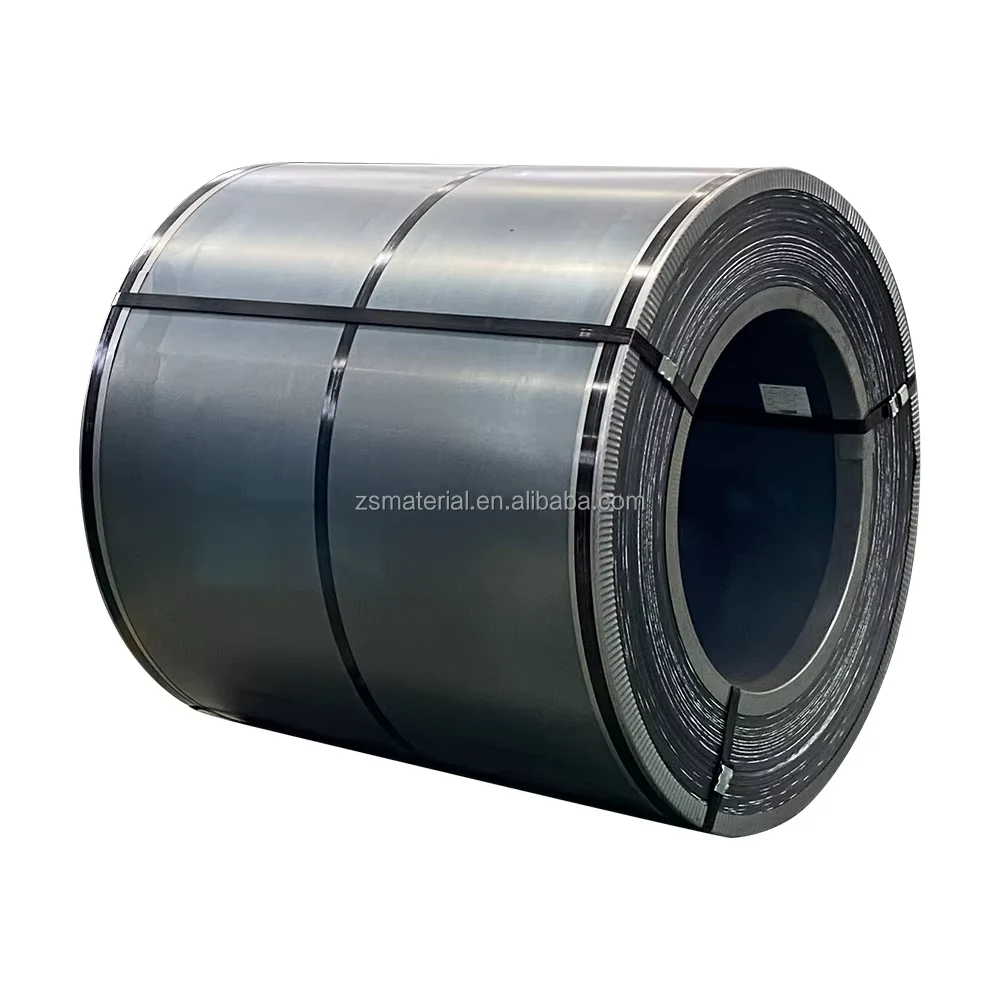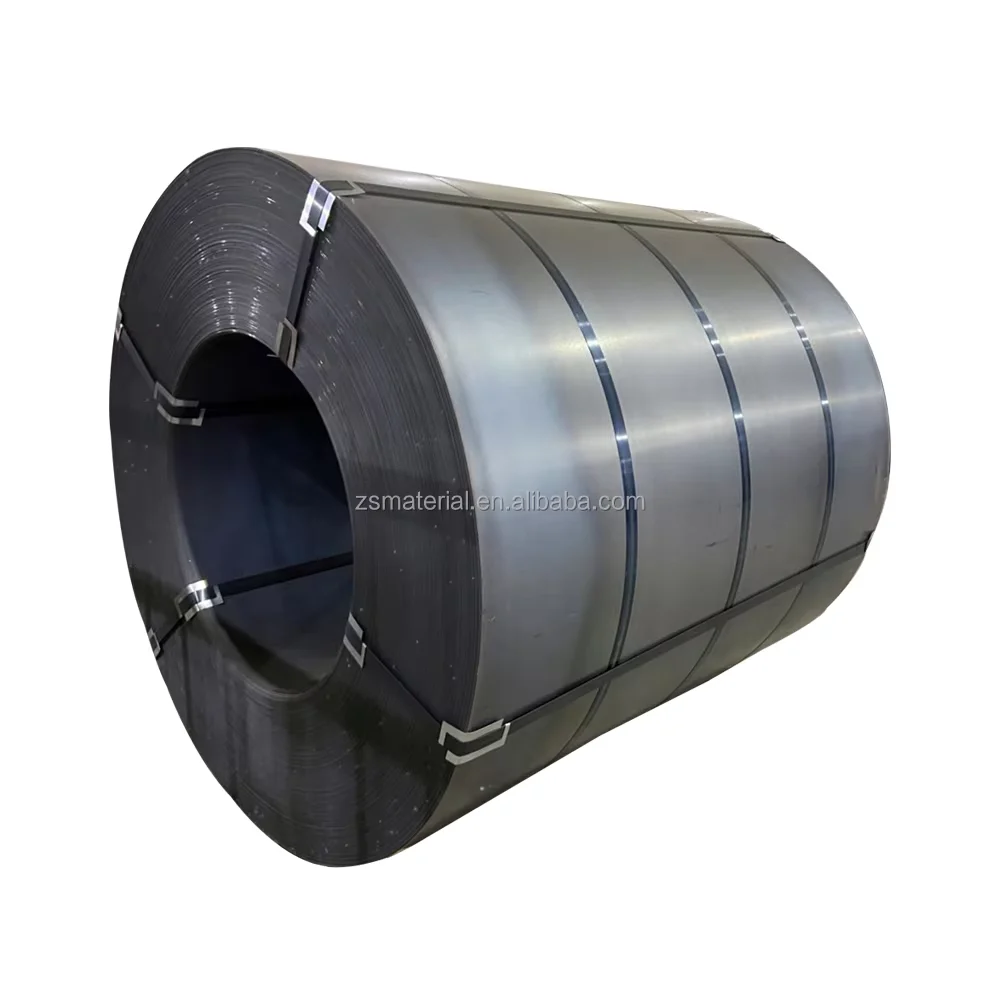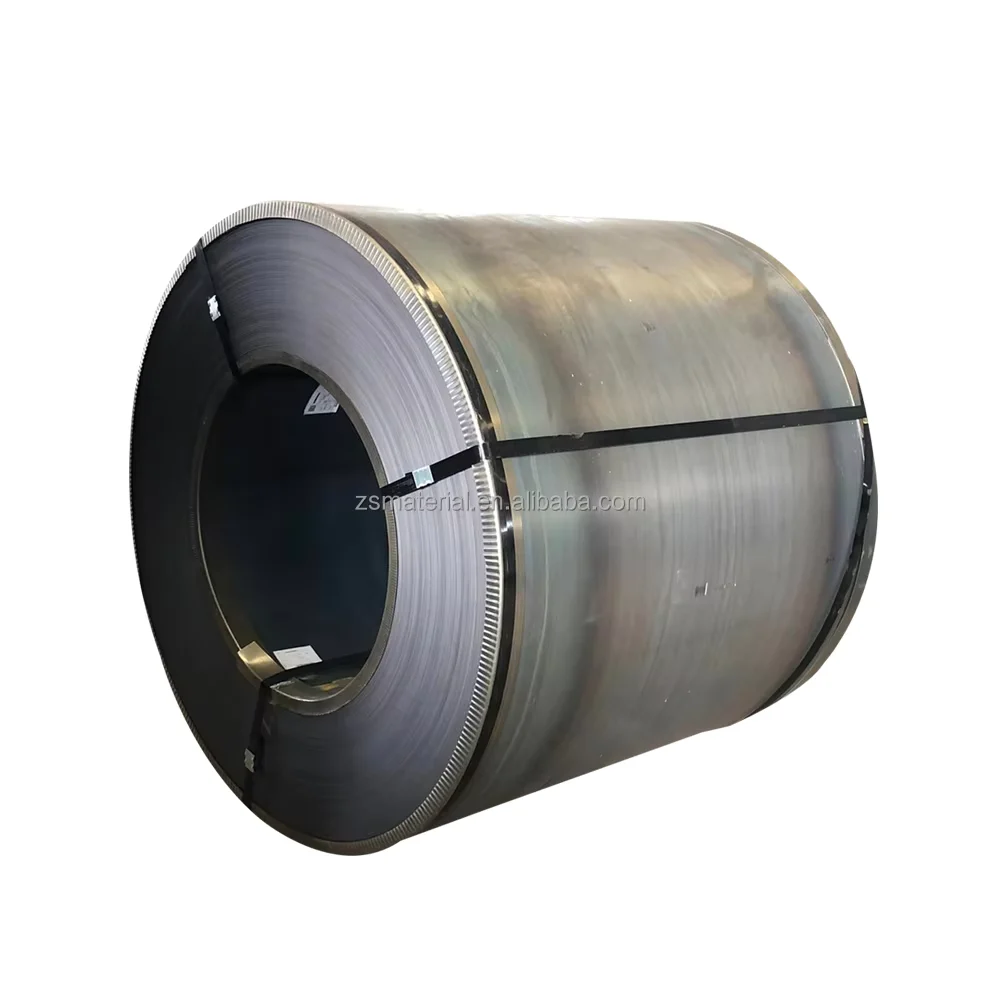


Description
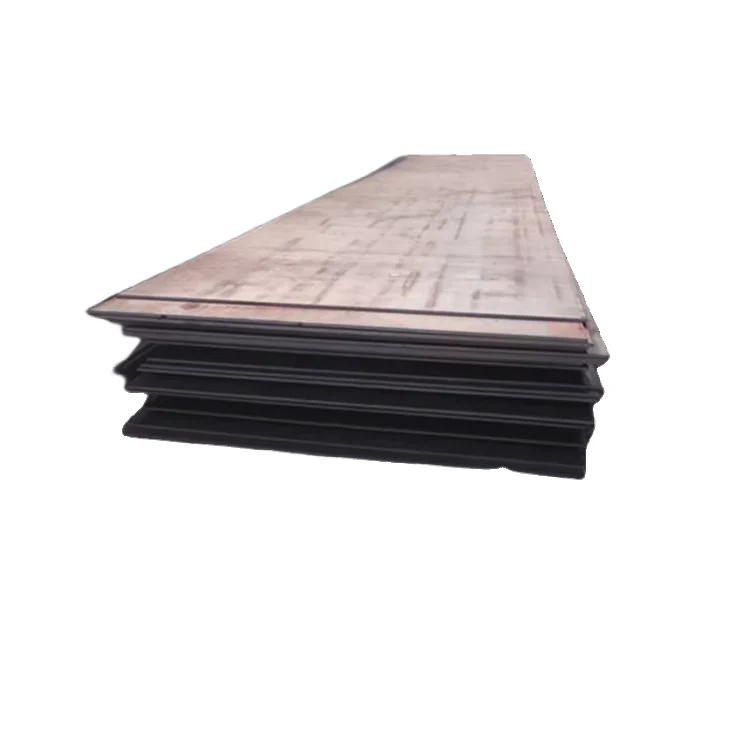
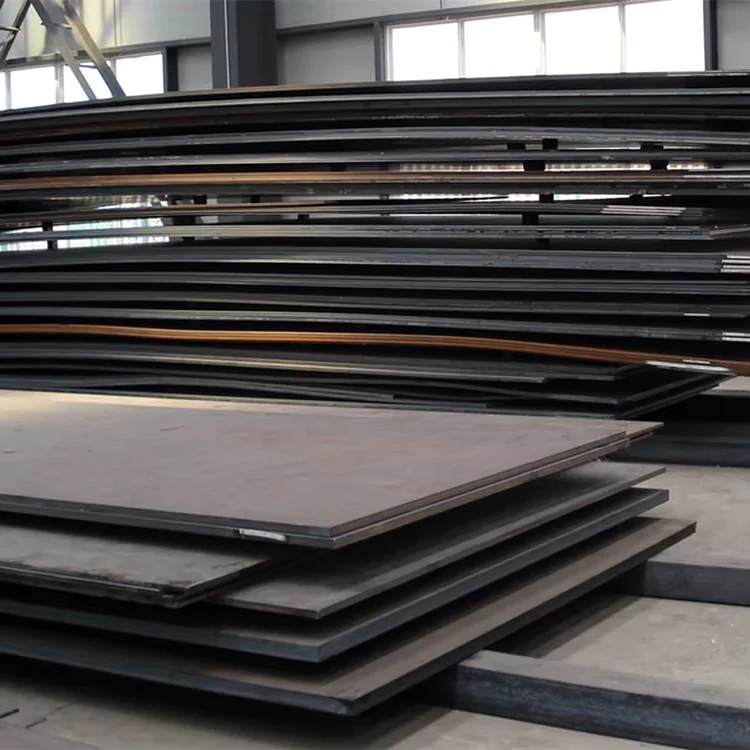
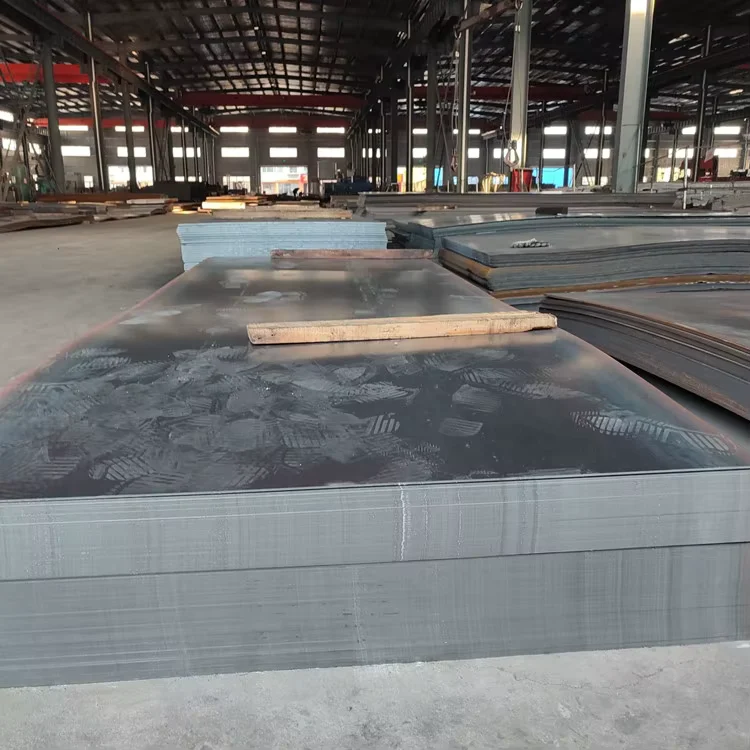
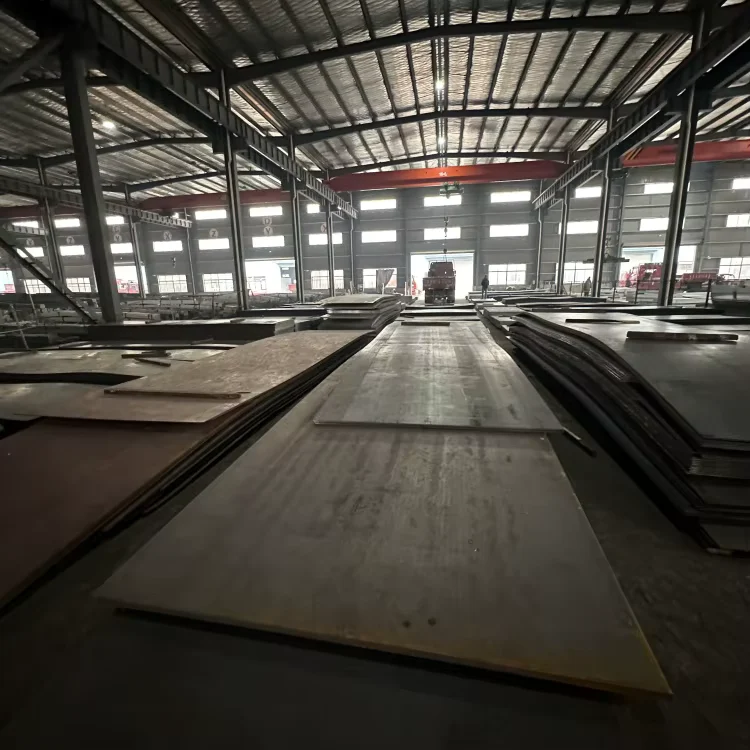
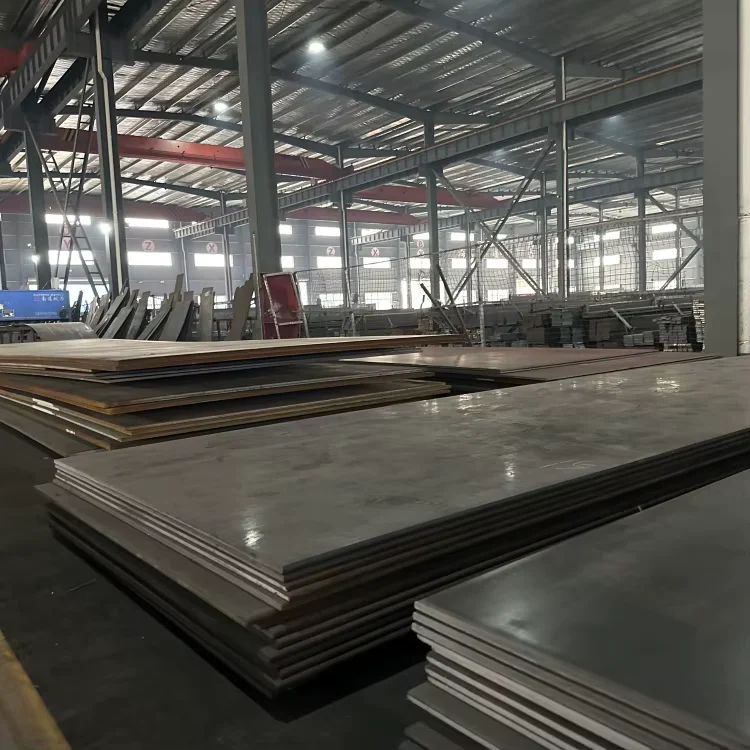
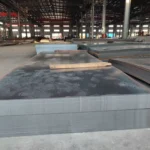
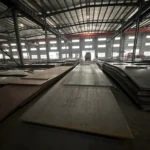
Factory-Direct Hot Rolled Plates — Every SS400, Q235, Q345, and SPHC plate ships with original mill certificates and in-house spectro analysis, no middlemen markup.
Technical Specifications
| Parameter | Value |
|---|---|
| Designation | SS400 / Q235 / Q345 / SPHC Hot Rolled Carbon Steel Plate |
| Product Type | Steel Plate |
| Steel Grade | SS400, Q235, Q345, Q345C, SPHC |
| Standard | JIS G3101, GB/T 709, JIS G3131, ASTM A36, EN 10025 |
| Section Shape | Sheet / Plate |
| Thickness | 0.2–400 mm |
| Width | 600–2500 mm |
| Length | 600–12000 mm (customizable) |
| Technique | Hot Rolled |
| Surface Treatment | Black painting, varnish paint, anti-rust oil, hot galvanized, cold galvanized, 3PE |
| Tolerance | ±5% (thickness) |
| Processing Service | Custom cutting |
| Application | Construction structures, pressure vessels, shipbuilding, boiler manufacturing, machinery fabrication, industrial platforms, bridge engineering |
| MOQ | 5 Tons |
| Origin | Shandong, China |
Application Suitability
| Industry | Typical Applications |
|---|---|
| Construction & Infrastructure | Building frame base plates, bridge gusset plates, industrial platform decking |
| Pressure Vessels & Boilers | Q345C plates for vessel shells and boiler drums per GB5310 requirements |
| Machinery & Equipment OEM | SPHC plates for machine frames, conveyor bases, and hydraulic housings |
| Shipbuilding & Marine | Hull plates and deck structures with hot-dip galvanized or 3PE surface protection |
What Steel Grade Equivalence Costs You on a Carbon Plate Order
SS400, Q235, and ASTM A36 are not interchangeable on paper — and customs officers know it.
I once watched a container of Q235 plates get held at Jebel Ali because the buyer’s engineer specified SS400 on the drawing. The chemistry was close, the mechanicals overlapped, but the mill cert said Q235 and the purchase order said SS400. Three weeks of demurrage before we air-shipped replacement docs. When you source a SS400 Q235 Q345 hot rolled carbon steel plate supplier, the first question is never price — it is whether the grade on the cert matches the grade on your PO, down to the standard prefix. [NEED_CITE: steel grade equivalence between JIS G3101, GB/T 709, and ASTM A36 standards]
How Thickness Range Maps to Structural and Fabrication Use
A 0.2 mm SPHC plate and a 400 mm Q345 plate share the same product family but serve completely different engineering functions. Thin-gauge SPHC goes into OEM machinery housings where formability matters more than load-bearing. Mid-range Q235 and SS400 plates between 6 mm and 40 mm cover building frames, industrial platforms, and bridge gussets. Heavy Q345 plates above 50 mm carry primary structural loads in pressure vessels and boiler drums. The SS400 Q235 Q345 hot rolled carbon steel plate supplier you choose must hold stock across this full range or split your order across multiple mills — adding lead time and certificate traceability gaps.
Engineering Compliance and Surface Treatment Selection
Hot rolled plates in Q235 and SS400 meet general structural requirements under GB/T 709 and JIS G3101 respectively, while Q345C targets pressure vessel applications under GB5310 and GB6479. Surface treatment selection depends on the service environment: anti-rust oil suits indoor fabrication with short transit windows; hot-dip galvanizing extends field life for outdoor structural plates exposed to moisture; 3PE coating is specified for buried or submerged applications where cathodic disbondment resistance matters. For European projects, CE certification under EN 10025 is required for structural plates, and the mill test certificate must declare the steel grade using the EN designation — not just the Chinese GB equivalent. [NEED_CITE: EN 10025 structural steel plate compliance requirements for CE marking]
Steel Grade Systems and Hot Rolling Metallurgy
SS400 (JIS G3101), Q235 (GB/T 709), and ASTM A36 all describe mild carbon steel with similar chemistry ranges, but the testing methods, sampling frequency, and impact test requirements differ across standards. Q345 and Q345C carry higher manganese content for improved strength, with Q345C requiring Charpy impact testing at 0°C — critical for pressure vessel and低温 applications. SPHC (JIS G3131) is a hot-rolled commercial quality grade optimized for forming rather than structural loading. Hot rolling produces a mill scale surface that must be removed by pickling or shot blasting before galvanizing or painting. The ±5% thickness tolerance is standard for hot rolled plates; projects requiring tighter control must specify cold rolled or precision-sheared plates at higher cost.
The Hidden Cost of Grade Substitution and Missing Certificates
Ordering Q235 when your drawing calls for SS400 may seem harmless until the third-party inspector flags the designation mismatch. The plate chemistry may be identical, but the standard reference is wrong, and the engineer’s signature is required to accept the deviation — if they accept it at all. Plates cut to size before the grade dispute means the material is scrapped, not returned. Missing mill test certificates or certificates without heat number traceability trigger customs holds in markets from Saudi Arabia to Brazil. A SS400 Q235 Q345 hot rolled carbon steel plate supplier who cannot provide original MTCs per heat number is not saving you money — they are transferring risk to your project timeline. [NEED_CITE: mill test certificate requirements for steel plate import customs clearance]
Why Project Buyers Return for Repeat Orders
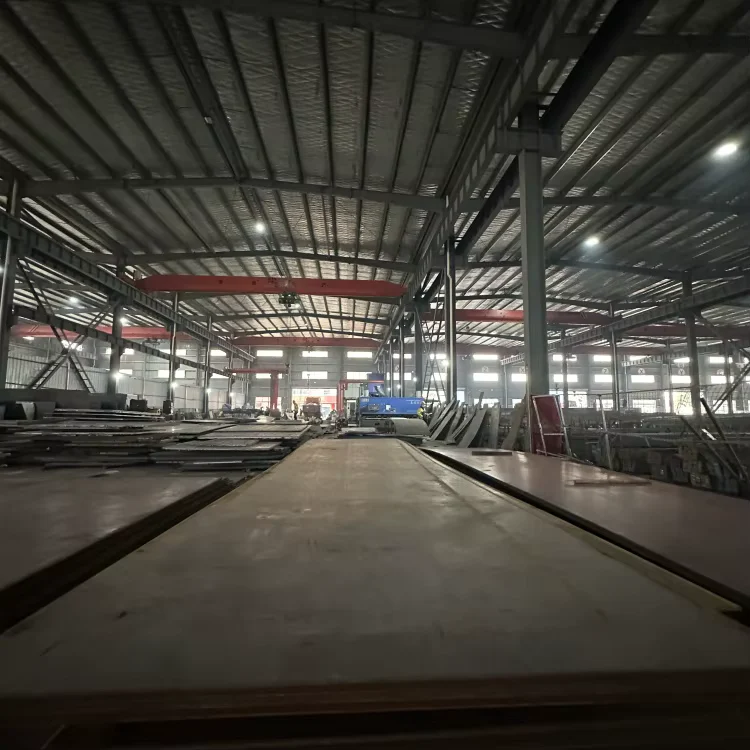
We run three hot rolling lines in Jinan with 2,800+ plate specifications in ready stock, so a 20-ton order of 12 mm Q235 plates can ship within days, not weeks. Every plate leaves our warehouse with an original mill test certificate and our own in-house spectro analysis report — a practice born from watching a batch of Q345 fail manganese specs at port and eating the full replacement cost. We hold ISO 9001:2015 and CE (EN 10210/10219) certifications, and SGS or BV third-party inspection is arranged before loading at your request. Custom cutting to your exact length and width reduces on-site waste and eliminates the need for secondary processing at your yard. Professional container loading plans maximize payload for heavy plate shipments, and our export team handles full documentation from commercial invoice to certificate of origin.
Documentation & Compliance
- Mill test certificate documenting Q345C chemical composition and mechanical properties per GB/T 709, traceable to heat number
- CE certificate under EN 10025 for structural steel plates destined for European Union markets
- ISO 9001:2015 quality management system certificate covering hot rolled plate production
- SGS or BV third-party inspection report available before shipment for buyer-specified checks
- Material traceability sheet linking each plate to its heat number, chemical analysis, and rolling date
- Full customs document package: packing list, bill of lading, certificate of origin, and commercial invoice
Packaging, Loading & Delivery
- Hot rolled SS400 and Q235 plates bundled with steel strips and edge protectors to prevent surface damage during ocean transit
- Anti-rust oil applied to plate surfaces before bundling for plates without galvanizing or 3PE coating
- Container loading plans optimized for plates up to 12,000 mm length, maximizing payload within 20ft and 40ft open-top or flat-rack containers
- Custom cutting to buyer-specified dimensions before shipment, with cut tolerances confirmed in the proforma invoice
- Heat number and steel grade stenciled on each plate for on-site traceability and inspection
- FOB, CIF, and DDP terms available with door-to-door logistics coordination for project sites
Getting Your Quote and Mill Certificates Ready
Send your plate specifications — steel grade, thickness, width, length, quantity, and destination port — and receive a competitive bulk quote within 12 hours, complete with mill test certificate samples and loading plans. For custom cutting or non-standard dimensions, share your drawing and we confirm tolerance and lead time before production.
Request Your SS400 Q235 Q345 Hot Rolled Carbon Steel Plate Quote
Submit your specifications by email or WhatsApp to receive factory-direct pricing, original mill test certificates, and third-party inspection options for your next plate order.
Shandong Xin Jiyuan Special Steel Tube Co., Ltd
Website: www.sdxinjiyuan.com
Mobile/WhatsApp/WeChat: +86 188 5315 7756
Email: admin@sdxinjiyuan.com
Frequently Asked Questions
Q: What is the difference between SS400, Q235, and ASTM A36 steel plates?
A: SS400 (JIS G3101), Q235 (GB/T 709), and ASTM A36 are all mild carbon steel grades with similar chemistry, but they follow different national standards with distinct testing and marking requirements. They are not automatically interchangeable for certified projects — the grade on the mill test certificate must match the grade specified in your purchase order and engineering drawing.
Q: Can you provide third-party inspection before shipment?
A: Yes. SGS and BV third-party inspections are available on request. The inspection covers dimensional checks, surface quality, and chemical composition verification against the mill test certificate before the plates are loaded into the container.
Q: What is the minimum order quantity for custom-cut plates?
A: The MOQ is 5 tons for standard stock sizes. Custom-cut plates to your specified dimensions are available with the same MOQ, and we confirm cutting tolerances and lead time in the proforma invoice before production begins.
Q: How do you ensure material traceability for each plate?
A: Every plate is marked with its heat number and steel grade. The original mill test certificate documents the chemical composition and mechanical properties for that heat, and our in-house spectro analysis report provides independent verification before shipment.
Q: What surface treatment options are available for hot rolled plates?
A: We offer black painting, varnish paint, anti-rust oil, hot-dip galvanizing, cold galvanizing, and 3PE coating. The selection depends on your service environment — anti-rust oil for short-term indoor storage, hot-dip galvanizing for outdoor structural exposure, and 3PE for buried or submerged applications.