
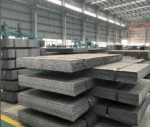
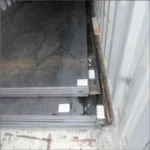

Description
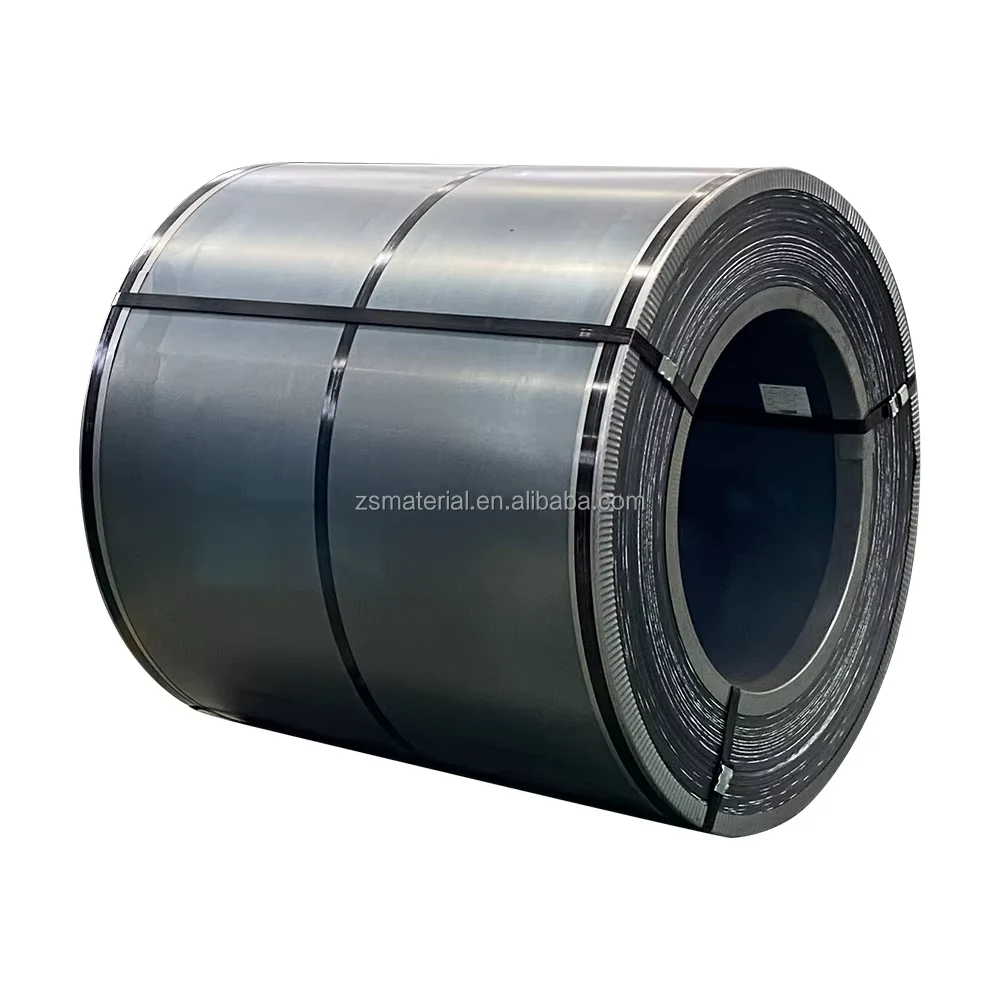
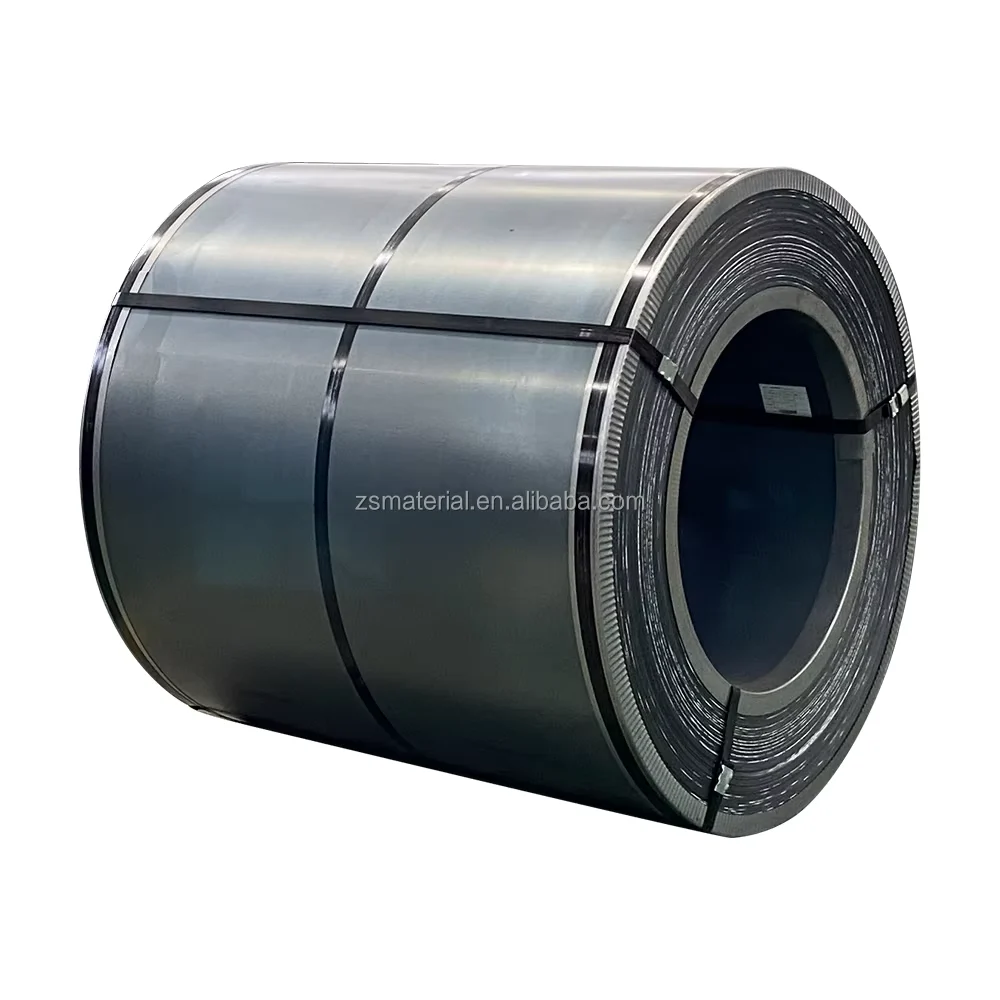
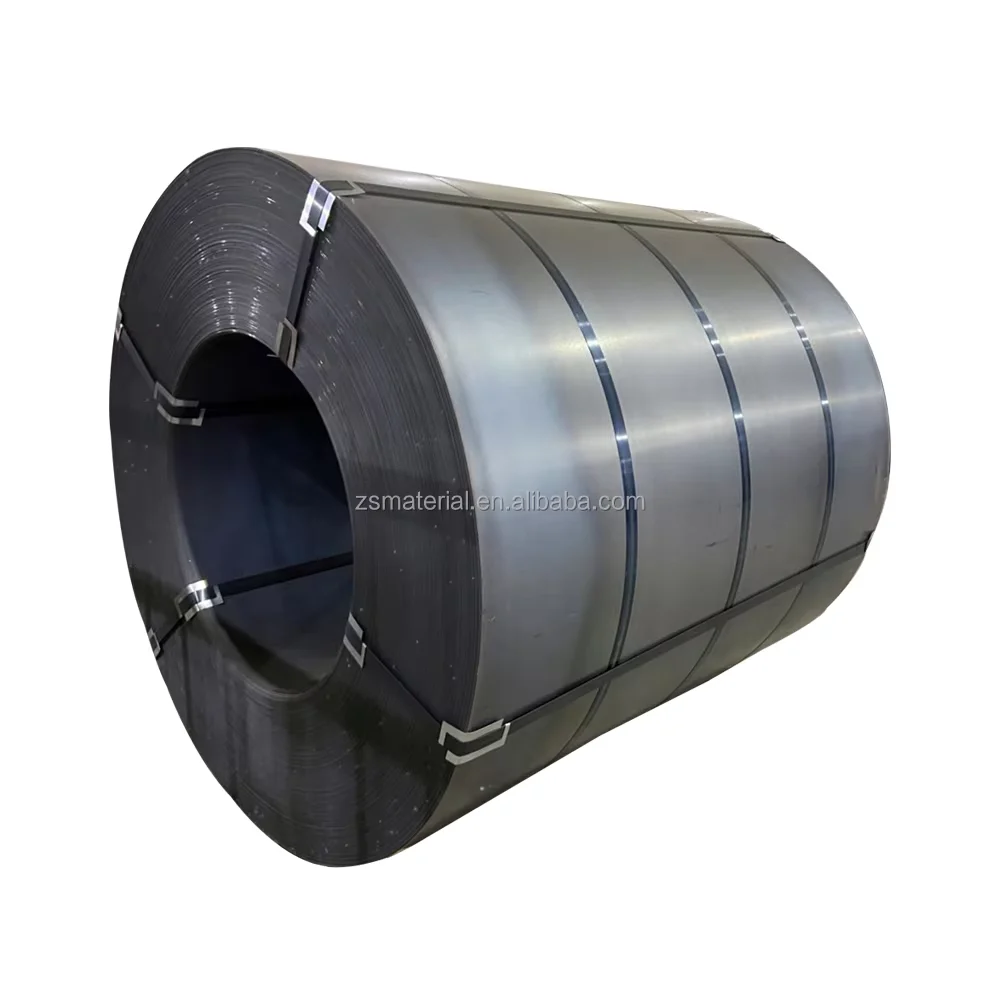
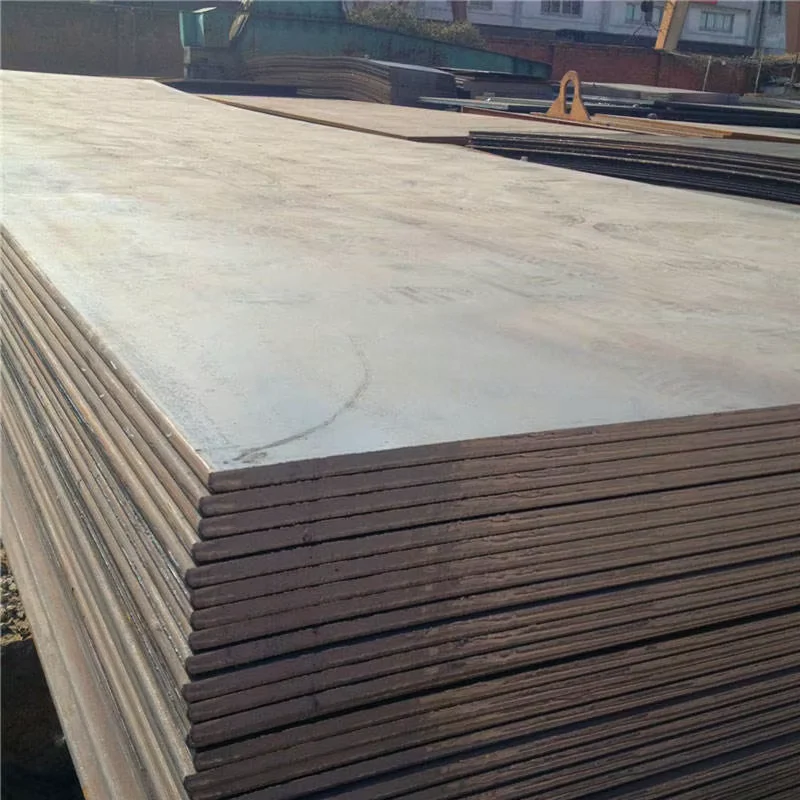
Factory-direct hot rolled carbon steel plate supply — every batch ships with original mill test certificates and is available for SGS or BV third-party inspection before container doors seal.
Technical Specifications
| Parameter | Value |
|---|---|
| Designation | SS400 / Q235 / A36 / St52 / 516 Gr70 / A283 Hot Rolled Carbon Steel Plate |
| Product Type | Steel Plate |
| Steel Grade | SS400, Q235, A36, St52, ASTM A516 Gr70, ASTM A283 |
| Standard | ASTM A516, ASTM A283, DIN, BS, JIS (SS400), GB (Q235) |
| Section Shape | Flat plate |
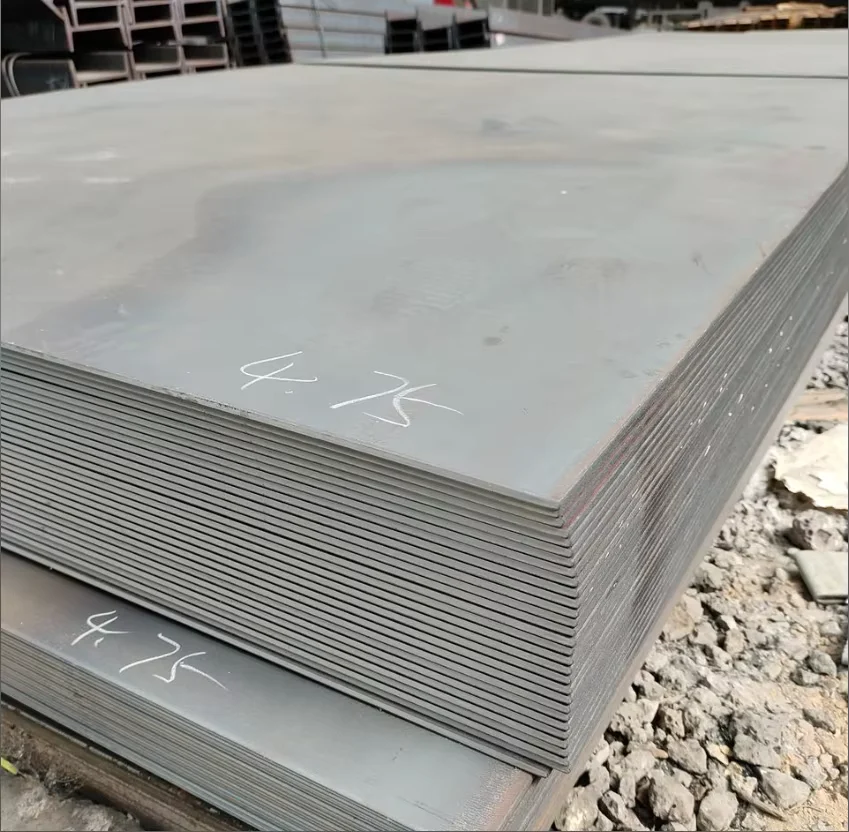
| Thickness | 3–200 mm |
| Width | 1500 mm |
| Length | 6000 mm |
| Technique | Hot Rolled |
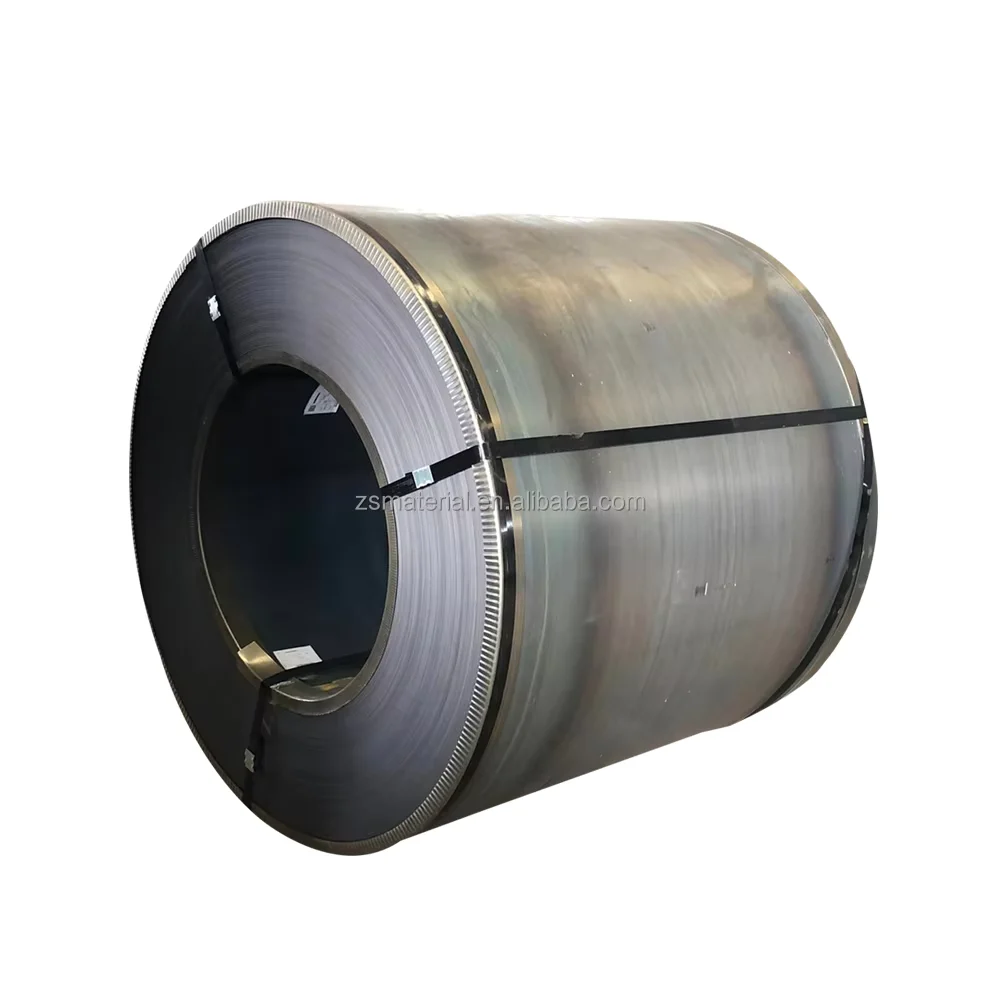
| Surface Treatment | Hot Rolled (mill scale) |
| Application | Shipbuilding, pressure vessels, structural fabrication, welding and cutting processing, industrial equipment manufacturing |
| Origin | Shandong, China |
Application Suitability
| Industry | Typical Applications |
|---|---|
| Shipbuilding & Marine | Hull plates, deck plates, bulkhead framing for merchant vessels and offshore structures |
| Pressure Vessel & Boiler | Cylindrical shells, end caps, and nozzle reinforcement rings for storage tanks and heat exchangers |
| General Construction | Column base plates, gusset plates, and bracket connections for steel-frame buildings |
| Industrial Equipment | Machine bases, crane booms, and conveyor frame gussets for heavy machinery |
Where Steel Grade Equivalence Decides Customs Clearance
SS400, Q235, A36, and St52 are not interchangeable on paper — even when their tensile ranges overlap in practice.
Procurement teams ordering hot rolled carbon steel plate from fragmented suppliers often discover at the port that the mill test certificate lists a grade designation that does not match the project specification. A shipment marked Q235B may satisfy the tensile range of S235JR under EN 10025, but European customs and the client’s engineering consultant will reject it without a formal equivalence statement. We have seen containers held for weeks because the certificate referenced GB/T 700 while the contract called for EN 10025-2 — the chemistry was compliant, but the paperwork was not [NEED_CITE: steel grade equivalence between EN, ASTM, JIS, and GB standards]. Beyond customs, the project’s structural engineer must sign off on any substitution, adding weeks of correspondence and potential re-inspection costs.
Matching Plate Thickness to Structural Load Paths
A 6 mm hot rolled carbon steel plate in Q235 or A36 serves adequately as a non-structural base plate or temporary formwork support, but the same grade at 20 mm thickness becomes the primary load-transfer element in a column base connection. The hot rolling process produces a fully recrystallized grain structure that maintains consistent mechanical properties through the thickness cross-section, which is critical when the plate will be subjected to through-thickness welding or flame cutting on site. For pressure vessel fabrication, ASTM A516 Gr70 plates in the 12–50 mm range provide the notch toughness required for moderate-temperature service, while A283 covers lower-strength general structural use where welding qualification is less demanding.
Engineering Compliance and Certification Requirements
Structural fabrication for export projects typically requires the hot rolled carbon steel plate to conform to a recognized international standard — ASTM for North American and Middle Eastern EPC contracts, EN for European-funded infrastructure, and JIS for Southeast Asian shipbuilding yards. Each standard framework demands specific documentation: ASTM A516 requires supplementary testing for impact properties when used below ambient temperature, while EN 10025 mandates CE marking and a Declaration of Performance for structural plates entering the EU market [NEED_CITE: CE marking requirements for structural steel under EN 10025]. The plate’s thickness tolerance also matters for engineering calculations — a 20 mm plate delivered at 19.2 mm under negative tolerance may still meet the standard, but the structural engineer must account for the reduced section modulus in connection design.
Hot Rolling Process and Grade Selection Logic
The hot rolled carbon steel plate gains its mechanical properties from controlled rolling at temperatures above the recrystallization point, typically between 850°C and 1100°C, followed by air cooling. This process produces a normalized microstructure suitable for welding without additional heat treatment, which is why Q235, A36, and SS400 dominate general fabrication work. When the project demands higher strength-to-weight ratios, St52 (equivalent to S355 under EN 10025) provides a significant yield strength increase over A36 while maintaining similar weldability. For pressure vessel service, ASTM A516 Gr70 is produced to tighter chemistry controls and mandatory impact testing, making it the specified grade for boiler shells and storage tanks operating under internal pressure. The choice between these grades is not a matter of preference but of design code compliance — a structural engineer specifying A516 Gr70 for a tank shell cannot accept A36 substitution without a complete recalculation of wall thickness and weld joint efficiency.
The Hidden Cost of Grade Substitution and Missing Certificates
Ordering hot rolled carbon steel plate based on price alone, without verifying grade equivalence and certificate authenticity, creates downstream costs that far exceed the initial savings. A plate delivered as SS400 but actually conforming to a lower-grade commercial quality may pass visual inspection but fail during bend testing or charpy impact verification at the fabrication shop. The project then faces either re-procurement with expedited shipping costs or a formal engineering concession that requires additional testing and documentation — both options delay the construction schedule and erode the contractor’s margin [NEED_CITE: consequences of non-conforming steel materials in construction projects]. Similarly, plates shipped without proper heat number traceability cannot be matched to their mill test certificates, rendering them unacceptable for pressure vessel or shipbuilding applications where full material traceability is mandatory under ASME Section II or IACS classification society rules.
Why Procurement Teams Consolidate Plate Orders with Us
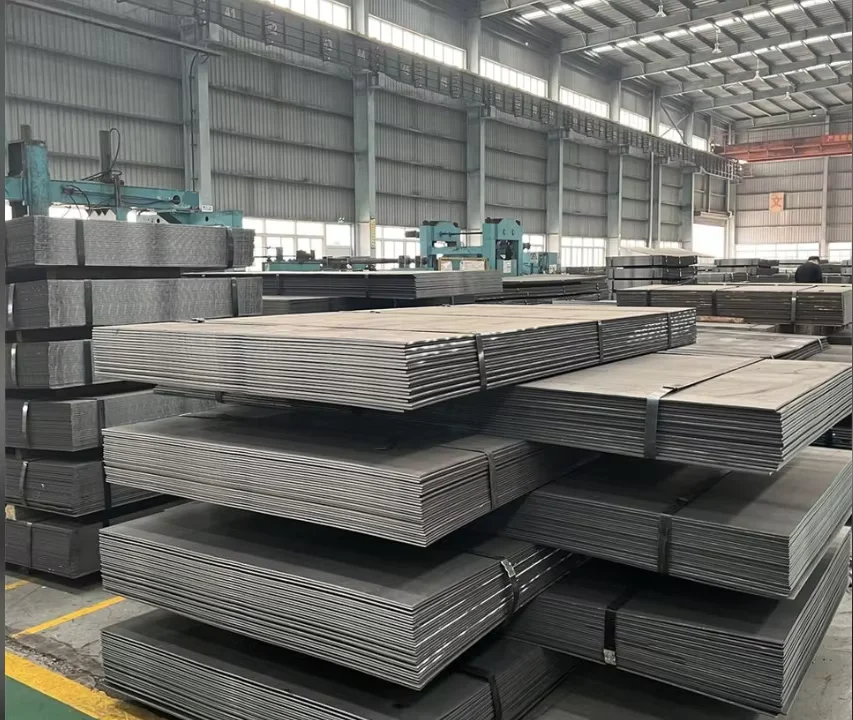
We operate three production lines in Jinan with a running inventory covering more than 2,800 specifications across plate, pipe, and structural sections — meaning a single purchase order for hot rolled carbon steel plate can be consolidated with angle bar, H-beam, and welded tube into one container, reducing freight cost per ton and eliminating the coordination overhead of managing multiple suppliers. Every plate leaving our warehouse is cross-checked against the original mill test certificate before the container doors seal, a practice we adopted after absorbing the loss of a rejected shipment where the chemistry drifted outside the specified grade. Our in-house laboratory performs three-stage inspection covering dimensional tolerance, surface quality, and certificate verification, with SGS or BV third-party inspection available at the loading stage for clients who require independent confirmation. We hold ISO 9001:2015 certification and Lloyd’s CE marking under EN 10210 and EN 10219, ensuring that plates destined for European markets clear customs with the required Declaration of Performance and test documentation intact.
Documentation & Compliance
- Mill test certificate documenting SS400, Q235, A36, St52, or A516 Gr70 chemical composition and mechanical properties per the relevant ASTM, EN, JIS, or GB standard
- CE certificate and Declaration of Performance for hot rolled carbon steel plate conforming to EN 10025, required for structural applications in European Union member states
- ISO 9001:2015 quality management system certificate covering the full production and inspection process from slab reheating to final dimensional check
- SGS or BV third-party inspection report verifying grade, thickness, and surface quality at the loading port before container sealing
- Full material traceability by heat number, linking each plate to its original slab cast and the corresponding mill test certificate
- Export customs documentation including packing list, bill of lading, and certificate of origin for import clearance at the destination port
Packaging, Loading & Delivery
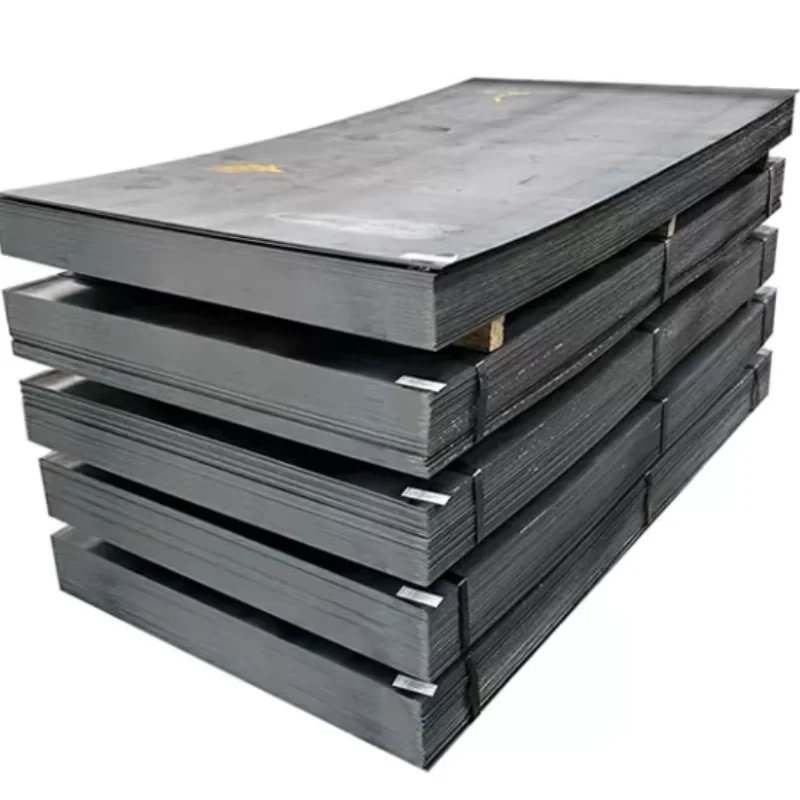
- Hot rolled carbon steel plate bundled with high-tensile steel strips at intervals not exceeding 1.5 meters, with edge protectors to prevent strap damage to the plate surface during ocean transit
- Mill scale surface left in as-rolled condition for standard structural use; oil coating applied upon request for plates destined for humid tropical climates to prevent transit rust
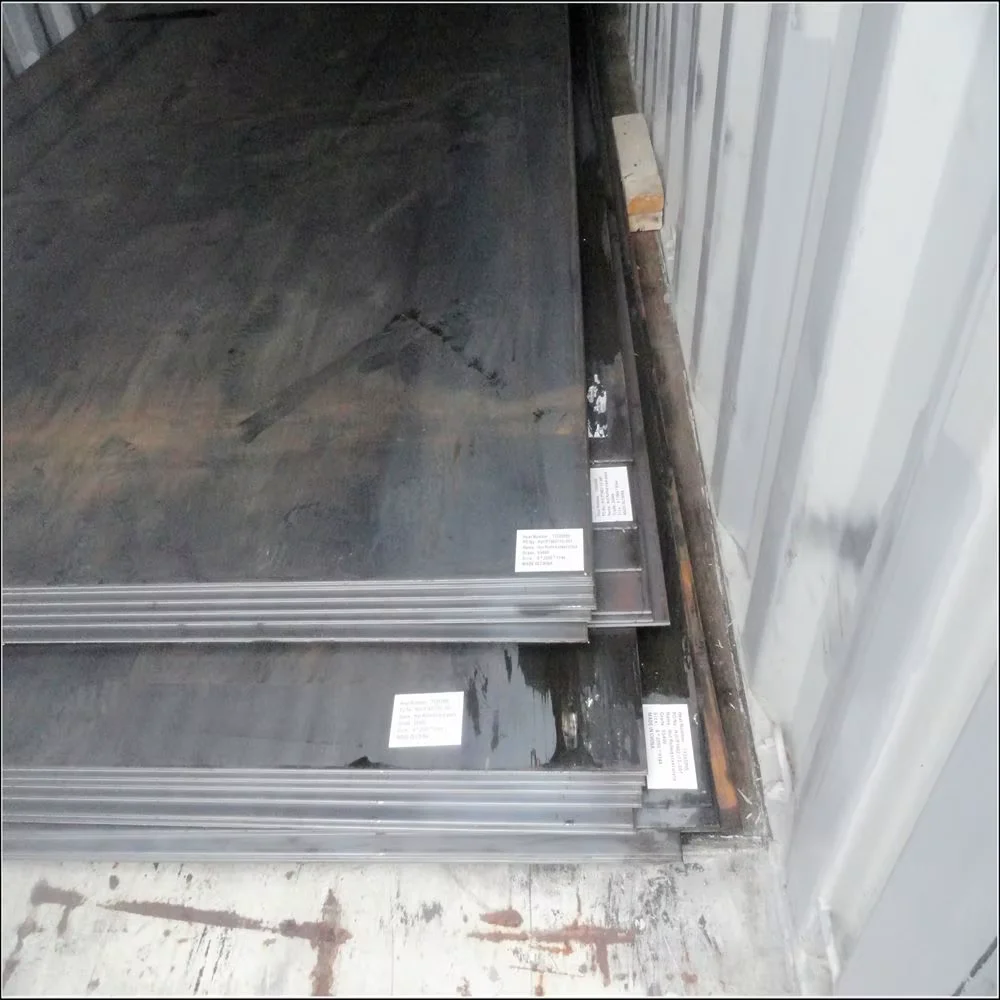
- Container loading optimized for 1500 × 6000 mm plates, with 20-ton payload per 20-foot general-purpose container and weight distribution calculated to avoid floor beam overload
- Custom cutting to non-standard widths and lengths available upon request, with kerf allowance and edge condition specified at the inquiry stage
- Each bundle tagged with heat number, steel grade, thickness, and purchase order reference for traceability at the fabrication shop
- FOB, CIF, and DDP shipping terms available from Qingdao port, with professional stowage planning to maximize container utilization for mixed-size plate orders
Submit Your Plate Specification for Pricing and Mill Certificate Review
Send your required steel grade, thickness, width, length, and quantity by email or WhatsApp, and we will respond within twelve hours with a competitive quotation, available stock confirmation, and a sample mill test certificate for your engineer’s review. If your project requires non-standard dimensions or third-party inspection at loading, specify this in the inquiry so we can include the additional cost and lead time in the offer.
Request a Quotation with Mill Test Certificate
Email: admin@sdxinjiyuan.com | WhatsApp: +86 188 5315 7756
Frequently Asked Questions
Q: What is the difference between SS400, Q235, and A36, and can they be used interchangeably?
A: SS400 (JIS G3101), Q235 (GB/T 700), and A36 (ASTM A36) are all general-purpose carbon steel grades with overlapping tensile strength ranges, but they are governed by different national standards and have distinct chemistry requirements. They cannot be automatically substituted on project documentation without a formal grade equivalence review by the specifying engineer. We supply all three grades and can provide cross-reference documentation showing chemical and mechanical property comparisons for your engineer’s approval.
Q: How do you verify that the plate matches the ordered grade before shipment?
A: Every hot rolled carbon steel plate is checked against its original mill test certificate, which records the heat number, chemical composition, and mechanical test results from the producing mill. Our in-house laboratory performs dimensional verification and surface inspection, and we can arrange SGS or BV third-party inspection at the loading port for independent confirmation of grade and quality before the container is sealed.
Q: Can you supply plates in custom thickness or width outside the standard 1500 × 6000 mm size?
A: Yes. While our standard stock covers 3–200 mm thickness in 1500 mm width and 6000 mm length, we accept custom rolling orders for non-standard widths and lengths. Lead time for custom sizes depends on the producing mill’s rolling schedule, and we will confirm the exact delivery window at the quotation stage.
Q: What documentation is required for importing hot rolled carbon steel plate into the European Union?
A: Plates for structural applications entering the EU must carry CE marking under EN 10025 and be accompanied by a Declaration of Performance, mill test certificate EN 10204 Type 3.1, and commercial shipping documents. We supply all required documentation and can arrange Lloyd’s CE certification for projects requiring third-party conformity assessment.
Q: What is the theoretical weight calculation for carbon steel plate, and how does negative tolerance affect it?
A: Theoretical weight is calculated as thickness (mm) × width (m) × length (m) × 7.85 kg/m³. Hot rolled plate is typically produced under negative tolerance, meaning the actual thickness may be slightly below the nominal dimension within the standard’s permitted range. The actual delivered weight will therefore be lower than the theoretical weight, and pricing is usually based on actual weight or theoretical weight with a clearly stated tolerance allowance.
Secure Your Hot Rolled Carbon Steel Plate with Verified Mill Certificates
Submit your grade, size, and quantity to receive a quotation and sample test certificate within twelve hours.
Email: admin@sdxinjiyuan.com | WhatsApp: +86 188 5315 7756