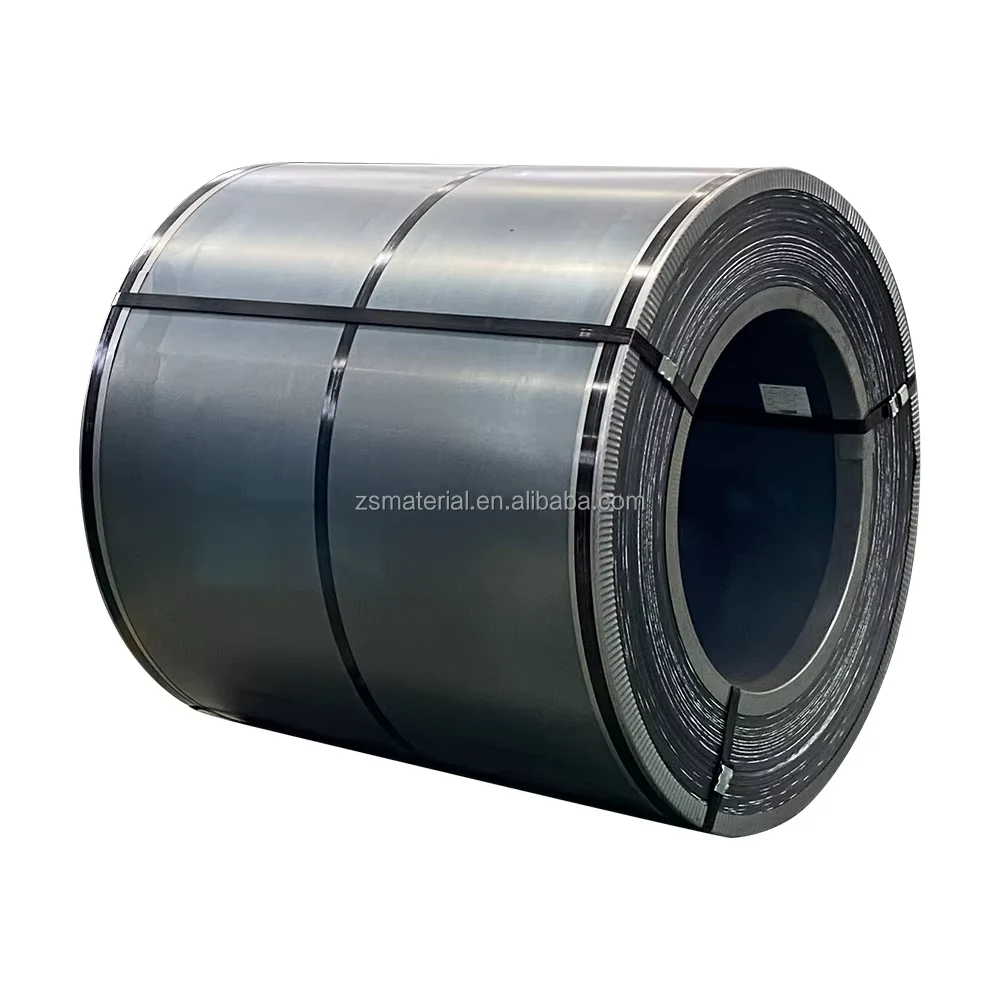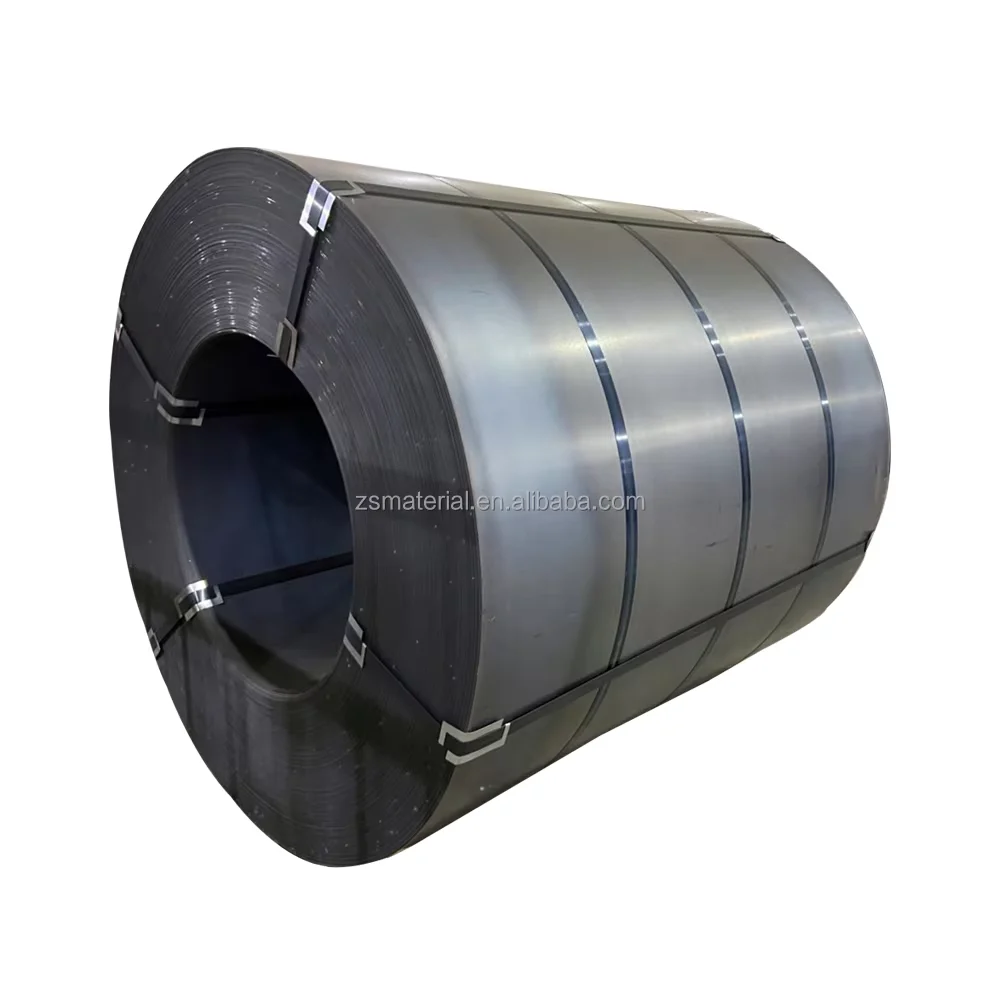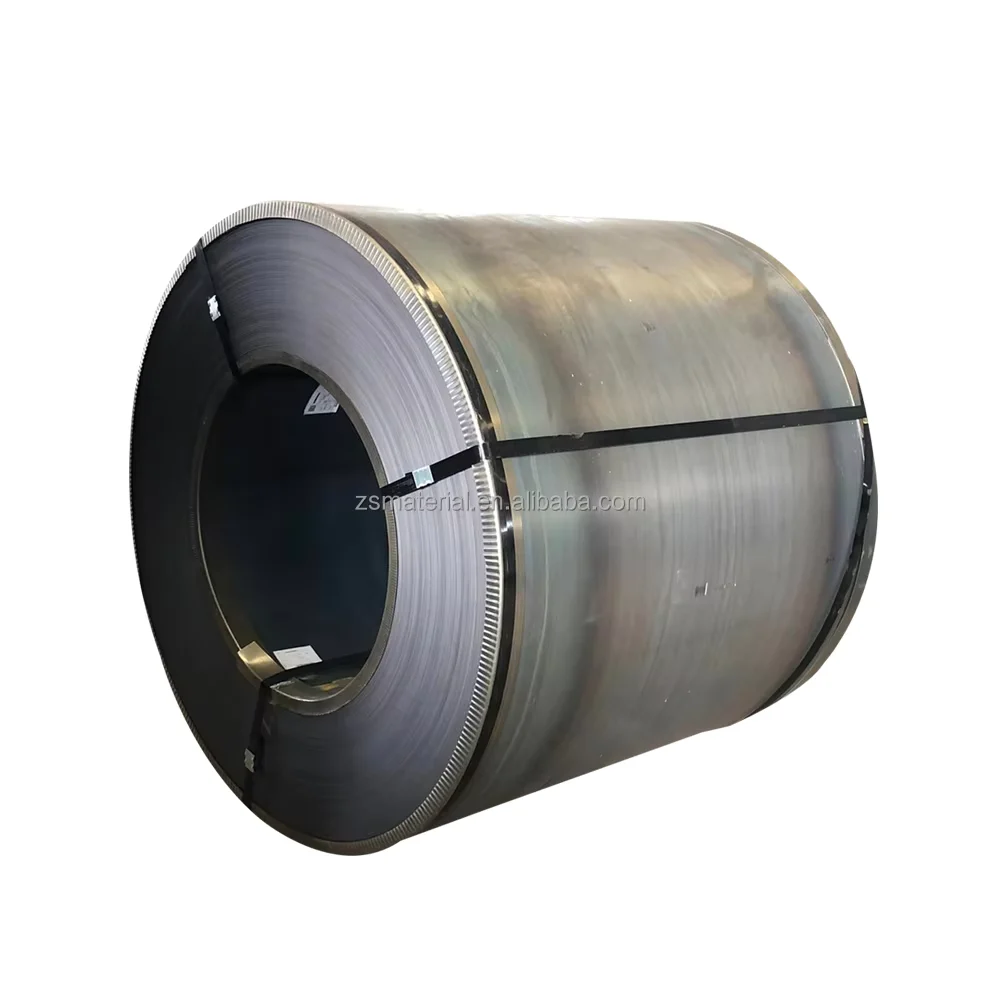
Description
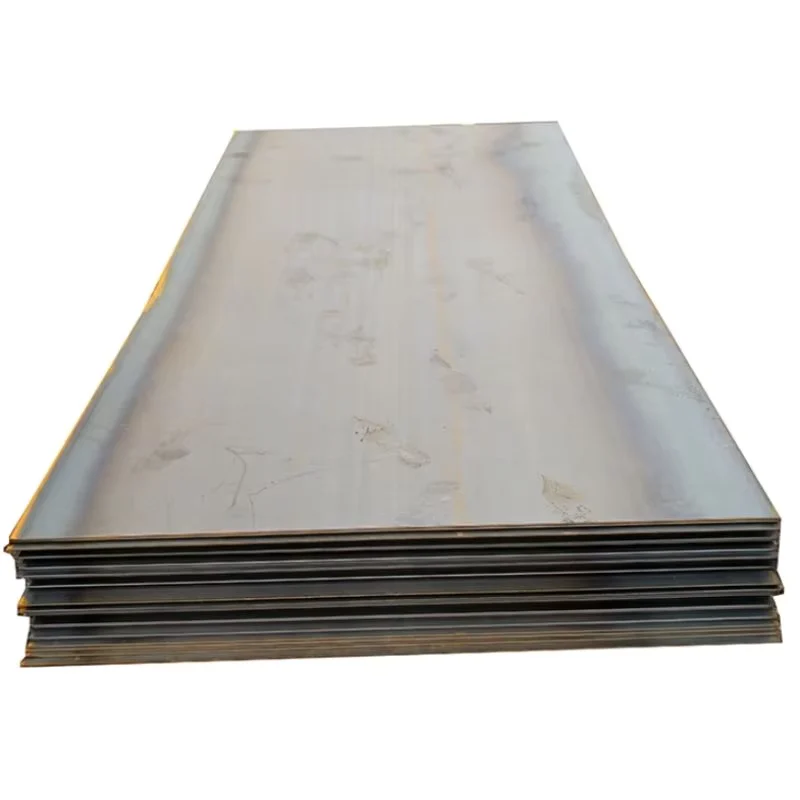
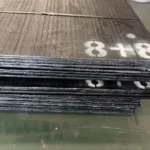
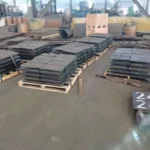
Factory-Direct Q690 AR400 Q235 Wear Resistant Hot Rolled Steel Plate Supply — Every plate rolls from our own production lines in Jinan, backed by original mill test certificates and third-party inspection before container sealing.
Technical Specifications
| Parameter | Value |
|---|---|
| Designation | Q690 / AR400 / Q235 Wear Resistant Hot Rolled Steel Plate |
| Product Type | Steel Plate |
| Steel Grade | Q690, AR400, Q235 |
| Standard | AISI |
| Technique | Hot Rolled |
| Surface Treatment | Hot Rolled |
| Tolerance | ±1% |
| Application | Construction, Petrochemical, Machinery, Bending & Welding Fabrication |
| Origin | Shandong, China |
Application Suitability
| Industry | Typical Applications |
|---|---|
| Construction Machinery | Excavator bucket liners, loader blade edges, crusher wear panels |
| Petrochemical | Pressure vessel shells, structural support platforms, pipe rack frameworks |
| Mining & Aggregates | Conveyor chute liners, hopper walls, screen deck plates |
| Industrial Fabrication | Heavy-duty machine bases, welding fixtures, bending-formed structural components |
When Hardness Certification Decides Whether Your Wear Plates Survive the First Month
A mill certificate that reads AR400 means nothing if the actual hardness at destination tells a different story.
I have seen entire shipments of wear resistant plates arrive at Southeast Asian ports with paperwork claiming full compliance, only for third-party inspection to reveal surface hardness falling well below the abrasion-resistant threshold. The plates went onto excavator buckets and cracked within weeks under normal digging conditions. The replacement cost dwarfed the original purchase price, and the project timeline collapsed. [NEED_CITE: wear resistant steel plate hardness verification methods and standards]
This is not a rare edge case. Global steel buyers routinely face quality uncertainty when material properties on paper diverge from physical reality at the job site. Missing or incomplete certification compounds the problem — customs authorities in strict markets reject shipments lacking proper test documentation, and project engineers cannot sign off on components without traceable heat numbers.
How Hot Rolled Wear Plates Match Demanding Fabrication Environments
The Q690 AR400 Q235 wear resistant hot rolled steel plate lineup covers three distinct performance tiers for engineering teams that need both abrasion resistance and formability. Q690 delivers high-strength low-alloy performance for structural components requiring superior load-bearing capacity. AR400 provides the surface hardness necessary for direct-contact wear applications like chute liners and bucket edges. Q235 serves as a cost-effective structural carbon steel for general fabrication where extreme wear resistance is not the primary concern. The hot rolled surface condition ensures consistent thickness across the plate, and the ±1% tolerance holds dimensions within acceptable range for precision cutting and welding operations. Our production lines maintain full heat number traceability from slab to finished plate, so every piece shipped carries verifiable material lineage.
Engineering Compliance and Certification Requirements for Wear Plate Procurement
Structural and wear-resistant plate applications in regulated markets demand documentation that satisfies both the purchasing specification and the importing country’s customs framework. European projects typically require CE marking under EN 10210 or EN 10219 standards, while North American procurement references ASTM designations. The hot rolled production method produces plates with mechanical properties suitable for bending and welding, but the specific steel grade must align with the design engineer’s load calculations and wear life expectations. [NEED_CITE: steel plate certification requirements for international construction projects] Third-party inspection through SGS or BV provides independent verification of chemical composition and mechanical properties before shipment — a step that eliminates disputes at destination and satisfies project quality auditors. Custom thickness and width options allow procurement teams to order plates that minimize on-site cutting waste, and fixed-length delivery reduces secondary processing costs at the fabrication shop.
Steel Grade Selection and Hot Rolled Process Fundamentals
Understanding why Q690, AR400, and Q235 serve different roles begins with their metallurgical design intent. Q690 is a high-strength low-alloy steel engineered for applications where structural integrity under heavy loads matters more than surface abrasion resistance. AR400 belongs to the through-hardened wear-resistant family, designed specifically to withstand repeated impact and sliding abrasion in mining, aggregate, and earthmoving equipment. Q235 remains the baseline structural carbon steel across Chinese manufacturing — widely available, easily welded, and economical for non-critical structural frames.
The hot rolling process shapes steel at temperatures above its recrystallization point, producing plates with uniform grain structure and predictable mechanical behavior. This differs from cold rolling, which improves surface finish but reduces ductility. For wear plate applications involving bending and welding, hot rolled surfaces accept standard welding consumables without pre-heating requirements in most thickness ranges, and the scale layer that forms during hot rolling provides temporary corrosion protection during storage and transit. [NEED_CITE: hot rolled vs cold rolled steel plate mechanical property differences]
Tolerance control at ±1% ensures that plate thickness remains consistent enough for CNC cutting operations and fit-up welding jigs. Wider tolerance bands create gaps in welded assemblies and force fabricators to compensate through grinding or filler metal buildup — both of which add cost and introduce potential weak points.
The Hidden Cost of Procuring Wear Plates Without Verified Hardness
Ordering wear resistant steel plate based solely on a supplier’s written specification — without independent hardness verification — exposes projects to failure modes that surface only after installation. Plates that fail to meet their stated hardness grade will wear prematurely, requiring unplanned shutdowns for replacement. In structural applications, material that does not conform to its designated steel grade may pass initial visual inspection but fail under load testing or during the structure’s operational life. [NEED_CITE: consequences of non-conforming steel plate in structural applications]
Certification gaps create a separate but equally costly problem. Shipments arriving without original mill test certificates face customs holds in markets that require documented proof of material compliance. The delay triggers demurrage charges, missed project milestones, and in some cases, outright rejection of the entire container. Re-ordering from a verified source under time pressure eliminates any cost advantage the original non-compliant supplier may have offered.
Procurement Advantages of Direct Factory Supply for Wear Plate Orders
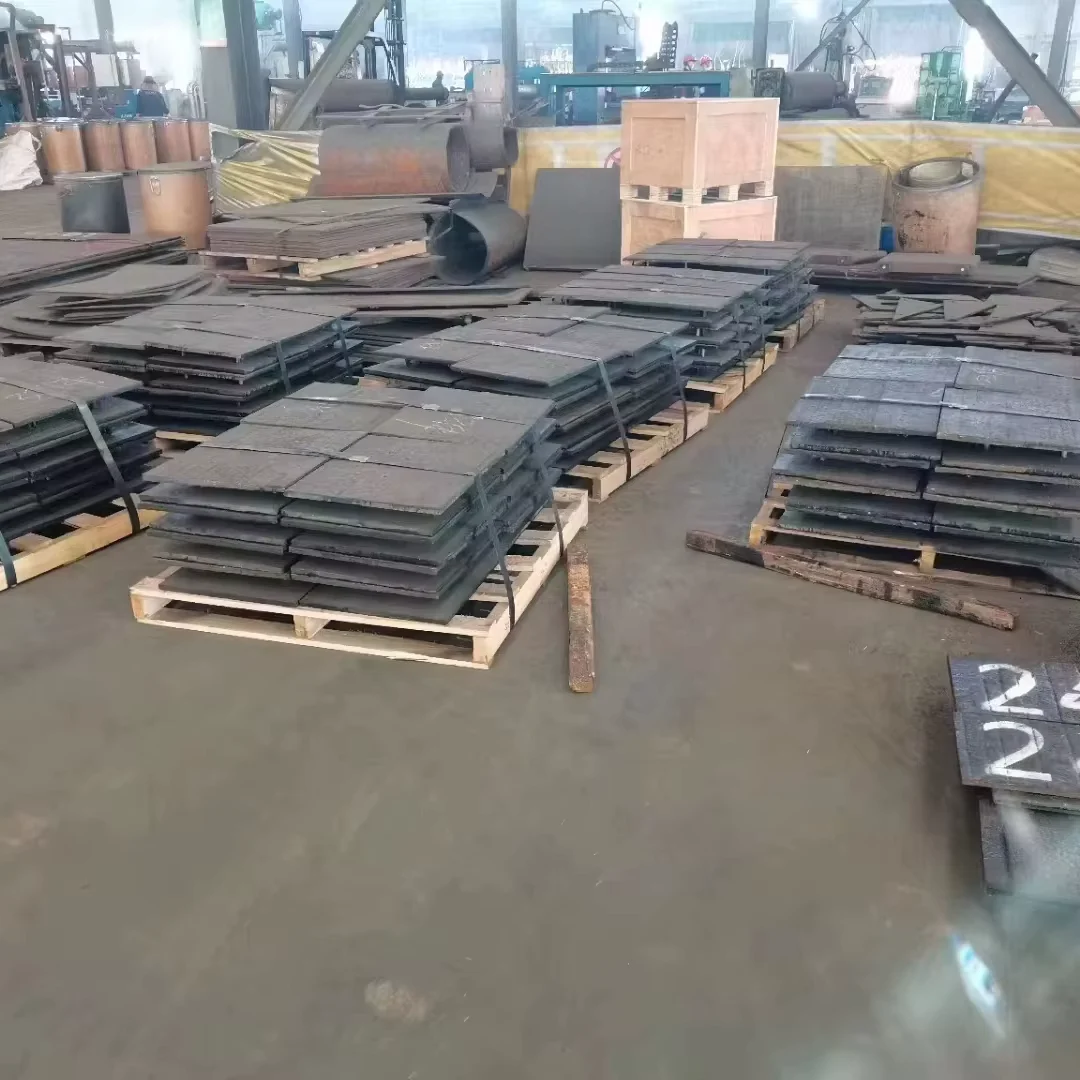
Sourcing Q690 AR400 Q235 wear resistant hot rolled steel plate directly from our Jinan production facility eliminates intermediary margins and provides full visibility into manufacturing quality. Our in-house laboratory conducts three-stage inspection on every production batch — incoming raw material verification, in-process dimensional and surface checks, and final mechanical property testing against the specified steel grade. Original mill test certificates accompany every shipment, documenting chemical composition and test results by heat number.
For buyers requiring independent verification, we arrange SGS or BV third-party inspection at our facility before container loading. Our export team handles complete documentation packages including packing lists, bills of lading, and certificates of origin, reducing customs clearance friction at destination ports. The production lines run three parallel operations with monthly capacity exceeding 20,000 tons, supporting both urgent spot orders and scheduled bulk procurement programs. Flexible minimum order quantities accommodate trial purchases and full-container shipments alike, and consolidated loading allows mixing multiple steel grades and specifications within a single container to optimize freight cost per ton.
Documentation & Compliance
- Mill test certificate documenting Q690, AR400, or Q235 chemical composition and mechanical properties per heat number, issued from our in-house laboratory
- CE certification under EN 10210 / EN 10219 for European market compliance on structural and wear plate applications
- ISO 9001:2015 quality management system certificate covering the full production and inspection workflow
- SGS or BV third-party inspection report available upon request, verifying hardness, dimensions, and surface condition before shipment
- Full material traceability from slab heat number through final plate cutting, supporting project audit and regulatory compliance requirements
- Complete customs documentation package including packing list, bill of lading, and certificate of origin formatted for destination port requirements
Packaging, Loading & Delivery
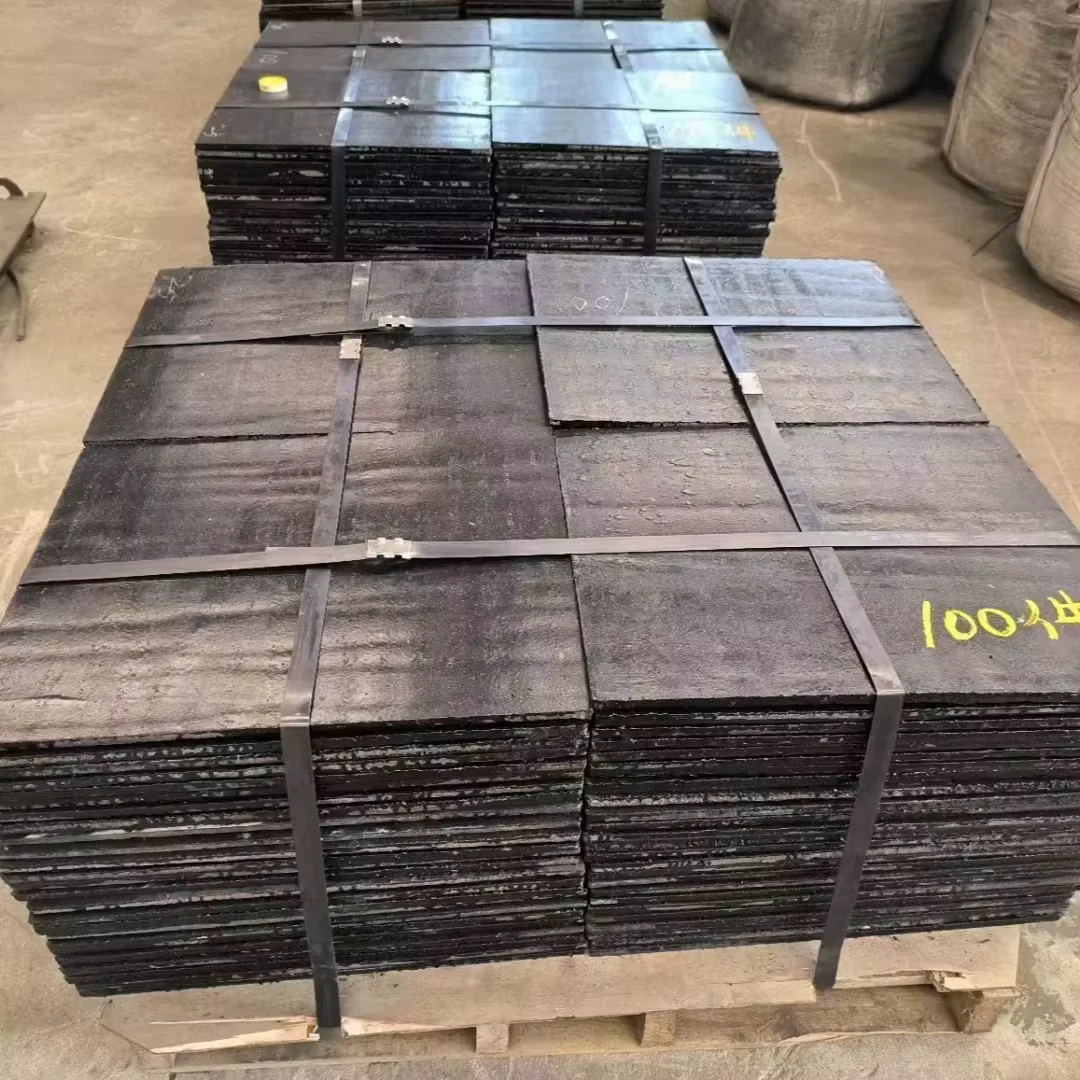
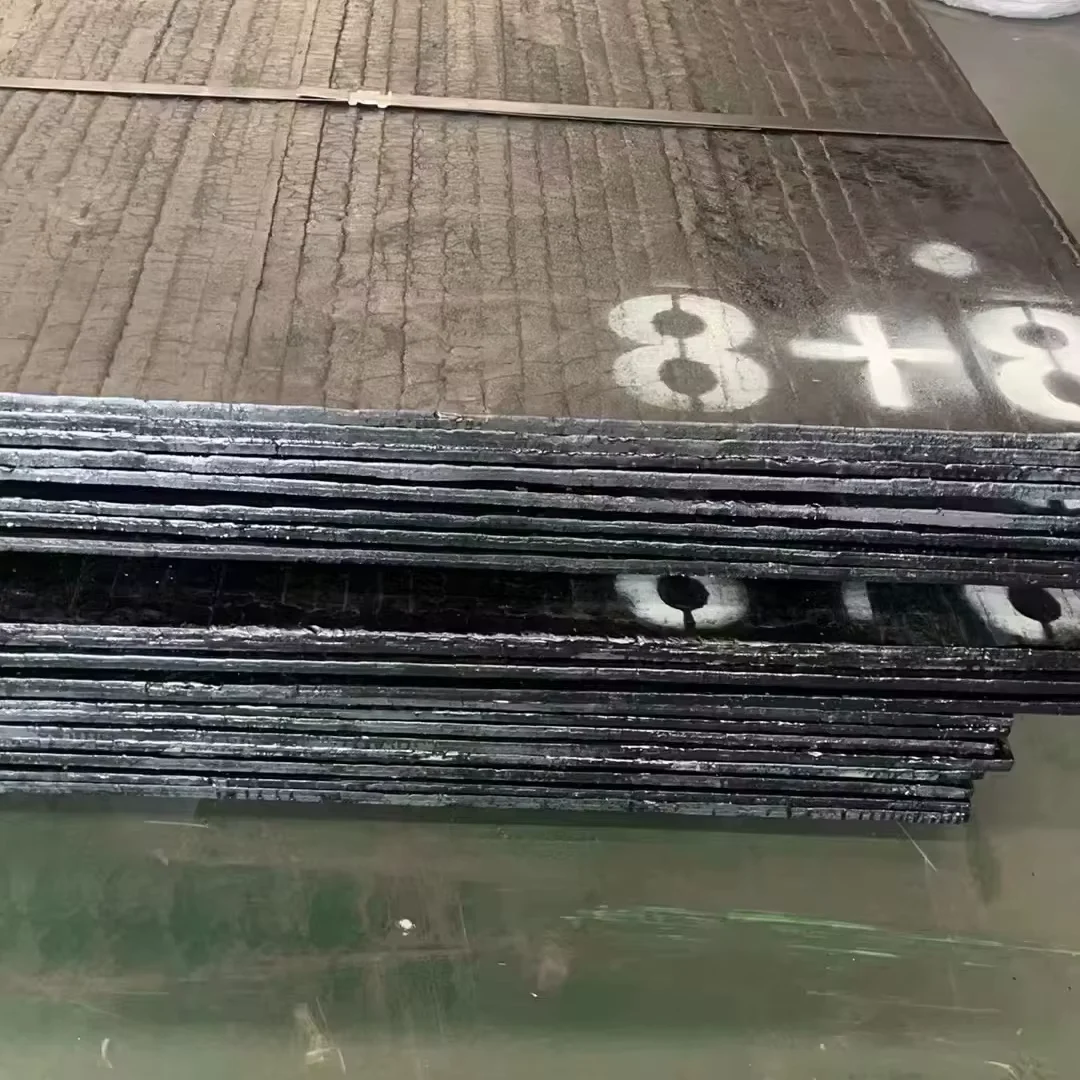
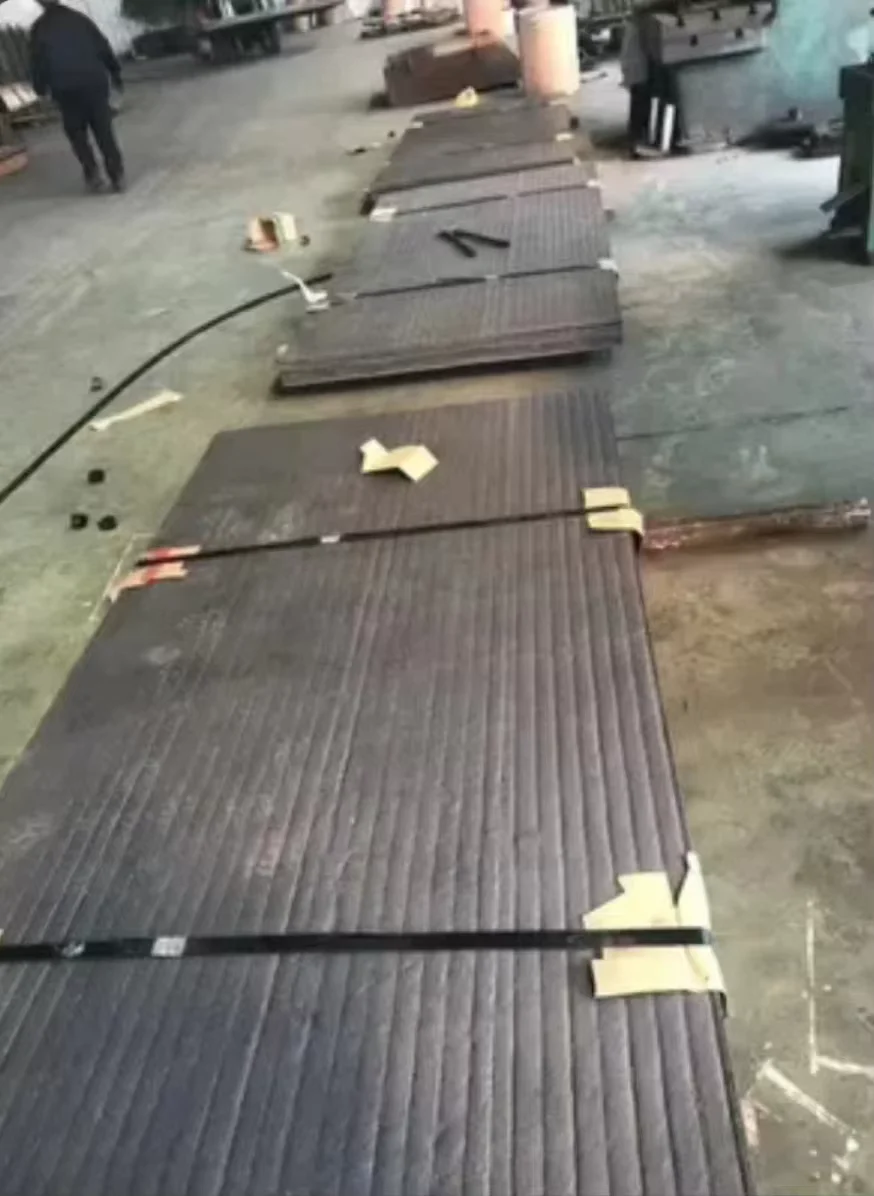
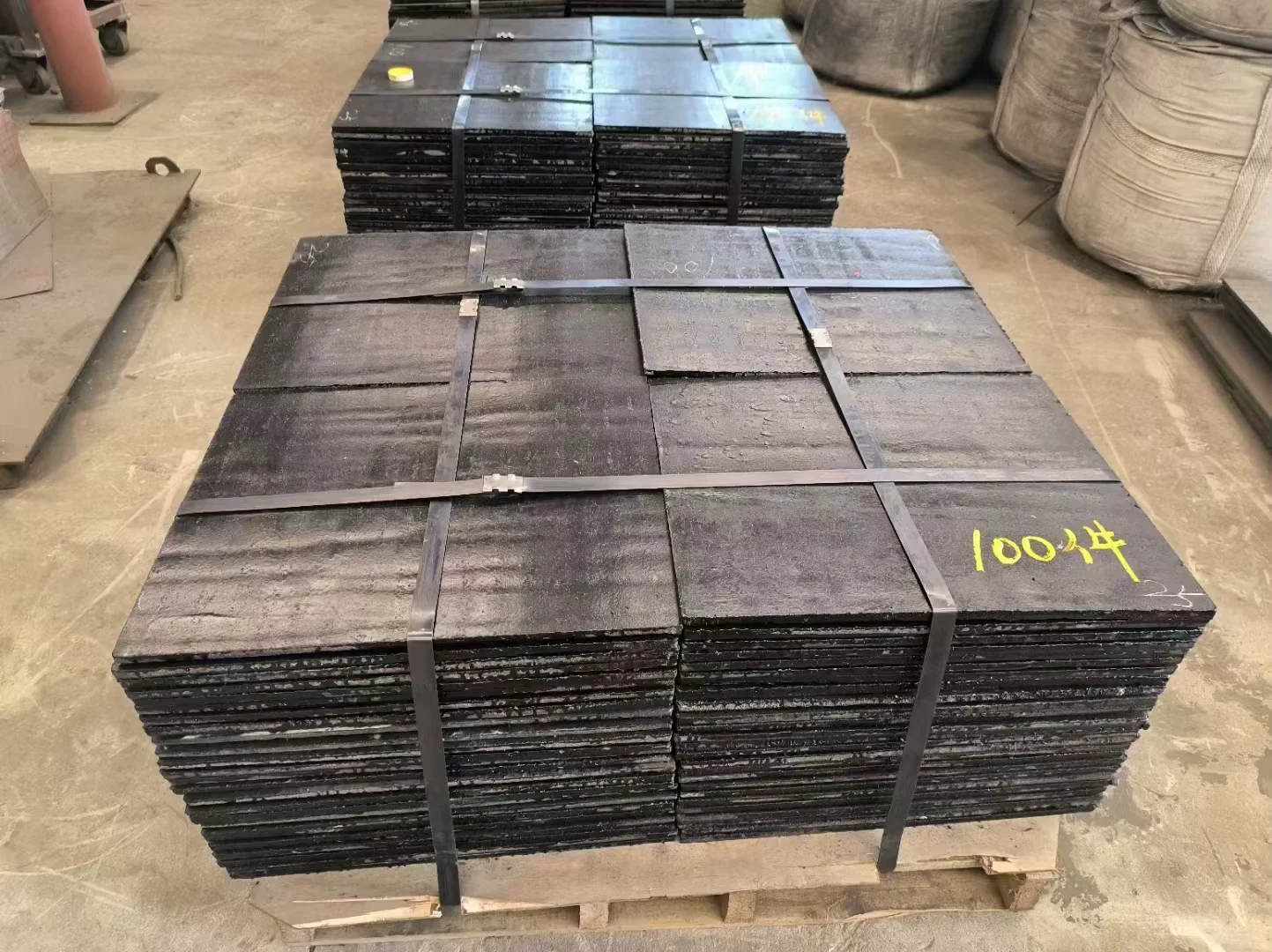
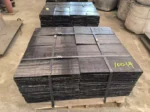
- Hot rolled Q690, AR400, and Q235 plates bundled with steel strip ties and edge protectors to prevent surface damage and maintain flatness during ocean transit
- Plate surfaces retain the natural hot rolled scale layer, providing temporary corrosion protection; additional oil coating available for extended storage or humid destination climates
- Container loading plans optimized by our export team to maximize payload per shipment, mixing plate thicknesses and widths to fill cubic capacity without exceeding weight limits
- Custom cut-to-length service available, reducing on-site cutting waste and allowing fabrication shops to receive plates ready for direct welding or machining
- Each plate bundle marked with heat number, steel grade designation, and dimensional specification for immediate identification at the receiving warehouse or job site
- FOB, CIF, and DDP shipping terms available with door-to-door logistics coordination for project sites requiring direct delivery
Getting Your Wear Plate Inquiry Processed
Submit your specification requirements — including steel grade preference, plate dimensions, quantity, and destination port — through email, WhatsApp, or phone. Our team responds within hours with a competitive quotation reflecting volume-based pricing, production lead time, and available certification options. For non-standard thickness or width requirements, we provide custom rolling schedules and confirm delivery timelines before contract execution.
Frequently Asked Questions
Q: What is the difference between Q690, AR400, and Q235 steel grades for wear plate applications?
A: Q690 is a high-strength low-alloy grade designed for structural applications requiring superior load-bearing capacity. AR400 is a through-hardened wear-resistant grade engineered for abrasion resistance in mining and earthmoving equipment. Q235 is a general-purpose structural carbon steel suitable for fabrication where extreme wear resistance is not the primary requirement.
Q: Can I request third-party inspection before shipment?
A: Yes. We arrange SGS or BV third-party inspection at our facility before container loading. The inspection covers hardness verification, dimensional checks, surface condition assessment, and visual quality review. Inspection reports are included in the shipment documentation package.
Q: What is the minimum order quantity for wear resistant steel plate?
A: We accept flexible minimum order quantities ranging from trial orders of one ton to full-container bulk shipments. Custom thickness and width options are available for orders meeting our production scheduling requirements.
Q: Do you provide mill test certificates with every shipment?
A: Every batch ships with original mill test certificates documenting chemical composition and mechanical properties by heat number. The certificates are issued from our in-house laboratory and accompany the shipment documentation for customs clearance and project compliance verification.
Q: How do you handle container loading for mixed steel grade orders?
A: Our export team prepares optimized loading plans that maximize container payload while maintaining weight distribution standards. Multiple steel grades and specifications can be consolidated within a single container, reducing freight cost per ton for buyers sourcing diverse material requirements.
Secure Your Q690 AR400 Q235 Wear Resistant Hot Rolled Steel Plate Supply
Send your specifications, quantity, and destination details to receive a factory-direct quotation with mill test certificate options and confirmed production scheduling.
Contact: Shandong Xin Jiyuan Special Steel Tube Co., Ltd
Tel: +86 531 8573 6315
Mobile / WhatsApp / WeChat: +86 188 5315 7756
Email: admin@sdxinjiyuan.com
Address: No.11889, Jingshi West Road, Lulian Group, Jinan City, Shandong Province, China