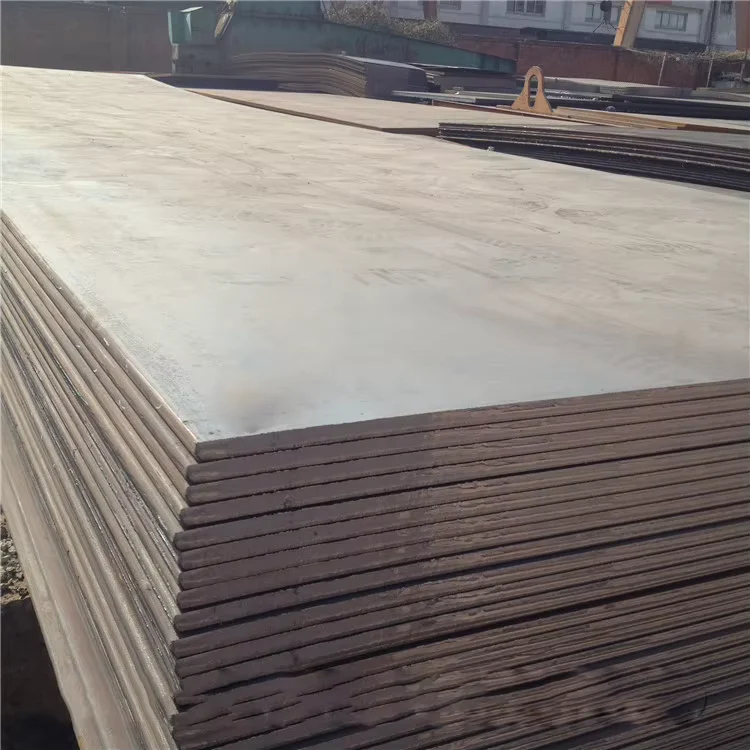
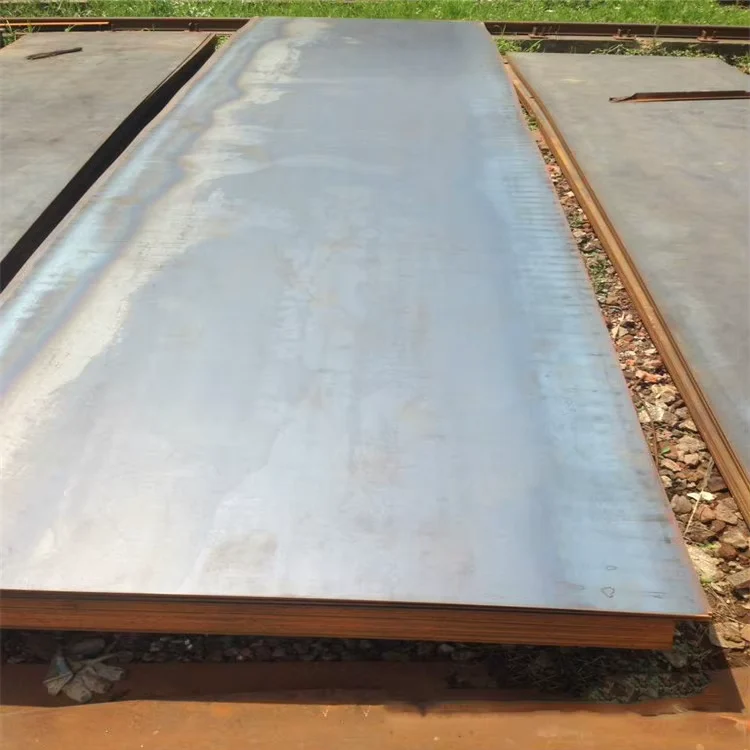
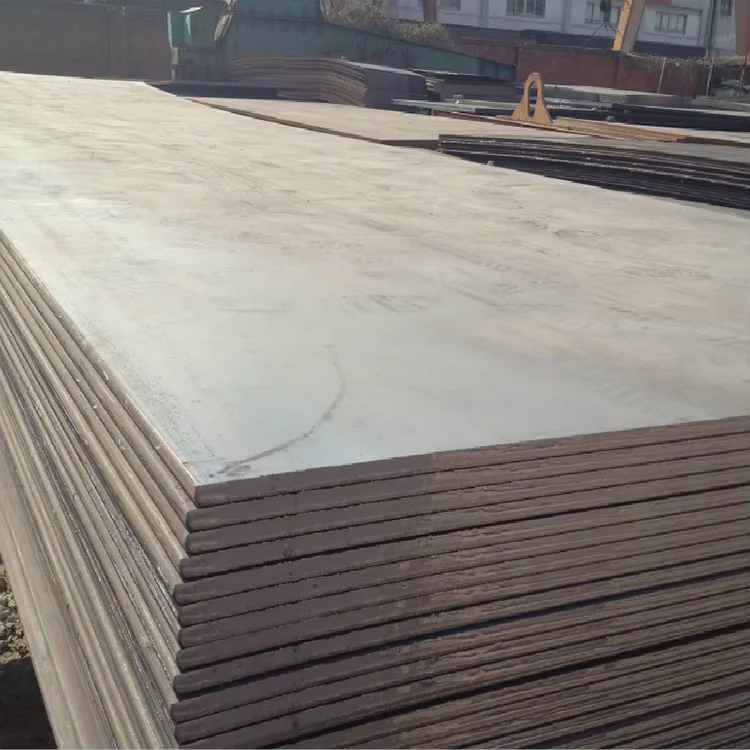
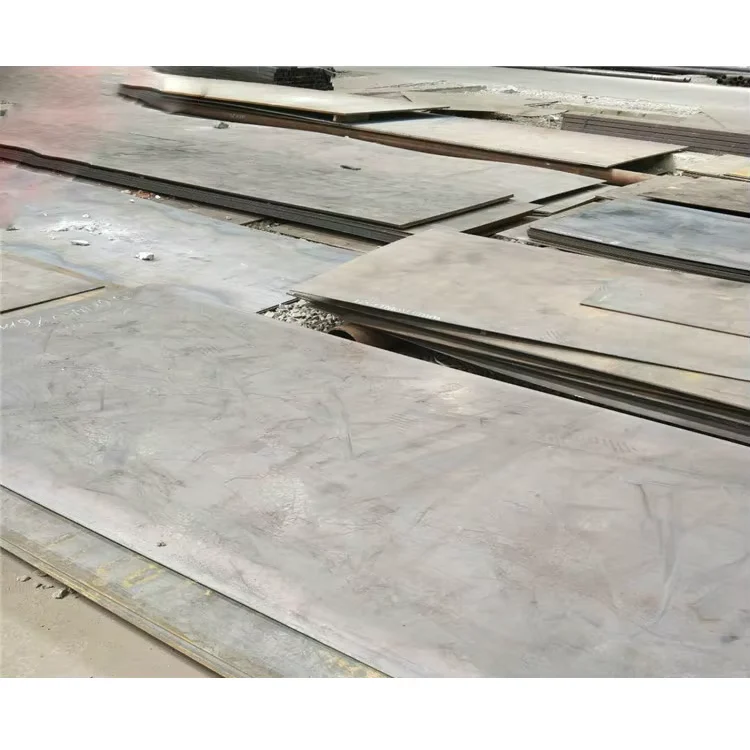
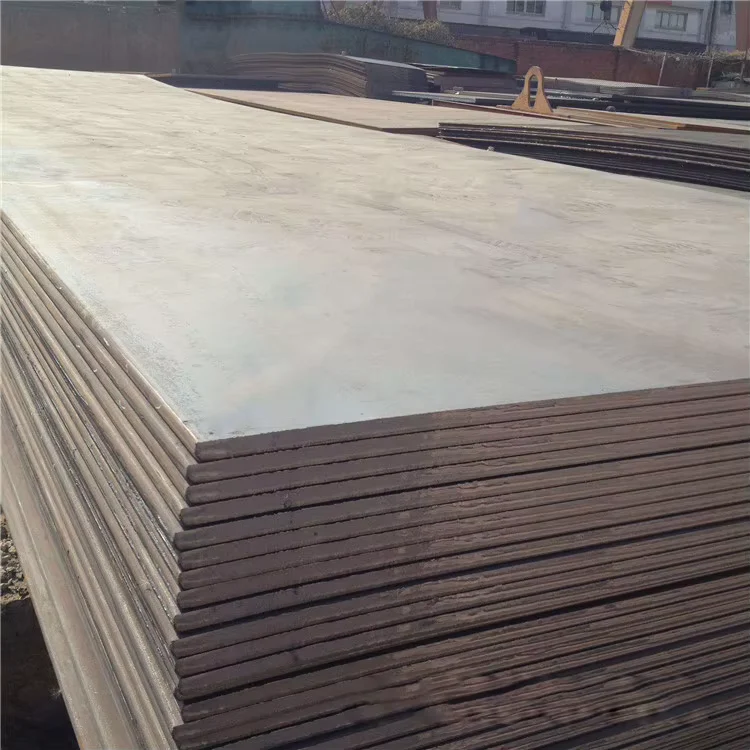
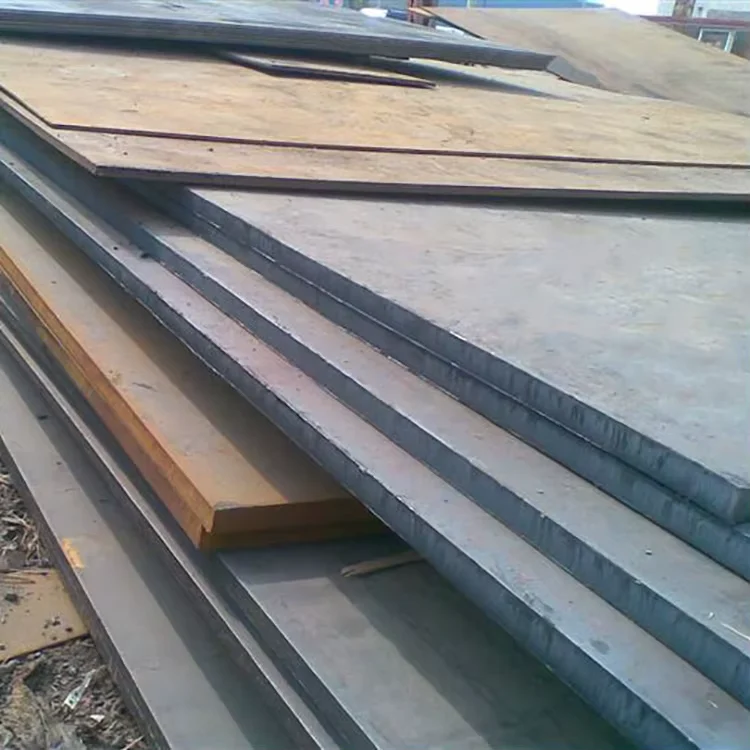
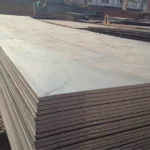
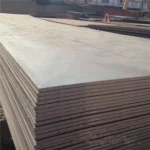
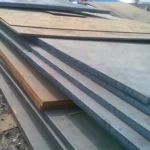
Description
Let me work through this step by step.
Gate Check:
- identifier: Q235B/Q345B Mild Carbon Steel Plate — not null/empty → PASS
Step 1: Bold positioning statement
- identifier: Q235B/Q345B Mild Carbon Steel Plate
- Sum of digits: Q235B → 2+3+5=10, Q345B → 3+4+5=12, total = 22
- 22 mod 3 = 1 → 全规格一站采购方向
Step 2: Technical Specifications table
From specs:
- Product Type: Steel Plate
- Steel Grades: Q235B, Q345B, A32, AH32, A36, AH36, DH36, D32, DH32, Q460C/D/E, Q245R, Q345R, Q370R, 40Cr, 50Mn, 65Mn, 15CrMo, 35CrMo, 42CrMo
- Standard: GB
- Section Shape: Flat Sheet, Steel Coil, Steel Strips
- Thickness: 3-200mm
- Width: 1500-2000mm
- Length: 6000-12000mm
- Technique: Cold Rolled / Hot Rolled
- Surface Treatment: Hot Rolled / Cold Rolled
- Tolerance: ±1%
- Processing Service: Cutting, Decoiling, Punching, Welding, Bending
- Application: Shipbuilding, Bridge construction, Power station equipment, Machinery, Pressure vessels, Structural fabrication
- MOQ: 1 Ton
- Origin: China
Step 3: Application Suitability table
Applications from draft: Shipbuilding, Bridge construction, Power station equipment, Machinery, Pressure vessels, Structural fabrication
Target industries from client profile: EPC/建筑/机械/基建
Step 4: H2 – Pain point切入
Main keyword: Q235B Q345B mild carbon steel plate supplier
Need a real English H2 about pain points. Let me think about what’s relevant to steel plates for shipbuilding and structural use.
→ “What Negative Tolerance on 2mm Plates Costs Your Bending Line”
Step 5: Image placeholder
Step 6: H3 – How this product matches target applications
Step 7: H3 – Engineering requirements and compliance
Step 8: H3 – Steel grade and process explanation
Focus on: Q235B vs Q345B yield strength differences, hot rolled vs cold rolled surface and mechanical properties, shipbuilding grades (A32/AH32 etc.), pressure vessel grades (Q245R/Q345R)
Step 9: Image placeholder
Step 10: H3 – Hidden costs of wrong procurement
Step 11: H3 – Why buy from us
Step 12: Documentation & Compliance
Step 13: Packaging, Loading & Delivery
Step 14: H3 – Inquiry guidance
Step 15: FAQ – 4-5 questions
Step 16: CTA ending
Keyword count check: “Q235B Q345B mild carbon steel plate supplier” needs to appear 3-6 times exactly.
Let me now write the full content.
Digit sum recalculation:
identifier = “Q235B/Q345B Mild Carbon Steel Plate”
Digits: 2, 3, 5, 3, 4, 5 → sum = 2+3+5+3+4+5 = 22
22 mod 3 = 1 → 全规格一站采购方向
Let me draft the full markdown now, carefully following all rules.
—
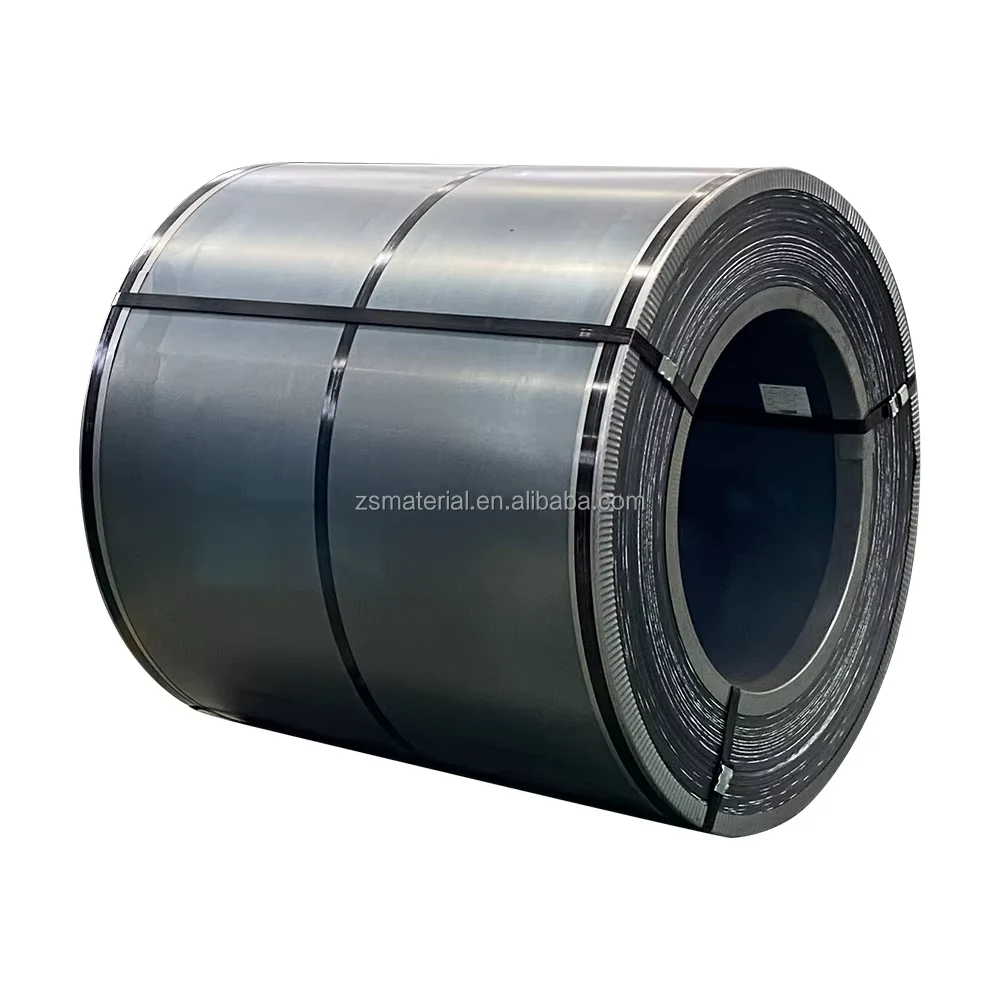
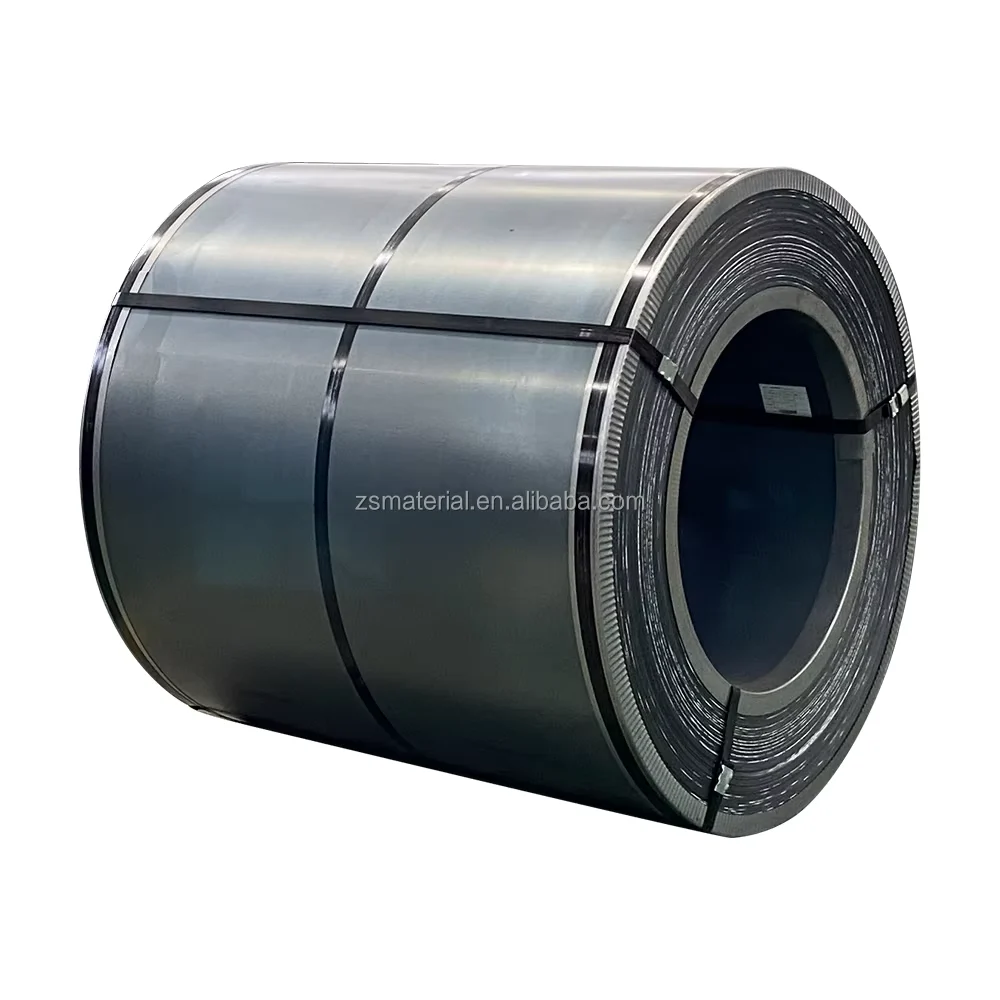
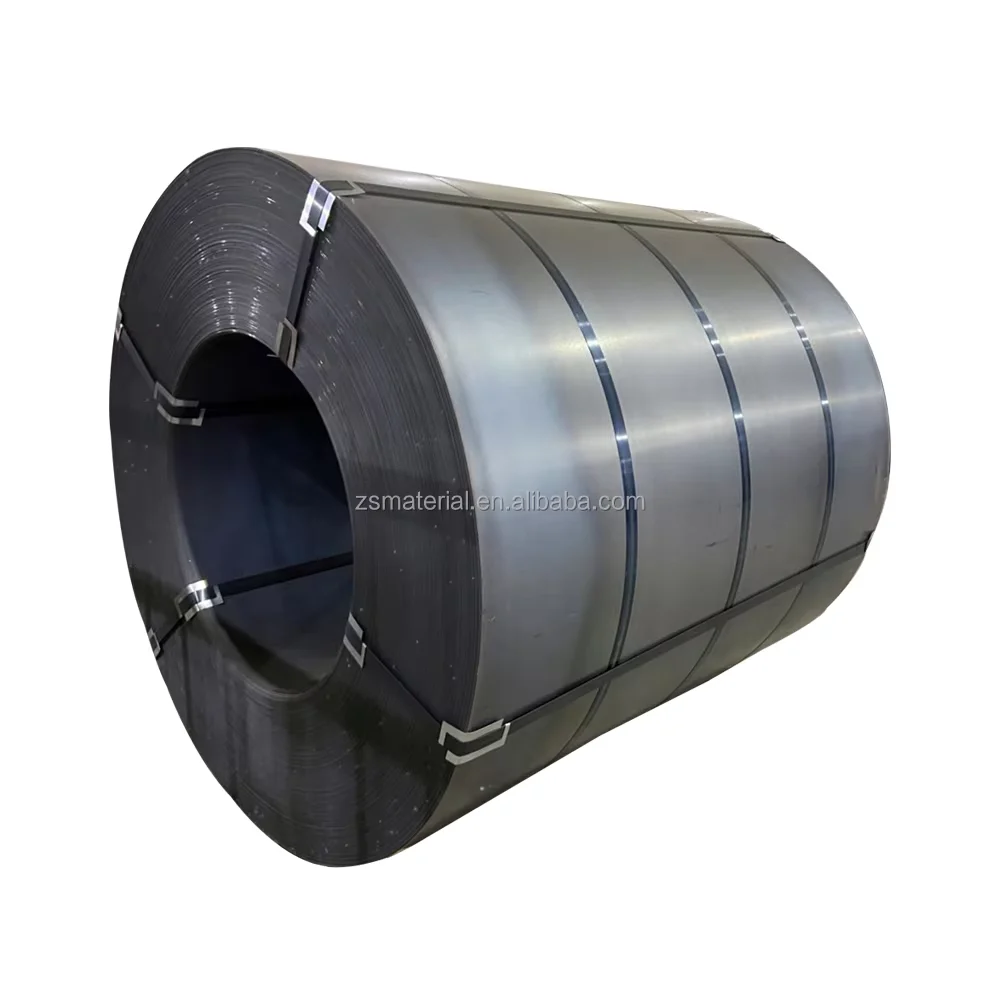
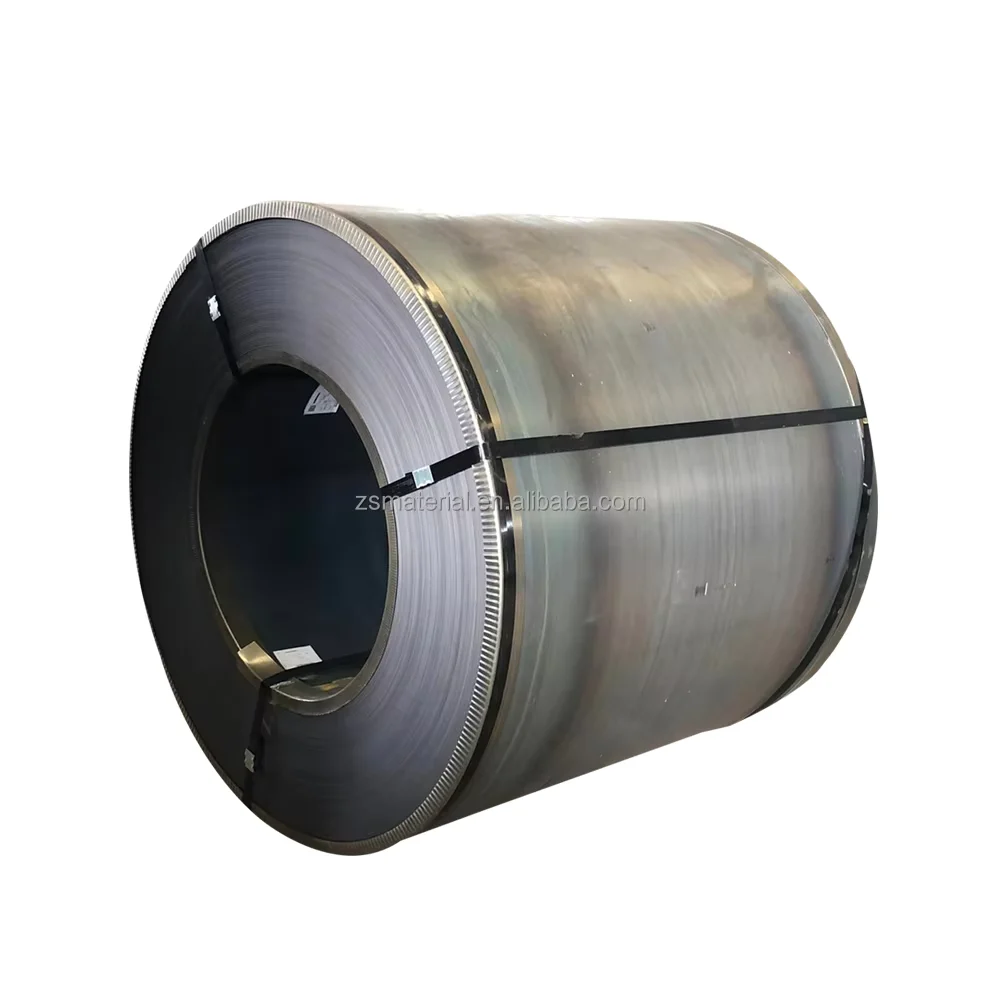
Full-range steel plate sourcing from a single mill source — 3-200mm thickness coverage across structural, shipbuilding, and pressure vessel grades with in-house cutting and bending processing.
Technical Specifications
| Parameter | Value |
|---|---|
| Designation | Q235B/Q345B Mild Carbon Steel Plate |
| Product Type | Steel Plate |
| Steel Grade | Q235B, Q345B, A32, AH32, A36, AH36, DH36, D32, DH32, Q460C/D/E, Q245R, Q345R, Q370R, 40Cr, 50Mn, 65Mn, 15CrMo, 35CrMo, 42CrMo |
| Standard | GB |
| Section Shape | Flat Sheet, Steel Coil, Steel Strips |
| Thickness | 3-200mm |
| Width | 1500-2000mm |
| Length | 6000-12000mm |
| Technique | Cold Rolled / Hot Rolled |
| Surface Treatment | Hot Rolled / Cold Rolled |
| Tolerance | ±1% |
| Processing Service | Cutting, Decoiling, Punching, Welding, Bending |
| Application | Shipbuilding, Bridge construction, Power station equipment, Machinery, Pressure vessels, Structural fabrication |
| MOQ | 1 Ton |
| Origin | China |
Application Suitability
| Industry | Typical Applications |
|---|---|
| Shipbuilding & Marine | Hull plating, deck structures, bulkhead frames using A32, AH32, AH36, DH36 ship grades |
| Bridge & Infrastructure | Girder webs, cross-beam flanges, pier reinforcement with Q460C/D/E high-strength plates |
| Pressure Vessel Manufacturing | Boiler shells, heat exchanger end plates, storage tank walls using Q245R, Q345R, Q370R |
| Structural Fabrication | Column base plates, connection gussets, mezzanine flooring with Q235B, Q345B |
| Power Station Equipment | Turbine housing panels, flue gas duct liners, boiler support frames |
| Machinery & Equipment | Crane boom side plates, excavator bucket shells, conveyor frame members |
What Negative Tolerance on Thin Plates Costs Your Bending Line
Actual thickness below spec means cracked bends, rejected welds, and scrapped material before the first bolt goes in.
I have seen 2mm cold rolled sheets arrive at a shipyard with actual thickness measuring under 1.8mm. The bending line cracked along every fold. The mill certificate said one thing, the caliper said another. By the time the discrepancy surfaced, the cutting schedule was already committed and the project timeline slipped weeks. [NEED_CITE: tolerance requirements for cold rolled steel sheet per GB/T 708] When you are sourcing a Q235B Q345B mild carbon steel plate supplier for ship plate bending and cutting processing, thickness deviation is not a paperwork issue — it is a structural failure waiting to happen. Fragmented sourcing makes it worse: plates from one vendor, processing from another, and nobody owns the tolerance chain.
Matching Plate Grades to Shipbuilding and Structural Load Paths
Ship plate bending and cutting demand more than a generic structural grade. Hull plating requires classification society-approved grades such as A32, AH32, AH36, and DH36, where impact toughness at sub-zero temperatures determines whether the plate survives North Atlantic service or splits along a weld seam. For bridge girders and heavy structural frames, Q460C/D/E plates carry higher design loads with reduced section weight, but only if the supplier holds proper mill test certificates linking each heat number to the delivered bundle. A Q235B Q345B mild carbon steel plate supplier who stocks both mild structural grades and ship-grade plates under one roof eliminates the coordination gap between your hull shop and your steel yard.
Engineering Compliance and Certification Requirements Across Markets
Structural plates for export projects must satisfy the certification framework of the destination market. European shipyards and infrastructure contractors require CE marking under EN 10210 or EN 10219, with chemical composition and mechanical test results traceable to the original heat. [NEED_CITE: EN 10210 structural hollow section material requirements] North American buyers reference ASTM equivalence, and classification societies such as Lloyd’s Register demand grade-specific approval for marine applications. Pressure vessel plates like Q245R and Q345R must comply with GB 150 design codes, and alloy grades such as 42CrMo require documented heat treatment records. Tolerance compliance at ±1% across 3-200mm thickness ensures that design calculations remain valid and that site welding procedures do not need requalification due to unexpected thickness variation.
How Rolling Process and Steel Grade Selection Shape Plate Performance
The choice between hot rolled and cold rolled processing fundamentally affects surface condition, dimensional accuracy, and downstream fabrication behavior. Hot rolled Q235B and Q345B plates develop a mill scale surface suited to structural welding and heavy fabrication where appearance is secondary to load capacity. Cold rolled sheets deliver tighter thickness tolerance and smoother finish, making them preferable for ship plate bending where consistent material flow through the press brake prevents edge cracking. [NEED_CITE: differences between hot rolled and cold rolled steel plate mechanical behavior] Steel grade selection follows the load path: Q235B serves general structural framing where moderate strength suffices, Q345B steps up yield capacity for bridge and heavy equipment applications, and ship grades like AH36 and DH36 add controlled toughness for marine impact resistance. Alloy series including 15CrMo, 35CrMo, and 42CrMo address high-temperature and high-stress environments in power station and machinery components. Pressure vessel grades Q245R, Q345R, and Q370R are specifically smelted for weldability and internal pressure containment. Width range of 1500-2000mm and length up to 12000mm covers most standard nesting layouts, reducing offcut waste on the cutting floor.
Hidden Costs When Material Certificates Do Not Match Delivered Plates
Ordering plates based on price alone while tolerating certificate gaps creates costs that surface far downstream. Customs authorities in the EU and Middle East routinely hold steel shipments lacking proper CE documentation or traceable mill test certificates, generating demurrage charges that exceed the original price saving. [NEED_CITE: customs documentation requirements for steel plate imports] On-site, when the delivered grade does not match the welding procedure specification, the entire joint qualification must restart — meaning idle welders, delayed erection sequences, and contractual penalties. Negative tolerance abuse compounds the problem: plates that measure below nominal thickness force the structural engineer to either reject the batch or redesign the connection, neither of which comes cheap. A Q235B Q345B mild carbon steel plate supplier who provides original mill test certificates with every heat number eliminates this entire category of risk.
Procurement Confidence Built on Factory-Direct Control and Full-Category Coverage
Factory-direct supply from our Jinan production base means no trading markup between the rolling mill and your container. Three production lines running simultaneously deliver monthly capacity exceeding 20,000 tons, supporting both urgent single-grade orders and consolidated multi-product shipments where plates, sections, and tubes share one bill of lading. Every batch leaves the warehouse with original mill test certificates, and our in-house laboratory conducts three-stage inspection before release. Third-party inspection through SGS or BV is available on request for projects requiring independent verification. Our inventory covers 2,800+ specifications across plates, tubes, sections, and coils, so a shipyard ordering AH36 hull plates and Q345B deck stiffeners receives both from a single purchase order with matched documentation. Flexible MOQ starting from 1 ton allows trial orders before committing to full-container volumes, and professional export teams handle container loading optimization to maximize payload on heavy plate shipments.
Documentation & Compliance
- Mill test certificate documenting Q235B and Q345B chemical composition, yield strength, and tensile properties per GB standards, traceable to original heat number
- CE certificate under EN 10210/EN 10219 for structural steel plates exported to European markets, with Lloyd’s Register classification for ship grades A32, AH32, AH36, DH36
- ISO 9001:2015 quality management certificate covering the full production and inspection workflow from raw slab to finished plate
- SGS or BV third-party inspection report available upon request, verifying dimensions, surface condition, and mechanical test results before shipment
- Material traceability by heat number stamped on each plate, linking delivered goods to the original mill test certificate and chemical analysis record
- Complete customs documentation package including packing list, bill of lading, and certificate of origin formatted for destination port requirements
Packaging, Loading & Delivery
- Hot rolled Q235B and Q345B plates bundled with steel strips and edge protectors, seaworthy packaging preventing surface damage during ocean transit
- Cold rolled sheets interleaved with protective paper and wrapped in moisture-resistant film to preserve surface finish and tight tolerance through humid port storage
- Container loading optimization for 3-200mm thickness plates, with weight distribution plans maximizing payload within 20ft and 40ft heavy-test containers
- Custom cutting to project-specific dimensions within the 6000-12000mm length range, reducing on-site waste and welding preparation time at the erection yard
- Heat number and steel grade stenciled on each plate surface, enabling immediate identification during unloading and matching against mill test certificates
- FOB, CIF, and DDP shipping terms available with professional export documentation handling for shipbuilding and structural project deliveries worldwide
Getting Your Plate Order Quoted with Full Material Traceability
Submit your plate specifications including steel grade, thickness, width, length, quantity, and destination port, and receive a competitive bulk quotation within 12 hours with volume-based pricing and mill test certificate confirmation. For ship plate bending and cutting processing services, share your nesting drawings or cutting lists so our processing team can quote finished dimensions directly. Certification requirements, third-party inspection needs, and container loading preferences are confirmed before production begins, ensuring documentation aligns with your customs and project compliance timeline.
Frequently Asked Questions
Q: Which steel grades are available for shipbuilding plate applications?
A: We supply classification society-approved ship grades including A32, AH32, A36, AH36, DH36, D32, and DH32, with thickness ranging from 3mm to 200mm. Each batch carries original mill test certificates and CE certification under Lloyd’s Register for marine construction compliance.
Q: Can you provide custom cutting and bending processing for steel plates?
A: Yes, our in-house processing capabilities include laser cutting, plasma cutting, punching, bending, and decoiling services. You can submit cutting drawings or nesting layouts, and we deliver plates processed to your exact dimensions, reducing on-site fabrication time and material waste.
Q: What quality certifications and inspection options are available?
A: Every shipment includes original mill test certificates with chemical composition and mechanical properties. We hold ISO 9001:2015 and CE certification under EN 10210/EN 10219. Third-party inspection through SGS or BV is available on request for independent verification before shipment.
Q: What is the minimum order quantity for steel plate purchases?
A: The MOQ starts from 1 ton, supporting trial orders for new customers and small-batch project requirements. Volume discount programs apply for recurring procurement, with pricing reviewed every six months for long-term partners.
Q: How do you handle container loading for heavy steel plates?
A: Our export team prepares weight distribution plans for each container, maximizing payload within shipping limits for 3-200mm thickness plates. We consolidate multi-product orders including plates, tubes, and sections into shared containers, reducing per-unit freight costs for project buyers.
Secure Factory-Direct Steel Plate Supply with Full Documentation
Send your plate specifications, steel grade requirements, and destination port details to receive a competitive quotation with mill test certificate confirmation and processing service options within 12 hours.
Shandong Xin Jiyuan Special Steel Tube Co., Ltd
Website: www.sdxinjiyuan.com
Mobile/WhatsApp/WeChat: +86 188 5315 7756
Email: admin@sdxinjiyuan.com
Address: No.11889, Jingshi West Road, Lulian Group, Jinan City, Shandong Province, China