

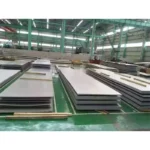
Description
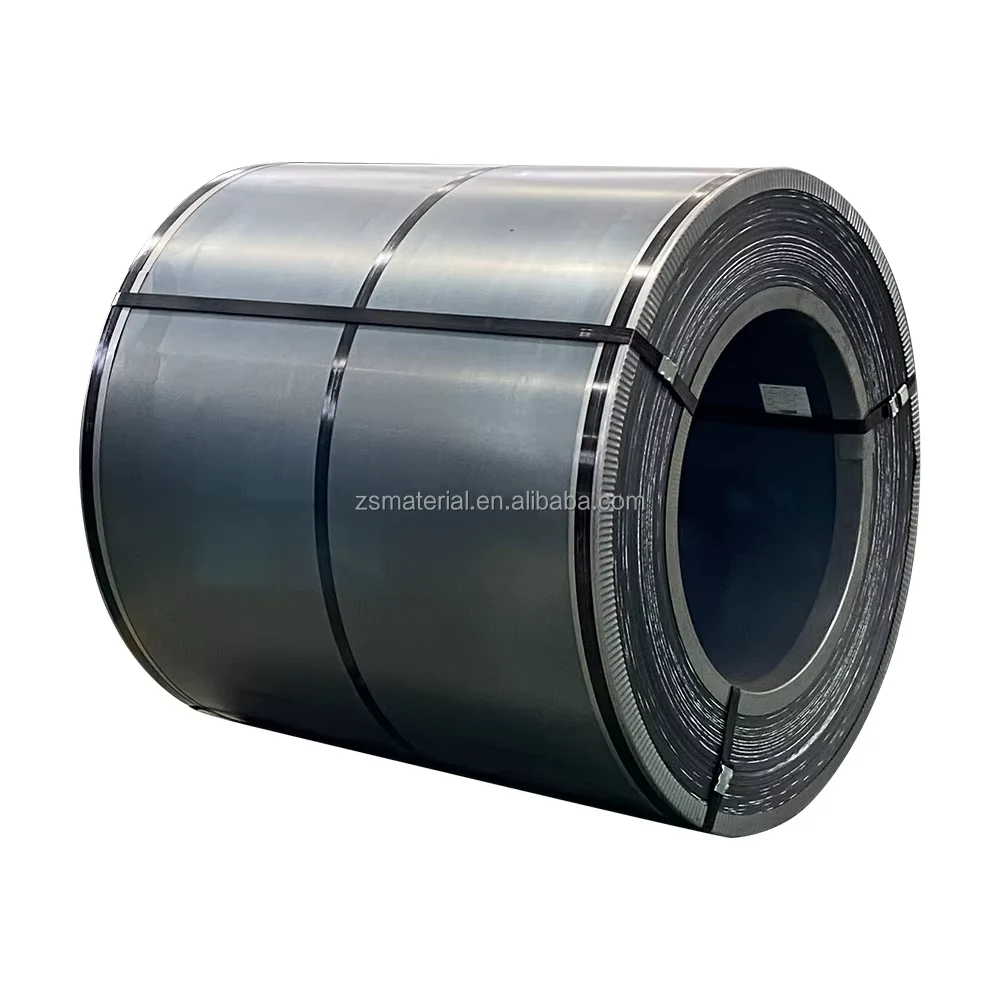
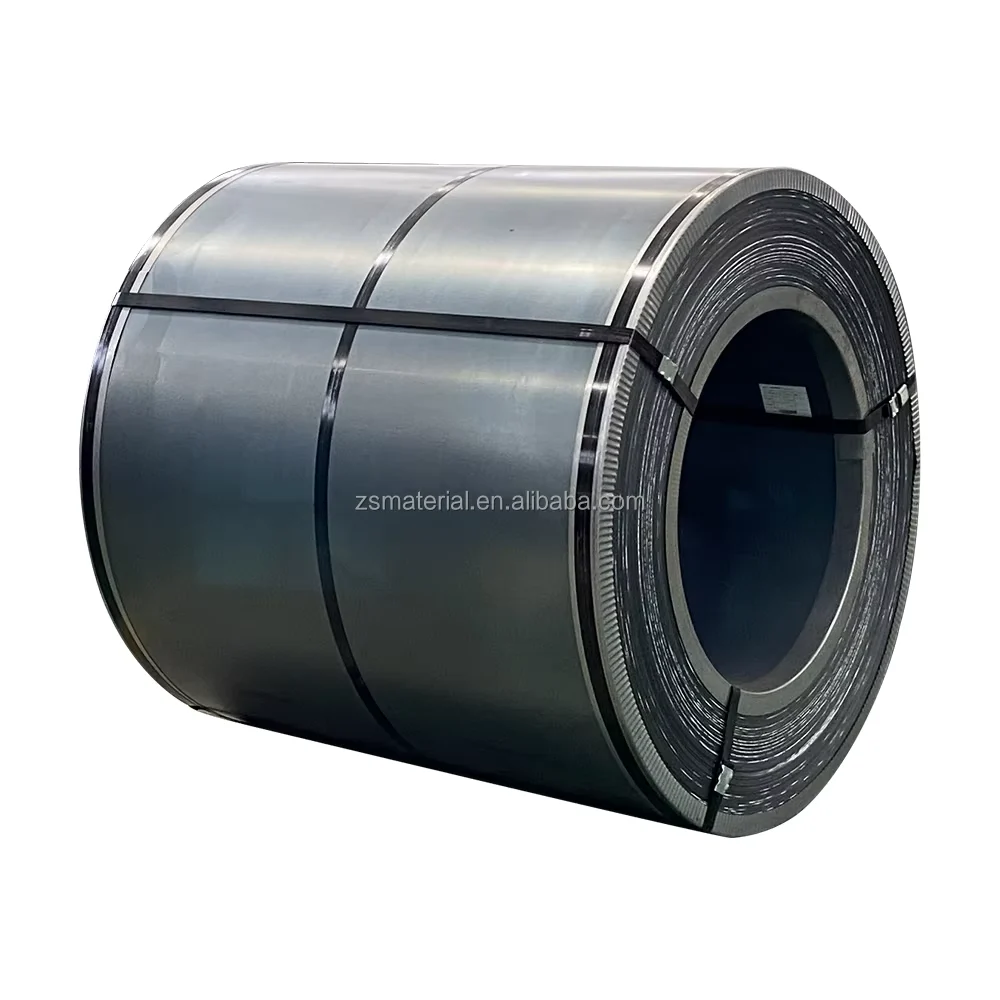
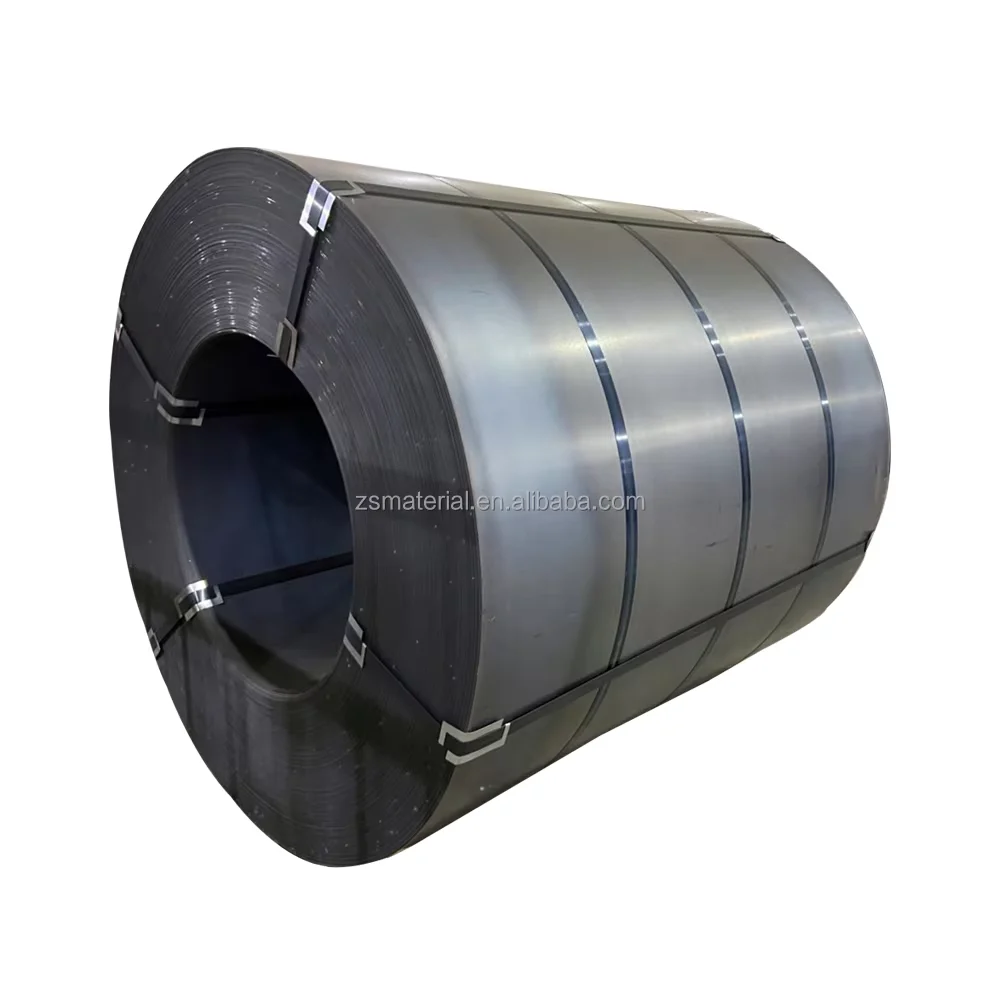
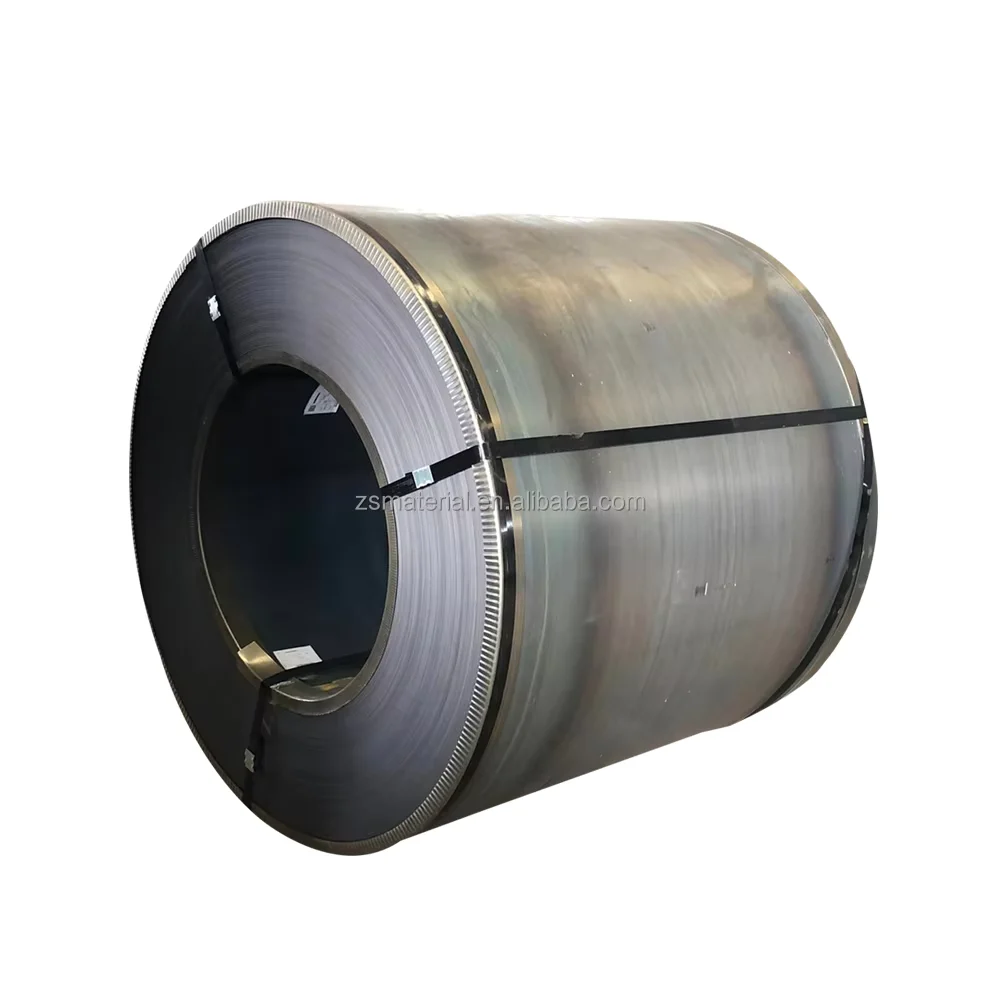
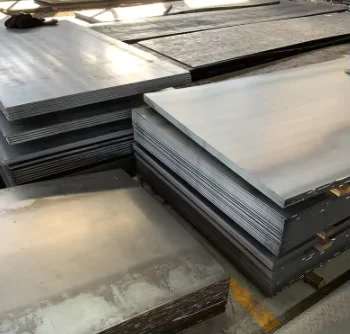
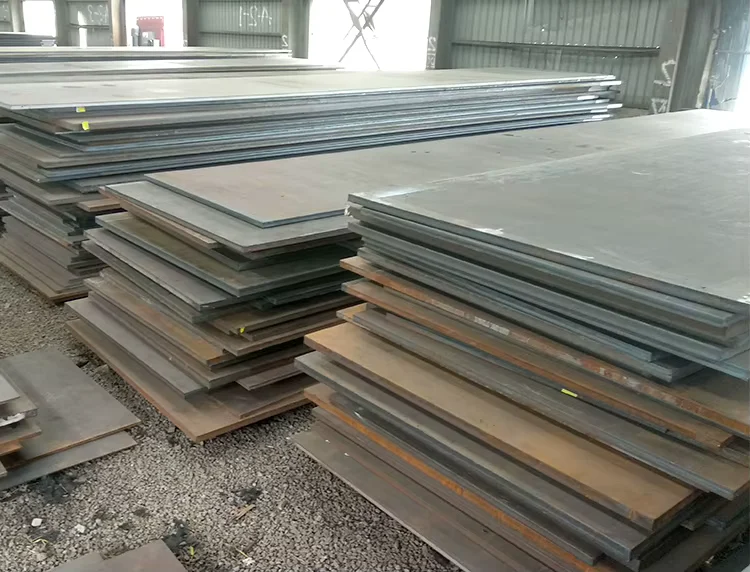
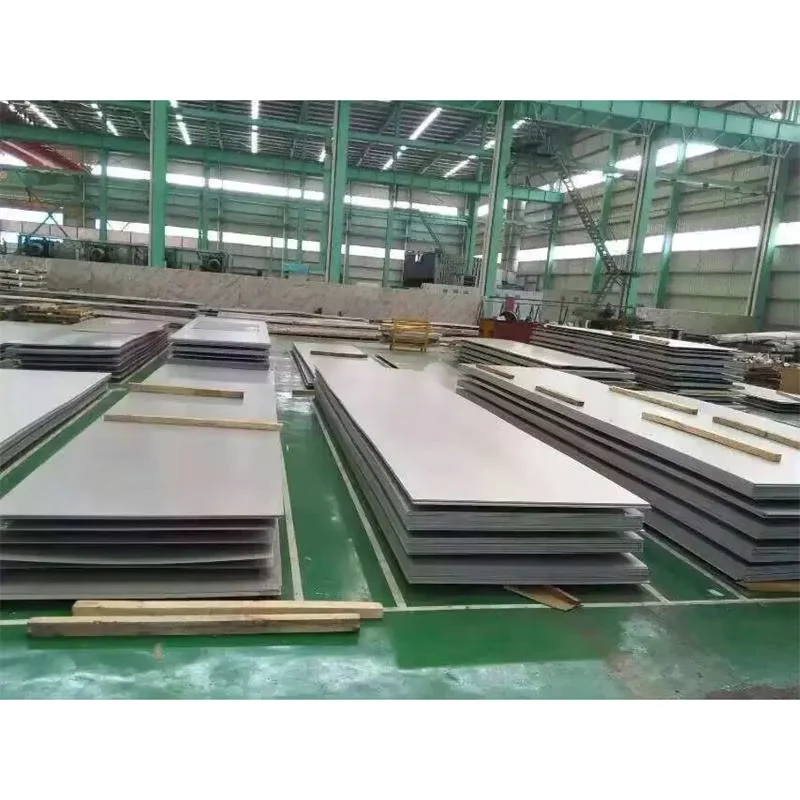
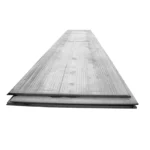
Factory-direct hot rolled plates — every Q235B/Q345B batch ships with original mill test certificates and is ready for SGS/BV third-party inspection before loading.
Technical Specifications
| Parameter | Value |
|---|---|
| Designation | Q235B Hot Rolled Carbon Steel Plate |
| Product Type | Steel Plate |
| Steel Grade | Q195, Q235, Q235B, Q345, Q345B, St37, St42, St37-2, St35.4, St52.4, St35 |
| Standard | ISO 9001, JIS, GB |
| Section Shape | Flat plate |
| Size Range (Width) | 600–2000mm |
| Length | 12m or custom |
| Technique | Hot Rolled / Cold Rolled (as custom’s request) |
| Surface Treatment | Hot Rolled |
| Tolerance | ±1% |
| Processing Service | Welding, Punching, Cutting, Bending |
| Packing | Standard Seaworthy Packing |
| Application | Construction, Petrochemical, Machinery Manufacturing, Transportation, Structural Fabrication, Building Frames, Industrial Platforms |
| MOQ | 5 Tons |
| Origin | Shandong, China |
Application Suitability
| Industry | Typical Applications |
|---|---|
| Construction & Infrastructure | Building frames, warehouse columns, industrial platform flooring, bridge gusset plates |
| Machinery Manufacturing | Machine base plates, crane boom side plates, conveyor frame gussets |
| Petrochemical | Tank farm foundation plates, pipe rack support brackets, pressure vessel base rings |
| Transportation | Truck trailer floor plates, container corner castings, railway wagon underframes |
| Structural Fabrication | Welded box girders, column base plates, moment connection end plates |
What Certification Gaps Cost on a 200-Ton Plate Order at Port
A missing or untraceable mill test certificate can hold an entire container at customs for weeks — long after the project schedule has moved on.
I watched a Jebel Ali retest drop S355JR yield below 340 MPa because the paperwork looked flawless but the chemistry did not match the heat number. For hot rolled carbon steel plates in Q235B and Q345B grades, the risk is not just a delayed shipment — it is re-melting, re-rolling, or scrapping structural members already cut to length. Buyers sourcing from fragmented suppliers often discover too late that the mill test certificate they received was issued for a different heat, or that the steel grade cross-reference to EN or ASTM was never validated by a third-party lab [NEED_CITE: steel grade equivalence between GB Q-series and EN S-series standards].
Matching Q235B and Q345B Plates to Structural Frame Loads
A warehouse frame in Southeast Asia typically calls for Q235B plates for non-critical gussets and Q345B for column bases and moment connections where higher yield strength reduces plate thickness and weld volume. As a Hot Rolled Carbon Steel Plate Supplier, we roll both grades on the same production line and ship them in one consolidated container, so the EPC contractor receives matched chemistry sheets with heat-number traceability from foundation plate to roof purlin clip. The ±1% thickness tolerance keeps theoretical weight calculations aligned with what the site actually receives — a detail that matters when a 200-ton order is priced by theoretical weight but paid by scale weight.
Engineering Compliance and Cross-Standard Traceability
For projects designed to EN 1993 or AISC, the steel plate must carry documentation that the inspector can trace back to the ladle analysis, not just a commercial invoice [NEED_CITE: EN 10219 structural hollow section material requirements]. Q235B is commonly accepted as equivalent to S235JR under EN 10025-2, while Q345B maps to S355JR — but this equivalence only holds when the mill test certificate explicitly lists chemical composition and mechanical properties against the target standard. Hot rolled surface finish is suitable for painted or fire-protected structural members; for corrosive environments, buyers typically specify cold rolled or request downstream galvanizing after cutting. Custom length capability up to 12m reduces on-site splicing, and the ±1% tolerance keeps fit-up within typical fabrication allowances.
Steel Grade Selection and Rolling Process Explained
The Q-series (Q195, Q235B, Q345B) follows the Chinese GB standard, where the number after “Q” indicates the minimum yield strength in MPa — Q235B yields at 235 MPa, Q345B at 345 MPa. European buyers often specify St37, St37-2, or St52.4 under DIN/EN, which correspond closely to Q235B and Q345B respectively in both chemistry and tensile behavior. Hot rolling produces a mill scale surface that is economical for structural applications where the plate will be painted or coated after fabrication; cold rolling delivers a tighter tolerance and smoother finish for machinery parts or exposed architectural elements. Width range from 600mm to 2000mm covers everything from stiffener plates to full web sections, and the 12m standard length aligns with typical container and flat-rack loading limits [NEED_CITE: hot rolled vs cold rolled steel plate dimensional tolerance comparison].
The Hidden Cost of Unverified Chemistry and Negative Tolerance Abuse
Ordering Q345B plates without third-party verification can mean receiving material that meets Q235B chemistry — a difference invisible to the naked eye but catastrophic when a column base plate yields under design load. Some suppliers quote by theoretical weight but ship with thickness tolerance pushed to the negative limit, so the buyer pays for 12mm plate and receives 11.3mm. The cost is not the steel price difference — it is the re-welding of connections, the re-engineering of bolt patterns, or the project delay when the inspector rejects the batch at the fabrication shop [NEED_CITE: structural steel plate tolerance and acceptance criteria under EN 10029].
Why Global Traders and EPC Buyers Source Hot Rolled Carbon Steel Plate Here
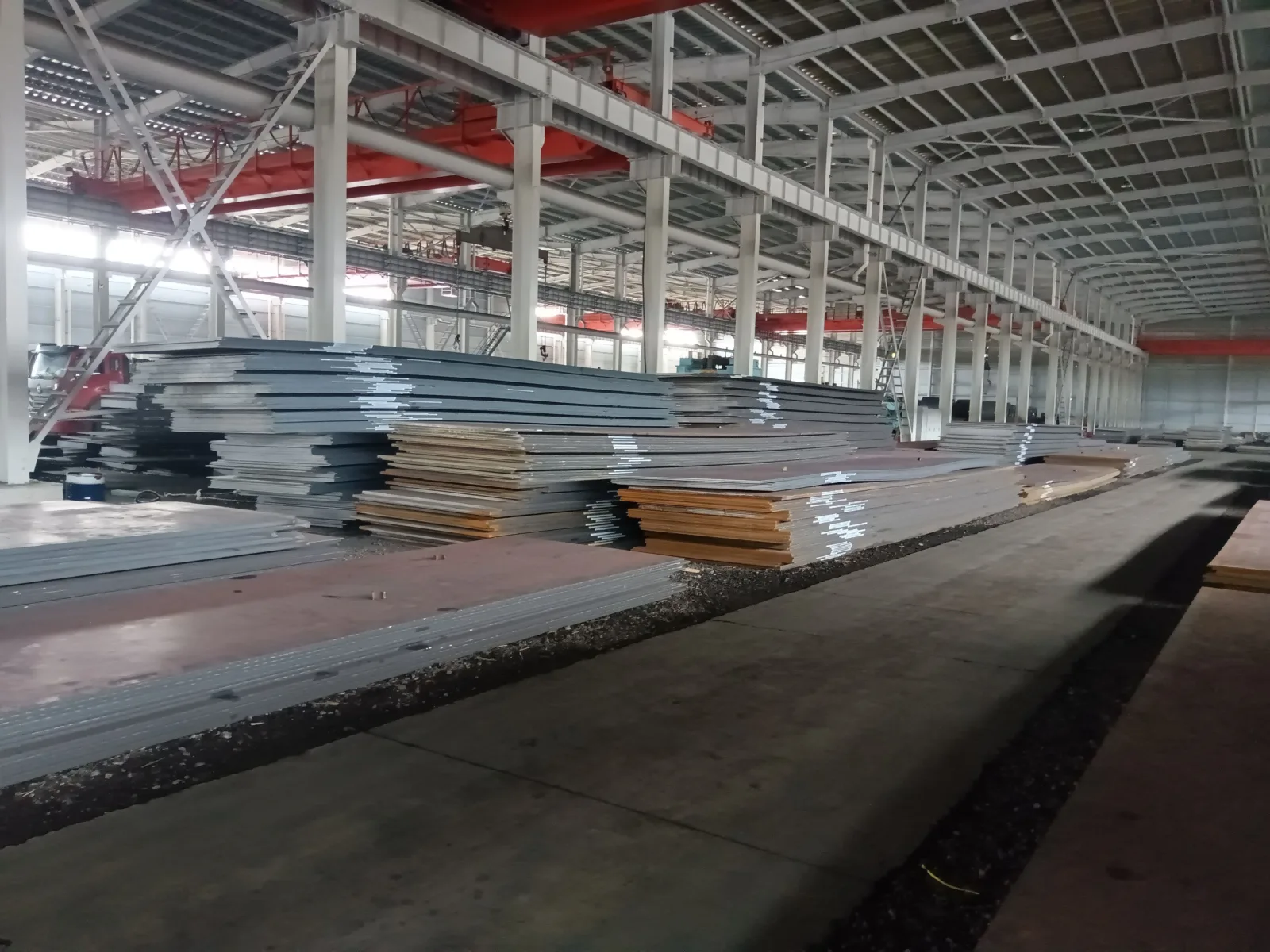
We operate three production lines in Jinan with a ready stock covering 2,800+ specifications, so standard Q235B and Q345B plates in 600–2000mm width can ship within days, while custom lengths and non-standard grades follow in typical production lead times. Every batch carries an original mill test certificate issued by our in-house lab, and we welcome SGS or BV inspection at the mill before loading — the same process that caught the Jebel Ali yield drop years ago. Factory-direct pricing means no trading company margin between the roll and the container, and volume discount programs reward long-term partners who consolidate pipe, plate, and section steel into one shipment. Our export team handles customs documentation, container loading optimization, and multi-product consolidation so that a single 40ft container can carry plates, beams, and welded sections without rehandling at the destination port.
Documentation & Compliance
- Mill test certificate documenting Q235B/Q345B chemical composition (C, Mn, Si, S, P) and yield strength per GB/T 700 or EN 10025-2 equivalence
- ISO 9001:2015 quality management certificate covering the full hot rolling and inspection process
- SGS or BV third-party inspection report available on request, covering visual, dimensional, and mechanical testing before loading
- Heat number traceability from slab to finished plate, marked on each sheet and cross-referenced on the mill test certificate
- Customs documentation package including packing list, bill of lading, and certificate of origin for destination port clearance
- CE marking and EN 10210/EN 10219 compliance documentation available for projects entering the European Economic Area
Packaging, Loading & Delivery
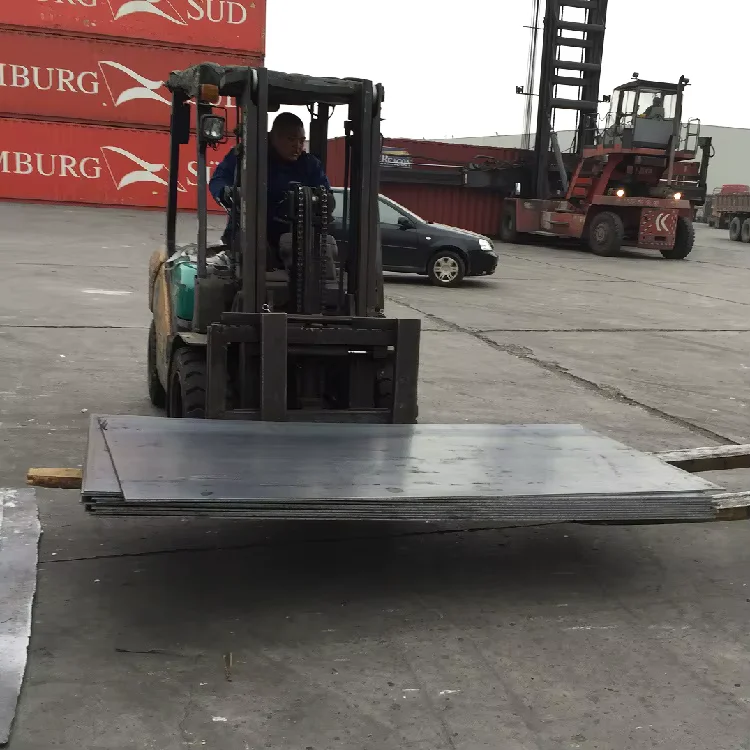
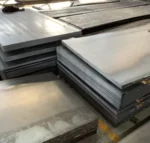
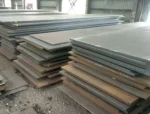
- Hot rolled Q235B and Q345B plates bundled with steel strips and edge protectors to prevent corner damage during ocean transit
- Standard seaworthy packing with waterproof paper and steel frame support, sized for 600–2000mm width and up to 12m length
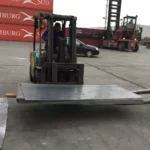
- Container loading plan optimized for plate weight distribution, with heavier gauge sheets loaded first to maximize 40ft GP payload
- Custom cut-to-length service available before shipping, reducing on-site cutting waste and fitting standard container dimensions
- Each plate marked with heat number, steel grade (Q235B/Q345B/St37), and thickness for on-site identification and traceability
- FOB, CIF, and DDP terms available with professional export documentation and real-time shipment tracking
Start Your Bulk Plate Procurement With Verified Mill Certificates
Send your specification sheet — steel grade, width, length, thickness, quantity, and destination port — and receive a competitive bulk quotation with volume discount, delivery schedule, and sample mill test certificate within 12 hours. For non-standard sizes or cross-standard grade substitution (Q235B to S235JR, Q345B to S355JR), our technical team provides a written equivalence report before you commit to a deposit.
Request Factory-Direct Pricing and Mill Test Certificates
Email: admin@sdxinjiyuan.com | WhatsApp/WeChat: +86 188 5315 7756 | Tel: +86 531 8573 6315
Frequently Asked Questions
Q: How does Q235B compare to S235JR or St37 — which standard fits my project?
A: Q235B (GB/T 700), S235JR (EN 10025-2), and St37-2 (DIN) share similar carbon and manganese ranges and minimum yield strength of 235 MPa. The choice depends on your project’s governing code and the inspector’s documentation requirements. We supply all three designations and provide cross-reference certificates on request.
Q: Can third-party labs like SGS or BV verify the mill test certificate before shipment?
A: Yes. We welcome SGS, BV, or your nominated inspector at the mill to witness dimensional checks, witness mechanical testing, and verify heat number traceability. The inspection report is issued before the container is sealed.
Q: What are the MOQ and lead times for custom cut-to-length plates?
A: The MOQ is 5 tons per size. Standard sizes ship from ready stock; custom lengths and non-standard widths follow in typical production lead times depending on grade and quantity.
Q: Hot rolled vs cold rolled — which surface finish suits my application?
A: Hot rolled plates carry a mill scale surface suitable for structural frames, building columns, and industrial platforms where the plate will be painted or fire-protected. Cold rolled plates offer tighter dimensional tolerance and a smoother finish, preferred for machinery bases, exposed architectural elements, or parts requiring precise flatness.
Q: How do you optimize container loading for heavy plate shipments?
A: We prepare a loading plan based on plate width, length, and gauge to maximize payload within the 40ft GP weight limit. Heavier gauge sheets are loaded first, and custom cut-to-length options can reduce waste and fit standard container dimensions, lowering freight cost per ton.
Secure Factory-Direct Hot Rolled Carbon Steel Plate Pricing Today
Submit your specification — grade, size, quantity, and destination — and receive a quotation with mill test certificate sample within 12 hours.
Email: admin@sdxinjiyuan.com | WhatsApp/WeChat: +86 188 5315 7756 | Tel: +86 531 8573 6315