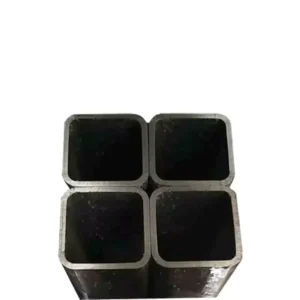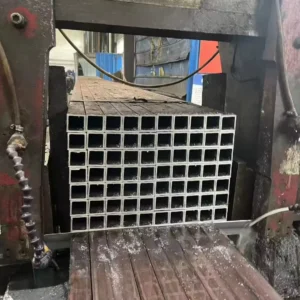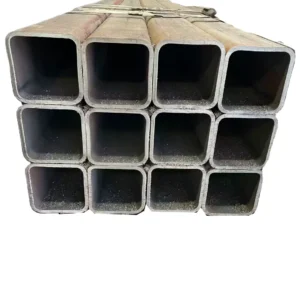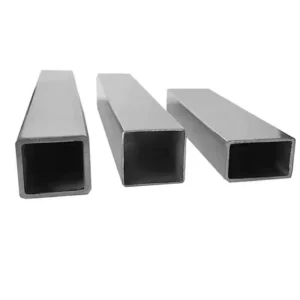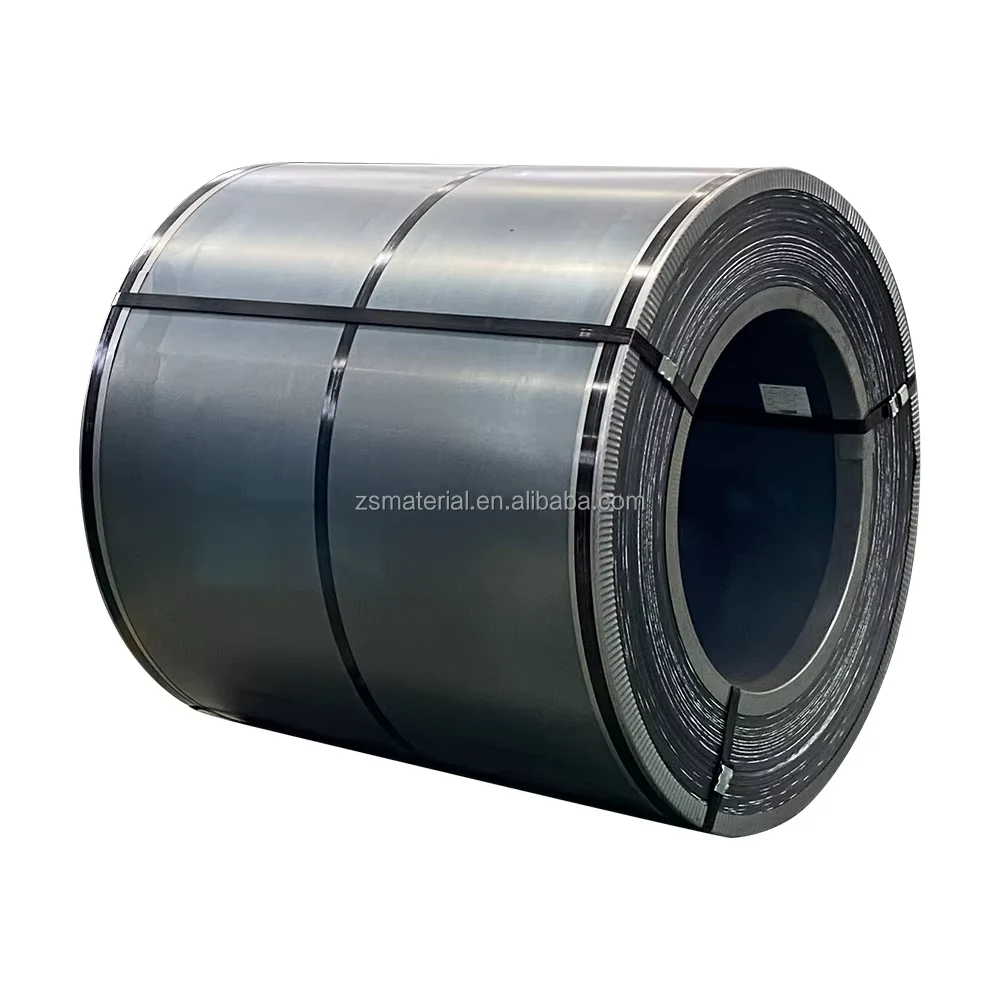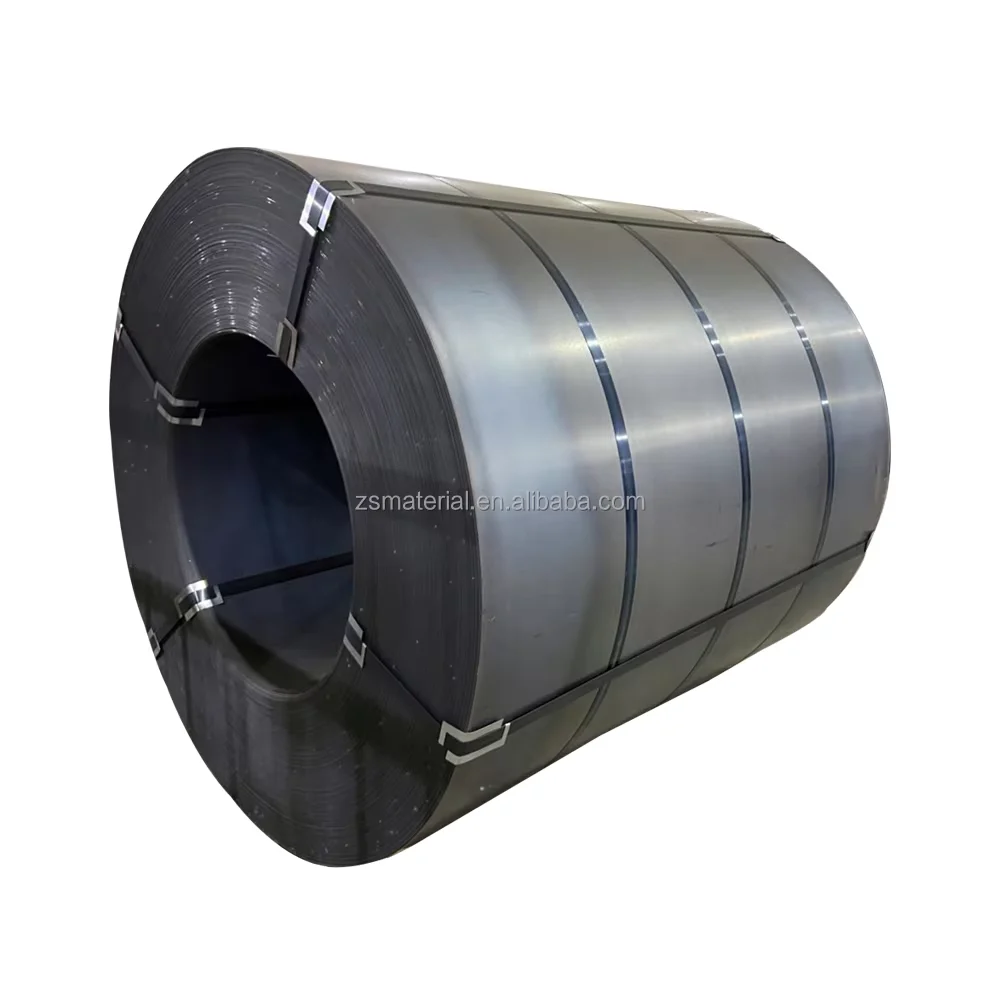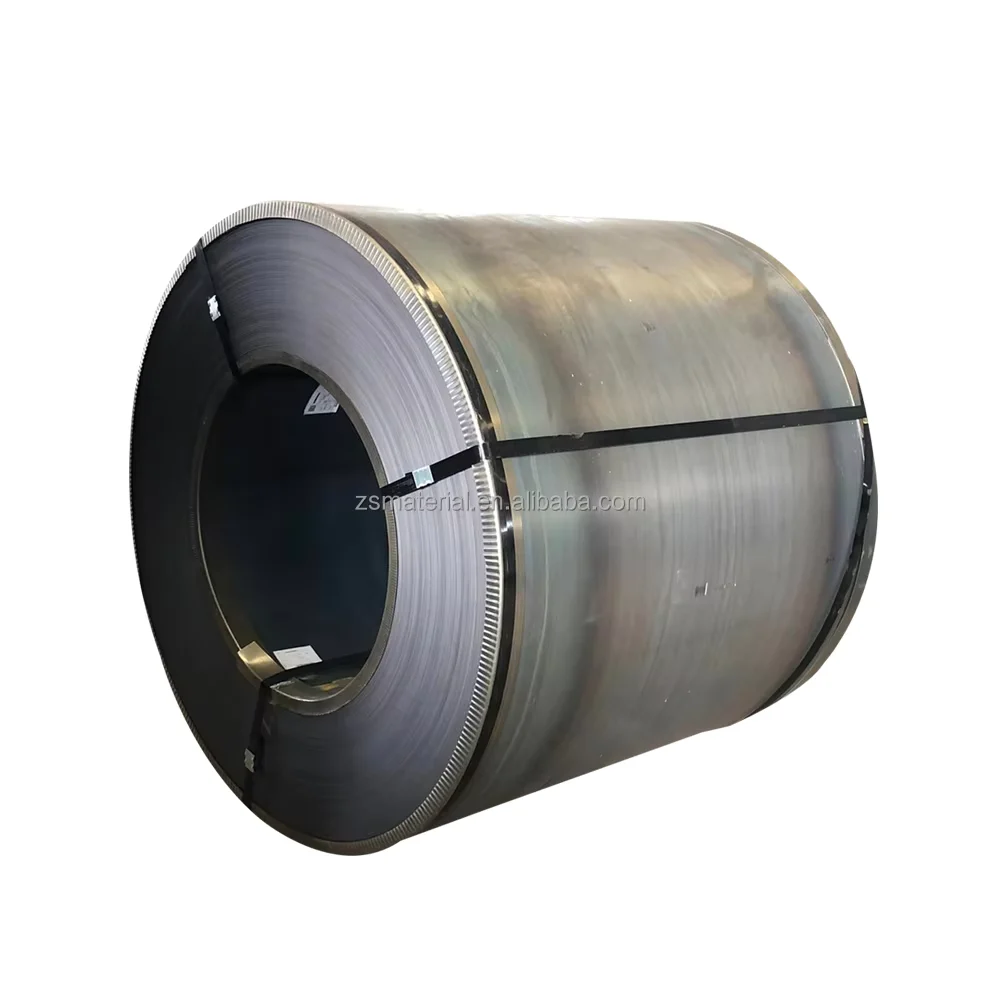
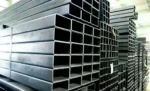
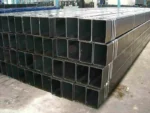
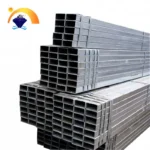
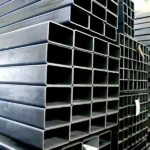
Description
Factory-direct pricing with no middlemen — every Q235 and SS400 ERW welded square and rectangular steel tube rolls off our own ERW lines in Jinan, shipped with original mill test certificates and zero broker markup.
Technical Specifications
| Parameter | Value |
|---|---|
| Designation | Q235 / SS400 ERW Welded Square and Rectangular Steel Tube |
| Product Type | Square and Rectangular Steel Tube (Welded / ERW) |
| Steel Grade | Q195, Q215, Q235, Q345, S235, SS400, ASTM |
| Standard | ASTM, API, CE, JIS, ISO 9001 |
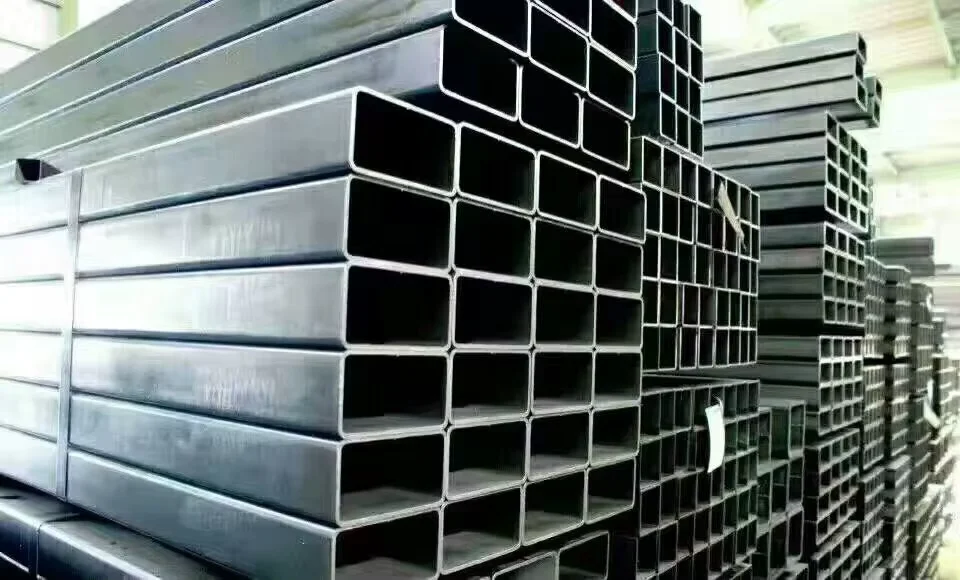
| Section Shape | Square / Rectangular / Round |
| Size Range | 20×20 mm – 200×200 mm |
| Wall Thickness | 1.5 – 30 mm |
| Length | 1 – 12 m (standard 6 m / 6.4 m / 12 m, customizable) |
| Technique | ERW (Electric Resistance Welded) |
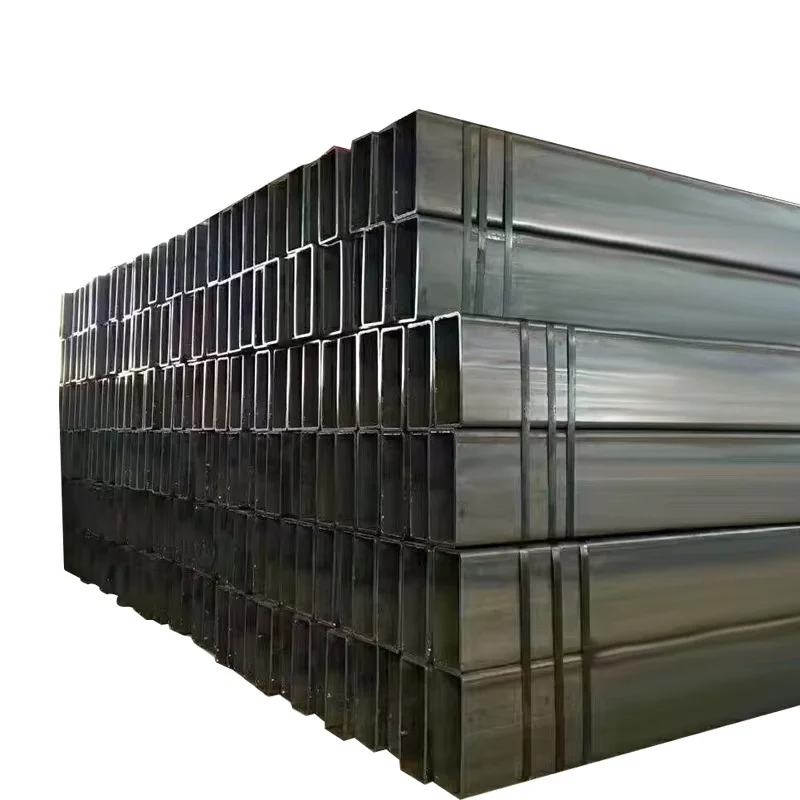
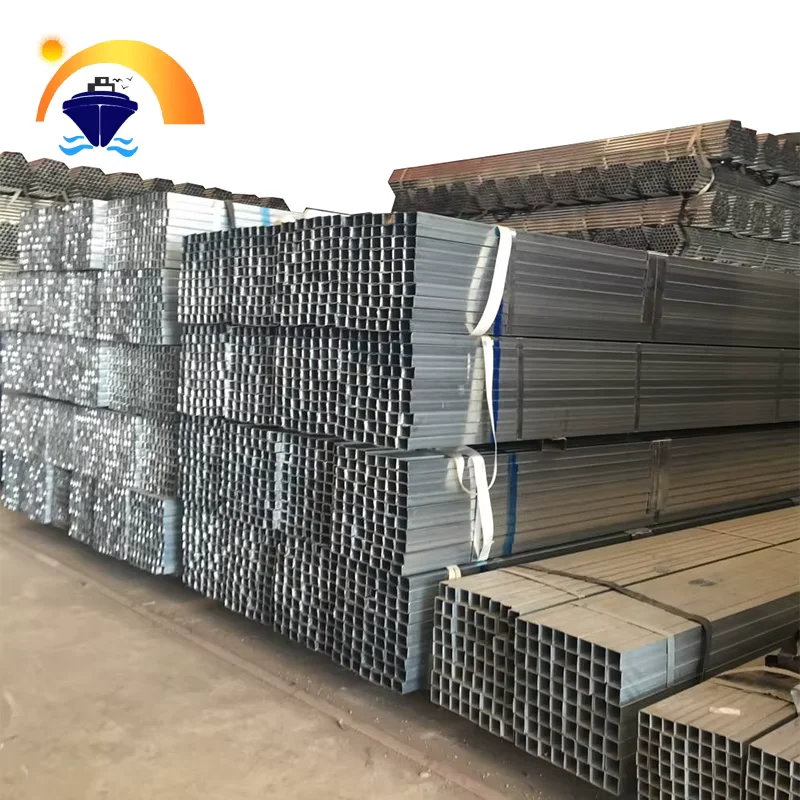
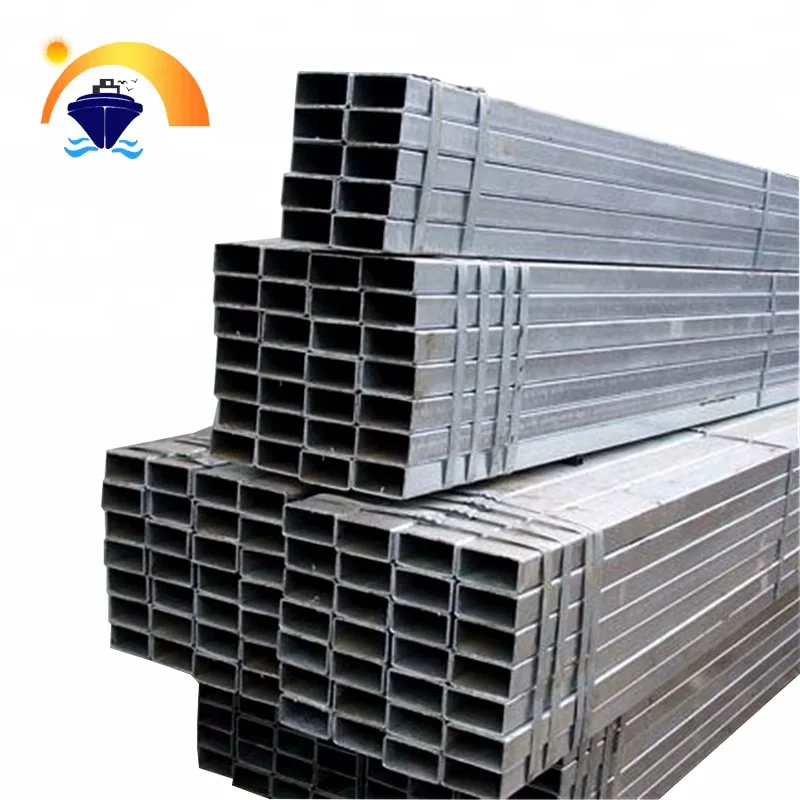
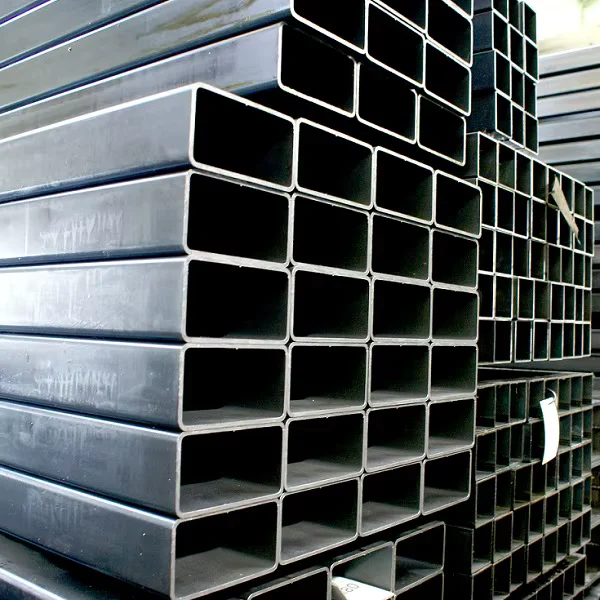
| Surface Treatment | Hot Rolled / Black (Slightly Oiled); Galvanized Coated option available |
| Tolerance | ±5% |
| Ends | Plain / Customizable |
| Processing Service | Welding, Punching, Cutting, Bending, Decoiling |
| Invoicing | By Actual Weight |
| Application | Fluid transport, Boiler, Drill pipe, Hydraulic systems, Gas & Oil pipelines, Chemical fertilizer lines, Structural frames, Construction, Bridge, Car manufacturing, Electrical installation, Mining, Machinery |
| MOQ | 25 Tons (one 20ft container) |
| Origin | Shandong, China |
Application Suitability
| Industry | Typical Applications |
|---|---|
| Construction & Infrastructure | Building frames, scaffolding systems, bridge support structures, warehouse purlins |
| Industrial & Energy | Fluid and gas pipelines, hydraulic cylinder barrels, boiler tubes, chemical fertilizer transport lines |
| Machinery & Manufacturing | Equipment base frames, mining support structures, conveyor systems, car manufacturing chassis components |
| Electrical & Utility | Power transmission tower bracing, electrical installation conduit, solar panel mounting structures |
What Wall-Thickness Tolerance Costs on a Structural Frame Order
A ±5% tolerance on a 4.0 mm wall means the difference between passing third-party inspection and watching an entire container get rejected at the port.
I watched a 100×100 square tube order get flagged because the actual wall measured 3.6 mm against a nominal 4.0 mm — the buyer’s SGS inspector caught it before loading, and the return freight cost more than the steel itself. When you are sourcing an ERW welded square and rectangular steel tube for load-bearing frames, that gap between catalog numbers and caliper readings is not a rounding error. It is the difference between a structure that passes EN 10219 verification and one that forces you to tear down and rebuild. [NEED_CITE: EN 10219 cold-formed welded structural hollow sections tolerance requirements]
How ERW Welded Tubes Match Structural Frame Requirements
Square and rectangular sections in Q235 and SS400 grades give structural engineers flat bearing surfaces for bolted and welded connections — something round pipe simply cannot offer without gusset plates. The ERW welding process produces a continuous longitudinal seam that, when properly controlled, delivers weld-zone mechanical properties matching the parent metal. For scaffolding and building frames, the 20×20 mm to 200×200 mm range covers everything from light-duty bracing to primary column sections, while the 1.5–30 mm wall thickness range lets you balance load capacity against weight without switching suppliers mid-project.
Engineering Compliance and Certification Requirements
Structural applications across Europe require CE marking under EN 10210 (for hot-formed) or EN 10219 (for cold-formed welded hollow sections), and customs authorities in GCC and Southeast Asian markets increasingly demand original mill test certificates traceable to heat numbers. [NEED_CITE: CE marking requirements for structural steel hollow sections under EN 10219] Q235 maps closely to S235JR in the EN system and roughly to ASTM A500 Grade B, but the equivalence is not automatic — your mill cert must document chemical composition and mechanical properties against the specific standard your project specifies. For corrosive environments, hot rolled black finish with slight oiling suits indoor or painted applications, while galvanized coating extends service life in outdoor or high-humidity installations without additional maintenance cycles.
Steel Grade Selection and ERW Process Fundamentals
The Q-series (Q195 through Q345) follows the Chinese GB/T 700 and GB/T 1591 standards, where the number indicates minimum yield strength in MPa — Q235 delivers 235 MPa yield, making it the workhorse grade for general structural frames and non-pressure applications. SS400, per JIS G 3135, occupies a similar strength range but follows Japanese industrial standards, often specified by buyers in Southeast Asia and Oceania. The ERW process forms the tube from hot rolled coil through continuous forming rolls, then fuses the seam using electrical resistance heating without filler metal — this produces a clean, narrow weld bead suitable for subsequent galvanizing or painting. [NEED_CITE: steel grade equivalence between GB Q-series, JIS SS-series, and EN S-series] Wall thickness tolerance of ±5% applies across the full 1.5–30 mm range; for thin-wall tubes below 2.0 mm, this tolerance band becomes critical during forming, as excessive variation can cause seam defects or dimensional instability.
The Hidden Cost of Unverified Material Certificates
Ordering an ERW welded square and rectangular steel tube without original mill test certificates tied to specific heat numbers means you cannot prove to your client’s inspector that the Q235 steel actually meets Q235 — and no amount of verbal assurance will clear customs in markets requiring EN 10204 3.1 documentation. [NEED_CITE: EN 10204 inspection document types for steel products] Missing or fabricated certificates trigger port holds, third-party re-inspection fees, and in worst cases, structural rejection after installation when traceability audits reveal gaps. The cost of proper documentation is negligible compared to the cost of a rejected container or a failed project acceptance inspection.
Why Project Buyers Source ERW Welded Tubes From Us
We run three dedicated ERW production lines in Jinan, producing over 20,000 tons monthly across 2,800+ specifications — when you order Q235 or SS400 square and rectangular tubes, you are buying directly from the mill that rolls them, not a trading company adding markup and handling risk. Every batch ships with original mill test certificates documenting chemical composition and mechanical properties, and we maintain ready stock of standard sizes (20×20 mm through 200×200 mm in common wall thicknesses) for urgent requirements while custom orders and non-standard dimensions typically complete within typical production lead times. Our CE certification under EN 10210 and EN 10219, ISO 9001:2015 quality system, and FPC (Factory Production Control) certification mean your European and Middle Eastern buyers receive documentation that clears customs without supplementary testing. We also consolidate multi-product container loads — if your project needs square tubes, round pipes, and H-beams in the same shipment, we load them together to optimize freight cost rather than forcing you to coordinate three separate suppliers.
Documentation & Compliance
- Mill Test Certificate documenting Q235 and SS400 chemical composition (C, Mn, Si, P, S) and mechanical properties (yield strength, tensile strength, elongation) per GB/T 700 and JIS G 3135, traceable to heat number
- CE certificate confirming compliance with EN 10210 / EN 10219 for structural hollow sections exported to European Economic Area markets
- ISO 9001:2015 quality management system certificate covering ERW welding, forming, and inspection processes
- SGS or BV third-party inspection report available upon request, covering dimensional verification, visual weld inspection, and witness testing before container loading
- Material traceability documentation linking each bundle to its heat number, production date, and mill test certificate reference
- Full customs documentation package including commercial invoice, packing list, bill of lading, and certificate of origin formatted for destination-country requirements
Packaging, Loading & Delivery
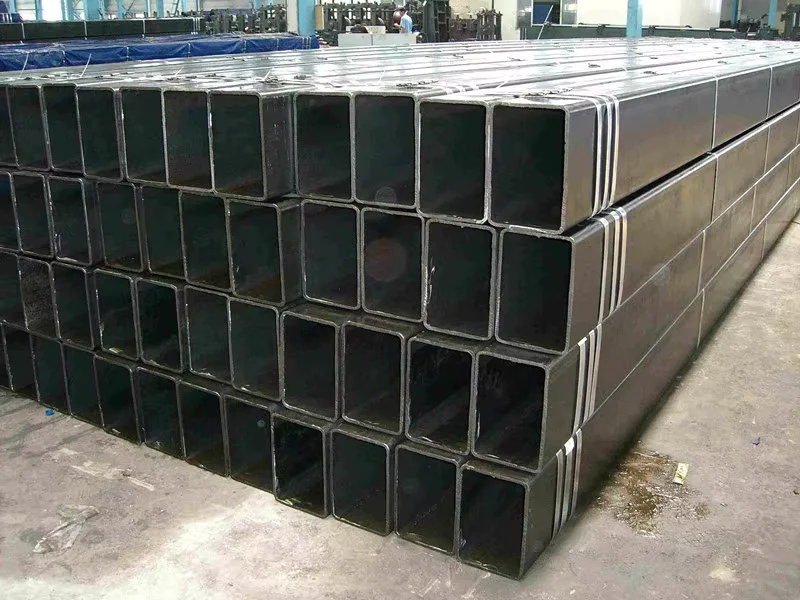
- ERW welded square and rectangular steel tubes bundled with high-tensile steel strips, separated by wooden or rubber spacers to prevent surface damage during ocean transit
- Hot rolled black finish tubes lightly oiled before bundling to prevent rust formation during container shipping; galvanized tubes bundled with edge protectors to preserve zinc coating integrity
- Container loading optimized by our export team based on tube dimensions (20×20 mm through 200×200 mm) and length (6 m, 6.4 m, or 12 m standard), maximizing weight utilization within 20ft and 40ft container limits
- Custom cutting to project-specific lengths available before shipping, reducing on-site waste and labor for construction buyers
- Each bundle marked with heat number, steel grade (Q235 / SS400), dimensions, and bundle weight for site identification and traceability
- FOB, CIF, and DDP terms supported, with professional coordination of inland transport, port customs clearance, and door-to-door logistics for project sites
Start Your Bulk Procurement Process
Submit your specification sheet — including section dimensions, wall thickness, steel grade (Q235, SS400, or other), total quantity, and destination port — and receive a detailed quotation with volume-based pricing, delivery timeline, and available mill test certificate formats within 12 hours. For non-standard dimensions or custom lengths outside our ready stock range, we provide technical confirmation and production scheduling before you commit.
Request Your Quotation and Mill Test Certificate
Send your requirements to admin@sdxinjiyuan.com or reach our export team via WhatsApp at +86 188 5315 7756 for immediate technical support and pricing.
Frequently Asked Questions
Q: How do Q235 and SS400 steel grades compare to European S235 or American ASTM A500?
A: Q235 (per GB/T 700) and SS400 (per JIS G 3135) both offer minimum 235 MPa yield strength and occupy similar strength ranges as S235JR (EN 10025) and ASTM A500 Grade B. However, chemical composition limits and testing requirements differ across standards — your mill test certificate must specify compliance with the exact standard your project requires, and we provide documentation formatted to EN 10204 3.1 for European buyers or equivalent formats for other markets.
Q: Can you provide EN 10204 3.1 mill certificates and arrange third-party SGS or BV inspection?
A: Yes. Every shipment includes original mill test certificates documenting chemical composition and mechanical properties, traceable to specific heat numbers. We also coordinate SGS or BV third-party inspection at our facility before container loading, covering dimensional verification, visual examination, and witness testing — you receive the inspection report alongside shipping documents.
Q: What is the minimum order quantity for non-standard dimensions, and can you split shipments across multiple containers?
A: Our standard MOQ is 25 tons (one 20ft container) for ready-stock specifications. For custom dimensions outside our standard 20×20 mm to 200×200 mm range or non-standard wall thicknesses, MOQ depends on production scheduling — contact us with your specification for confirmation. We support consolidated shipments mixing multiple sizes and products in the same container to optimize freight cost.
Q: When should I specify hot rolled black finish versus galvanized coating for my project?
A: Hot rolled black finish (slightly oiled) suits indoor applications, structural frames that will be painted on-site, or projects where buyers handle surface treatment themselves. Galvanized coating provides corrosion resistance for outdoor exposure, high-humidity environments, or coastal installations — it eliminates the need for secondary painting and extends maintenance intervals, though it adds cost per ton.
Q: How do you optimize container loading for square and rectangular tubes of different sizes?
A: Our export team calculates loading plans based on your specific dimensions and lengths (6 m, 6.4 m, or 12 m) to maximize weight utilization within container limits while ensuring bundles are secured properly for ocean transit. We also consolidate multi-product orders — if your project requires square tubes, round pipes, and section steel in the same shipment, we load everything together to reduce your freight cost per ton.