
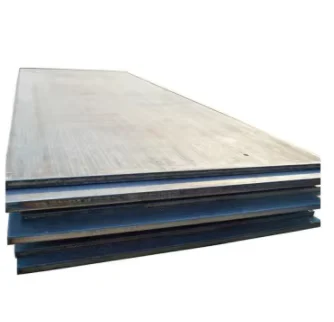
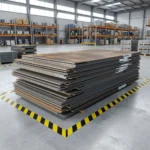

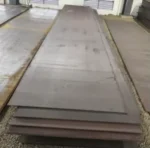


Description
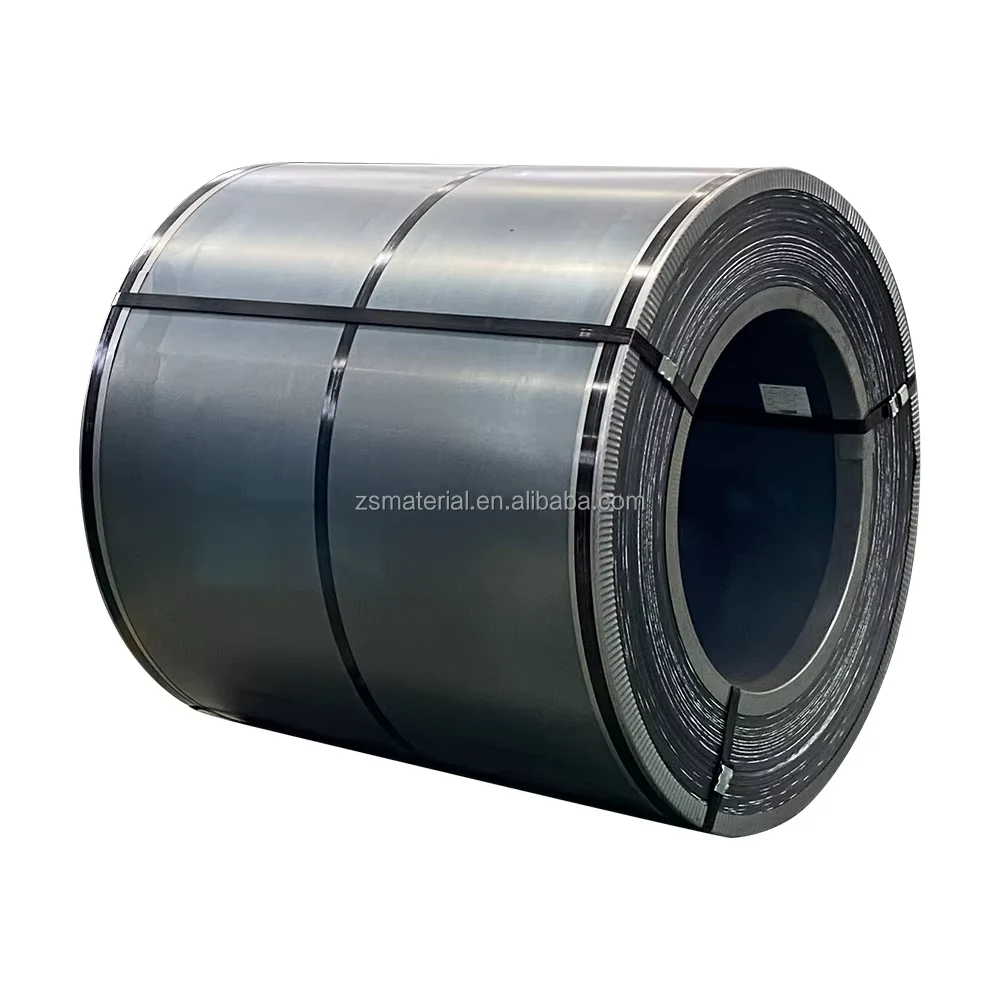
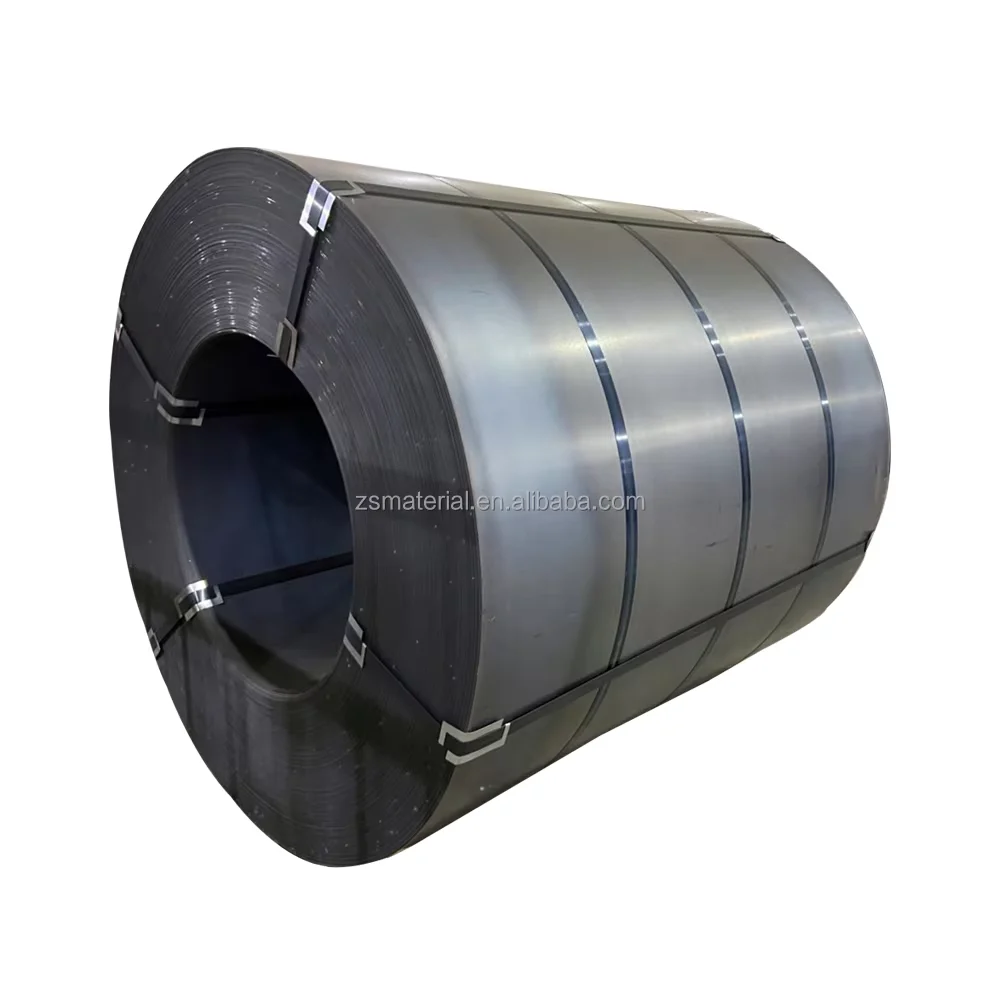
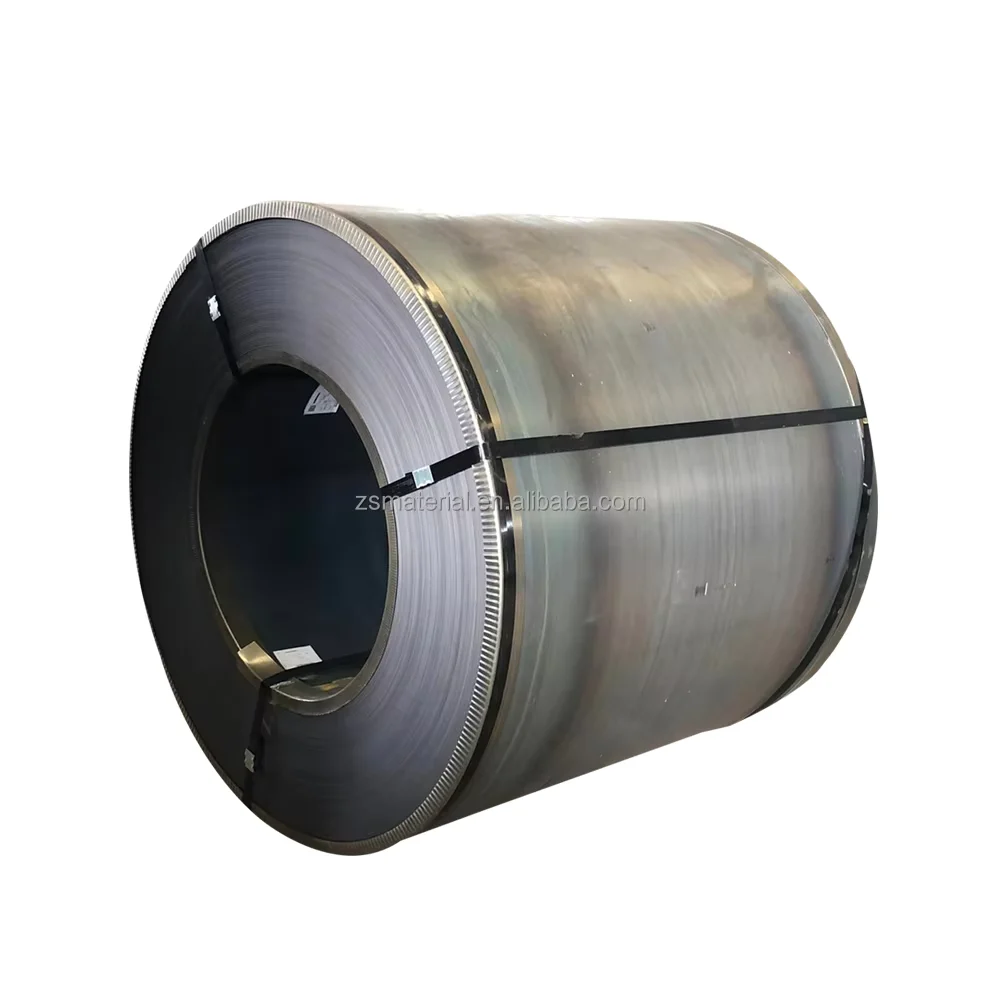
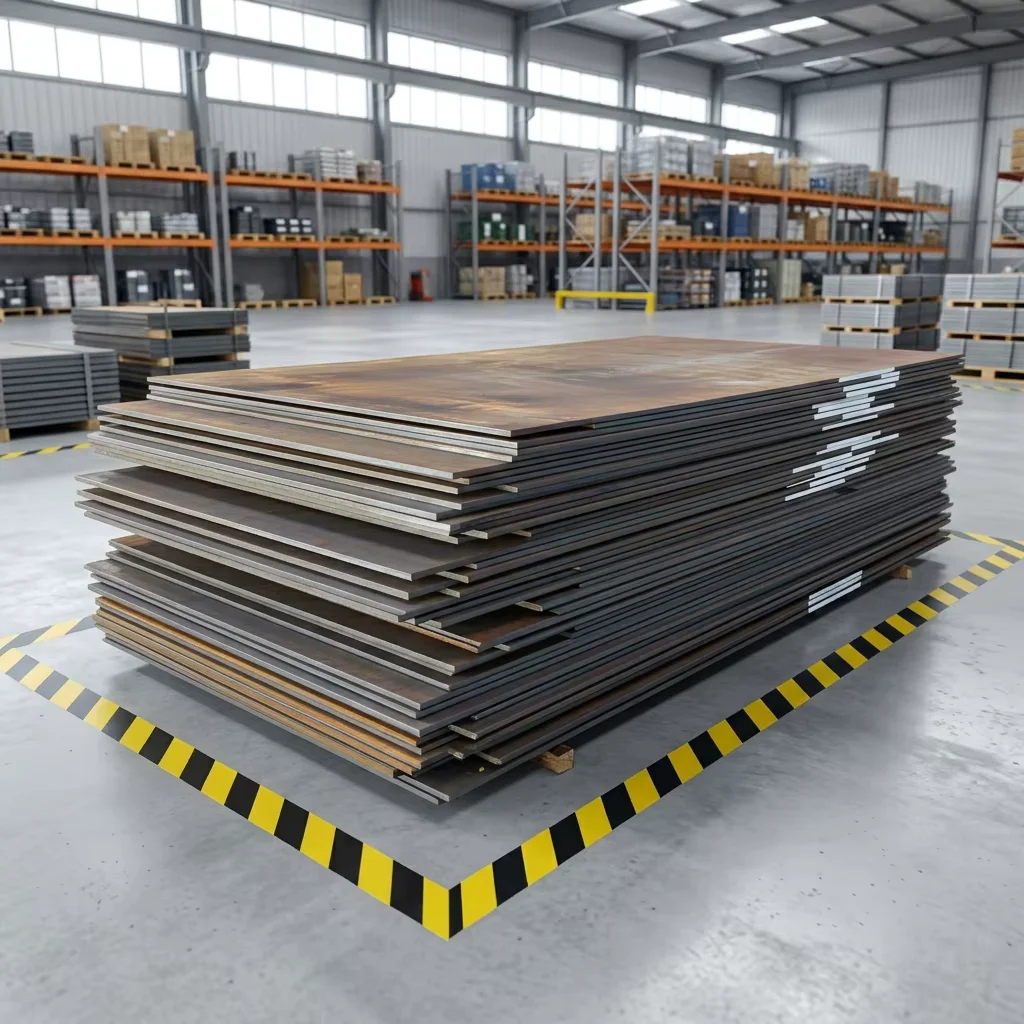
Factory-direct Q235 ship steel plate — Every Q235 hot rolled ship steel plate shipment leaves Jinan with original mill test certificates listing heat numbers, verified against EN and ASTM equivalence tables before container sealing.
Technical Specifications
| Parameter | Value |
|---|---|
| Designation | Q235 Ship Steel Plate |
| Product Type | Steel Plate |
| Steel Grade | Q235 |
| Standard | ASTM / JIS / DIN / BS |
| Thickness | 3–200 mm |
| Technique | Hot Rolled |
| Surface Treatment | Hot Rolled |
| Processing Services | Welding / Bending / Cutting |
| Packaging | Seaworthy packing with steel strip bundles |
| Application | Shipbuilding / Structural fabrication / Pressure vessels / Construction |
Application Suitability
| Industry | Typical Applications |
|---|---|
| Shipbuilding | Hull plates, deck structures, bulkhead framing, marine equipment supports |
| Structural Fabrication | Building frames, column base plates, bracket connections, platform decking |
| Pressure Vessels | Storage tank shells, heat exchanger supports, industrial container bodies |
| Construction | Foundation embedment plates, bridge gusset plates, heavy equipment bases |
What Missing Mill Certificates Cost on a Shipbuilding Plate Order
A single untraceable heat number can sink an entire container at customs.
Global buyers sourcing Q235 hot rolled ship steel plate supplier materials frequently encounter quality uncertainty — inconsistent material properties across batches, unclear steel grade traceability, and missing independent lab verification. When a third-party inspector flags a yield strength discrepancy at the destination port, the entire shipment faces rejection or costly re-testing. [NEED_CITE: mill test certificate requirements for marine grade steel plate imports] Certification gaps compound the problem: incomplete documentation causes customs delays, project compliance failures, and contractual penalties on shipbuilding contracts where material traceability is non-negotiable.
How 3–200mm Thickness Range Covers Marine and Structural Demands
The Q235 hot rolled ship steel plate supplier range from 3 mm to 200 mm addresses both thin-gauge deck plating and heavy structural base plates in a single procurement cycle. Shipbuilders specifying hull frames typically require 6–16 mm plates with consistent flatness for welding seams, while pressure vessel fabricators need 20–80 mm sections cut to precise dimensions before rolling. Our Jinan production lines run simultaneous hot rolling campaigns across this full thickness spectrum, allowing consolidated container loading that reduces freight costs per ton compared to sourcing thin and heavy plates from separate mills.
Engineering Compliance and Certification Pathways
Shipbuilding projects demanding Q235 hot rolled ship steel plate supplier materials must verify compliance with both the originating standard and destination-country regulations. Q235 corresponds broadly to ASTM A36 in the North American market and S235JR under EN 10025 for European shipbuilding contracts — but equivalence is not automatic. [NEED_CITE: steel grade equivalence between Chinese GB and international EN/ASTM standards] Buyers must confirm that mill test certificates explicitly document chemical composition and mechanical properties per the specified standard, not just the domestic GB/T 700 reference. For European market entry, Lloyd’s CE certification under EN 10210/10219 and FPC documentation become mandatory for customs clearance. Third-party inspection by SGS or BV provides independent verification before shipment, eliminating destination-port surprises.
Q235 Grade and Hot Rolled Process Fundamentals
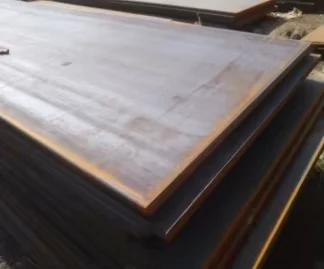
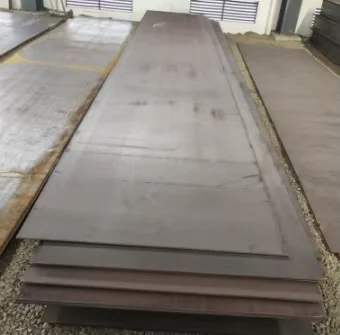
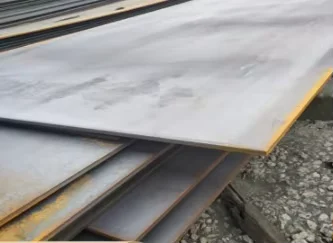
Q235 belongs to the Chinese GB/T 700 carbon structural steel series, where the “235” designation references the minimum yield strength at 235 MPa for thicknesses up to 16 mm. This grade offers adequate formability and weldability for general shipbuilding and structural applications without the cost premium of higher-strength low-alloy alternatives. The hot rolled process produces plates with mill scale surface finish — suitable for most indoor structural applications and marine environments where subsequent painting or coating will be applied. Hot rolling also delivers tighter thickness tolerance compared to cold rolled alternatives for plates above 6 mm, reducing the risk of negative tolerance disputes during weight-based settlement. [NEED_CITE: hot rolled vs cold rolled steel plate tolerance comparison for structural applications] Processing services including cutting, bending, and welding preparation allow buyers to receive fabrication-ready plates rather than raw mill stock, shortening on-site preparation time.
Hidden Costs of Unverified Steel Plate Procurement
Purchasing Q235 hot rolled ship steel plate without verified documentation creates compounding risks. Material that fails to meet specified chemical composition triggers rejection during project inspection — forcing replacement orders that delay construction schedules by weeks. [NEED_CITE: consequences of non-compliant steel materials in marine construction projects] Negative tolerance abuse — where actual plate thickness falls below contractual minimums — reduces structural load capacity and creates safety liabilities that surface only after installation. Certification gaps mean customs authorities may hold shipments indefinitely, generating demurrage charges that exceed the original plate cost. The apparent savings from unverified suppliers evaporate when accounting for re-testing fees, replacement logistics, and project penalty clauses.
Why Engineering Buyers Source Q235 Plate from Jinan
Our Jinan facility operates three production lines with monthly capacity exceeding 20,000 tons, running factory-direct without trading company markups. Every Q235 hot rolled ship steel plate batch carries original mill test certificates documenting heat number, chemical composition, and mechanical test results — not copies or generic templates. We maintain ISO 9001:2015 certification alongside Lloyd’s CE (EN 10210/10219) and FPC credentials, ensuring European market compliance without additional certification costs. The 2,800+ specification inventory covers standard thicknesses for immediate dispatch while custom orders for non-standard dimensions or cut-to-size plates complete within typical production lead times. Professional export documentation handling — including packing lists, bills of lading, and certificates of origin — eliminates paperwork errors that trigger customs holds.
Documentation & Compliance
- Mill test certificate documenting Q235 chemical composition (C, Si, Mn, P, S content) and mechanical properties per GB/T 700 standard, with heat number traceability
- Lloyd’s CE certificate confirming EN 10210/10219 compliance for European shipbuilding and structural applications
- ISO 9001:2015 quality management system certificate covering production processes and inspection protocols
- SGS or BV third-party inspection report available upon request, verifying thickness tolerance and surface quality before container loading
- Material traceability documentation linking each plate to specific heat number and production batch for project quality audits
- Complete customs documentation package including packing list, bill of lading, and certificate of origin formatted for destination port requirements
Packaging, Loading & Delivery
- Q235 hot rolled plates bundled with steel strip ties and edge protectors, preventing surface damage and edge deformation during ocean transit
- Seaworthy packaging with waterproof wrapping for plates requiring surface protection during extended shipping or tropical climate storage
- Container loading optimization combining multiple thickness specifications (3–12 mm thin plates with 20–80 mm heavy sections) to maximize weight utilization per container
- Cut-to-size service available before shipment, delivering plates at exact project dimensions to reduce on-site cutting waste and labor costs
- Heat number and steel grade markings stenciled on each plate bundle, enabling immediate identification during unloading and inventory management
- FOB, CIF, and DDP shipping terms available with professional logistics coordination from Jinan inland port to destination
Securing Your Q235 Plate Quotation with Full Documentation
Submit your Q235 hot rolled ship steel plate requirements — including thickness, width, length, quantity, and destination port — to receive competitive factory-direct pricing within 12 hours. Specify any certification requirements (CE, SGS inspection, third-party testing) or processing services (cutting, bending) needed for your project timeline. Our export team confirms mill test certificate availability, container loading plans, and production lead times before contract signing, ensuring no documentation gaps delay your shipment.
Frequently Asked Questions
Q: How does Q235 compare to ASTM A36 or S235JR for international shipbuilding projects?
A: Q235 offers similar chemical composition and mechanical properties to ASTM A36 and S235JR, but equivalence depends on thickness and specific application requirements. Our mill test certificates document Q235 properties per GB/T 700, and we provide cross-reference documentation showing compliance with international standards for customs and project approval.
Q: Can you provide third-party inspection before shipment for Q235 ship steel plate?
A: Yes, SGS and BV third-party inspection services are available upon request. Inspectors verify thickness tolerance, surface quality, and dimensional accuracy against your purchase order before container loading, with inspection reports included in the shipping documentation package.
Q: What is the minimum order quantity for custom thickness or cut-to-size Q235 plates?
A: We accommodate flexible order quantities from trial orders to full-container bulk shipments. Standard thickness plates (3–50 mm) are available from ready stock for immediate dispatch, while custom thickness or specialized cut-to-size orders follow typical production lead times with quantity-based pricing.
Q: How do you ensure Q235 plate thickness meets contractual tolerance requirements?
A: Our hot rolling production lines maintain thickness control within standard tolerance ranges per GB/T 700 specifications. Every batch undergoes in-house quality inspection with ultrasonic thickness measurement, and results are documented on mill test certificates. Third-party verification by SGS or BV is available for projects requiring independent confirmation.
Q: What documentation do you provide for Q235 ship steel plate export shipments?
A: Each shipment includes original mill test certificates with heat number traceability, packing lists, bills of lading, and certificates of origin. For European market shipments, Lloyd’s CE certification under EN 10210/10219 and FPC documentation are provided. Additional third-party inspection reports from SGS or BV are available upon request.
Request Your Q235 Ship Steel Plate Quote with Mill Test Certificates
Send your specifications — thickness, dimensions, quantity, and destination — to receive factory-direct pricing and confirm mill test certificate availability within 12 hours.
Shandong Xin Jiyuan Special Steel Tube Co., Ltd
Tel: +86 531 8573 6315
Mobile/WhatsApp/WeChat: +86 188 5315 7756
Email: admin@sdxinjiyuan.com