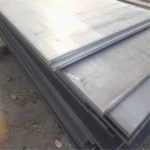
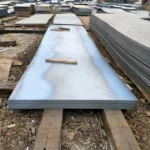
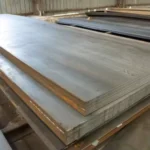
Description
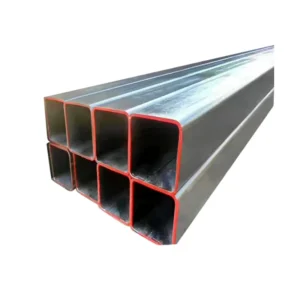
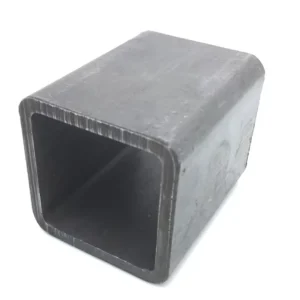
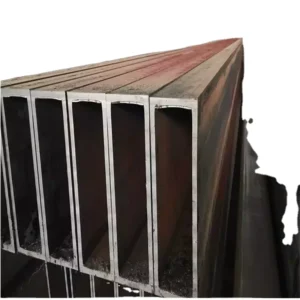
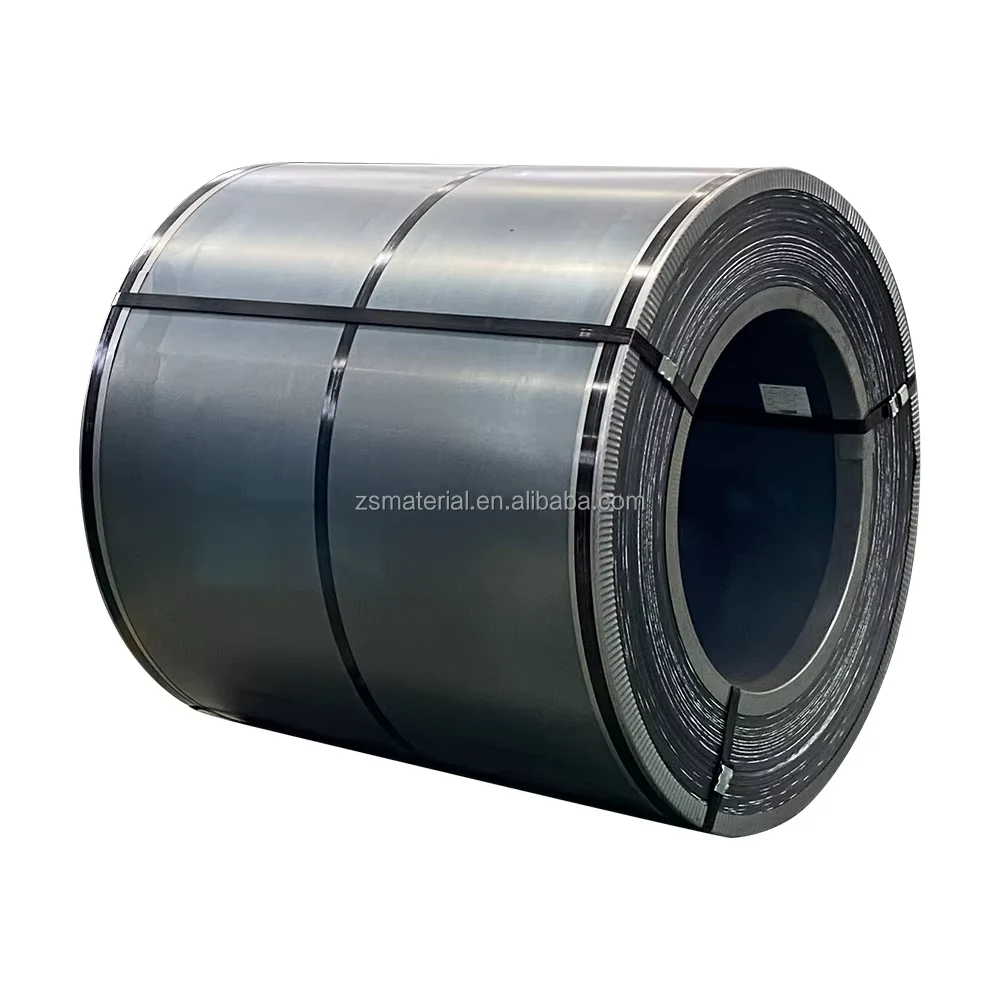
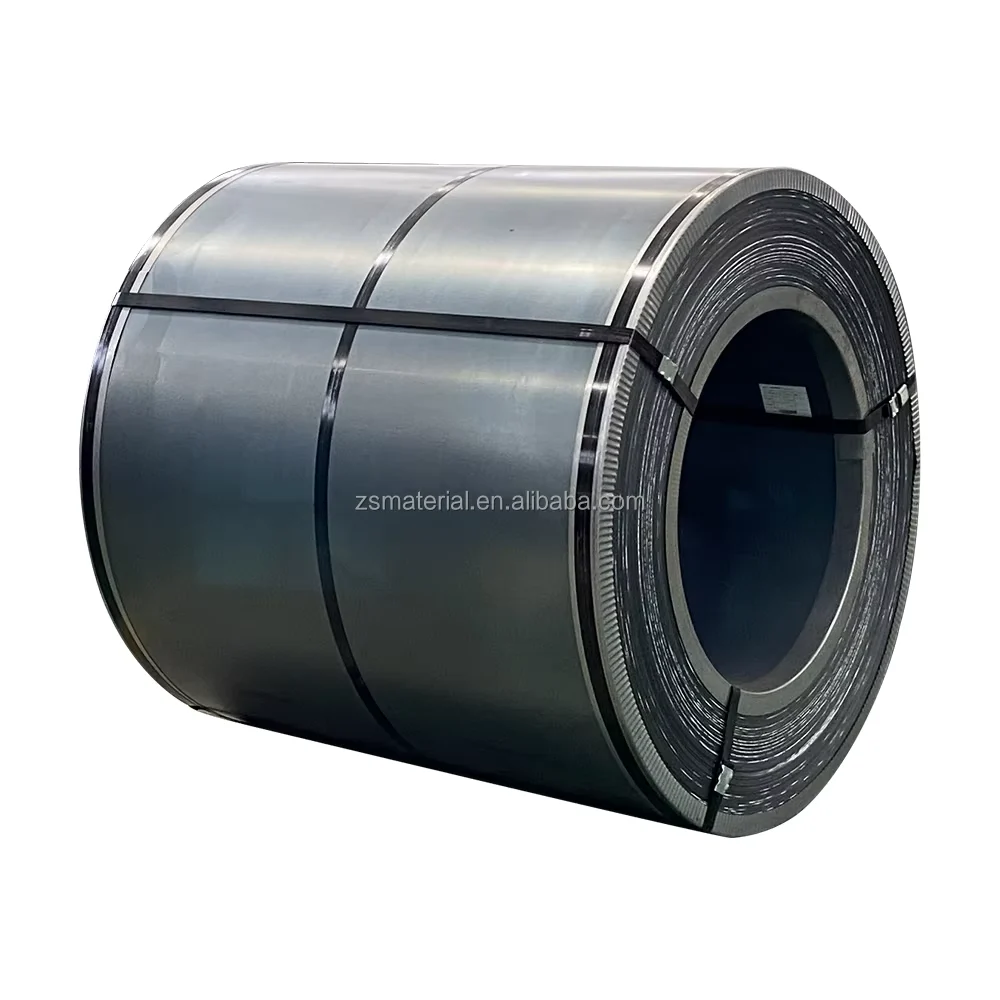
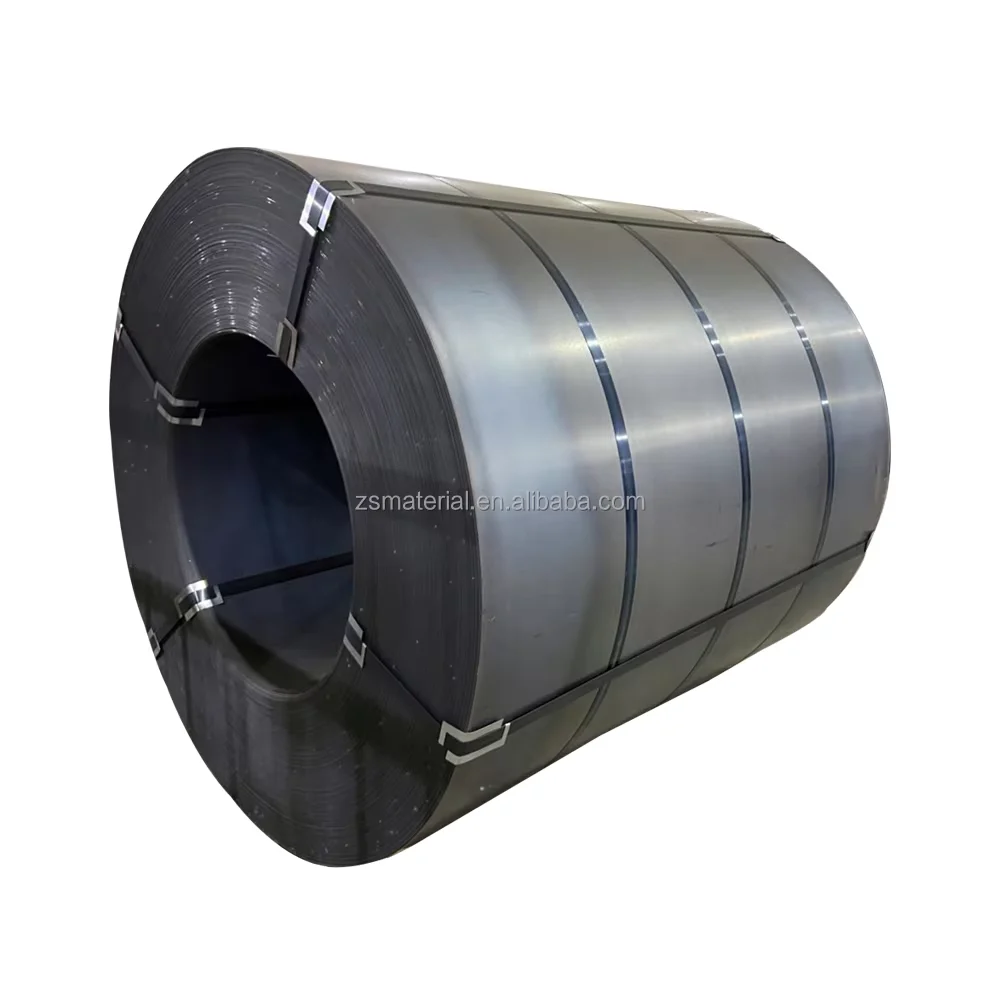
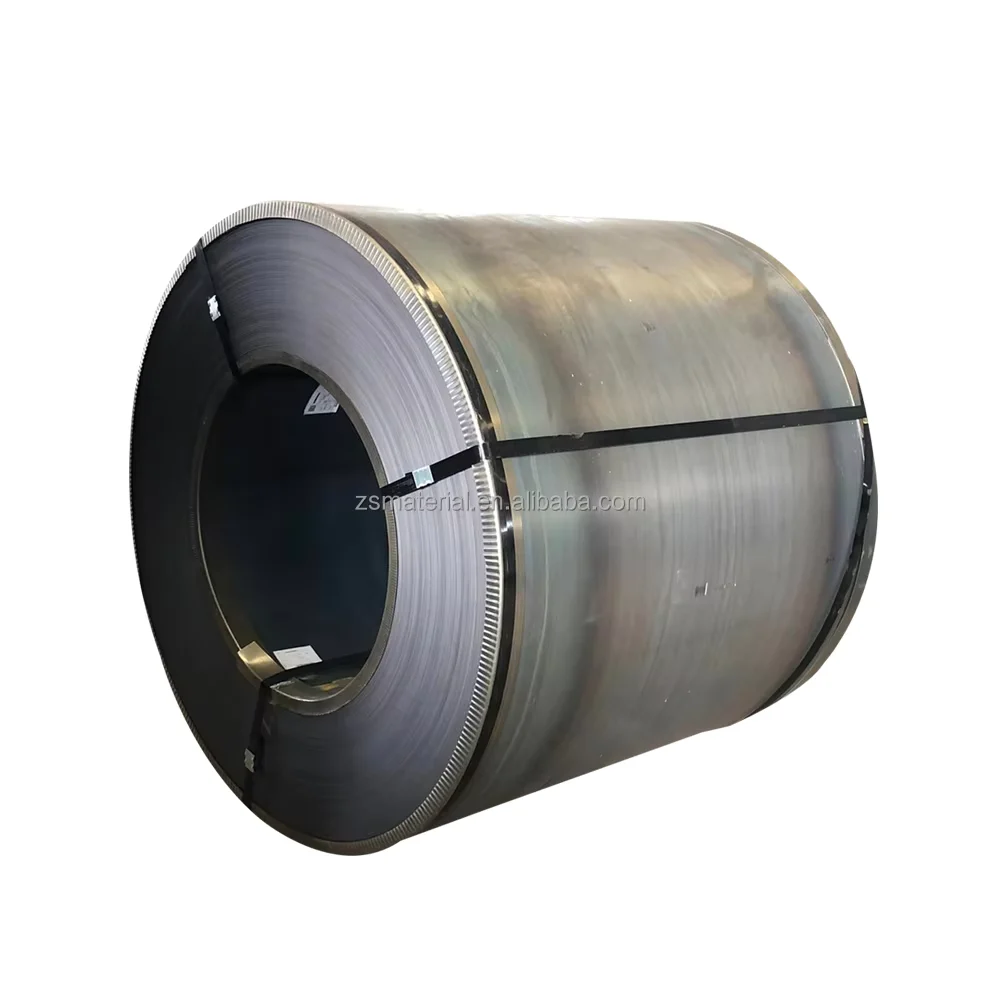
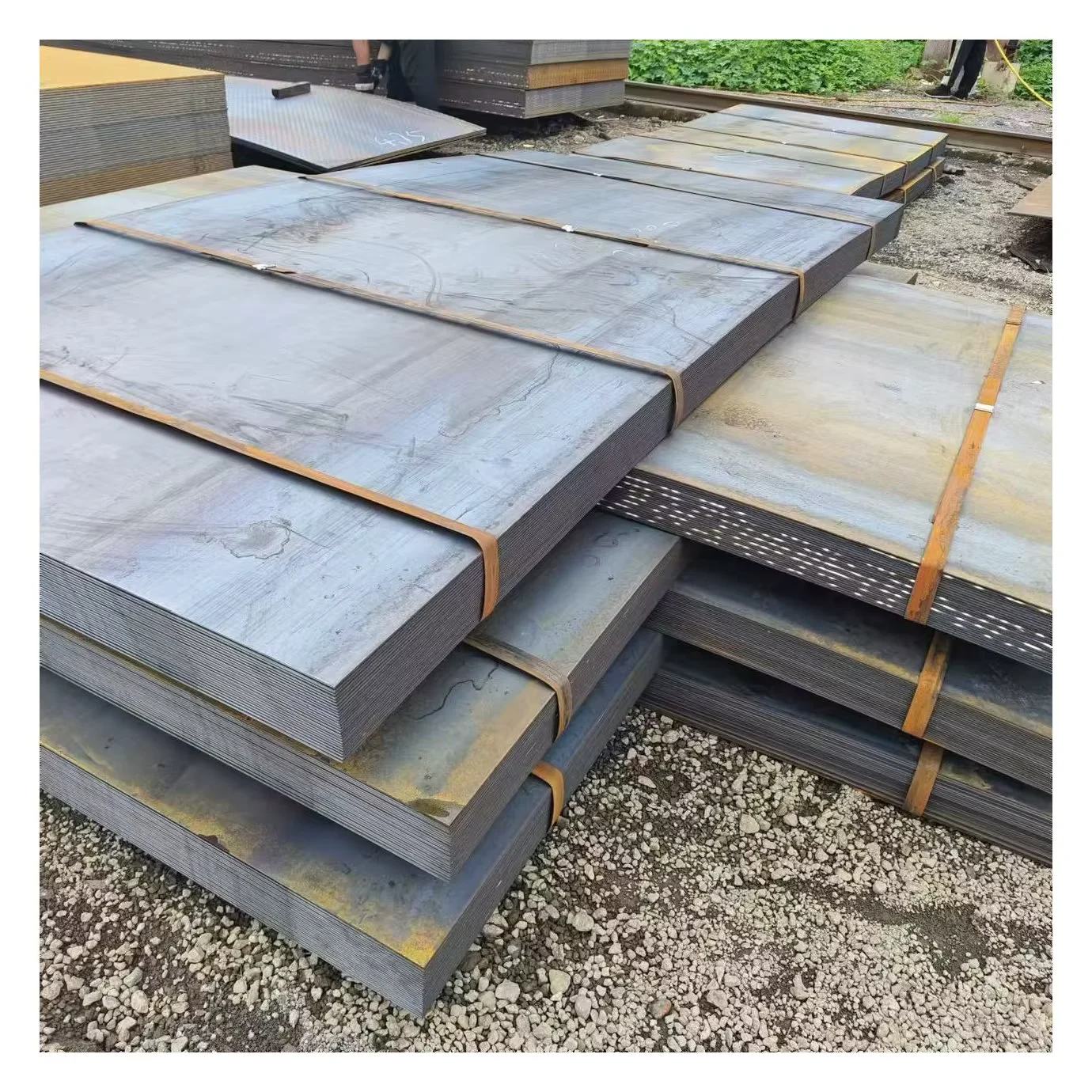
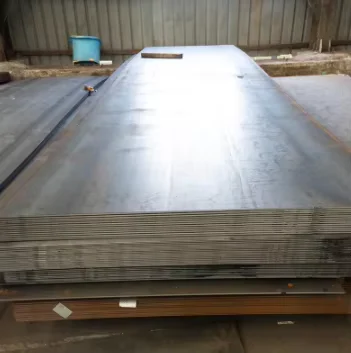
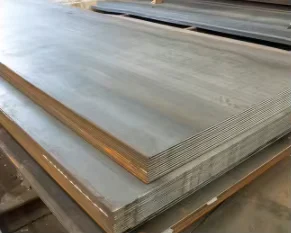
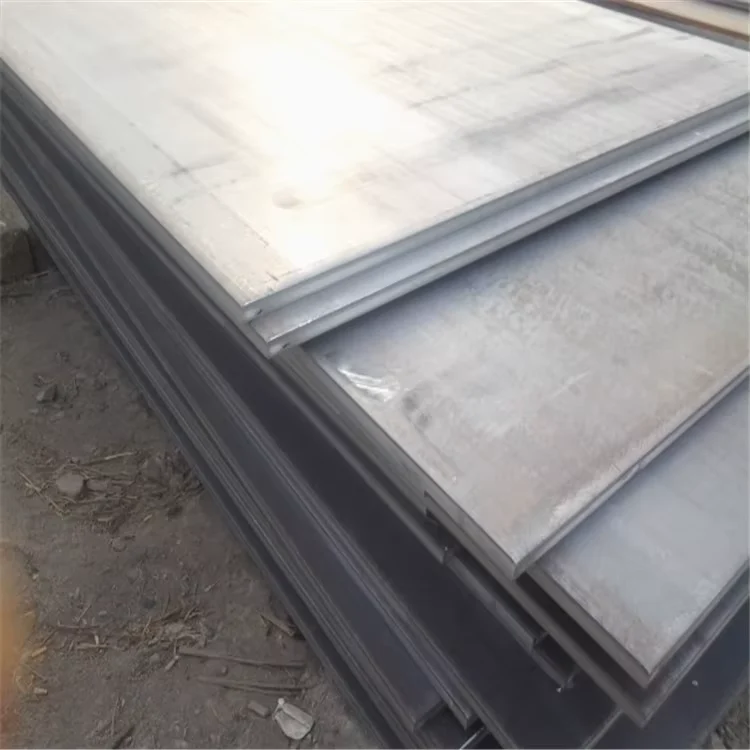
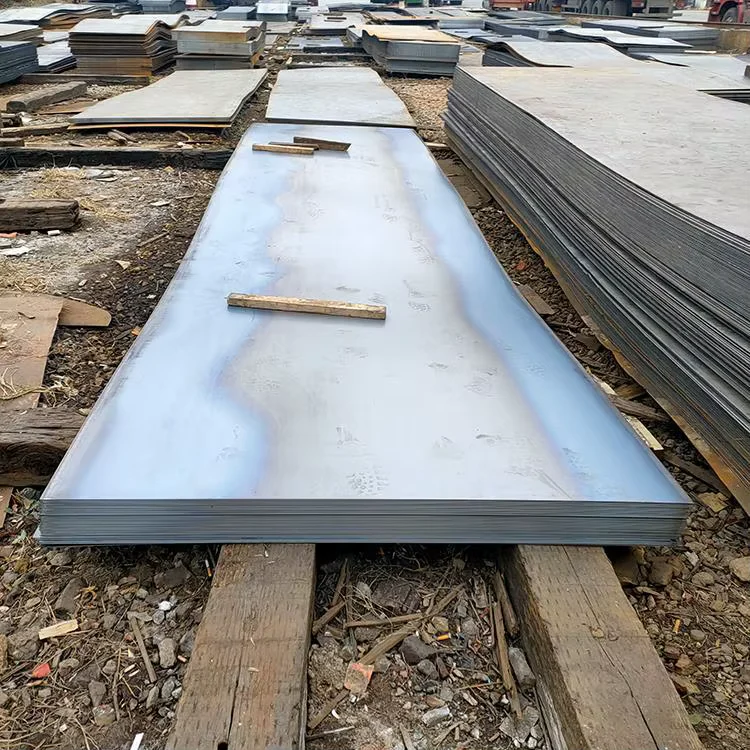
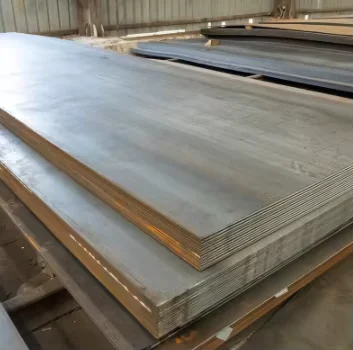
Factory-direct hot rolled plates — Q235 and S275JR carbon steel plate stock cut from mill coils, shipped with original mill test certificates and third-party inspection available before container sealing.
Technical Specifications
| Parameter | Value |
|---|---|
| Designation | Q235 S275JR Carbon Steel Plate |
| Product Type | Steel Plate |
| Steel Grade | Q195, Q235, Q345, Q460, S235JR, S275JR, S355JR, A36, SS400, SS330, SS540, St37-2, ST12, ST13, ST14, SPHC, SPHD, SPHE |
| Standard | AISI, ASTM, BS, DIN, GB, JIS |
| Thickness | 0.35–200 mm |
| Width | 1000–2500 mm |
| Length | 2000–12000 mm |
| Technique | Hot Rolled |
| Surface Treatment | Black |
| Tolerance | ±1% |
| Processing Service | Bending, Welding, Decoiling, Cutting, Punching |
| Application | Construction, Shipbuilding, Petrochemical, Machinery Manufacturing, Transportation, Bridge, Boiler, Pressure Vessel, Container |
| MOQ | 10 Tons |
| Origin | Shandong, China |
Application Suitability
| Industry | Typical Applications |
|---|---|
| Construction & Infrastructure | Building column base plates, floor grating supports, industrial platform decking, bridge gusset plates |
| Shipbuilding & Marine | Hull structural panels, deck stiffener plates, bulkhead framing plates |
| Petrochemical & Pressure Vessel | Tank shell plates, flange blanks, boiler end caps, heat exchanger baffles |
| Machinery Manufacturing | Crane boom side plates, excavator bucket liners, conveyor frame gussets, press brake beds |
| Transportation & Container | Container corner castings plates, trailer chassis cross-members, railway wagon floor plates |
Where Mill Certificate Gaps Cause Customs Rejection on Carbon Steel Plate Orders
A missing or mismatched mill test certificate delays customs clearance longer than any production defect.
Global procurement teams ordering a Q235 S275JR carbon steel plate supplier from fragmented sources frequently face inconsistent chemical composition reports between batches. When the mill cert does not match the heat number stamped on the plate edge, destination customs authorities in Brazil, Mexico, and the EU hold the entire container for re-inspection [NEED_CITE: customs documentation requirements for structural steel imports in South America]. The resulting demurrage fees and third-party re-testing costs often exceed the original plate price difference between a verified factory and an unverified trader.
How Hot Rolled Carbon Steel Plate Matches Structural Frame and Platform Engineering
Hot rolled Q235 and S275JR plates deliver the ductility and weldability required for load-bearing frame connections in warehouse structures and industrial platforms. The black mill scale surface accepts primer coatings directly after shot blasting, eliminating the need for additional pickling when plates will be welded into braced frames or bolted as base plates. A Q235 S275JR carbon steel plate supplier running three simultaneous production lines can consolidate structural plates, section steel, and fabricated gussets into a single container, reducing coordination overhead for EPC contractors managing multi-category procurement across Latin American and African job sites.
Engineering Compliance and Certification Requirements for Structural Plate
Structural plates used in load-bearing frames must conform to EN 1993 or AISC material specifications, requiring verified yield strength and chemical composition traceable to the original heat number. For EU-bound shipments, CE marking under EN 10210/EN 10219 or equivalent structural plate standards is mandatory for customs clearance and site inspection approval [NEED_CITE: CE marking requirements for structural steel products under European Construction Products Regulation]. Q-series grades (Q235, Q345) align with GB standards for domestic Chinese projects, while S275JR and S355JR meet EN specifications for European and Middle Eastern infrastructure. Third-party inspection by SGS or BV before shipment provides independent verification that mechanical properties match the mill test certificate, preventing on-site rejection during structural engineer audits.
Steel Grade Selection and Hot Rolling Process Fundamentals
Q235 and S275JR represent the baseline structural grades in the Chinese GB and European EN systems respectively, offering adequate yield strength for general construction frames, platform decking, and non-critical machinery bases. Moving from Q235 to Q345 or from S275JR to S355JR increases minimum yield strength, allowing thinner plates to carry equivalent loads — reducing total tonnage and shipping costs for large-volume projects. The hot rolling process heats slabs above recrystallization temperature before passing through reduction stands, producing plates with uniform grain structure suitable for welding and bending without pre-heating in most ambient conditions. Black surface mill scale forms naturally during cooling and provides temporary corrosion protection during storage and transit, though it must be removed by shot blasting before painting or galvanizing for long-term outdoor exposure. The ±1% thickness tolerance ensures that ordered 20 mm plates arrive within 19.8–20.2 mm, preventing fit-up gaps during site welding of moment connections.
Hidden Costs of Sourcing Carbon Steel Plate Without Verified Certification
Ordering structural plates from suppliers who cannot provide heat-number-traceable mill test certificates creates compounding costs: customs authorities reject shipments lacking proper documentation, structural engineers refuse to sign off on frames built with unverified material, and project owners demand destructive testing at the contractor’s expense [NEED_CITE: consequences of non-compliant structural steel in international construction projects]. Plates with uncontrolled negative tolerance may pass dimensional inspection but fail load calculations when actual thickness falls below design minimum — a risk that increases when buyers prioritize lowest unit price over certified supply. Re-cutting and re-welding rejected plate sections delays project handover and triggers liquidated damages clauses in EPC contracts.
Why Procurement Teams Choose Xin Jiyuan for Carbon Steel Plate
Factory-direct pricing eliminates trading company markups, with volume discount tiers reviewed every six months for recurring buyers. Every heat of Q235 and S275JR plate undergoes three-stage in-house inspection covering chemical composition, tensile properties, and dimensional accuracy before release. Original mill test certificates accompany each shipment, with SGS or BV third-party inspection available on request for buyers requiring independent verification. The 2,800+ specification inventory includes standard thickness and width combinations for immediate dispatch, while custom-cut plates ship within typical production lead times. Professional export documentation handling covers commercial invoices, packing lists, certificates of origin, and fumigation certificates required for destination customs in Brazil, Mexico, and Southeast Asian ports. Container loading optimization maximizes payload per 20-foot and 40-foot units, reducing per-ton freight costs for heavy plate shipments.
Documentation & Compliance
- Mill test certificate documenting Q235 and S275JR chemical composition (C, Mn, Si, P, S) and mechanical properties (yield strength, tensile strength, elongation) per GB/T 700 and EN 10025
- CE certificate covering structural steel plate products conforming to EN 10210/EN 10219 standards for EU market access
- ISO 9001:2015 quality management system certificate covering hot rolled plate production and inspection processes
- SGS or BV third-party inspection report verifying dimensional tolerance, surface quality, and mechanical test results before container sealing
- Material traceability documentation linking each plate to original heat number, rolling schedule, and test sample location
- Export customs documents including commercial invoice, packing list, bill of lading, and certificate of origin formatted for destination port requirements
Packaging, Loading & Delivery
- Hot rolled Q235 and S275JR plates bundled with high-tensile steel straps at four points, with edge protectors preventing strap marks on plate surfaces during ocean transit
- Black mill scale surface left uncoated for welding applications, or oiled upon request to prevent rust staining during extended storage or humid climate shipping
- Container loading plans optimized for 20-foot units carrying 20–25 tons of 6–12 m length plates, with wooden dunnage separating layers to prevent surface scratching
- Custom cutting to project-specific dimensions available, with kerf allowance and edge preparation (flame cut, machined) specified per drawing requirements
- Heat number and steel grade stenciled on each plate edge for on-site identification and traceability verification during structural assembly
- FOB Tianjin/Qingdao or CIF destination port terms available, with door-to-door DDP service for buyers lacking import clearance capability
Securing Your Carbon Steel Plate Quote and Mill Documentation
Submit plate thickness, width, length, steel grade, and destination port to receive a competitive bulk quotation with volume pricing, typical production lead times, and confirmed mill test certificate availability. Non-standard dimensions, custom cutting drawings, and third-party inspection requirements are confirmed before contract signing.
Request Your Q235 S275JR Carbon Steel Plate Quotation
Send specifications via email to admin@sdxinjiyuan.com or contact by phone at +86 531 8573 6315, WhatsApp/WeChat at +86 188 5315 7756.
Frequently Asked Questions
Q: What is the difference between Q235, S275JR, and A36 carbon steel plate grades?
A: Q235 conforms to Chinese GB/T 700 standard, S275JR meets European EN 10025-2 specifications, and A36 follows American ASTM A36/A36M. All three are general structural grades with similar carbon content and weldability, but minimum yield strength values differ slightly between standards. Choose based on your project’s governing specification or destination market requirements.
Q: Can you provide mill test certificates and third-party inspection for customs clearance?
A: Yes, every shipment includes original mill test certificates documenting chemical composition and mechanical properties per the ordered steel grade standard. SGS or BV third-party inspection is available on request before container sealing, providing independent verification for destination customs and project engineers.
Q: What is the MOQ for carbon steel plates and do you support split shipments?
A: The standard MOQ is 10 tons per order. For trial orders or urgent project requirements, smaller quantities can be consolidated with other plate orders into shared containers. Split shipments from ready stock are available for standard thickness and width combinations.
Q: Can you cut plates to custom dimensions and provide edge preparation?
A: Yes, cutting services include flame cutting, plasma cutting, and machined edge preparation per your drawings. Custom width and length combinations outside standard mill sizes are available with typical production lead times. Processing services also include bending, punching, and welding fabrication upon request.
Q: What certifications do your steel plates carry for EU and international markets?
A: Plates carry ISO 9001:2015 quality system certification and CE marking conforming to EN 10210/EN 10219 standards for European market access. Lloyd’s Register certification and FPC (Factory Production Control) documentation are available for shipbuilding and structural applications requiring classification society approval.
Get Factory-Direct Carbon Steel Plate Pricing with Verified Mill Certificates
Email your plate specifications, quantities, and destination port to admin@sdxinjiyuan.com for a detailed quotation within 12 hours.