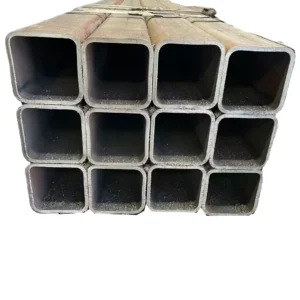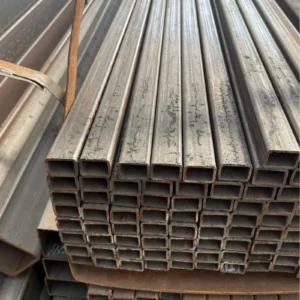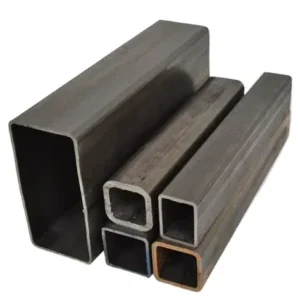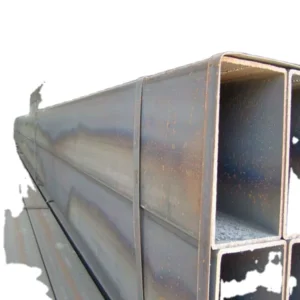
Description
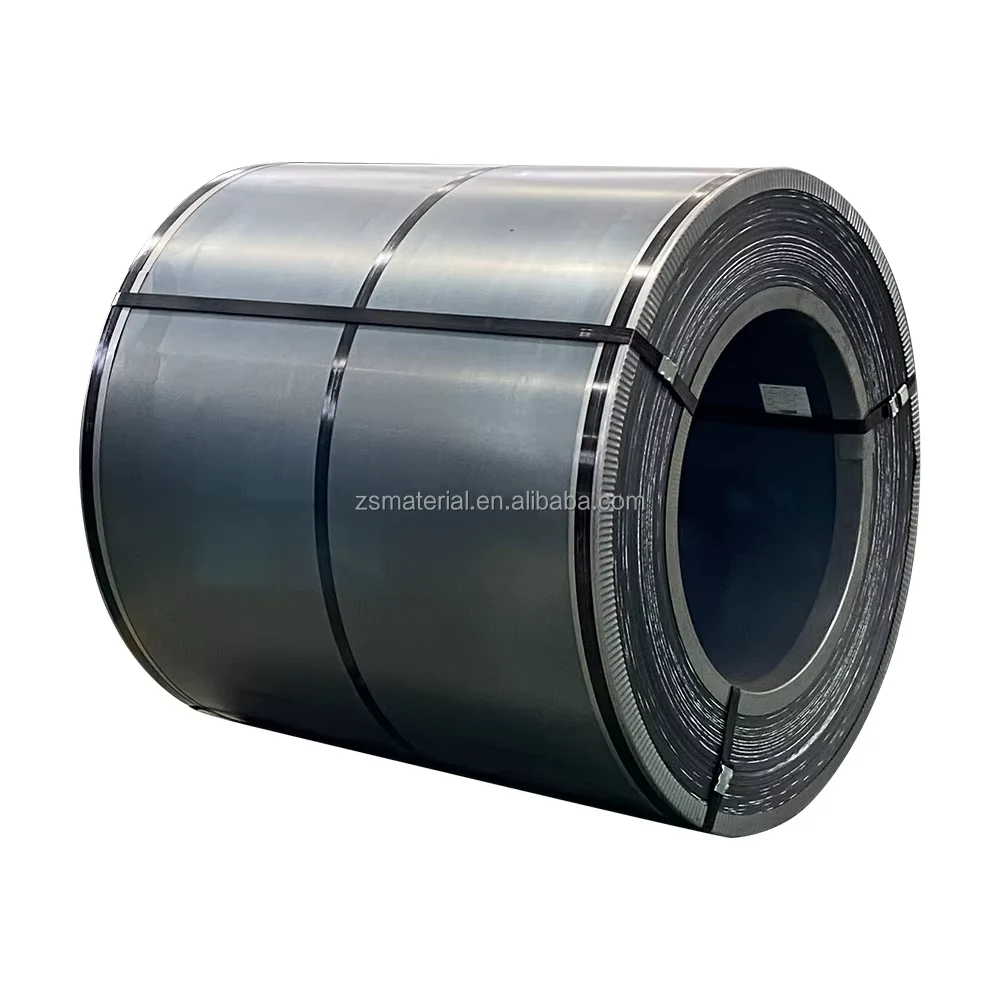
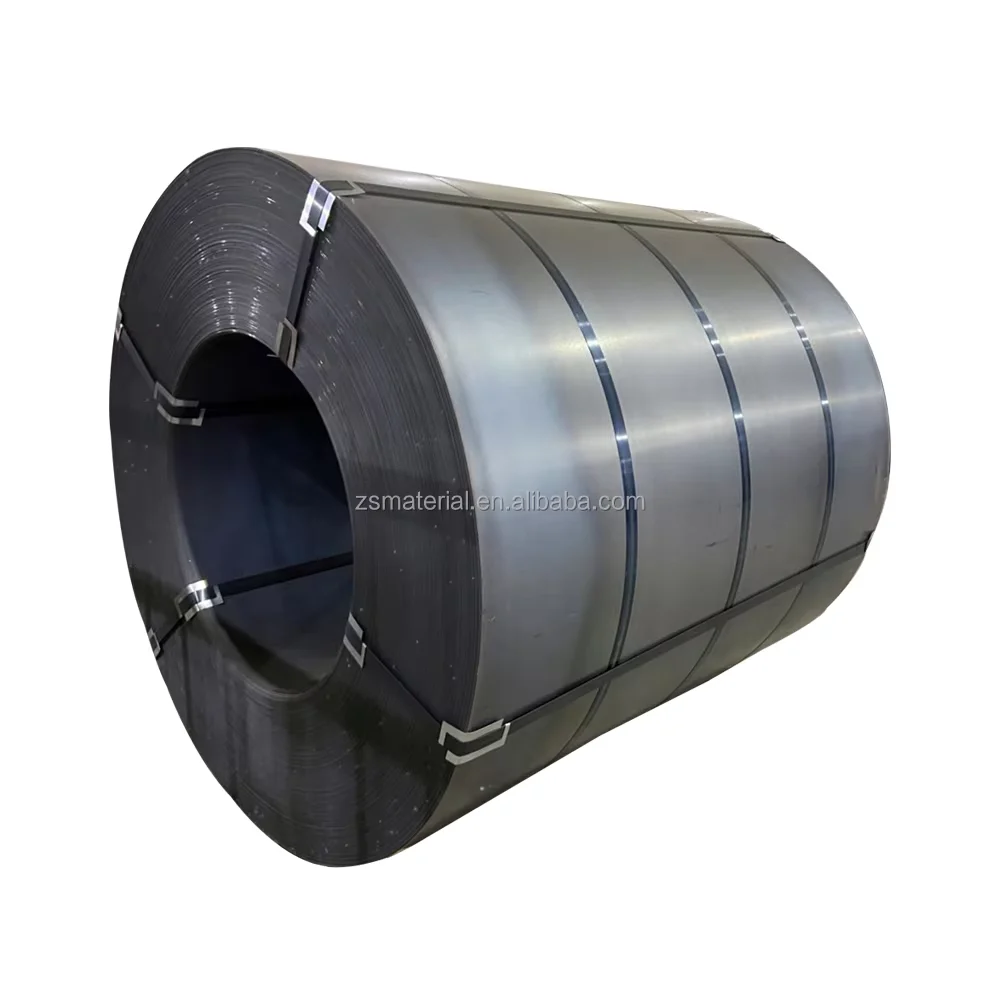
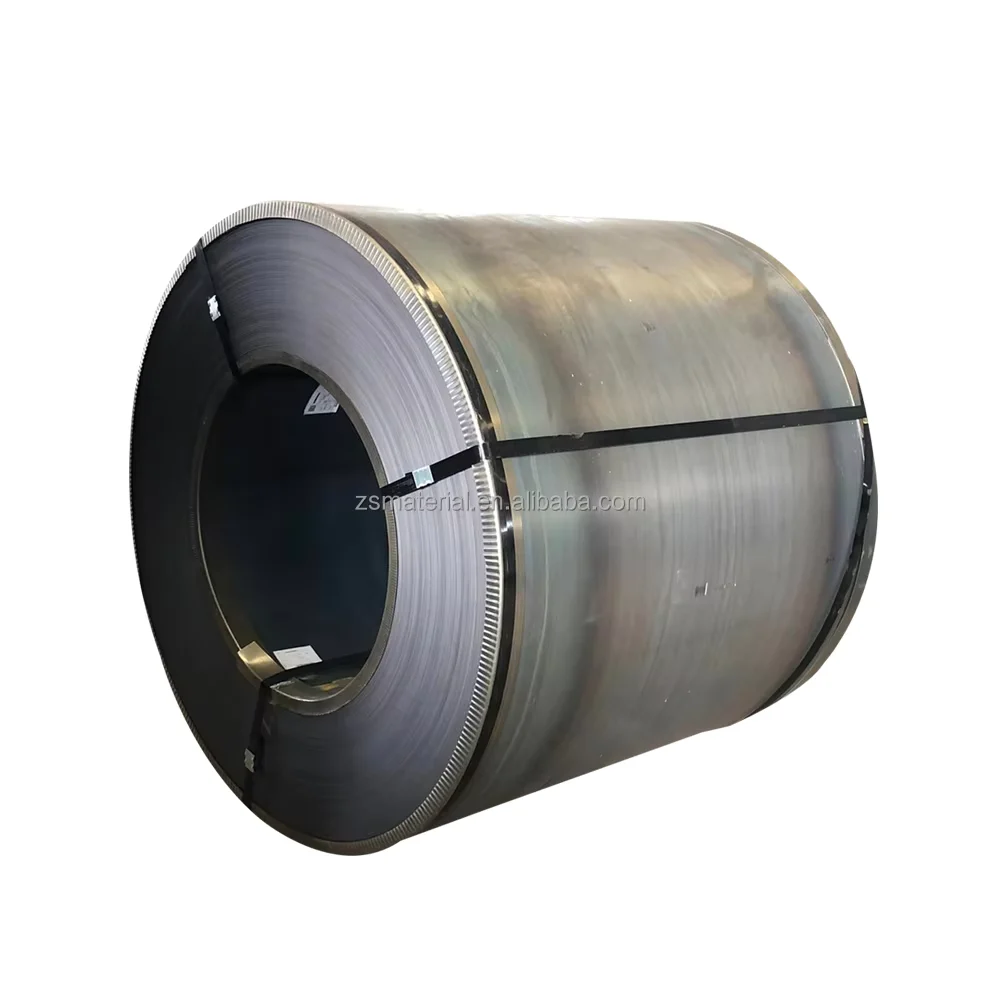
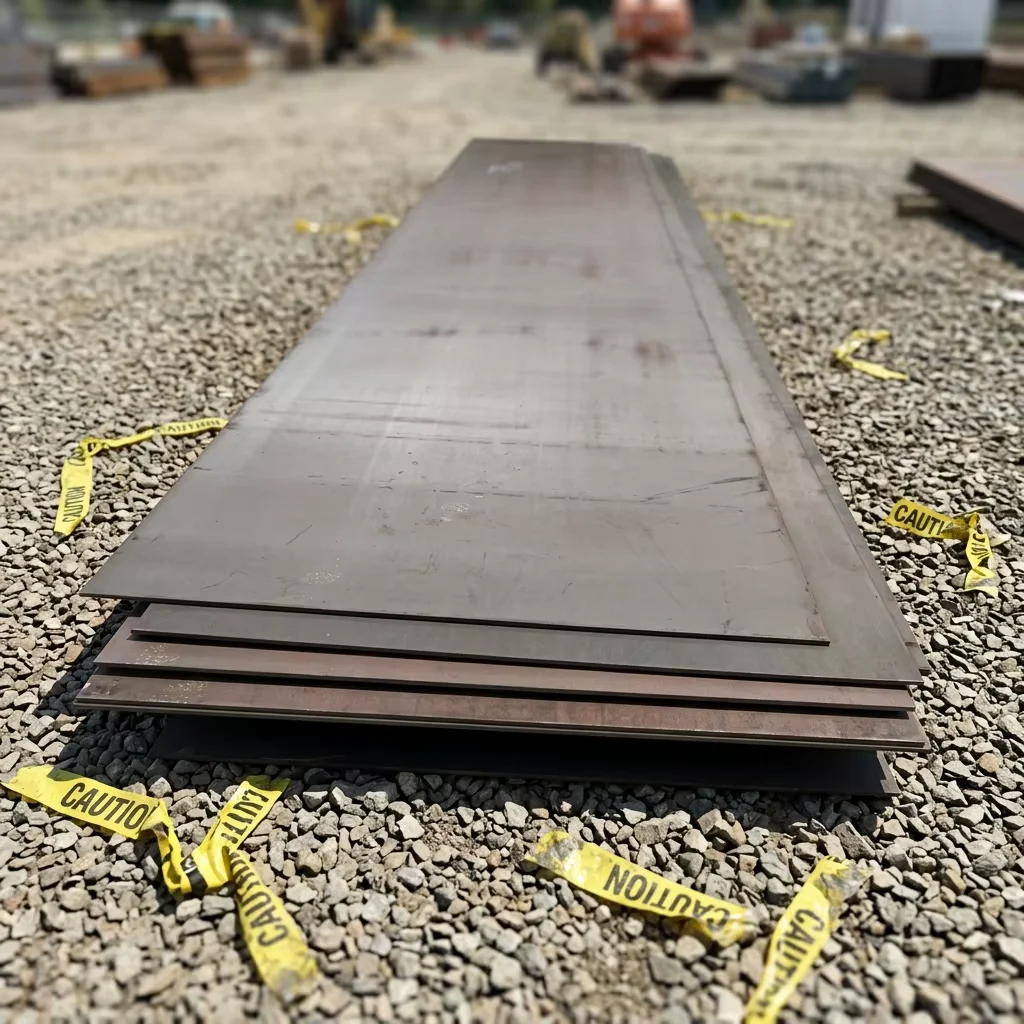
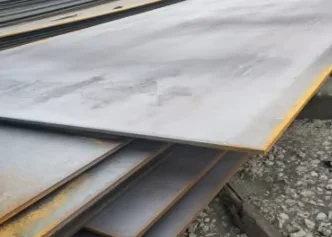
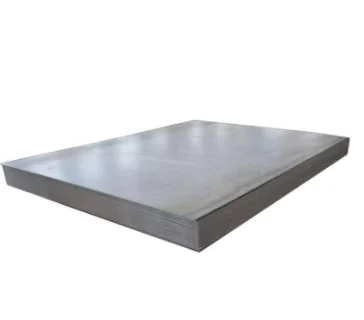
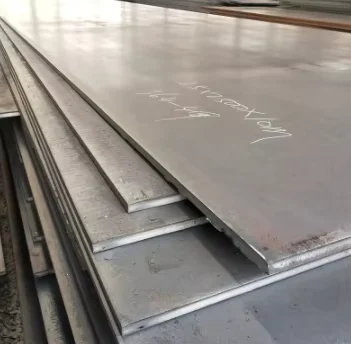
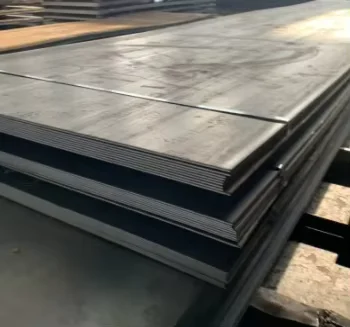
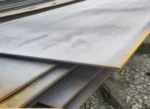
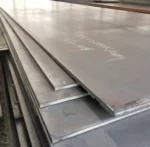
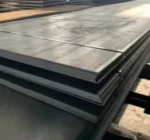
Factory-Direct Hot Rolled Steel Plate Q235 Q255 Q275 Supplier — every batch leaves our Jinan mill with original chemical and mechanical test reports, shipped straight to your port without trading-company markups.
Technical Specifications
| Parameter | Value |
|---|---|
| Designation | Q235 / Q255 / Q275 / 20# Hot Rolled Steel Plate |
| Product Type | Hot Rolled Steel Plate |
| Steel Grade | Q235, Q255, Q275, 20# |
| Standard | ASTM, DIN, JIS (equivalent grade supply available) |
| Section Shape | Flat plate |
| Size Range | Thickness 3–200 mm |
| Technique | Hot rolling |
| Surface Treatment | As-rolled (mill scale), shot-blasted or primed on request |
| Length | Standard mill length or cut-to-order |
| Tolerance | Per applicable ASTM / DIN / JIS plate tolerance class |
| Ends | Mill edge or trimmed edge |
| Application | Structural frames, equipment bases, bridge components, pressure vessel shells |
| MOQ | 1 ton trial order accepted |
| Origin | Shandong, China |
Application Suitability
| Industry | Typical Applications |
|---|---|
| Construction & Infrastructure | Column base plates, bridge gusset plates, embedded anchor plates |
| Machinery Manufacturing | Machine tool beds, crane boom side plates, excavator structural brackets |
| Pressure & Process Equipment | Low-pressure vessel shells, tank bottom plates, ductwork flanges |
| Steel Fabrication & EPC | Beam splice plates, stiffener plates, gusset connections for portal frames |
What a Missing Mill Test Certificate Costs on a Q235 Plate Order
A plate that looks right but fails chemistry verification can shut down an entire project acceptance.
We once loaded 200-plus tons of Q235 hot-rolled plate for a West African infrastructure job. The buyer’s third-party inspector at the discharge port found yield values drifting below the lower bound of the grade. The whole batch was rejected by the site supervisor, and the project schedule slipped three weeks. Since that shipment, every plate we roll goes through our in-house lab for full chemical and mechanical verification before it ever touches a container. [NEED_CITE: EN 10219 cold-formed hollow section requirements]
Hot Rolled Steel Plate Q235 Q255 Q275 Supplier buyers in the EPC and trading segments tell us the same frustration: certificates that arrive vague, heat numbers that do not match the stencils on the plate, or chemistry reports that clearly belong to a different coil. When customs or the project监理 asks for traceable documentation, a missing or mismatched MTC turns a routine delivery into a compliance headache.
How Thickness Range Matches Structural and Fabrication Demands
Plates in the 3–20 mm range typically serve as gussets, splice plates and stiffeners in portal frames and conveyor structures, where flatness and edge quality matter more than raw section modulus. The 20–60 mm band moves into heavy equipment bases, crane booms and bridge components, where through-thickness integrity and consistent chemistry become critical. Beyond 60 mm, buyers are usually ordering for pressure vessel shells or heavy column base plates, and that is where lamellar tearing risk and proper normalizing treatment start to matter. As a Hot Rolled Steel Plate Q235 Q255 Q275 Supplier running three rolling lines in Jinan, we keep standard thicknesses in ready stock and roll the heavier gauges to order, so a single container can mix thin splice plates with thick base plates without waiting for separate mill campaigns.
Engineering Compliance and Grade Selection Across Standards
Q235, Q255 and Q275 sit on a steadily rising yield-strength ladder within the Chinese GB/T 700 system, and each has a widely accepted equivalent in ASTM, EN and JIS frameworks. For projects designed to EN 1993 or AISC, the engineer will specify a minimum yield and an impact-energy class; our job is to map that requirement to the closest Q-series or 20# grade and confirm it with a mill test certificate that references the correct standard. [NEED_CITE: steel grade equivalence between EN and ASTM standards] Surface condition is equally project-sensitive: as-rolled mill scale is acceptable for indoor structural work, while shot-blasted and primed plates are expected on exposed bridge or marine-adjacent structures. CE marking under EN 10210 / EN 10219 is required for structural hollow sections entering the EU, and plate used in load-bearing members must carry matching traceability back to the heat number. [NEED_CITE: EN 10219 cold-formed hollow section requirements]
Steel Grade Logic and Rolling Process Behind the Plate
Q235 is the workhorse carbon structural grade, chosen where weldability and formability outweigh the need for high yield. Q255 and Q275 step the yield upward for members that carry heavier static loads, at the cost of slightly reduced ductility and more careful welding parameters. The 20# grade, a low-carbon优质碳素结构钢, is specified when the plate will be machined, cold-formed or used in mild pressure service, because its tighter carbon range gives more predictable behaviour after forming. Hot rolling above the recrystallization temperature produces a plate with a coarse-grained surface scale but good through-thickness ductility, which is why it remains the default process for structural and fabrication plates up to 200 mm. Thicker plates intended for low-temperature or dynamic loading are often normalized after rolling to refine the grain structure, a step we coordinate with the mill when the purchase order calls it up.
Hidden Costs When the Wrong Grade or Certificate Reaches the Site
Plates delivered with chemistry outside the grade window fail acceptance testing and must be cut out and replaced, which on a bridge or pressure vessel means rewelding, re-inspection and rescheduled crane time. Missing or non-traceable mill test certificates trigger customs holds in markets that enforce CE or SGS verification, turning a landed shipment into a bonded-warehouse bill. Oversized negative tolerance on thickness looks like a price saving on paper but reduces the effective section modulus, forcing the engineer to either reject the material or redesign the connection. [NEED_CITE: EN 10219 cold-formed hollow section requirements] In every case, the real cost is not the steel price difference but the idle crew, the delayed handover and the re-inspection fees that follow.
Why Buyers Keep Coming Back for Hot Rolled Steel Plate Q235 Q255 Q275 Supplier Orders
We run the rolling lines ourselves in Jinan, so the price you see is a factory price, not a trading-company layer. Our warehouse holds over 2,800 specifications of plate, section and tube, which means a single order can combine Q235 gussets, Q275 stiffeners and 20# machined blanks into one container without waiting for three separate suppliers. Every heat is tested in our own lab before release, and the mill test certificate travels with the plate, not as an afterthought. For buyers who need third-party reassurance, we arrange SGS or BV inspection at the mill before loading. Non-standard thicknesses, cut-to-length plates and custom chemistry are handled on the same production lines, with typical lead times in the normal range for made-to-order gauges. Our export team builds the loading plan around the plate dimensions so that a 20-foot container carries maximum usable tonnage without overhang or shifting, and handles the full documentation pack from commercial invoice to certificate of origin.
Documentation & Compliance
- Mill test certificate documenting Q235 / Q255 / Q275 / 20# chemical composition and mechanical properties per the ordered ASTM, DIN or JIS equivalent.
- CE certificate covering structural plate and hollow sections under EN 10210 / EN 10219 for EU-bound projects.
- ISO 9001:2015 quality management certificate covering the full production and inspection process.
- SGS or BV third-party inspection report available on request, covering visual, dimensional and chemical verification.
- Full material traceability by heat number, with heat identity stamped on each plate and reproduced on the MTC.
- Customs document pack including packing list, bill of lading and certificate of origin matched to the destination country.
Packaging, Loading & Delivery
- Q235 / Q255 / Q275 / 20# plates bundled with steel strips and edge protectors, sized to suit the 3–200 mm thickness range ordered.
- As-rolled plates shipped with mill scale intact; shot-blasted or primed plates wrapped to protect the surface finish during ocean transit.
- Container loading plans built around plate length and width to maximize tonnage per 20-foot or 40-foot unit, with timber dunnage to prevent shift.
- Cut-to-length plates offered within the standard mill length range, with kerf allowance agreed before rolling.
- Each plate stenciled with heat number, grade (Q235 / Q255 / Q275 / 20#) and thickness, matched to the mill test certificate.
- Shipment terms FOB, CIF or DDP, with door-to-door coordination for project sites inland from the discharge port.
Getting a Firm Quote and Mill Test Certificate for Your Plate Order
Send us the plate thickness, width, length, steel grade (Q235, Q255, Q275 or 20#), quantity and destination port, and we return a factory-direct price with the applicable ASTM / DIN / JIS equivalent, typical production lead time and payment terms. If your drawing calls for non-standard thickness or custom chemistry, we return a rolling proposal from the Jinan mill together with a sample mill test certificate from a comparable heat. Once the order is confirmed, the full documentation pack and third-party inspection arrangement are locked in before the first plate is cut.
Frequently Asked Questions
Q: Can you supply Q235 plate with an ASTM or EN equivalent grade on the mill test certificate?
A: Yes. We map Q235, Q255, Q275 and 20# to the closest ASTM, DIN or JIS equivalent and issue the mill test certificate against the standard specified in your purchase order, with full chemical and mechanical data.
Q: What is the minimum order quantity for Hot Rolled Steel Plate Q235 Q255 Q275 Supplier stock sizes?
A: We accept trial orders from 1 ton on ready-stock thicknesses, which lets new buyers test our quality and documentation before committing to full-container volumes.
Q: Do you arrange third-party inspection before loading?
A: Yes. SGS and BV inspection can be scheduled at our Jinan mill to verify dimensions, surface condition, chemistry and marking before the container is sealed.
Q: Can plates be supplied cut to specific lengths rather than standard mill lengths?
A: Yes. Cut-to-length plates are available within the standard rolling range, with kerf allowance and dimensional tolerance agreed before the order is released to the mill.
Q: Which certificates are included in the standard shipment documentation pack?
A: Every shipment includes the mill test certificate, commercial invoice, packing list, bill of lading and certificate of origin; CE and ISO 9001 certificates are supplied on request for project compliance files.
[Request Your Factory-Direct Plate Quote and Mill Test Certificate Today]
Email your plate specification, steel grade and destination port to our sales team, and receive a factory-direct quotation with full mill test documentation within one business day.
Shandong Xin Jiyuan Special Steel Tube Co., Ltd
Website: www.sdxinjiyuan.com
Tel: +86 531 8573 6315
Mobile / WhatsApp / WeChat: +86 188 5315 7756
Email: admin@sdxinjiyuan.com
Address: No.11889, Jingshi West Road, Lulian Group, Jinan City, Shandong Province, China