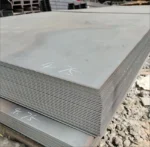
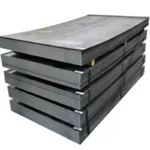
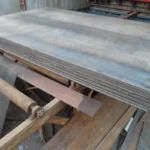
Description
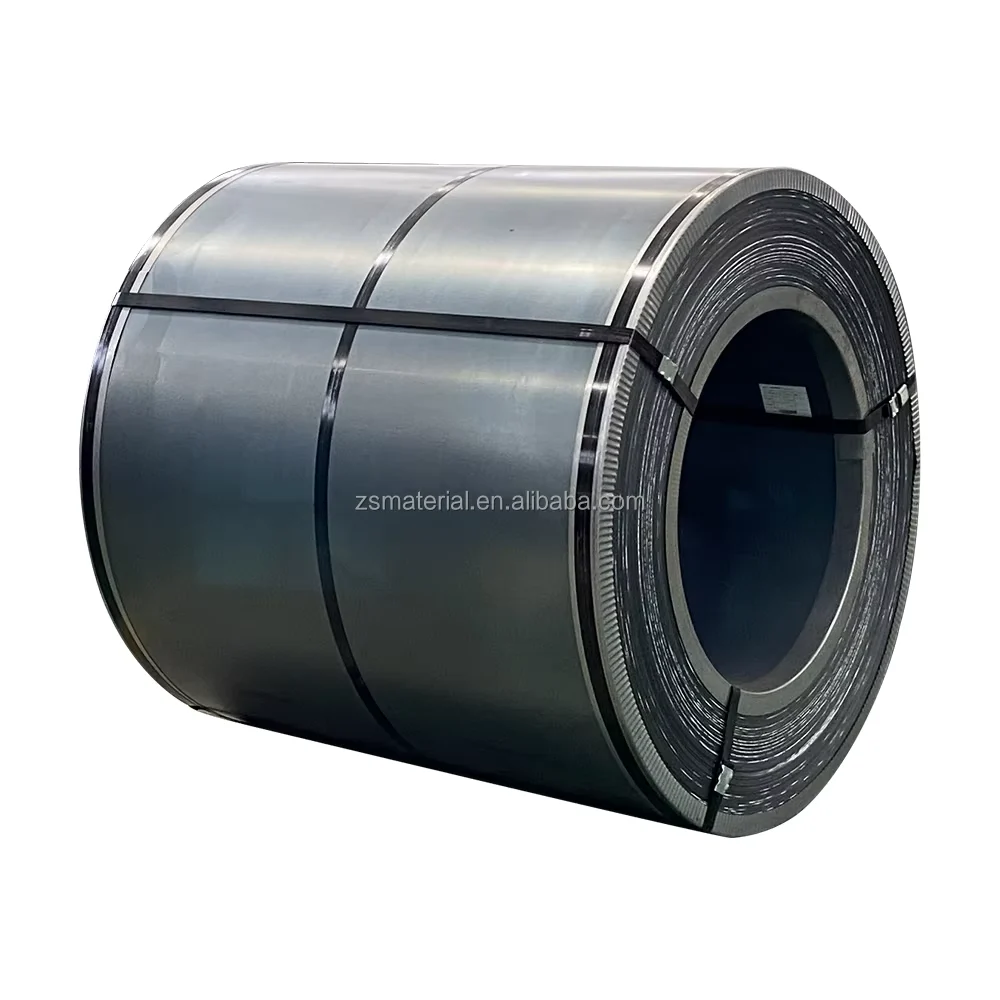
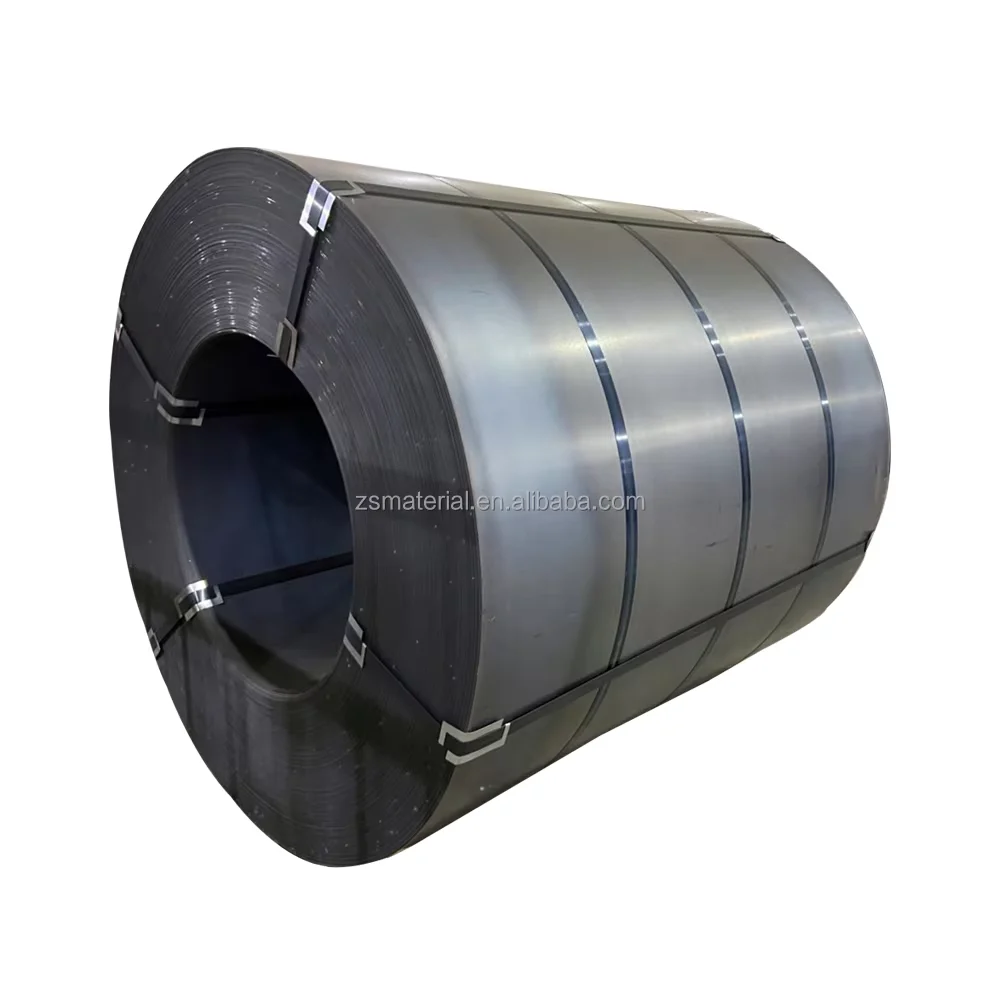
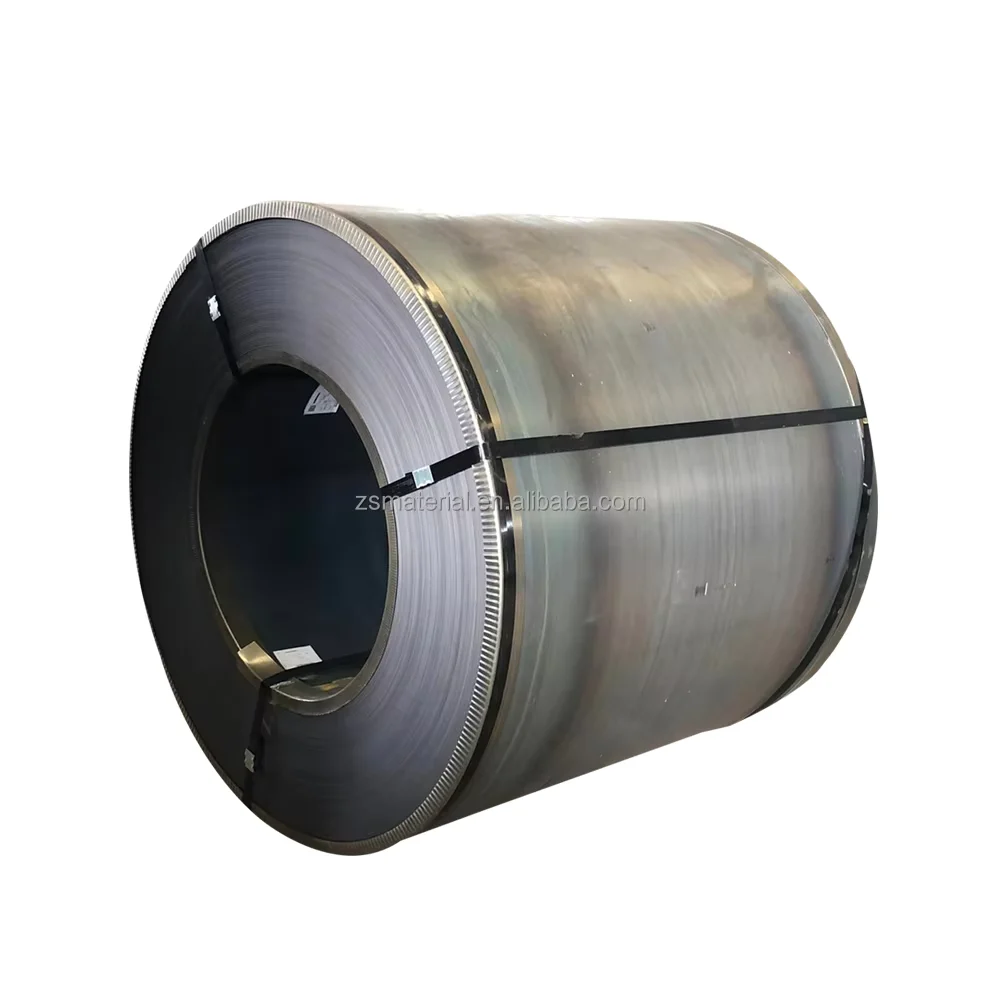
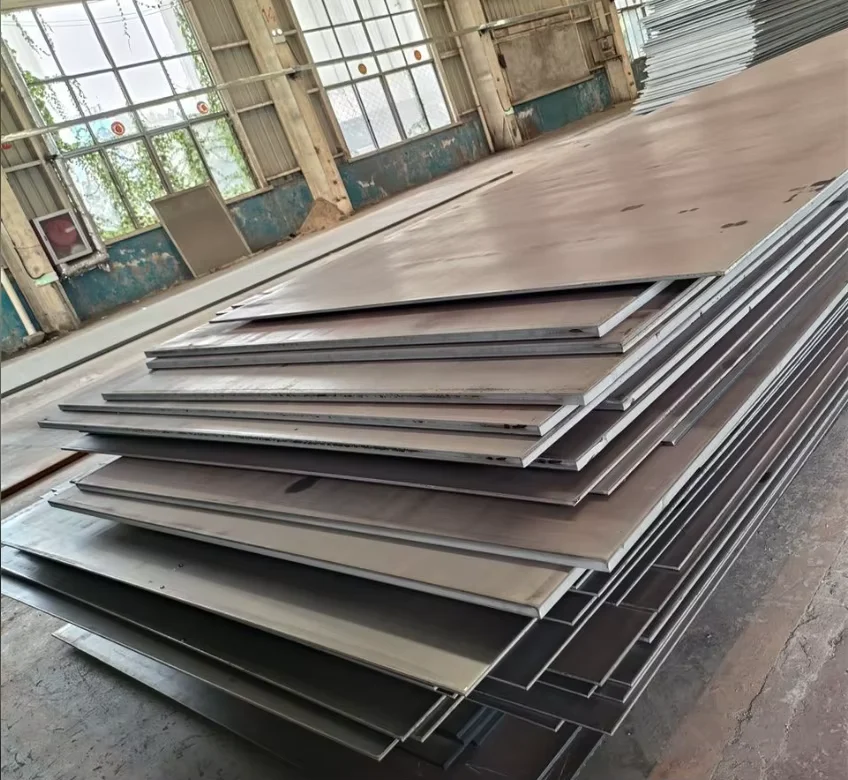
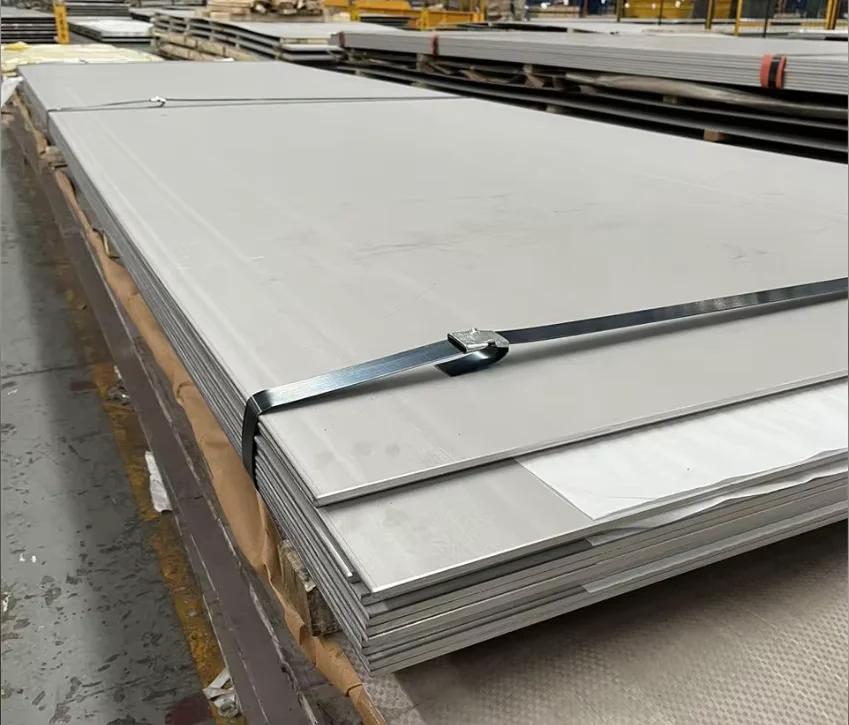
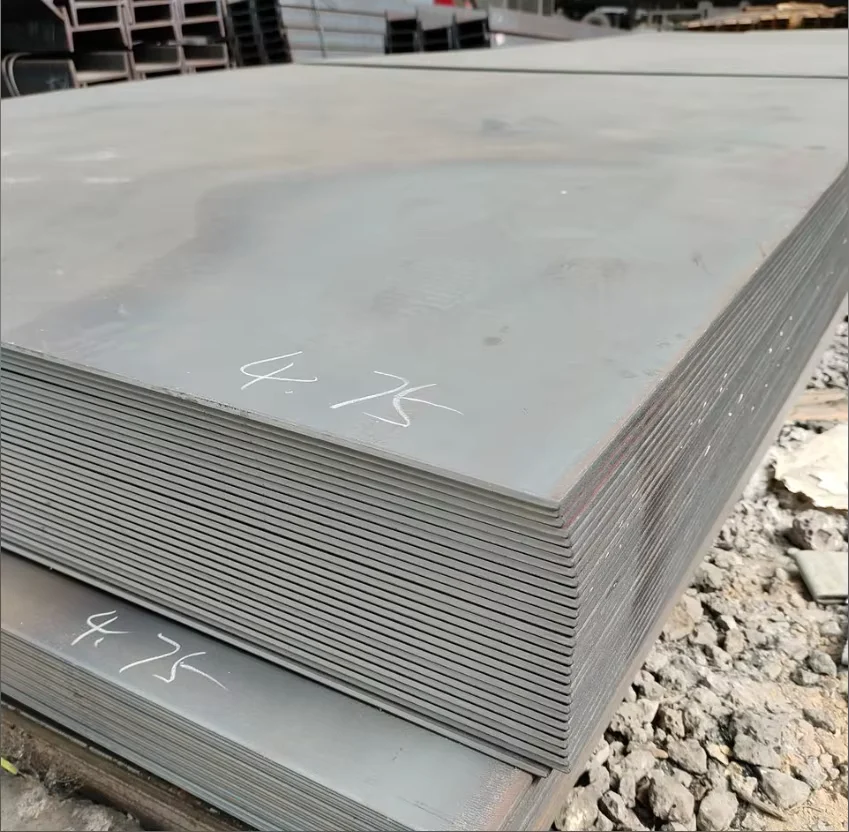
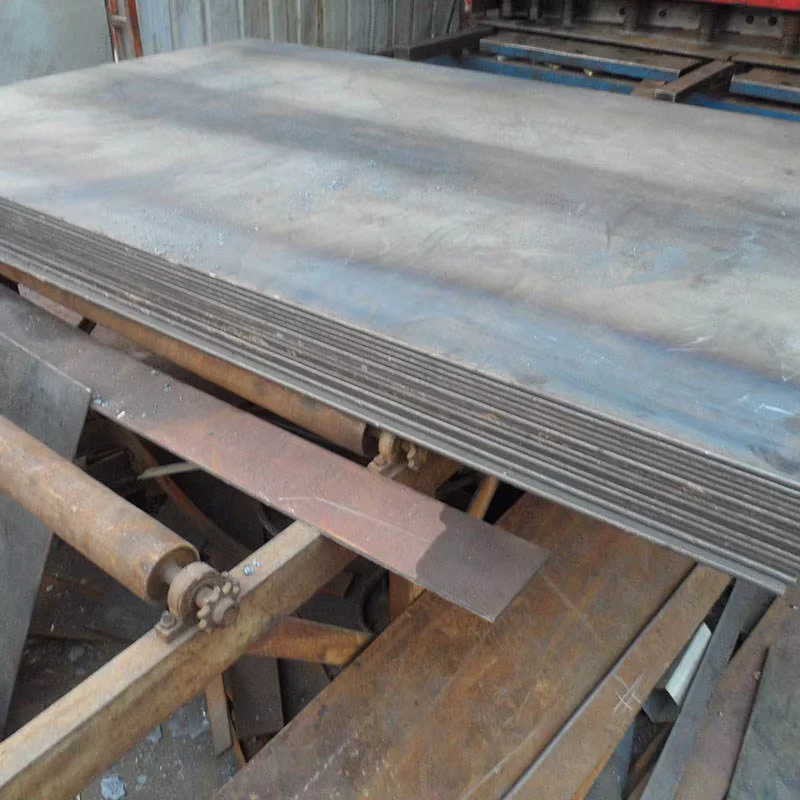
Factory-direct hot rolled plates — 3 production lines running simultaneously ensure bulk availability across Q235, Q255, Q275, 20#, and ASTM A36 grades without middleman markups.
Technical Specifications
| Parameter | Value |
|---|---|
| Designation | Q235 / Q255 / Q275 / 20# / ASTM A36 Hot Rolled Steel Plate |
| Product Type | Steel Plate |
| Steel Grade | Q235, Q255, Q275, 20#, ASTM A36, AISI Low Carbon Steel |
| Standard | GB/T 709 (Q235/Q255/Q275), ASTM A36, AISI |
| Thickness | 3–200 mm |
| Technique | Hot Rolled |
| Surface Treatment | Hot Rolled |
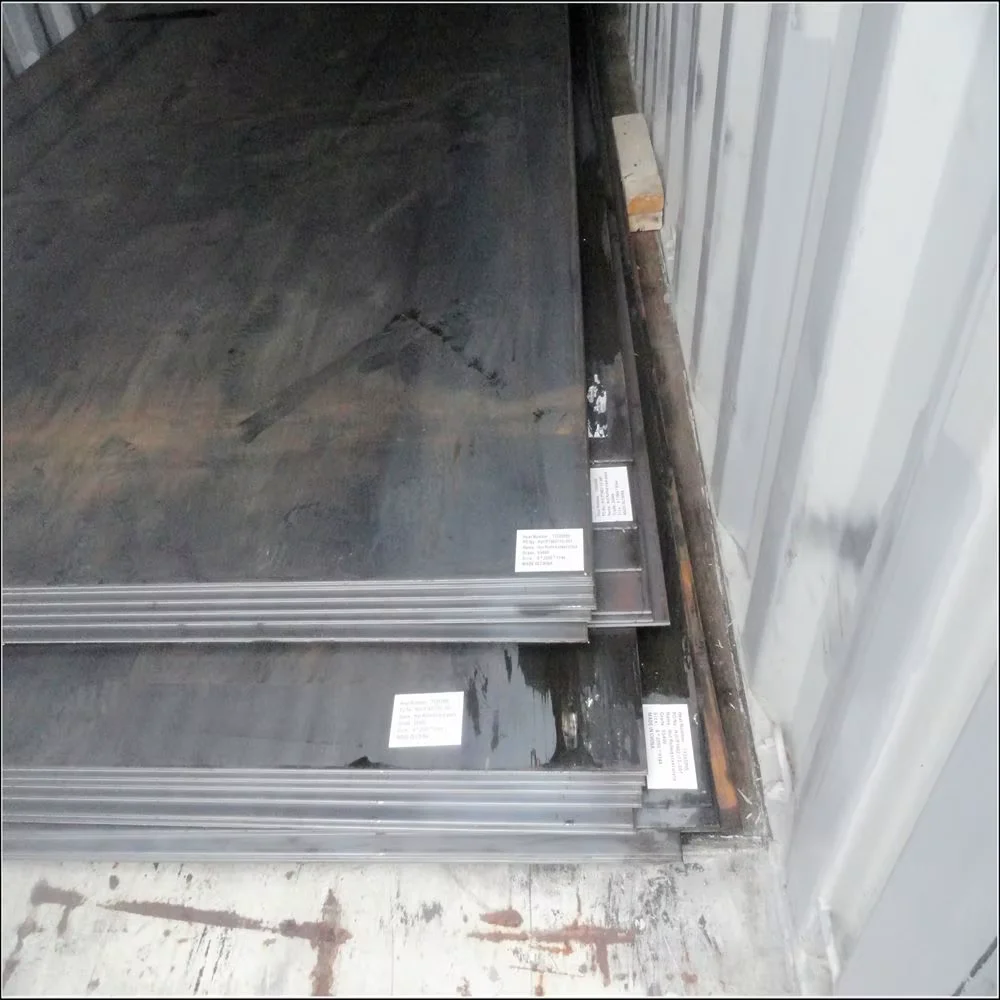
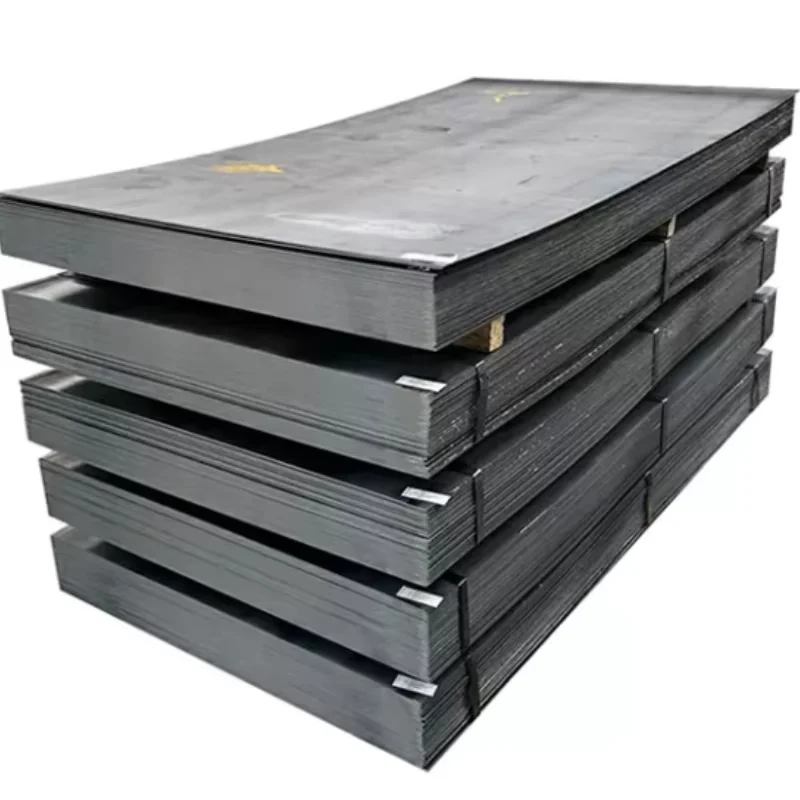
| Packaging | Seaworthy packing with steel strips bundles |
| Application | Fabrication / Welding structures / Cutting & machining / Construction / Industrial equipment |
| MOQ | 1 Ton |
| Origin | Shandong, China |
Application Suitability
| Industry | Typical Applications |
|---|---|
| Construction & Infrastructure | Structural base plates, column base connections, embedded anchor plates, bridge gusset plates |
| Industrial Fabrication | Machinery mounting bases, welding assemblies, flame-cut blanks, jig and fixture plates |
| Energy & Heavy Industry | Wind turbine foundation plates, solar mounting structure bases, equipment support frames |
| General Engineering | Building frames, platform decking, warehouse racking uprights, conveyor support structures |
Thickness Tolerance Is Where Your Budget Actually Leaks on a Hot Rolled Steel Plate Order
Undersized plates pass visual inspection but fail load calculations — and the rework bill lands on your desk, not the mill’s.
Global buyers sourcing carbon steel plates from fragmented suppliers routinely encounter inconsistent thickness, unclear grade traceability, and missing mill certificates. A plate stamped Q235 that arrives 0.5 mm under nominal thickness may still weld fine, but it shifts the entire structural weight calculation — especially on orders above 20 mm where every millimeter of deviation multiplies across hundreds of tons. Customs officers in the Middle East and Southeast Asia increasingly flag shipments without proper certification documentation, causing port delays that dwarf any per-ton price savings. [NEED_CITE: thickness tolerance standards for hot rolled steel plates per GB/T 709]
Matching Plate Thickness to Structural Load Paths
Hot rolled plates in the 3–200 mm range cover nearly every structural demand from thin gusset connections to heavy equipment base plates. For welding structures and fabrication work, Q235 and ASTM A36 provide reliable formability and consistent fusion behavior under standard SMAW and GMAW processes. When your project requires flame cutting or machining, the homogeneous microstructure of hot rolled Q255 and Q275 delivers predictable edge quality without laminar tearing. As an ASTM A36 Q235 hot rolled steel plate supplier, we supply each grade with full heat-number traceability so your engineer can sign off on material compliance before the first cut.
Engineering Compliance and Certification Requirements
Structural steel plates used in load-bearing frames must conform to recognized standards — GB/T 709 for Chinese grades, ASTM A36 for North American-spec projects, and EN equivalents where CE marking applies. Corrosion environment dictates whether hot rolled finish suffices or whether downstream galvanizing or coating is required; hot rolled surface provides adequate adhesion for both painting and galvanizing processes. Grade selection directly affects weldability and machinability — Q235 offers excellent weldability for general construction, while Q275 delivers higher strength for heavy-duty industrial frames. Third-party inspection from SGS or BV verifies chemical composition and mechanical properties before shipment, preventing compliance failures at destination ports. [NEED_CITE: ASTM A36 mechanical property requirements for structural steel plates]
Steel Grade Selection and Hot Rolling Process Explained
The Q-series (Q235, Q255, Q275) follows the Chinese GB/T standard system where the number indicates minimum yield strength in MPa — Q235 suits general construction and welding structures, Q255 bridges into heavier fabrication, and Q275 serves industrial equipment requiring higher load capacity. ASTM A36 is the North American equivalent for general structural use, widely accepted across international projects. The 20# grade, a low-carbon manganese steel, excels in machining applications where surface finish and dimensional precision matter after cutting. Hot rolling produces a mill scale surface that protects against atmospheric corrosion during storage and transit, while remaining fully receptive to subsequent surface treatments. Thickness tolerance under GB/T 709 allows controlled negative deviation, but responsible suppliers cap deviation well within standard limits to preserve structural integrity — a lesson learned the hard way when a 25 mm order arrived at 22.8 mm and an entire container had to be air-freighted as replacement. [NEED_CITE: steel grade equivalence mapping between GB/T Q-series and ASTM standards]
Hidden Costs of Procuring the Wrong Grade or Tolerance
Specifying ASTM A36 but receiving unmarked plates with no heat number traceability means your project inspector rejects the entire batch — regardless of whether the material actually meets spec. Plates with excessive negative tolerance reduce load-bearing capacity silently; the structure passes assembly but fails under design load, triggering costly teardown and replacement. Missing mill test certificates cause customs holds in markets with strict import documentation requirements, turning a routine CIF delivery into a demurrage nightmare. Every one of these failures traces back to sourcing from suppliers who cannot guarantee grade consistency or provide verifiable certification. [NEED_CITE: consequences of non-compliant steel plate documentation in international trade]
Why Bulk Buyers Source Hot Rolled Plates from Xin Jiyuan
Our Jinan facility operates three hot rolling lines with monthly capacity exceeding 20,000 tons, covering the full 3–200 mm thickness range across Q235, Q255, Q275, 20#, and ASTM A36 — no need to split your order across multiple suppliers. Every plate leaves the mill with an original test certificate documenting chemical composition and mechanical results tied to a specific heat number, and we welcome SGS or BV third-party inspection at any stage. Our in-house laboratory conducts three-stage inspection before shipment, catching tolerance deviations that visual checks miss. Factory-direct pricing means volume discounts compound across long-term partnerships, and our export team handles container loading optimization — critical when shipping 200 mm plates alongside 6 mm sheets in a single consignment. We maintain ready stock across 2,800+ specifications, enabling urgent fulfillment while custom orders roll within typical production lead times.
Documentation & Compliance
- Mill Test Certificate documenting Q235/Q255/Q275/20#/ASTM A36 chemical composition and mechanical properties per GB/T 709 or ASTM A36, with heat number traceability
- ISO 9001:2015 quality management certificate covering the full hot rolled plate production process
- SGS or BV third-party inspection report verifying thickness, surface quality, and dimensional tolerance before container sealing
- Material traceability report linking each plate to its original heat number, rolling batch, and test results
- Complete customs documentation package including packing list, bill of lading, and certificate of origin formatted for destination port requirements
- Lloyd’s CE certification available on applicable product categories for European market compliance
Packaging, Loading & Delivery
- Hot rolled plates bundled with high-tensile steel strips and edge protectors, preventing surface scratches and edge damage during ocean transit across the 3–200 mm thickness range
- Mill scale surface left intact as natural corrosion protection during storage and shipping; additional anti-rust oil applied on request for extended sea transit
- Container loading optimized by our export team — heavy 200 mm plates loaded at bottom with thinner 3–12 mm sheets stacked above, maximizing weight utilization per 20ft or 40ft container
- Custom cutting to project-specified dimensions available before shipment, reducing on-site waste and secondary processing costs at destination
- Each bundle marked with heat number, steel grade, thickness, and purchase order reference for immediate identification at port and on job site
- FOB, CIF, and DDP terms available with door-to-door logistics coordination to major ports across Southeast Asia, Middle East, Africa, and South America
Getting Your Hot Rolled Plate Quote Right the First Time
Submit your specification sheet — thickness, width, length, steel grade, quantity, and destination port — and our team responds within hours with factory-direct pricing, mill test certificate confirmation, and estimated delivery timeline. For non-standard dimensions or mixed-grade container orders, we provide consolidated loading plans that minimize freight cost per ton. Confirm your certification requirements upfront so we prepare the correct documentation package before production begins.
Frequently Asked Questions
Q: Can you supply ASTM A36 equivalent to Q235 for the same project?
A: Q235 and ASTM A36 share similar carbon content and yield strength ranges, making them functionally interchangeable for most general structural applications. We supply both grades from the same facility and can provide mill test certificates for either standard on the same order.
Q: How do you verify thickness tolerance on hot rolled plates?
A: Every plate undergoes three-stage inspection in our in-house laboratory — ultrasonic thickness measurement at rolling, manual gauge verification at finishing, and final random sampling before bundling. SGS or BV third-party inspection is available on request for additional verification.
Q: What is the minimum order quantity for custom thickness or dimensions?
A: Our flexible MOQ starts from 1 Ton, supporting both trial orders and full-container bulk shipments. Custom thickness within the 3–200 mm range and non-standard widths or lengths are available with typical production lead times.
Q: Do you provide mill test certificates with every shipment?
A: Yes — every batch ships with original mill test certificates documenting chemical composition and mechanical properties, tied to specific heat numbers for full material traceability. Third-party inspection reports from SGS or BV are available upon request.
Q: How do you optimize container loading for mixed-thickness plate orders?
A: Our export team designs loading plans that place heavier thick plates at the container base and lighter thin sheets above, maximizing weight utilization while preventing damage. This approach reduces per-ton freight cost and eliminates the need for multiple partial shipments.
Secure Factory-Direct Pricing on Your Next Hot Rolled Plate Order
Send your specifications — grade, thickness, dimensions, quantity, and destination — to receive a detailed quotation with mill test certificate confirmation and delivery timeline.
Email: admin@sdxinjiyuan.com | WhatsApp: +86 188 5315 7756 | Website: www.sdxinjiyuan.com