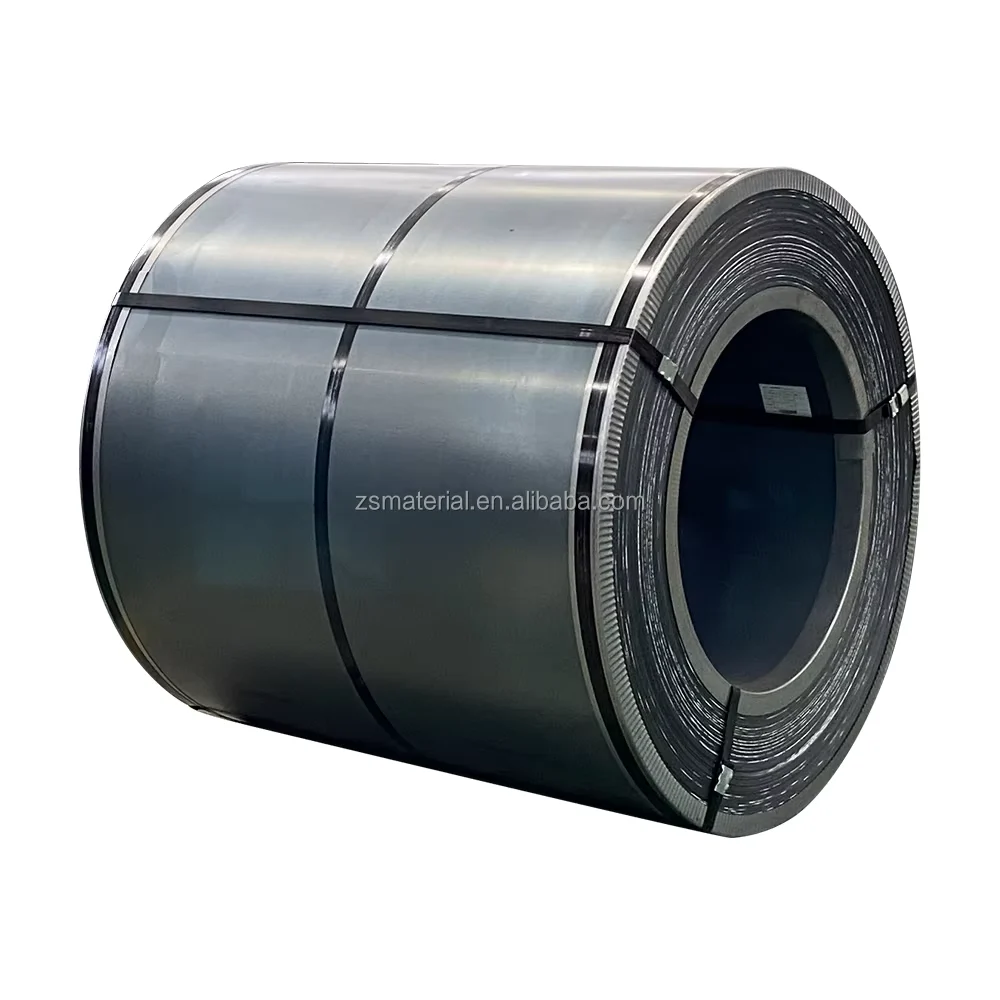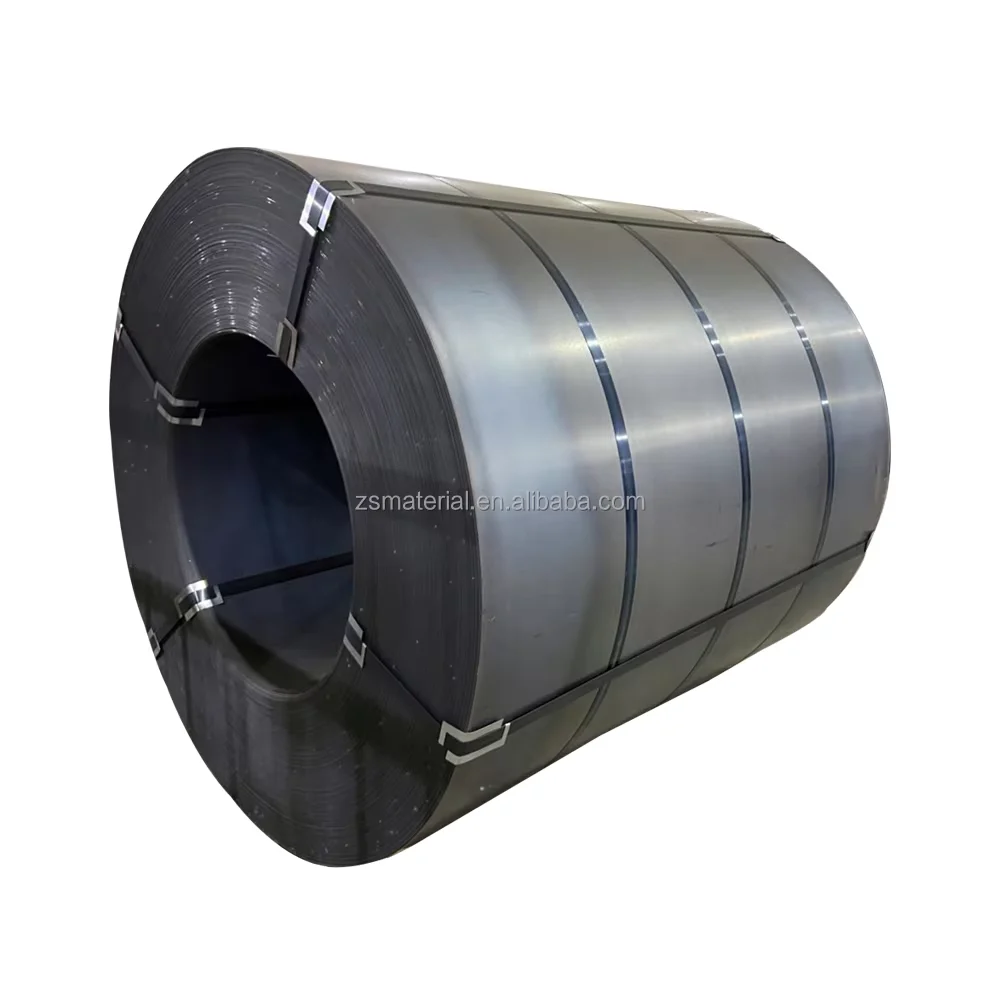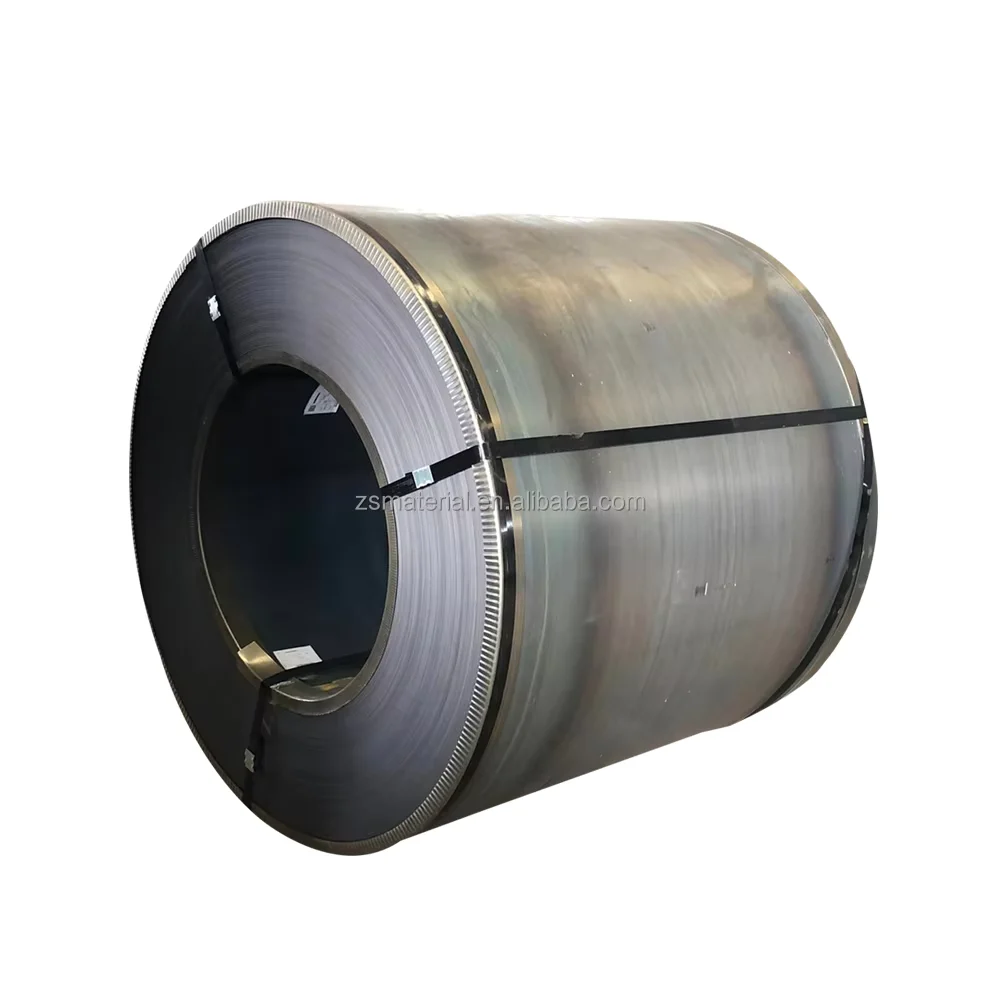
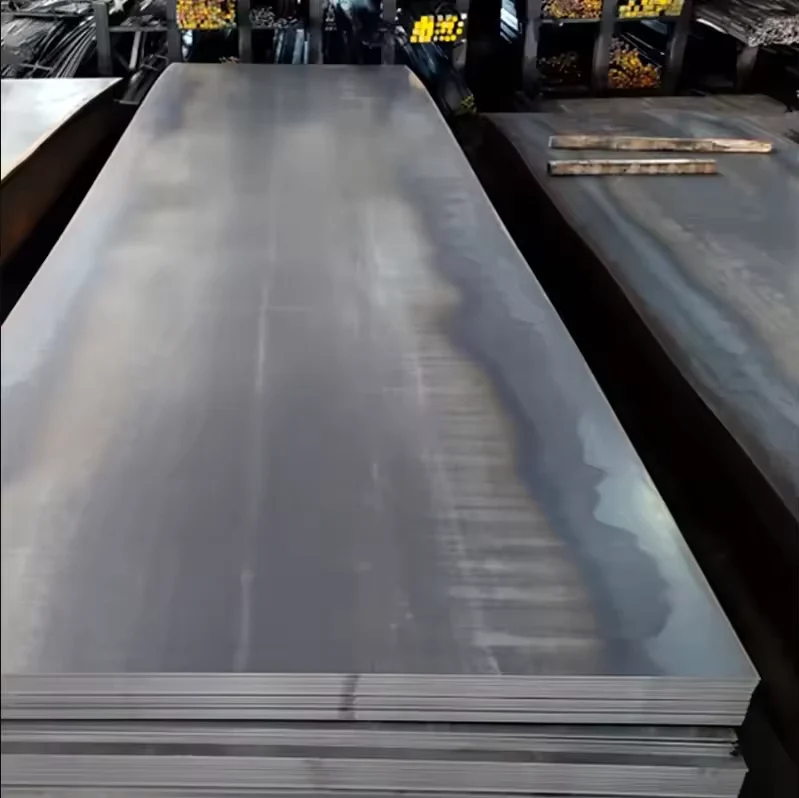
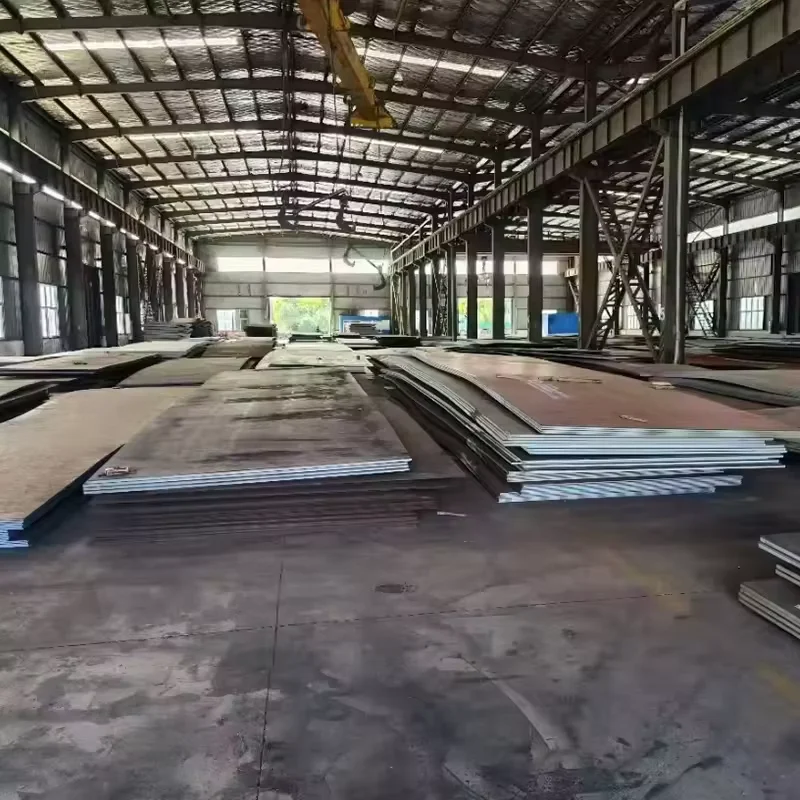
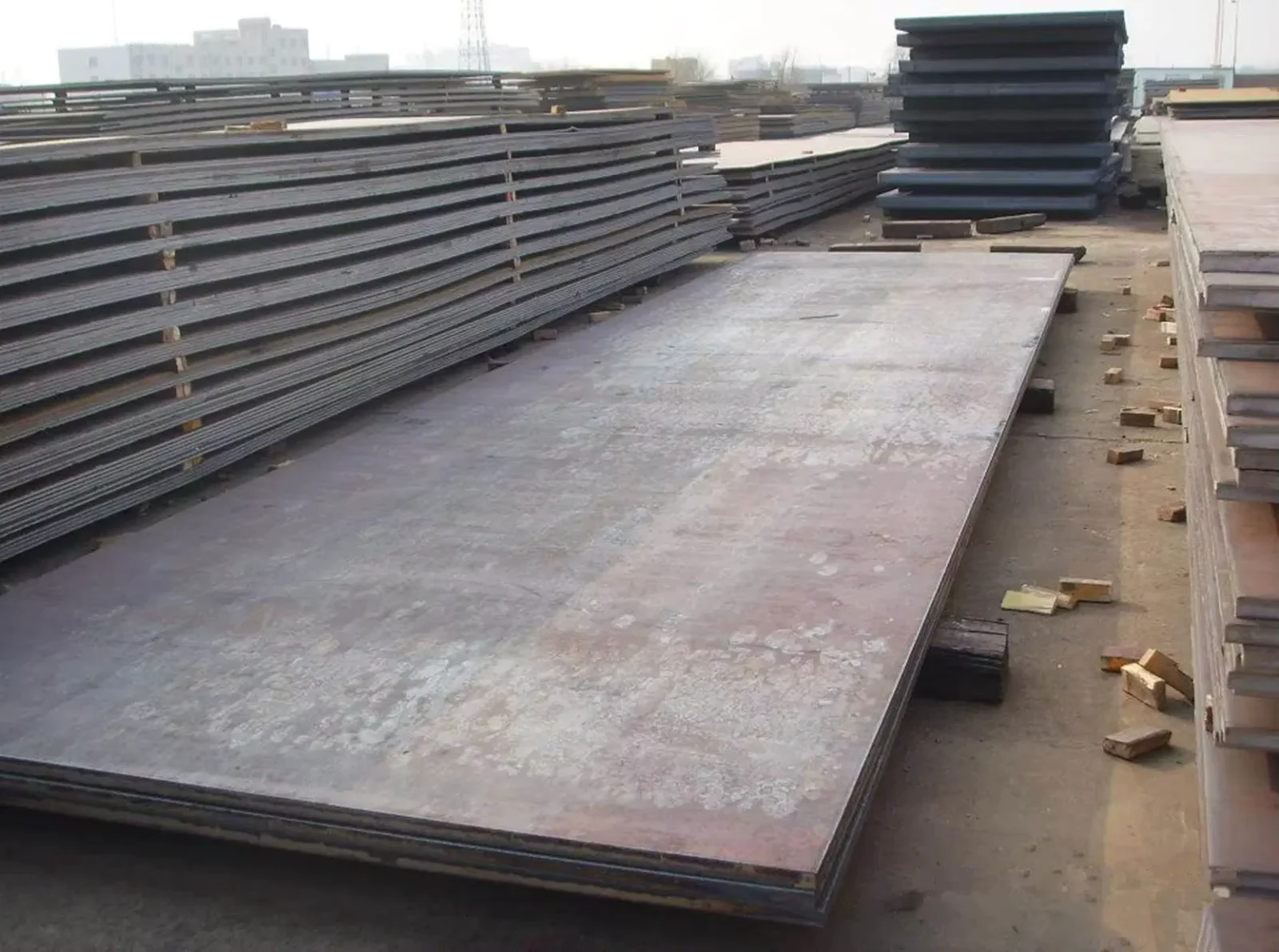
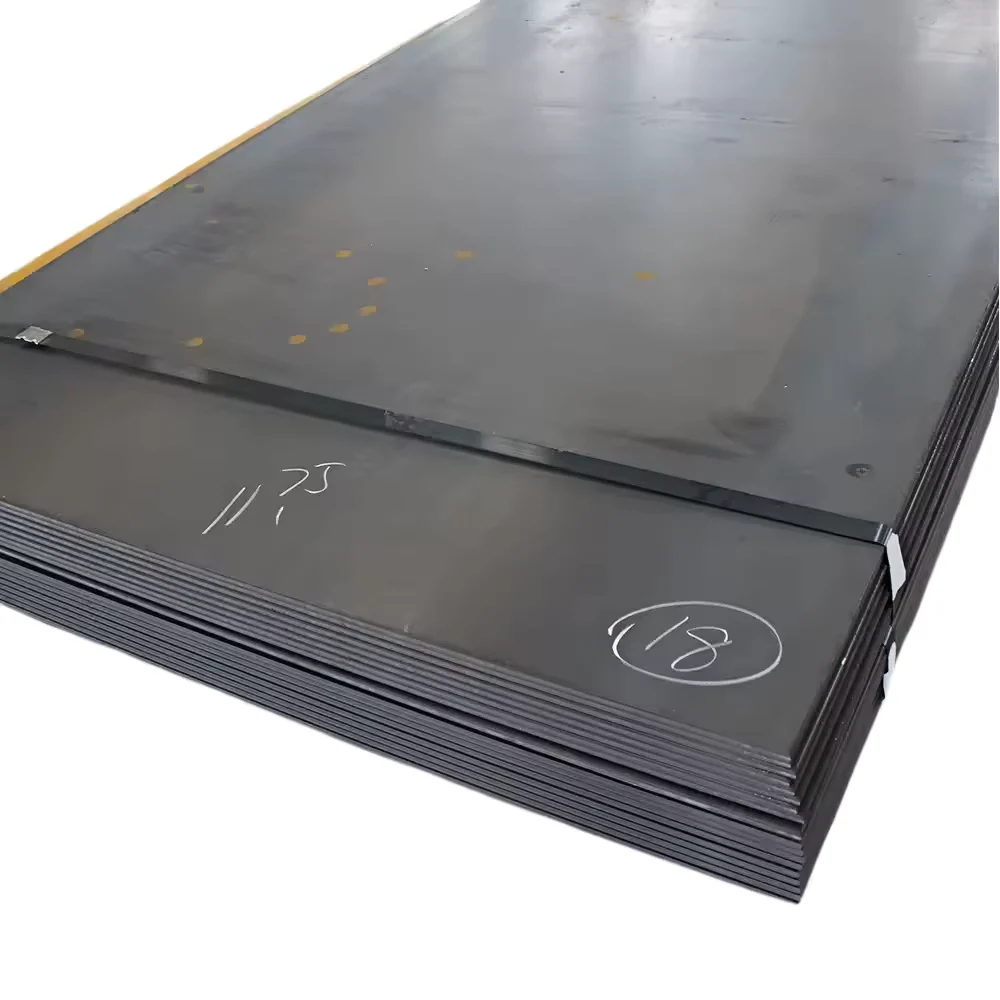
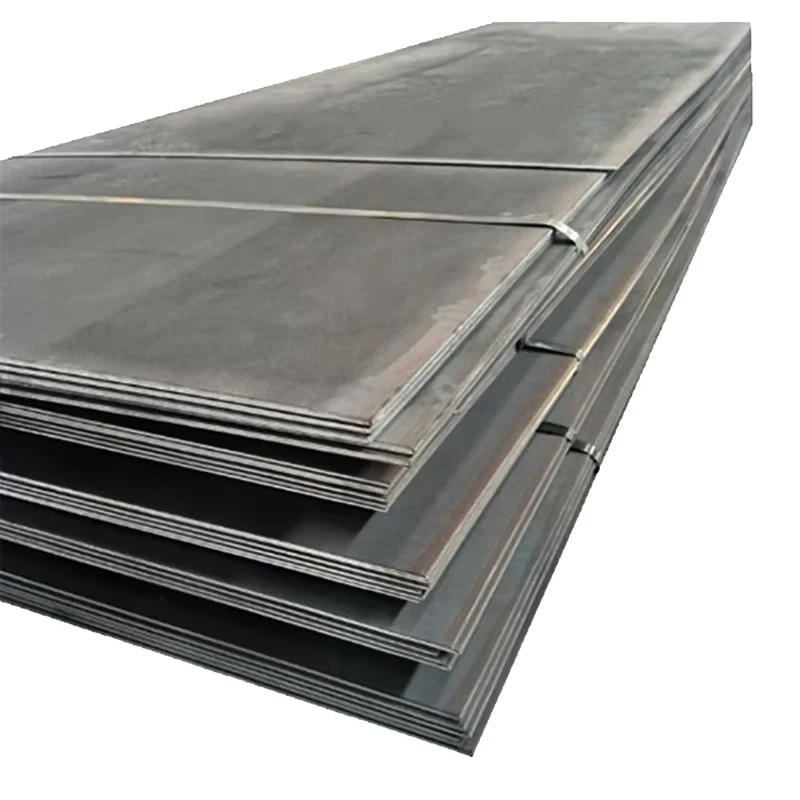

Description
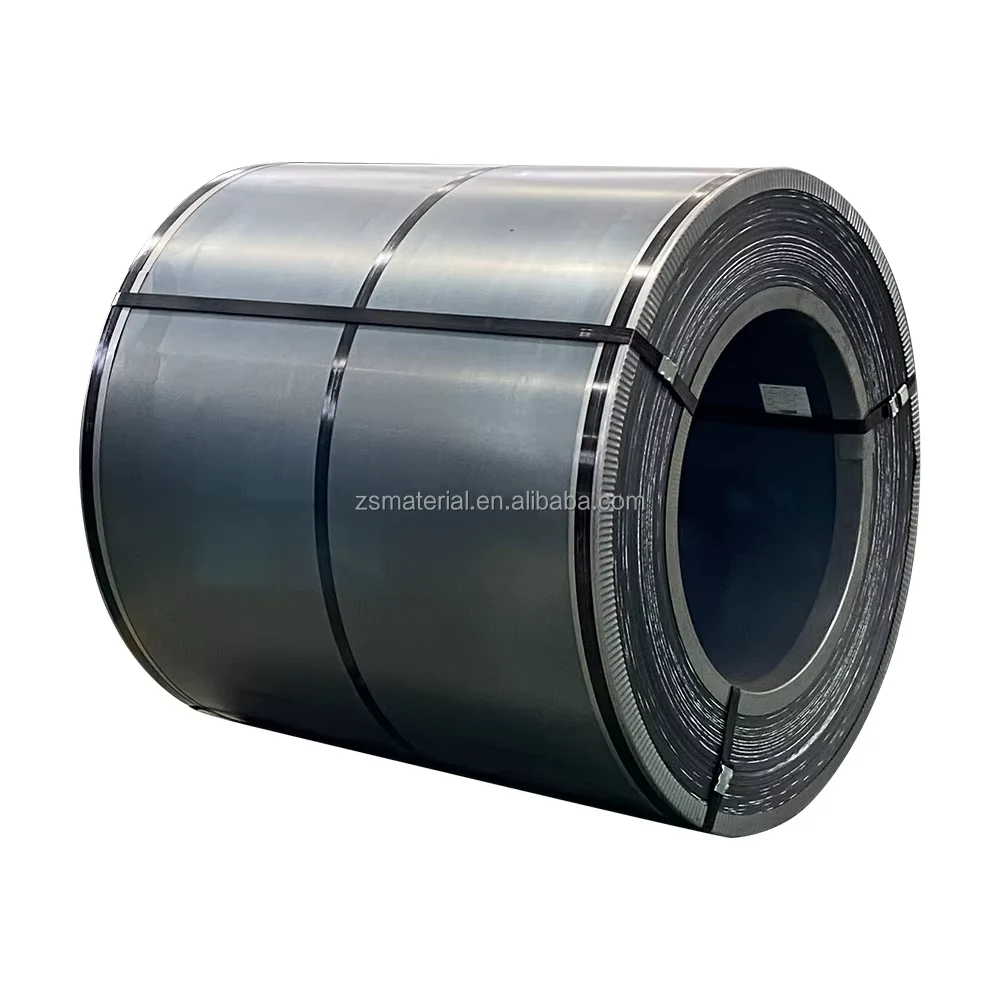
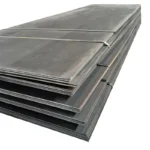
Factory-Direct Carbon Steel Plates — every Q235 plate ships with original mill chemistry reports verified against heat numbers before warehouse release.
Technical Specifications
| Parameter | Value |
|---|---|
| Designation | Q235 Carbon Steel Plate |
| Product Type | Steel Plate |
| Steel Grade | Q195, Q215, Q235, Q345, SAE1002, SAE1006, SAE1008, SAE1010, S25C, S35C, S45C, 65Mn, SS400, SS490, SM400, SM490, SPHC, SPHD, SPHE, SPHF, SPHT1, SPHT2, SPHT3, SPHT4, St37, St42, St37-2, St35.4, St52.4, St35, SGCC, CGCC, TDC51DZM, TDC52DTS350GD, TS550GD, DX51D+Z, QstE |
| Standard | AISI, ASTM, BS, DIN, GB/T, JIS |
| Section Shape | Flat sheet / plate |
| Thickness (Cold Rolled) | 0.3–6 mm |
| Thickness (Hot Rolled) | 3–80 mm |
| Width | 610–1250 mm (or custom) |
| Length | 1.2–12 m (or custom) |
| Technique | Cold Rolled / Hot Rolled |
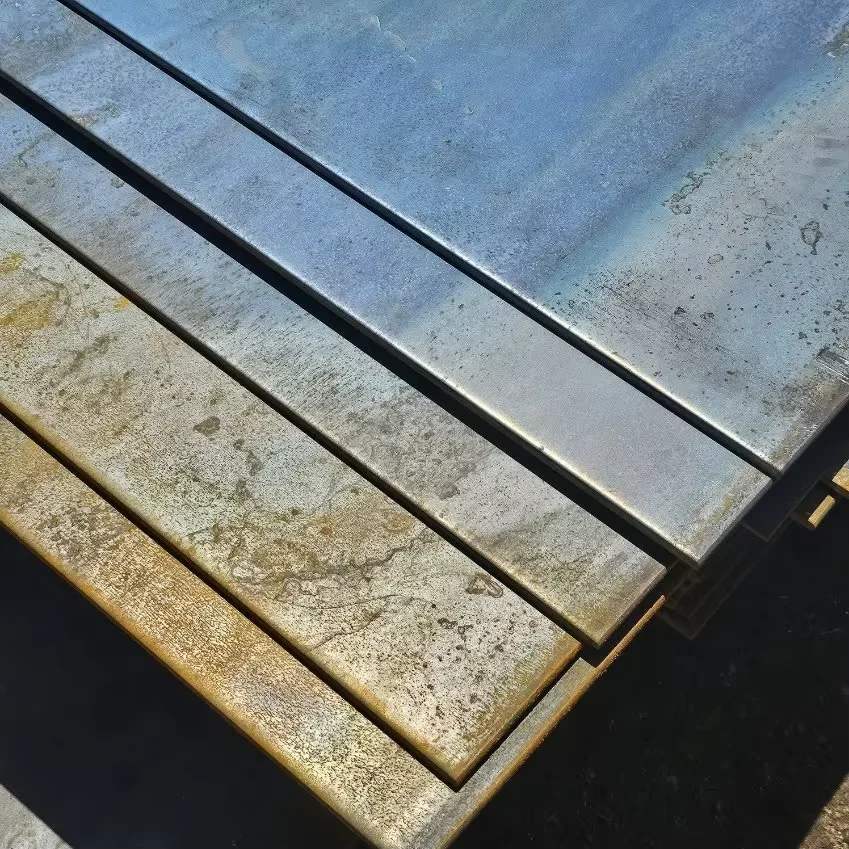
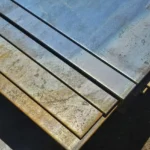
| Surface Treatment | Coated / Galvanized / Embossed / Iron gray / Brown / Partial ochre / Temperature oxidation pattern |
| Tolerance | Thickness ±0.02 mm, Width ±2 mm |
| Processing Service | Punching, Cutting, Decoiling, Welding, Bending |
| Application | Building construction, Ship building, Containers, Boiler plates, Flange plates, Pressure vessels, Structural fabrication |
| MOQ | 1 Ton |
| Origin | Shandong, China |
Application Suitability
| Industry | Typical Applications |
|---|---|
| Building & Infrastructure | Structural floor plates, column base plates, flange plates for steel frame connections |
| Shipbuilding & Marine | Hull plating, deck plates, watertight bulkhead panels |
| Container Manufacturing | Floor panels, corner castings reinforcement plates, side wall backing sheets |
| Industrial Equipment | Boiler shell plates, pressure vessel end caps, machinery base plates |
| Structural Fabrication | Bracket gussets, beam splice plates, embedded anchor plates |
Why Chemistry Reports Decide Whether Your Container Clears Customs
A mill cert that looks correct on paper can still hide off-grade chemistry — and that gap costs you air-freight replacements at triple the ocean freight price.
I watched a Buenos Aires buyer take delivery of Q235B plates for a warehouse frame. The paperwork was clean. SGS retest showed chemistry closer to Q195 — tensile strength could not hold the structural load. The entire container was rejected at port. [NEED_CITE: steel grade chemistry compliance requirements for structural plate imports]
Global buyers sourcing Q235 carbon steel plate from multiple mills face the same invisible risk: inconsistent heat-level chemistry, unclear grade traceability, and no independent lab verification before the plates leave the warehouse. When plates arrive off-grade, rework delays cascade through the entire project schedule.
How Hot-Rolled and Cold-Rolled Plates Match Different Structural Loads
Hot-rolled Q235 carbon steel plate in the 3–80 mm range carries primary structural loads in building frames, bridge gussets, and pressure vessel shells where thickness directly governs load-bearing capacity. Cold-rolled plates from 0.3–6 mm serve lighter-gauge applications — container floor panels, equipment enclosures, and formed brackets — where surface finish and dimensional precision matter more than raw section modulus. Our in-house bending, cutting, and welding processing lets buyers receive plates cut to exact project dimensions rather than paying for secondary fabrication at destination.
Structural Code Compliance and Surface Protection Selection
Engineering specifications for building frames and pressure vessels typically reference EN 1993 or AISC design codes that require documented grade equivalence and traceable heat numbers. [NEED_CITE: EN 1993 structural steel plate material requirements] For marine and container applications, surface treatment selection — galvanized for salt-air corrosion resistance, coated for indoor industrial environments, or mill-scale iron gray for temporary outdoor exposure — must align with the service environment. Q235 plates supplied with original mill test certificates and available SGS/BV third-party inspection meet the documentation requirements for EU CE marking and customs clearance across 50+ destination countries. Custom width and length cutting down to 1.2 m minimum eliminates on-site waste and secondary cutting costs.
Steel Grade Systems and Process Selection for Plate Buyers
Q235 sits in the Chinese GB/T system as a mild carbon structural steel, roughly equivalent to SS400 in JIS, St37 in DIN, and S235JR in EN — all sharing similar carbon content and weldability characteristics. [NEED_CITE: steel grade equivalence between GB, JIS, DIN and EN standards] The SAE1002–SAE1010 series targets low-carbon forming applications where drawability matters, while S25C through S45C and 65Mn step up into medium-carbon and spring steel territory for machined shafts and wear plates. Hot-rolled plates develop a mill-scale surface suited for structural welding and painting, while cold-rolled plates deliver tighter thickness tolerance (±0.02 mm) for precision-formed components. Galvanized and coated surface treatments extend service life in corrosive environments without changing the base grade properties.
The Hidden Cost of Ordering Plates Without Verified Chemistry
Plates that fail chemistry verification at destination port trigger customs holds, third-party retesting fees, and project schedule delays that dwarf the original material savings. [NEED_CITE: customs rejection rates for non-compliant steel plate imports] Off-grade Q235 substituted with lower-grade material creates structural safety risks that only surface during load testing or inspection — long after the plates are welded into the frame. Missing or incomplete mill test certificates cause compliance failures on projects requiring CE, ISO, or third-party inspection documentation. The real cost of cheap unverified plates is never the purchase price — it is the air-freight replacement, the re-welding, and the lost client trust.
Why Global Traders Source Q235 Carbon Steel Plate from Xin Jiyuan
Every Q235 carbon steel plate batch leaving our Jinan warehouse carries an original mill test certificate cross-checked against actual chemistry reports — the same verification step that would have caught the Buenos Aires grade mismatch before loading. We operate three production lines with monthly capacity exceeding 20,000 tons, covering hot-rolled plates up to 80 mm and cold-rolled down to 0.3 mm across 2,800+ specifications. Factory-direct pricing eliminates trading company margins, with volume discount programs reviewed every six months for recurring partners. In-house punching, cutting, decoiling, welding, and bending processing consolidates fabrication into a single shipment. SGS and BV third-party inspection is available on request for buyers who need independent verification before container sealing. Professional export documentation and optimized container loading plans handle the logistics complexity that slows down less experienced suppliers.
Documentation & Compliance
- Mill test certificate documenting Q235 chemical composition and mechanical properties per GB/T 700, with heat number traceability for every plate
- CE certificate per EN 10210/EN 10219 for plates exported to EU markets requiring structural compliance marking
- ISO 9001:2015 quality management certificate covering production and inspection processes
- SGS or BV third-party inspection report available on request for independent chemistry and dimensional verification
- Material traceability by heat number linking each plate to its original melt record and rolling batch
- Full customs documentation package including packing list, bill of lading, and certificate of origin
Packaging, Loading & Delivery
- Hot-rolled Q235 plates bundled with steel straps and edge protectors, seaworthy packaging for 3–80 mm thickness range
- Galvanized and coated plates separated by interleaving paper to preserve surface finish during ocean transit
- Container loading optimized for 1.2–12 m length plates, with weight distribution plans maximizing payload per 20ft and 40ft units
- Custom cutting to project-specified lengths eliminates on-site waste and reduces scrap disposal costs at destination
- Heat number and steel grade stenciled on each plate for site identification and inspection traceability
- FOB, CIF, and DDP shipping options with professional export team handling customs clearance and door-to-door coordination
Getting Your Q235 Plate Quote with Verified Documentation
Submit your specifications — thickness, width, length, steel grade, quantity, and destination port — and receive a competitive bulk quotation within 12 hours, including mill test certificate confirmation and third-party inspection options. For non-standard sizes or processed plates requiring bending and cutting to drawing, share your fabrication requirements for a consolidated quote covering material and processing.
Request Your Q235 Carbon Steel Plate Quotation with Mill Certificates
Send your specifications via email at admin@sdxinjiyuan.com or WhatsApp at +86 188 5315 7756 to receive pricing, delivery schedule, and documentation confirmation for your next plate order.
Frequently Asked Questions
Q: How do Q235, SS400, and S235JR compare for structural plate applications?
A: Q235 (GB/T), SS400 (JIS), and S235JR (EN) are all mild carbon structural steels with similar carbon content and weldability. They are generally considered equivalent for general structural use, though specific project codes may require one standard over another. We supply all three grades with original mill test certificates confirming compliance to the requested standard.
Q: What documentation is provided with each Q235 carbon steel plate shipment?
A: Every batch ships with original mill test certificates showing chemical composition and mechanical properties, linked to heat numbers for full traceability. ISO 9001:2015 and CE certificates are available for export compliance. SGS or BV third-party inspection reports can be arranged on request for independent verification before shipment.
Q: What is the MOQ for custom-cut and processed Q235 plates?
A: The minimum order quantity is 1 ton, whether you need standard mill-size plates or custom-cut pieces with punching, bending, or welding processing. Trial orders are accepted, and volume discount programs apply for recurring procurement partners.
Q: When should I choose galvanized versus hot-rolled surface treatment for Q235 plates?
A: Galvanized plates are specified for outdoor or corrosive environments — marine structures, outdoor storage frames, and coastal construction — where zinc coating provides long-term corrosion protection. Hot-rolled plates with mill-scale surface are suitable for indoor structural applications, welded frames, and projects where the plates will be painted or coated after fabrication.
Q: How are heavy Q235 steel plates packed and loaded for international shipping?
A: Plates are bundled with steel straps and edge protectors in seaworthy packaging. Container loading follows optimized weight distribution plans for 1.2–12 m lengths, maximizing payload per container. Galvanized and coated plates receive additional surface protection during transit. Full export documentation and customs clearance support is provided for FOB, CIF, and DDP shipments.