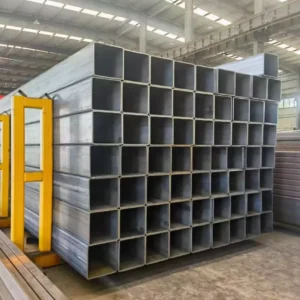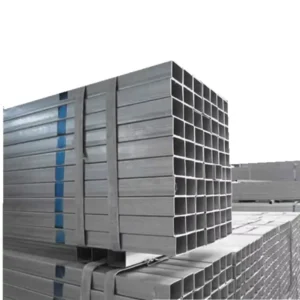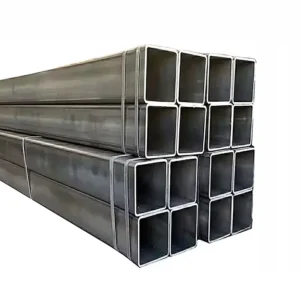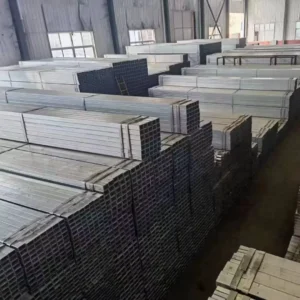
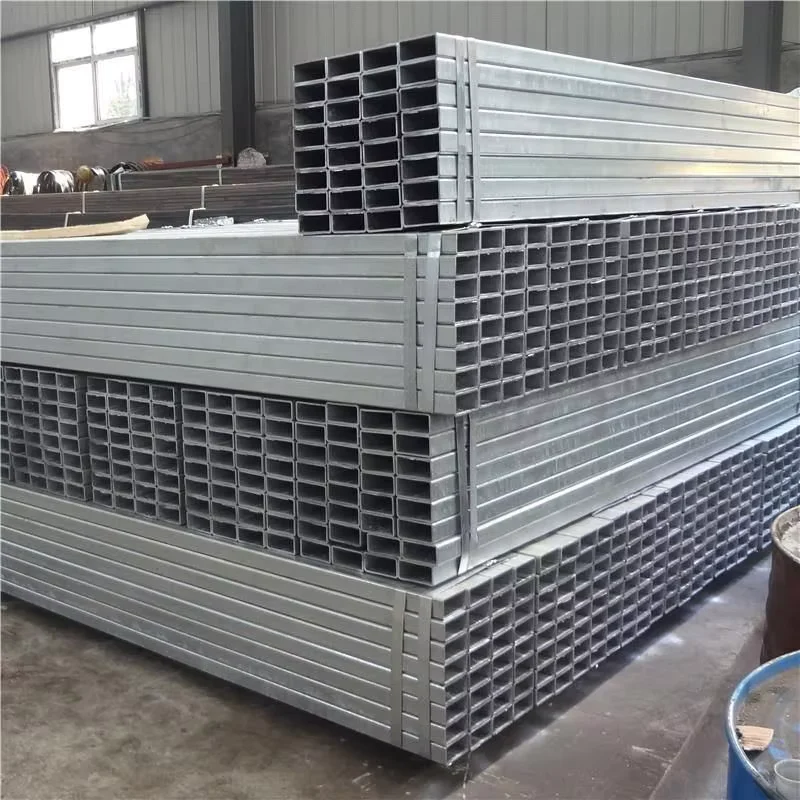
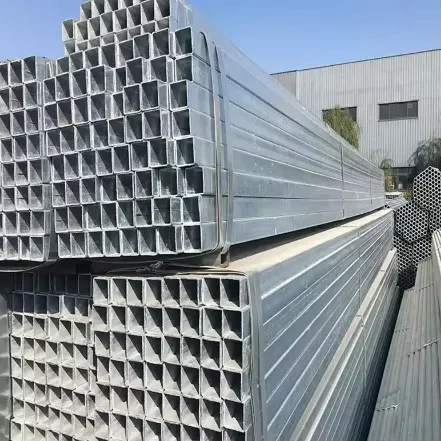
Description
Factory-direct galvanized tubes — every batch shipped with original mill certificates and third-party inspection reports
Technical Specifications
| Parameter | Value |
|---|---|
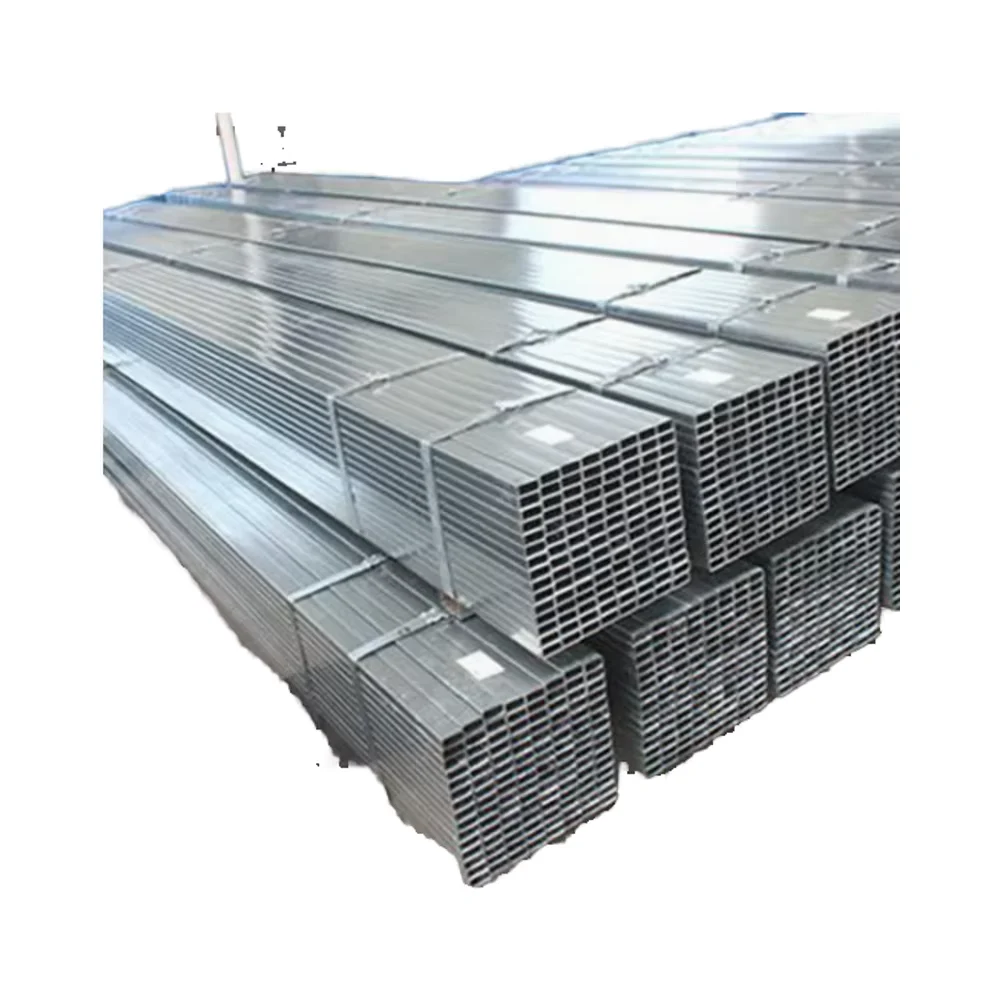
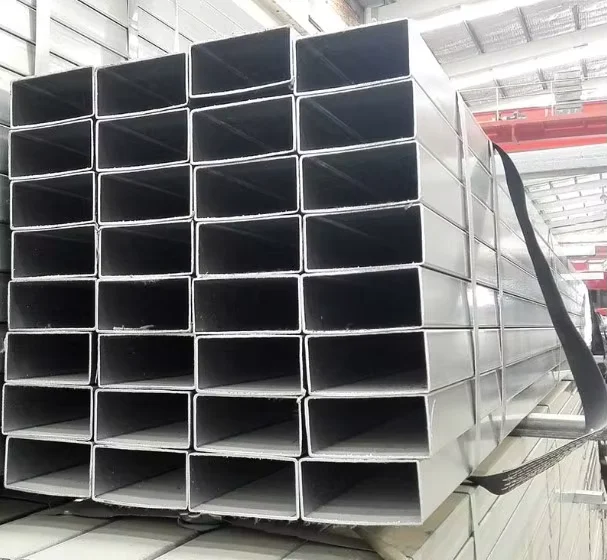
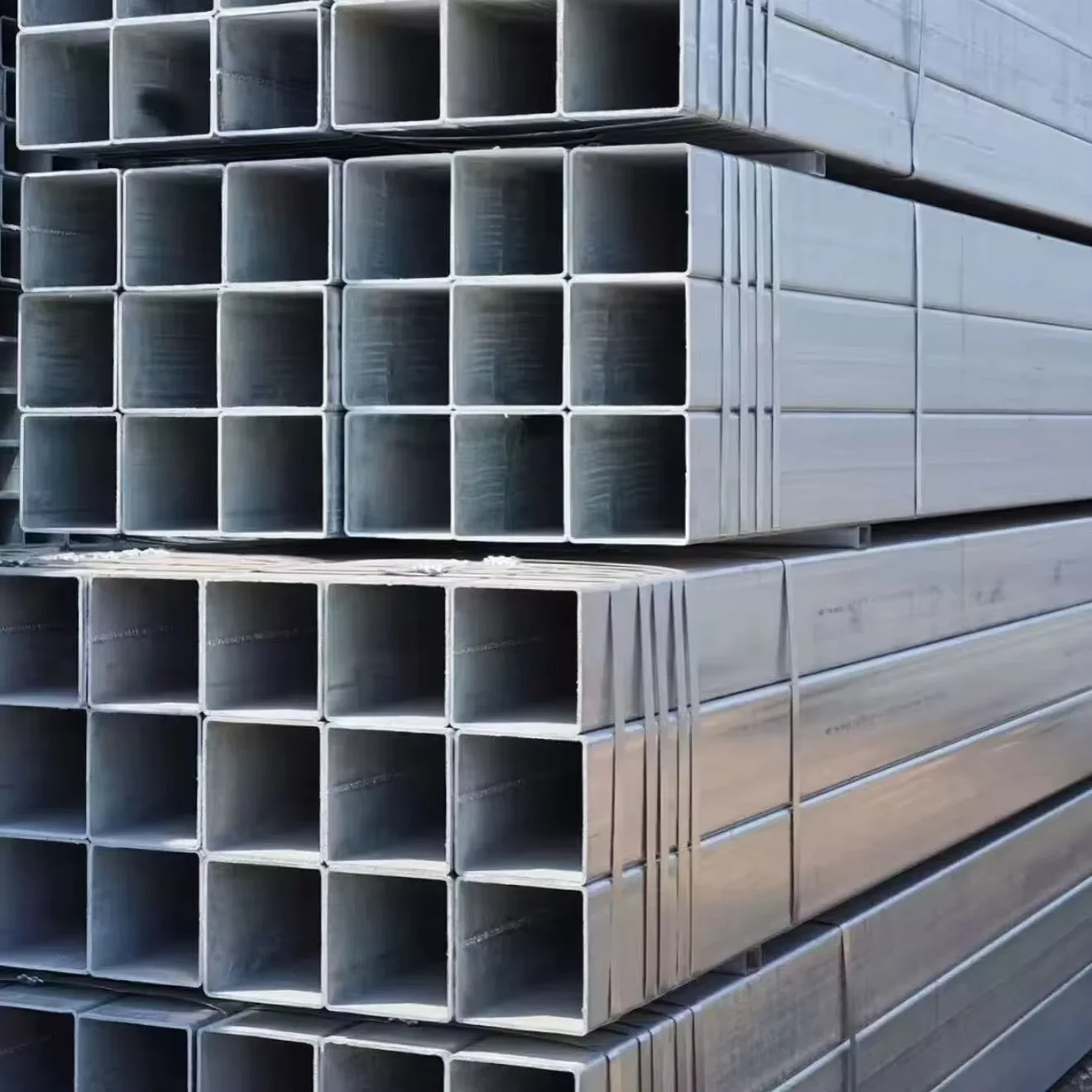
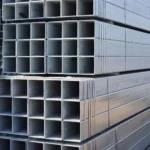
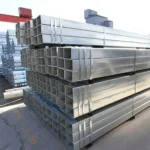
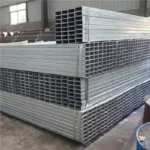
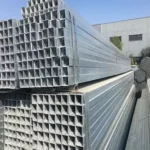
| Designation | Q195 Q235 Q345 A53 Galvanized Square and Rectangular Steel Tube |
| Product Type | Galvanized Square and Rectangular Steel Tube |
| Steel Grade | Q195, Q235, Q345, ASTM A53, S235, S275, SS400, 20# |
| Standard | JIS, ASTM A53 |
| Section Shape | Square / Rectangular |
| Size Range | Customized Size |
| Wall Thickness | Tolerance ±1% |
| Length | 6 m / 12 m (customizable to 5.8 m, 6 m, 11 m) |
| Technique | Welded (Hot-dip Galvanized) |
| Surface Treatment | Hot-dip Galvanized |
| Ends | Plain, Beveled, Threaded, Grooved |
| Processing Service | Welding, Punching, Cutting, Bending |
| Application | Hydraulic systems, Fluid transport, Machine parts, Steel structures, Construction frames, Scaffolding, Furniture |
| MOQ | 1 Ton |
| Origin | Shandong, China |
Application Suitability
| Industry | Typical Applications |
|---|---|
| Construction & Infrastructure | Building frames, scaffolding supports, structural columns for commercial projects |
| Machinery & Equipment | Hydraulic cylinder bodies, fluid transport pipelines, machine frame components |
| Industrial Fabrication | Furniture frames, greenhouse structures, fencing posts and rails |
| Steel Structures | Portal frame connections, bracing members, mezzanine floor supports |
What Galvanized Coating Thickness Really Means for Your Project Timeline
Thin zinc layers fail third-party inspection at destination ports — and that means weeks of delay before replacement cargo arrives.
I have seen entire container loads of galvanized square and rectangular steel pipe sit in Jebel Ali port because the coating weight did not meet the buyer’s project specification. The galvanizing kettle temperature was too low, the immersion time too short, and the zinc simply did not bond properly to the Q235 substrate. When SGS inspectors pulled random tubes for coating weight testing, the results came back below minimum. The buyer had no choice but to reject the shipment. [NEED_CITE: hot-dip galvanizing coating thickness standards for structural hollow sections]
As a Galvanized Square and Rectangular Steel Pipe Supplier, we run every batch through in-house coating thickness measurement before loading. The hot-dip galvanizing process we use ensures the zinc-iron alloy layers form correctly on Q195, Q235, Q345, and ASTM A53 grades, giving consistent corrosion protection across the full surface — including inside corners of rectangular sections where pre-galvanized products often show weak spots.
Matching Galvanized Hollow Sections to Structural and Corrosive Environments
Hot-dip galvanized square and rectangular tubes serve projects where both structural load-bearing and long-term corrosion resistance matter. The zinc coating acts as a sacrificial barrier — even if the surface gets scratched during transport or on-site cutting, the surrounding zinc continues to protect the exposed Q235 or Q345 steel. This makes galvanized hollow sections the practical choice for scaffolding exposed to coastal humidity, greenhouse frames in high-rainfall regions, and fluid transport lines carrying non-aggressive media. When your project specification calls for ASTM A53 compliance or JIS standard dimensions, the Galvanized Square and Rectangular Steel Pipe Supplier you choose must be able to certify coating weight and adhesion per batch.
Engineering Compliance and Certification Requirements
Structural hollow sections used in load-bearing frames must conform to recognized dimensional and material standards. For European market projects, EN 10219 covers cold-formed welded structural hollow sections, while EN 10210 applies to hot-finished profiles — and customs authorities in EU member states routinely request CE marking documentation before clearing steel imports. [NEED_CITE: EN 10219 cold-formed structural hollow section compliance requirements] North American buyers typically reference ASTM A53 for welded and seamless black and hot-dipped galvanized steel pipe. Our production carries Lloyd’s CE certification under EN 10210 and EN 10219, ISO 9001:2015 registration, and FPC certification — meaning the mill test certificates we issue for Q235, Q345, or S275 grades carry recognized marks that prevent customs hold-ups. Wall thickness tolerance of ±1% ensures the actual section modulus stays within engineering design assumptions, avoiding last-minute recalculation by your structural consultant.
Understanding Steel Grade Selection and Hot-Dip Galvanizing Process
The Q-series grades (Q195, Q235, Q345) follow the Chinese GB standard system where the number indicates minimum yield strength in MPa. Q235 remains the most widely specified grade for general structural applications — it offers a balanced combination of formability and strength for welded frames and scaffolding. Q345 steps up the yield strength for heavier structural members. When your project draws reference S235 or S275, these correspond to the European EN system and are broadly equivalent to Q235 and Q345 respectively in terms of mechanical performance, though chemical composition limits differ slightly. ASTM A53 covers both welded and seamless pipe in the North American system, with Grade B being the most common for structural use. [NEED_CITE: steel grade equivalence between GB Q-series and EN S-series standards]
The hot-dip galvanizing process involves immersing the welded black tube in a molten zinc bath at approximately 450°C. The steel substrate reacts with the zinc to form a series of zinc-iron alloy layers topped by a pure zinc outer layer. This metallurgical bond gives hot-dip galvanized tubes significantly better coating adhesion and impact resistance compared to pre-galvanized (electro-galvanized) products. For rectangular sections, the corner radii and flat face widths affect zinc drainage during withdrawal — proper racking angle and withdrawal speed control ensure uniform coating distribution without runs or bare spots.
The Hidden Costs of Buying Galvanized Tubes Without Verified Certification
When a buyer sources galvanized square and rectangular steel pipe based on price alone, the hidden costs emerge at the destination port or the construction site. Coating thickness below specification means the tubes will corrode faster than designed — and in structural applications, that translates to reduced service life and potential safety liability. Missing or incomplete mill test certificates trigger customs inspections that can hold a container for weeks, incurring demurrage charges that wipe out any initial price savings. [NEED_CITE: consequences of missing steel material certification for customs clearance] Wall thickness exceeding the negative tolerance range means the actual weight per meter falls below design calculations — the structural engineer’s load tables no longer apply, and the entire batch may need to be rejected or downgraded. These are not theoretical risks; they are the exact problems that land on my desk when buyers come looking for replacement supply after a failed delivery.
Why Project Buyers Choose Our Supply Chain
We operate three production lines running simultaneously with monthly capacity exceeding 20,000 tons, giving us the throughput to handle both trial orders starting from 1 ton and full-container bulk procurement without queue delays. Every heat of steel we process goes through our in-house laboratory for chemical composition and mechanical property testing before the tubes even reach the galvanizing line — the mill test certificate you receive is generated from actual test data on that specific batch, not a template document. Our inventory covers 2,800+ specifications across square, rectangular, and round sections, so when your project needs a mix of Q235 scaffolding tubes and Q345 structural members in the same container, we consolidate the loading rather than forcing you to place separate orders with multiple suppliers. The professional export team handles container loading optimization — for 6 m and 12 m galvanized tubes, we calculate the maximum payload per 20ft and 40ft container while protecting the zinc coating from transport damage. Third-party inspection by SGS or BV is available on request, and we coordinate the inspection schedule directly with your nominated surveyor.
Documentation & Compliance
- Mill test certificate documenting Q235/Q345 chemical composition and yield strength per JIS and ASTM A53 standards, issued per heat number
- CE certificate under EN 10210 and EN 10219 for structural hollow sections exported to European Union markets
- ISO 9001:2015 quality management system certificate covering the full production process from raw material to finished galvanized tube
- SGS or BV third-party inspection report verifying coating thickness, dimensional accuracy, and surface quality for project-specific compliance
- Material traceability linking each tube bundle to its original heat number, steel grade, and production date
- Complete customs documentation package including packing list, bill of lading, and certificate of origin for destination port clearance
Packaging, Loading & Delivery
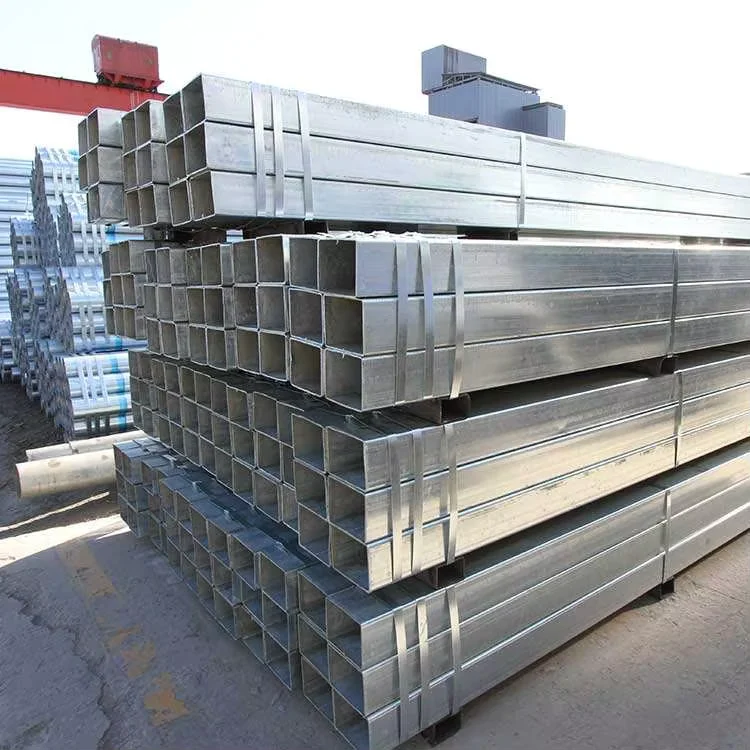
- Hot-dip galvanized Q235 and Q345 tubes bundled with steel strips and edge protectors to prevent zinc coating damage from friction during ocean transit
- Surface protection maintained through proper stacking separation — galvanized rectangular sections are loaded with timber spacers to avoid face-to-face contact that could scratch the zinc layer
- Container loading optimized for 5.8 m, 6 m, 11 m, and 12 m lengths to maximize payload per 20ft and 40ft container while maintaining weight distribution for crane offloading
- Custom cutting to project-specific lengths available before galvanizing, with end finishes (plain, beveled, threaded, grooved) applied per your fabrication requirements
- Each bundle marked with heat number, steel grade (Q195/Q235/Q345/A53), section dimensions, and wall thickness for on-site identification and traceability
- FOB, CIF, and DDP shipping terms available with professional documentation handling for customs clearance at destination ports
Starting Your Procurement Process
Submit your specification sheet listing section dimensions, wall thickness, steel grade, total quantity, and destination port — we respond within 12 hours with a bulk quotation including volume discount tiers, production lead time, and available mill test certificate formats. For non-standard sizes or custom lengths outside our standard range, our engineering team reviews feasibility and provides a tailored production plan. If your project requires CE certification for EU customs or third-party inspection for client approval, confirm the requirement at inquiry stage so we schedule the certification and inspection coordination in parallel with production.
Frequently Asked Questions
Q: How do Q235, Q345, S235, S275, and ASTM A53 grades compare across different standard systems?
A: Q235 and S235 are broadly equivalent in yield strength for general structural use, while Q345 and S275 serve heavier load-bearing applications. ASTM A53 Grade B covers similar performance in the North American system. We supply all these grades and can provide mill test certificates showing chemical composition and mechanical properties per the standard your project specifies.
Q: Can you provide mill test certificates and third-party inspection reports for customs and project compliance?
A: Yes. Every batch ships with an original mill test certificate documenting chemical composition and mechanical properties per heat number. SGS and BV third-party inspection is available on request — we coordinate directly with your nominated surveyor for coating thickness, dimensional, and visual inspection before container sealing.
Q: What is the minimum order quantity for non-standard dimensions and custom lengths?
A: Our flexible MOQ starts from 1 ton, which covers trial orders for new specifications. For custom lengths beyond our standard 5.8 m, 6 m, 11 m, and 12 m range, we review the cutting plan and provide production feasibility confirmation before you place the order.
Q: How does hot-dip galvanized coating compare to pre-galvanized for outdoor structural applications?
A: Hot-dip galvanizing produces a metallurgical zinc-iron alloy bond with significantly thicker coating and better adhesion than pre-galvanized (electro-galvanized) products. For outdoor structures, scaffolding, and fluid transport exposed to moisture, hot-dip galvanized tubes provide longer corrosion protection life and better resistance to coating damage during handling and installation.
Q: Do you handle FOB/CIF/DDP logistics and complete export documentation for bulk orders?
A: Yes. Our export team manages the full documentation package including packing list, bill of lading, certificate of origin, and mill test certificates. We support FOB, CIF, and DDP terms and coordinate container loading optimization to maximize payload while protecting the galvanized coating during transit.
Secure Your Galvanized Steel Supply with Verified Certification
Send your specification and quantity requirements to receive a factory-direct quotation with mill test certificate confirmation within 12 hours.
Shandong Xin Jiyuan Special Steel Tube Co., Ltd
Website: www.sdxinjiyuan.com
Mobile/WhatsApp/WeChat: +86 188 5315 7756
Email: admin@sdxinjiyuan.com