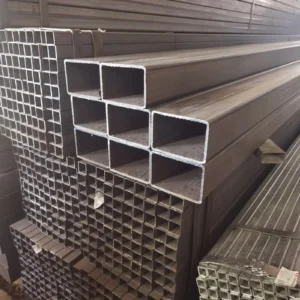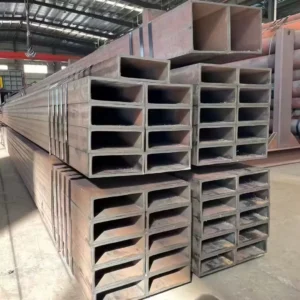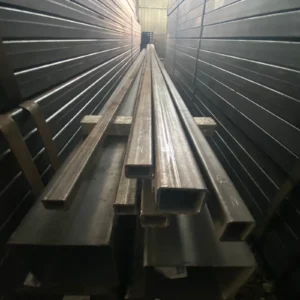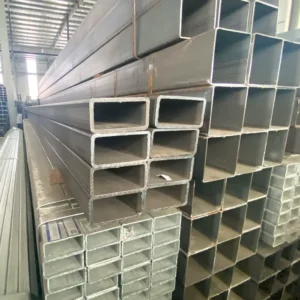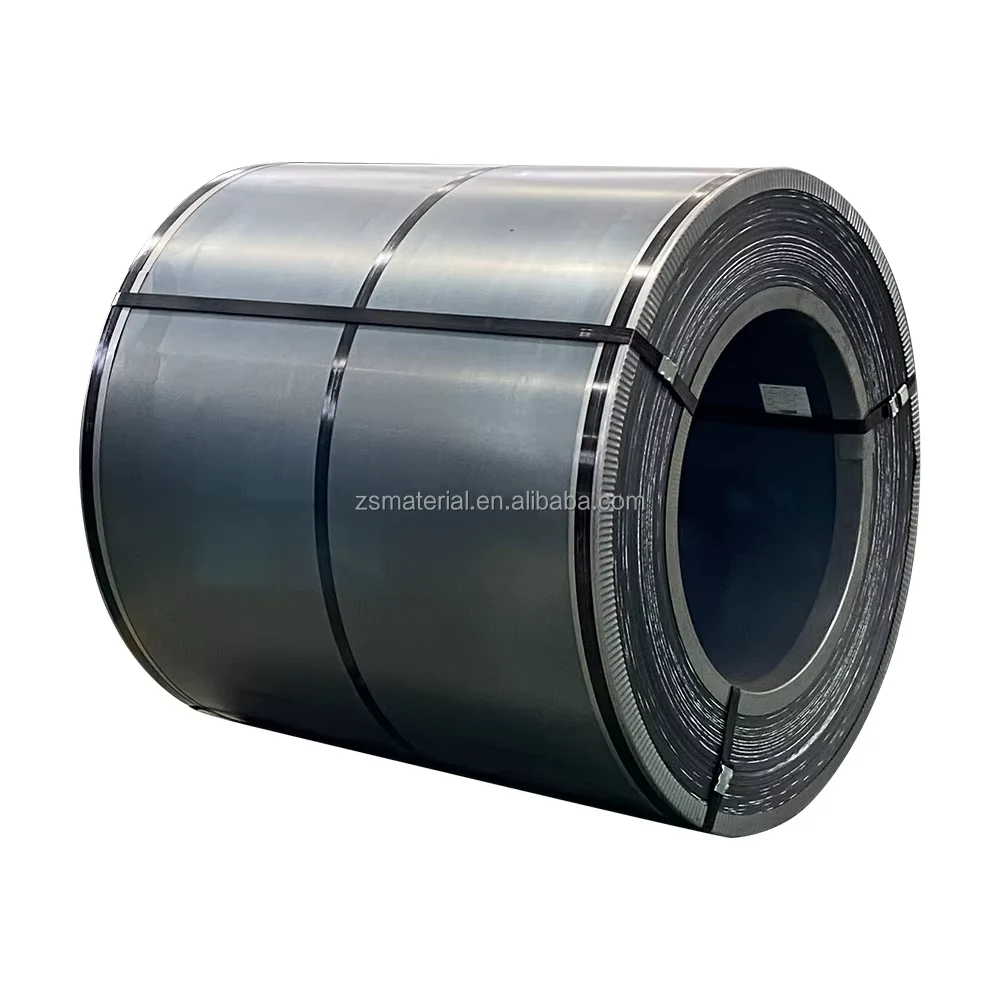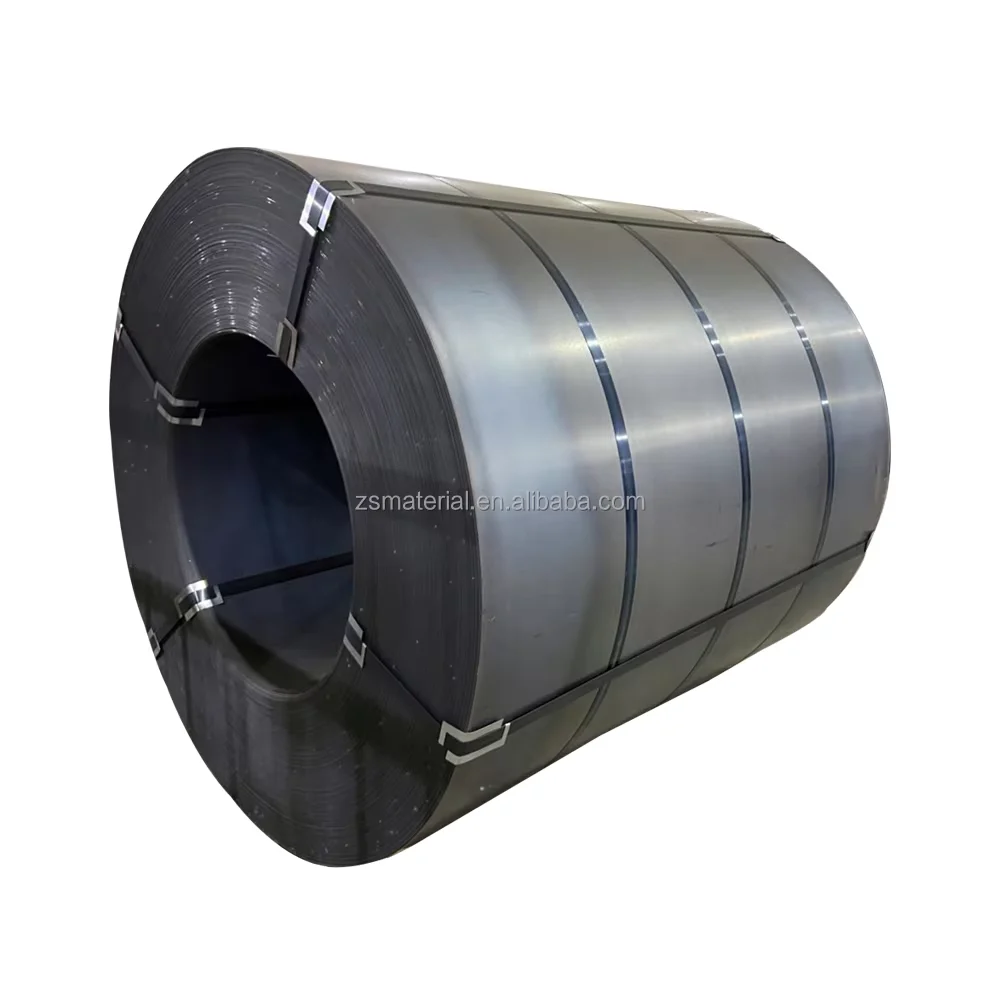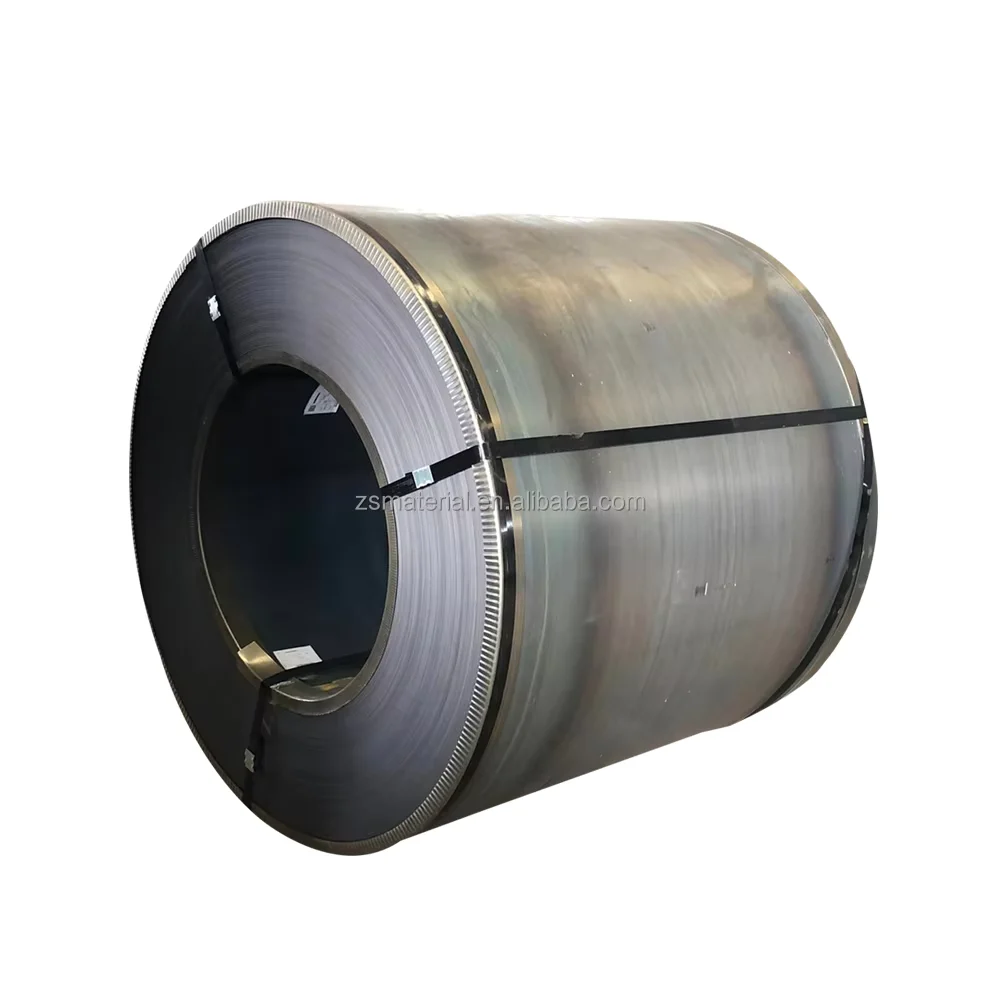


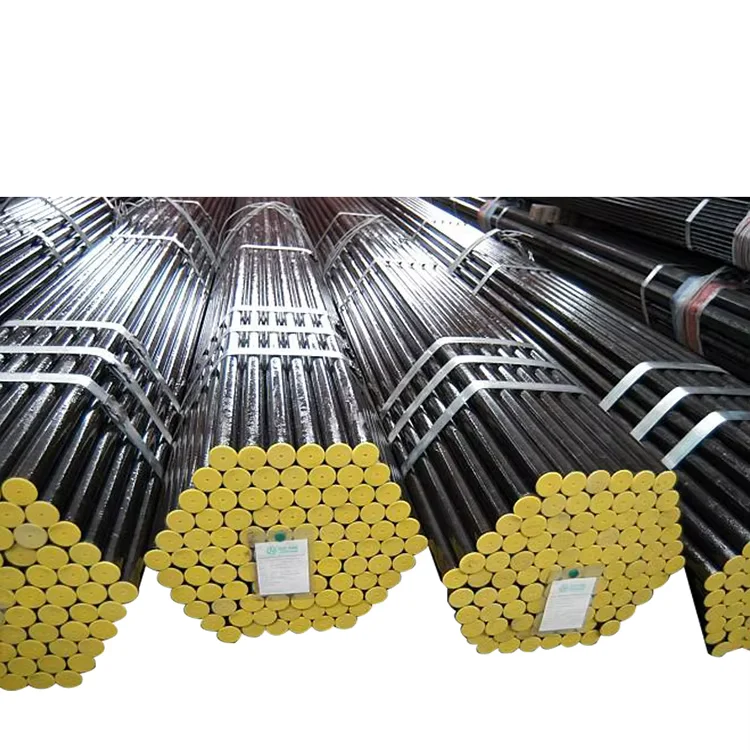
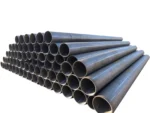
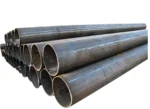

Description
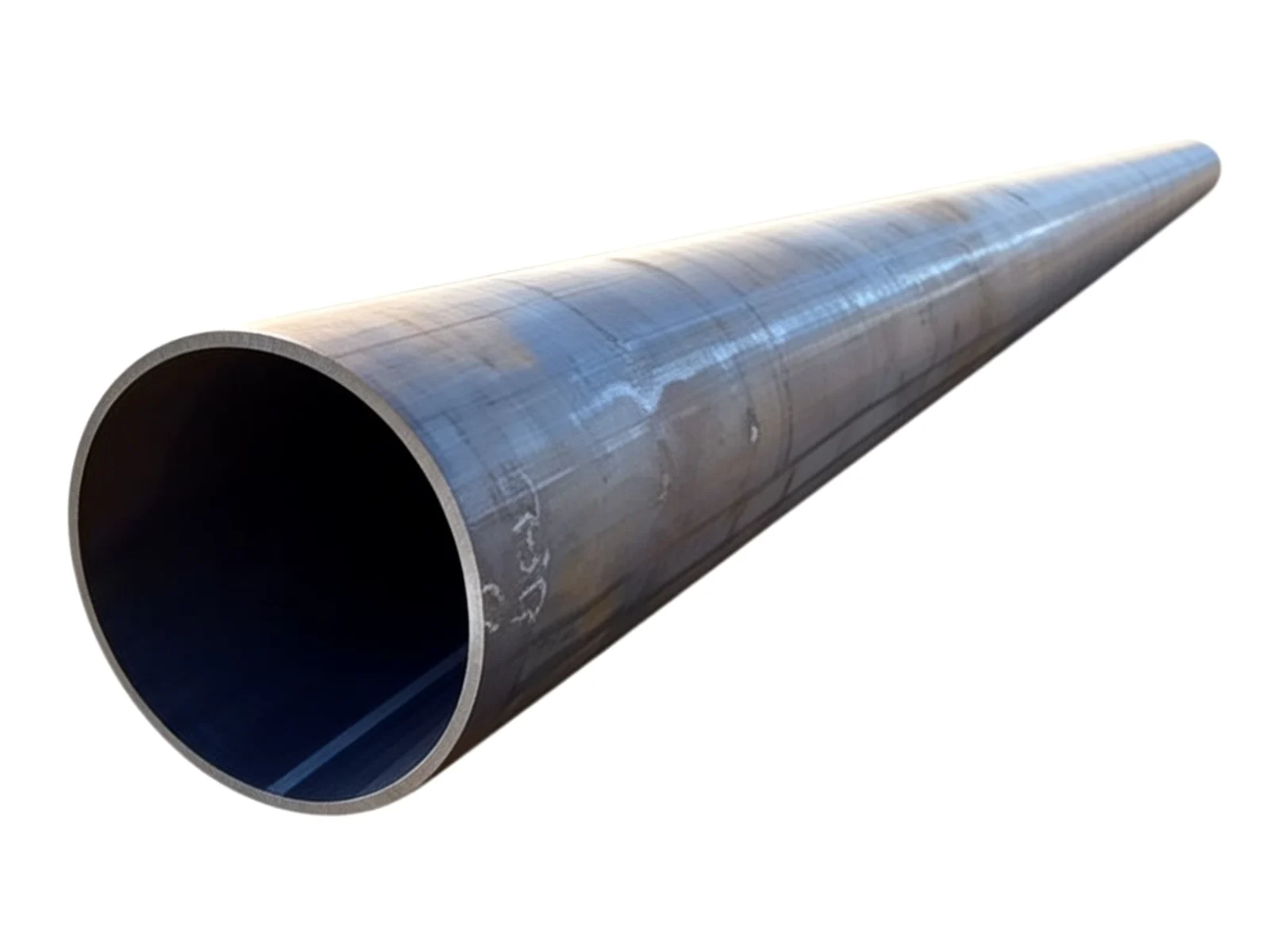
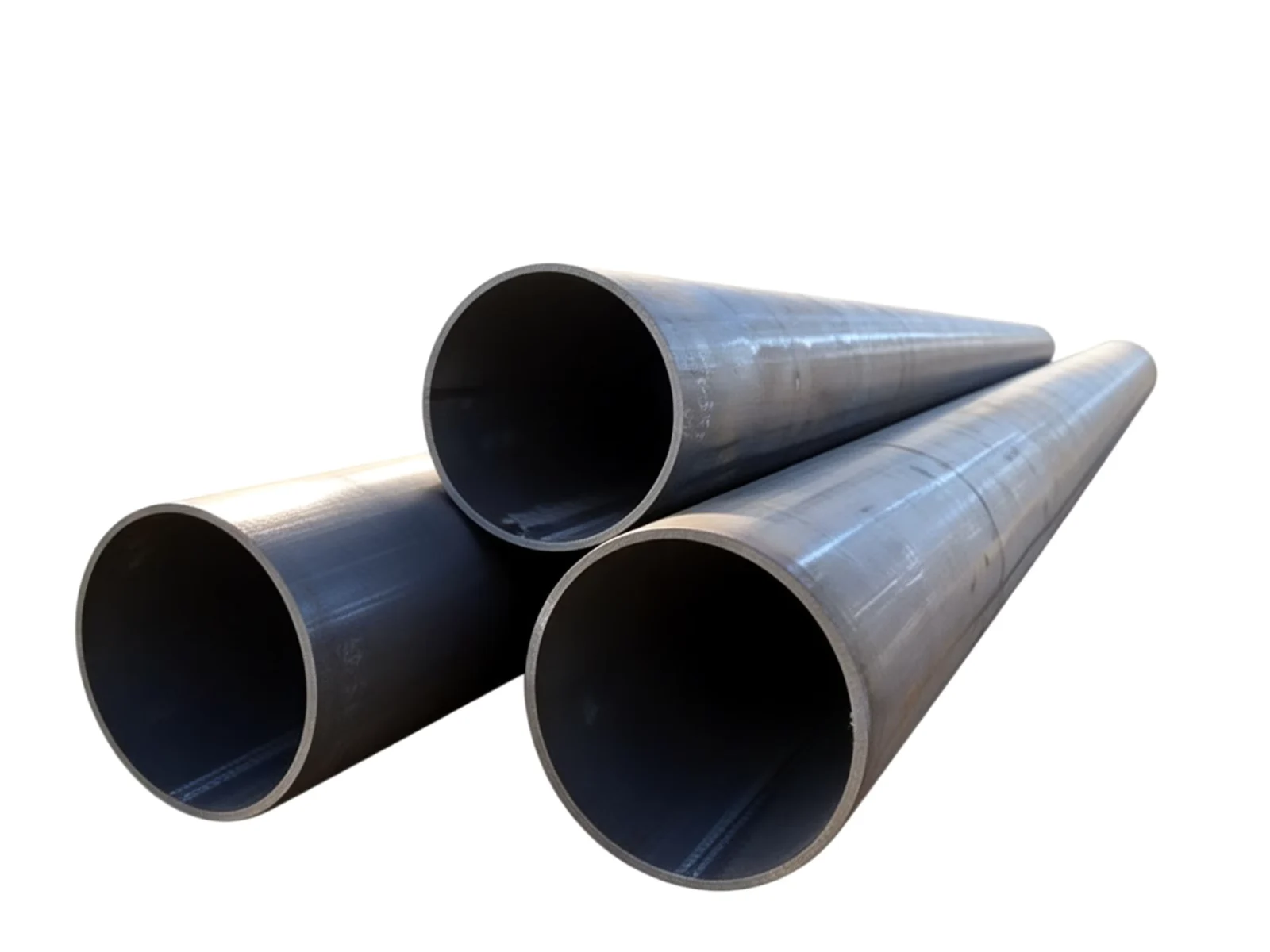
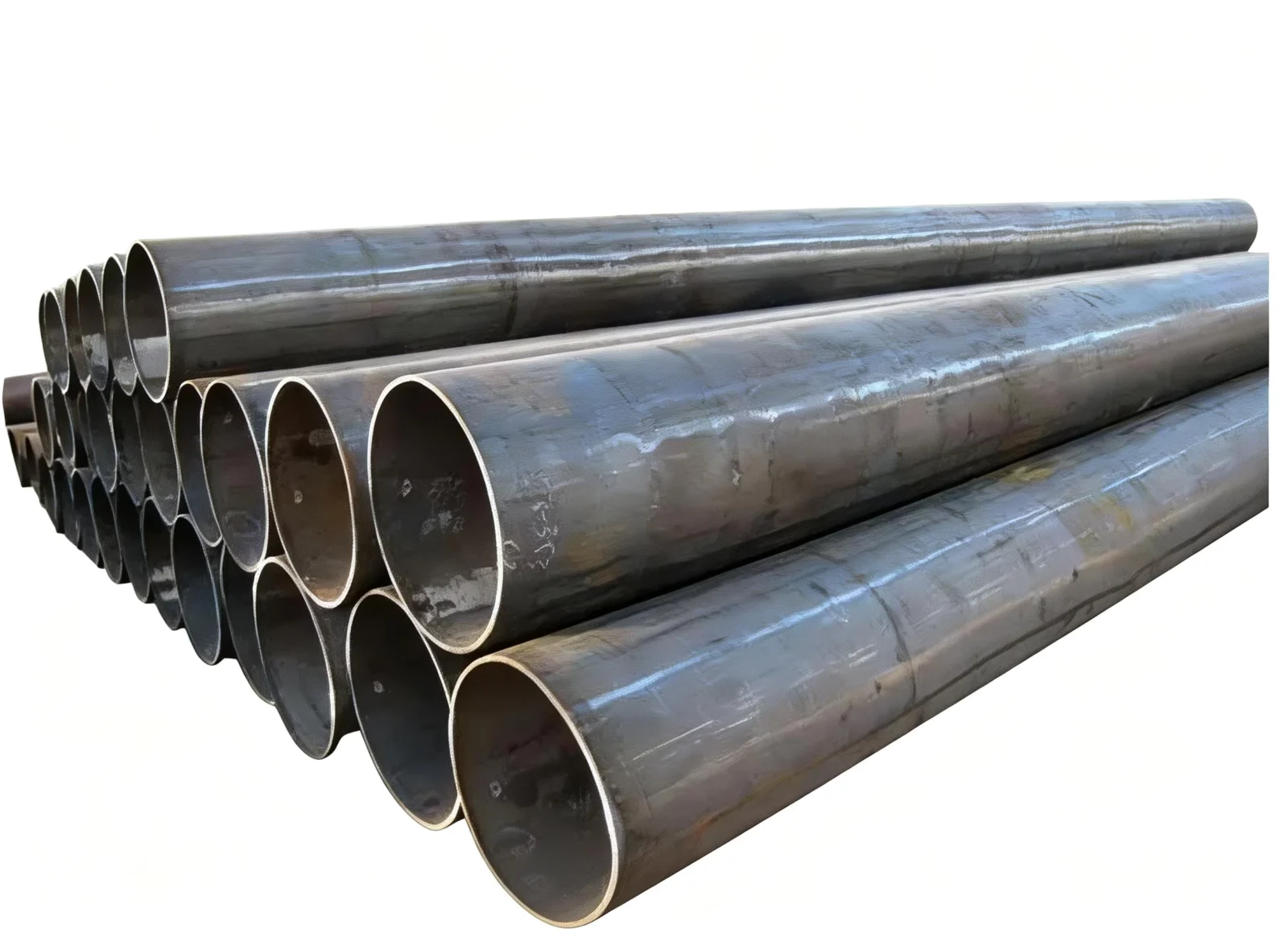
Factory-Direct Welded Pipe Supply — Every ASTM A53 A672 LSAW ERW welded steel pipe rolls off our own production lines in Jinan, eliminating broker markups and ensuring traceable mill test certificates on every shipment.
Technical Specifications
| Parameter | Value |
|---|---|
| Designation | ASTM A53 / A672 LSAW / ERW Welded Steel Pipe |
| Product Type | Round Welded Steel Pipe |
| Steel Grade | L245, A671 |
| Standard | ASTM A53, ASTM A672, API |
| Section Shape | Round |
| Size Range (OD) | 21.3–1219 mm (0.84–47.99 in) |
| Technique | ERW / LSAW |
| Surface Treatment | Hot Rolled; Galvanized finish available |
| Tolerance | ±10% |
| Ends | Plain |
| Processing Service | Bending, Cutting, Decoiling, Punching, Welding |
| Delivery Time | 22–30 days |
| Invoicing | By Actual Weight |
| Origin | Shandong, China |
Application Suitability
| Industry | Typical Applications |
|---|---|
| Oil & Gas Pipeline | Fluid transport lines, gathering systems, low-pressure distribution networks |
| Municipal Infrastructure | Water supply mains, drainage systems, underground utility conduits |
| Construction & Structural | Building frames, column supports, bridge handrails, scaffolding structures |
| Industrial Piping | Process piping in chemical plants, conveyor systems, equipment supports |
| Energy & Power | Wind farm foundation piles, solar mounting structures, boiler feed lines |
What Wall-Tolerance Deviation Costs on a Pipeline Procurement Order
A ±10% tolerance window on OD and wall thickness determines whether a shipment clears site inspection or gets rejected at the port.
Early in my career, I stood on a municipal pipeline site in Southeast Asia watching an entire container of ERW pipes fail SGS复检 because wall thickness negative tolerance exceeded the acceptable range. The theoretical weight and actual weigh-in differed by nearly 8 percent. The client refused the lot, and replacement production delayed the project by over forty days. [NEED_CITE: ASTM A53 dimensional tolerance requirements for welded pipe] Quality uncertainty in welded pipe sourcing is not just a paperwork issue — it translates directly into project delays, re-procurement costs, and strained client relationships. Buyers who skip third-party inspection requests to save a few hundred dollars often spend ten times that amount on demurrage and re-shipping.
Matching L245 Welded Pipe to Pipeline and Structural Demands
L245 grade steel delivers adequate yield strength for low-to-medium pressure fluid transport and general structural applications, making it the workhorse specification across municipal water networks and industrial piping systems. The OD range from 21.3 mm to 1219 mm covers everything from small-bore instrument lines to large-diameter distribution mains, while the ERW process handles standard wall requirements efficiently and LSAW takes over where heavier walls and larger diameters demand submerged arc welding integrity. Every ASTM A53 A672 LSAW ERW welded steel pipe we ship goes through three-stage in-house inspection — wall thickness, outer diameter, and weld seam ultrasonic testing — before release.
Engineering Compliance and Certification Pathways
ASTM A53 governs the mechanical and chemical requirements for seamless and welded black and hot-dipped galvanized steel pipes, while ASTM A672 covers electric-fusion welded pipe for high-pressure service at moderate temperatures. [NEED_CITE: ASTM A672 electric-fusion welded pipe requirements for high-pressure service] For projects targeting European markets, Lloyd’s CE certification under EN 10210 and EN 10219 provides the compliance pathway needed for customs clearance and structural approval. Plain ends come standard for field welding, while our processing services — bending, cutting, punching, and welding preparation — reduce secondary fabrication costs at the job site. Heat number traceability on every pipe ensures material certification aligns with engineering specifications during project audits.
Understanding ERW vs. LSAW Process Selection
ERW (Electric Resistance Welding) forms the pipe by rolling steel strip into a cylinder and passing high-frequency current through the open edges to forge the weld — this process excels at producing pipes in the 21.3 mm to moderate diameter range with consistent wall thickness and competitive pricing. LSAW (Longitudinally Submerged Arc Welding) uses a different approach: steel plate is pressed into a U-shape, then O-shape, and welded from both inside and outside using submerged arc — this method handles the larger diameters approaching 1219 mm and heavier wall requirements where structural integrity under pressure demands full-penetration welds. Hot rolled surface finish suits applications where the pipe will be painted, coated, or buried, while galvanized finish extends service life in corrosive environments or exposed installations. [NEED_CITE: comparison of ERW and LSAW welding processes for steel pipe manufacturing] The ±10% tolerance on dimensions means buyers should invoice by actual weight rather than theoretical weight to avoid disputes — this is standard practice we follow on every shipment.
The Hidden Cost of Unverified Pipe Procurement
Pipes sourced without original mill test certificates or third-party inspection create cascading risks: material grade substitution goes undetected until site testing reveals yield strength shortfalls; missing CE or ISO documentation triggers customs holds that strand containers at port for weeks; negative tolerance beyond specification limits means the pipe carries less load than the structural engineer calculated. [NEED_CITE: consequences of non-compliant steel pipe in structural and pressure applications] These failures do not surface during procurement — they emerge during pressure testing, structural loading, or regulatory inspection, when the cost of replacement includes not just material but demolition, re-installation, and project delay penalties.
Why Engineering Buyers Source ASTM A53 A672 LSAW ERW Welded Steel Pipe From Us
Our Jinan facility operates three dedicated production lines running simultaneously, delivering monthly capacity exceeding 20,000 tons across all welded pipe categories. We maintain ready stock covering 2,800+ specifications in standard sizes, enabling urgent orders and split shipments without waiting for production slots. Every batch ships with original mill test certificates documenting chemical composition and mechanical properties, and we arrange SGS or BV third-party inspection on request — at no markup to the buyer. Factory-direct pricing means volume discounts apply directly without broker layers, and our flexible MOQ policy accepts trial orders starting from 1 ton while supporting full-container bulk procurement. The professional export team handles documentation, customs clearance coordination, and container loading optimization to maximize weight utilization per shipment.
Documentation & Compliance
- Mill test certificate documenting L245 and A671 chemical composition and mechanical properties per ASTM A53 and ASTM A672 requirements
- Lloyd’s CE certificate under EN 10210 and EN 10219 for projects requiring European structural compliance and customs clearance
- ISO 9001:2015 quality management certificate covering the full production and inspection workflow
- SGS or BV third-party inspection report available on request, covering dimensional verification, weld seam testing, and material grade confirmation
- Full material traceability by heat number from steel coil input through finished pipe delivery
- Complete customs documentation package including packing list, bill of lading, and certificate of origin
Packaging, Loading & Delivery
- Hot rolled ASTM A53 A672 LSAW ERW welded steel pipe bundled with steel strips in seaworthy packaging, with edge protectors applied to galvanized finish pipes to preserve zinc coating during ocean transit
- Container loading optimization planned by our export team based on OD and length combinations — large-diameter LSAW pipes loaded as single-layer deck cargo while smaller ERW sizes nest-bundled to maximize weight per container
- Plain-end pipes shipped with plastic caps on both ends to prevent damage and moisture ingress; galvanized pipes receive additional wrapping at weld seams
- Custom cutting to project-specified lengths available before shipment, reducing on-site waste and handling
- Heat number and steel grade stenciled on each pipe for site identification and traceability verification
- FOB, CIF, and DDP shipping terms available with real-time tracking and professional port coordination
Start Your ASTM A53 A672 LSAW ERW Welded Steel Pipe Inquiry
Submit your specification requirements — OD, wall thickness, length, steel grade, quantity, and destination port — and receive a competitive bulk quotation within 12 hours, complete with volume discount pricing, delivery timeline, and mill test certificate confirmation. For non-standard dimensions or project-specific processing requirements, our technical team provides custom fabrication proposals with clear lead-time commitments.
Request Your Factory-Direct Quote and Mill Test Certificate
Send your specifications via email or WhatsApp to receive bulk pricing, certification documentation, and container loading plans.
Shandong Xin Jiyuan Special Steel Tube Co., Ltd
Website: www.sdxinjiyuan.com
Tel: +86 531 8573 6315
Mobile/WhatsApp/WeChat: +86 188 5315 7756
Email: admin@sdxinjiyuan.com
Address: No.11889, Jingshi West Road, Lulian Group, Jinan City, Shandong Province, China
Frequently Asked Questions
Q: What is the difference between ERW and LSAW welded steel pipes, and which process suits my project?
A: ERW pipes are produced by rolling steel strip and welding with high-frequency electric current, suitable for standard diameters and wall thicknesses at competitive pricing. LSAW pipes use submerged arc welding on formed steel plate, handling larger diameters approaching 1219 mm and heavier wall requirements for high-pressure or structural applications. We supply both processes under ASTM A53 and ASTM A672 standards — your project pressure rating, diameter, and budget determine the optimal selection.
Q: Can you provide mill test certificates and third-party inspection for customs clearance?
A: Every batch ships with original mill test certificates documenting chemical composition and mechanical properties per ASTM A53 or ASTM A672. We also arrange SGS or BV third-party inspection on request, covering dimensional verification, weld seam testing, and material grade confirmation. Our Lloyd’s CE certification under EN 10210 and EN 10219 supports European market customs clearance and structural approval requirements.
Q: What surface treatment options are available — hot rolled versus galvanized?
A: Hot rolled (black) finish is the standard delivery condition, suitable for applications where the pipe will be painted, coated, or buried underground. Galvanized finish provides zinc coating for corrosion resistance in exposed installations, marine environments, or where extended service life without maintenance is required. Both options are available across the full OD range from 21.3 mm to 1219 mm.
Q: What are the standard sizes, and can you produce non-standard OD or wall thickness?
A: Our standard stock covers OD 21.3 mm to 1219 mm in L245 and A671 grades with ±10% tolerance. For project-specific dimensions outside standard catalogs, we accept custom orders with typical production lead times of 22–30 days. Our three production lines support both standard and non-standard specifications, and we maintain ready inventory covering 2,800+ specifications for urgent requirements.
Q: How do you handle container loading optimization for heavy pipe shipments?
A: Our export team plans container loading based on OD, wall thickness, and length combinations to maximize weight utilization per shipment. Large-diameter LSAW pipes load as single-layer deck cargo, while smaller ERW sizes nest-bundle to increase container payload. We provide detailed loading plans before shipment and coordinate port logistics to minimize handling costs and transit time.