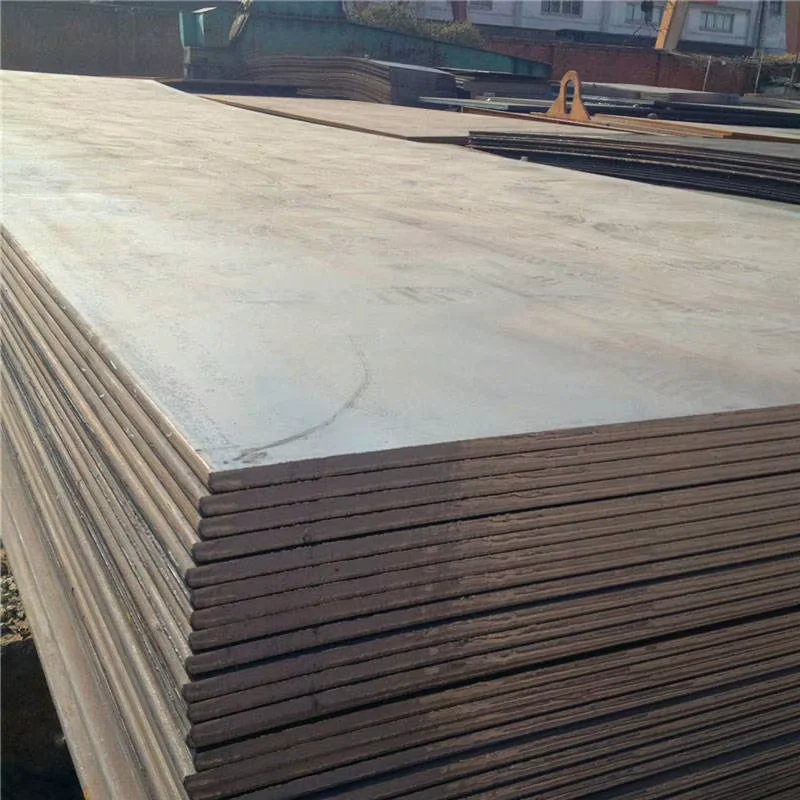
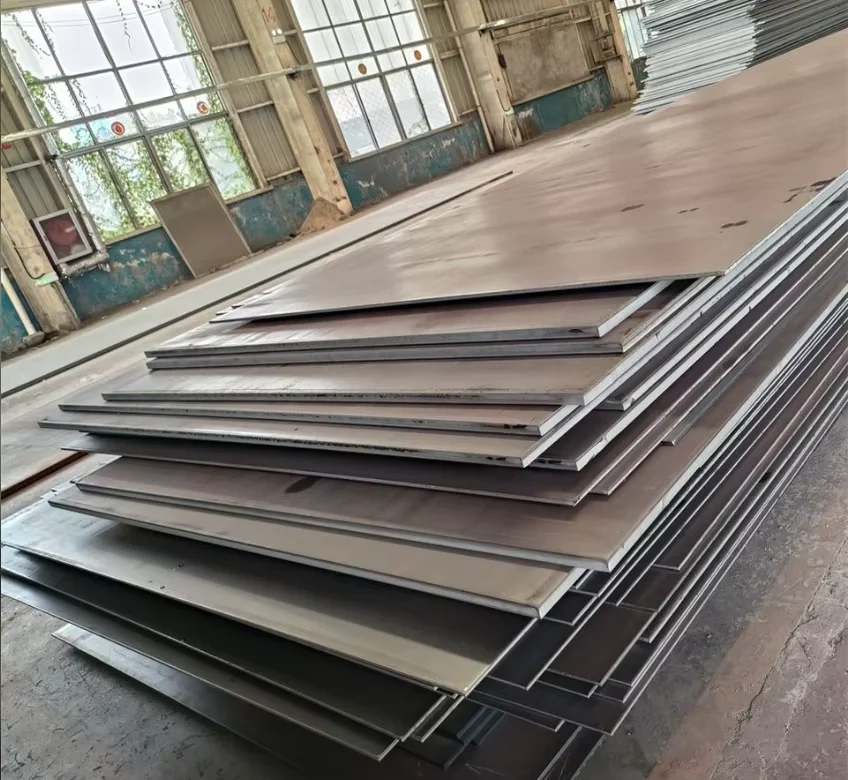
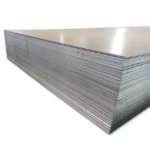
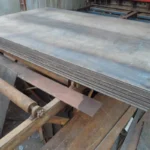
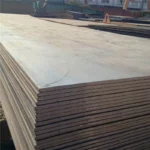
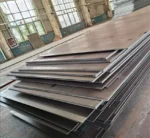
Description
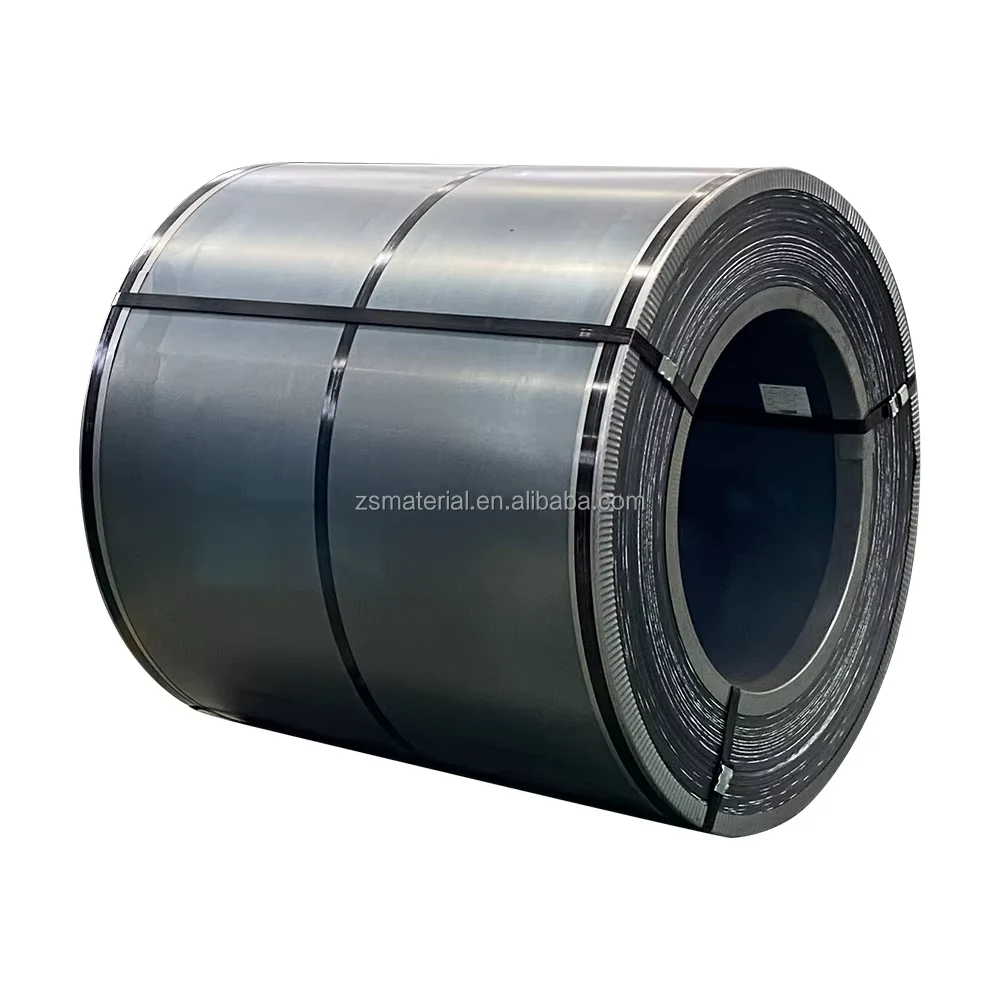
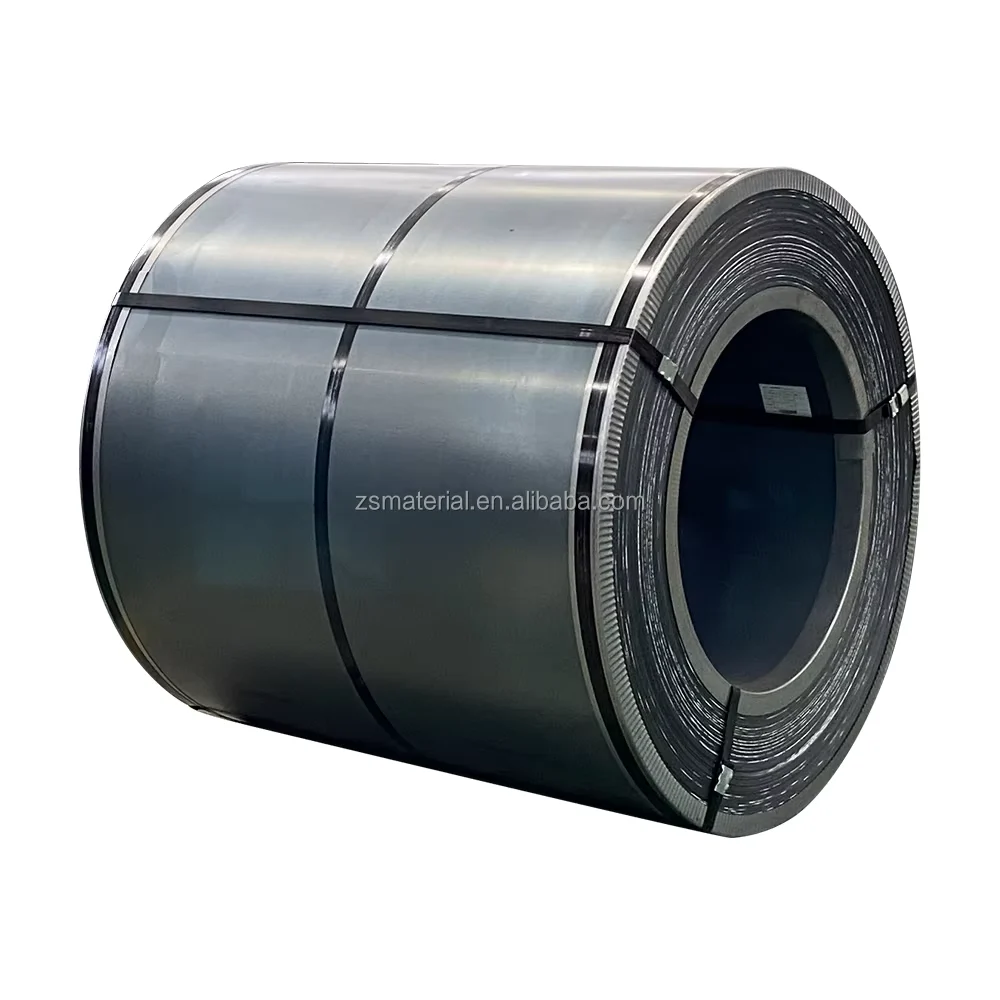
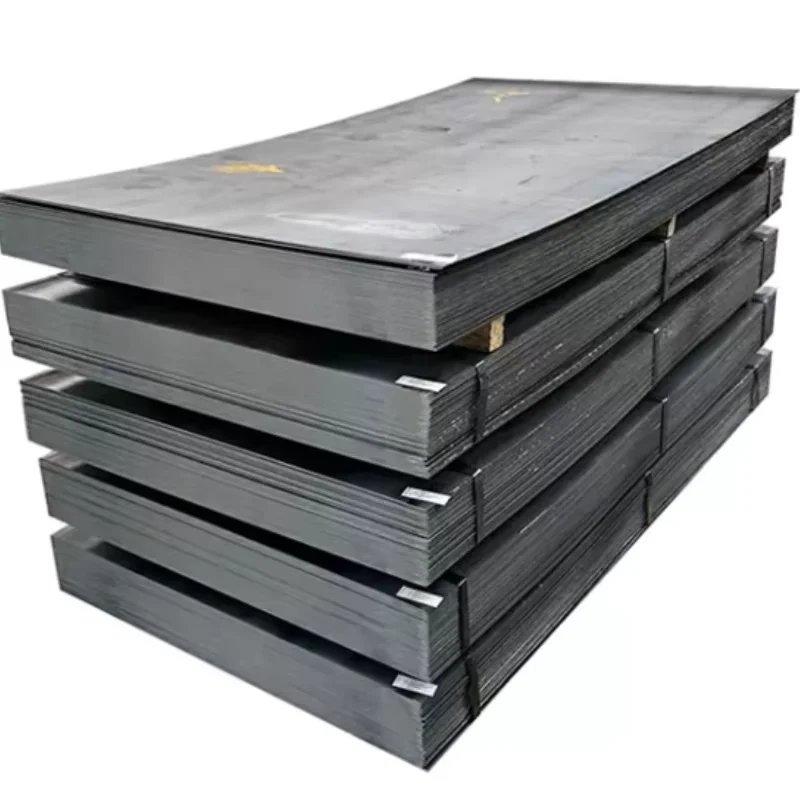
Factory-Direct Bulk Supply — every ASTM A36 Q235 St37 hot rolled carbon steel plate ships with original mill test certificates and ISO 9001 / CE / FPC documentation, eliminating middlemen and certification gaps for global project buyers.
Technical Specifications
| Parameter | Value |
|---|---|
| Designation | ASTM A36 / Q235 / St37 Hot Rolled Carbon Steel Plate |
| Product Type | Steel Plate |
| Steel Grade | ASTM A36, Q235, St37 |
| Standard | ASTM A36, GB/T 709 (Q235), DIN EN 10025 (St37) |
| Technique | Hot Rolled |
| Surface Treatment | Hot Rolled |
| Length | Custom Lengths Available |
| Width | Multiple Width Options |
| Application | Shipbuilding / Construction / Bending & Welding Fabrication / Structural Steelwork |
| MOQ | 1 Ton |
| Origin | Shandong, China |
Application Suitability
| Industry | Typical Applications |
|---|---|
| Shipbuilding & Marine | Hull stiffener plates, deck plating, bulkhead panels requiring controlled bending and welding |
| Construction & Infrastructure | Base plates, column splice plates, beam end connections for commercial and industrial buildings |
| Heavy Machinery | Equipment frames, crane booms, conveyor support structures under dynamic loading |
| Structural Fabrication | Brackets, gusset plates, anchor plates for steel frame assemblies |
Where Material Traceability Decides Customs Clearance and Project Acceptance
Every plate must carry a heat number linked to a verifiable mill test certificate — without it, customs hold and engineering rejection follow.
Global buyers sourcing carbon plates from fragmented suppliers repeatedly face inconsistent material properties and missing documentation. A shipment of Q235B plates arriving without proper chemical composition records can trigger customs delays at EU ports, while plates with actual yield strength deviating from the declared grade risk structural failure during bending or welding operations. These gaps cost projects weeks of re-inspection and thousands in demurrage. [NEED_CITE: EN 10204 inspection document types for steel products]
Matching Plate Geometry to Structural Fabrication Demands
Hot rolled carbon steel plates in ASTM A36, Q235, and St37 grades deliver the dimensional consistency required for precision cutting, CNC punching, and controlled bending in structural fabrication. Custom length and width options allow project teams to minimize on-site waste and reduce secondary processing costs. Our 3 production lines running simultaneously support both trial quantities and full-container bulk orders, ensuring that plate dimensions match engineering drawings without compromise.
Engineering Compliance Across Regional Standards
ASTM A36 plates meet North American structural specifications for building frames and bridge components, while Q235 plates conform to Chinese GB standards widely accepted across Belt & Road infrastructure projects. St37 plates follow DIN EN 10025 for European market compliance, carrying CE marking requirements for structural steelwork. [NEED_CITE: steel grade equivalence between EN and ASTM standards] Each batch undergoes three-stage in-house inspection covering chemical composition, dimensional tolerance, and surface quality, with SGS/BV third-party verification available before container loading.
Understanding Grade Selection and Hot Rolled Process
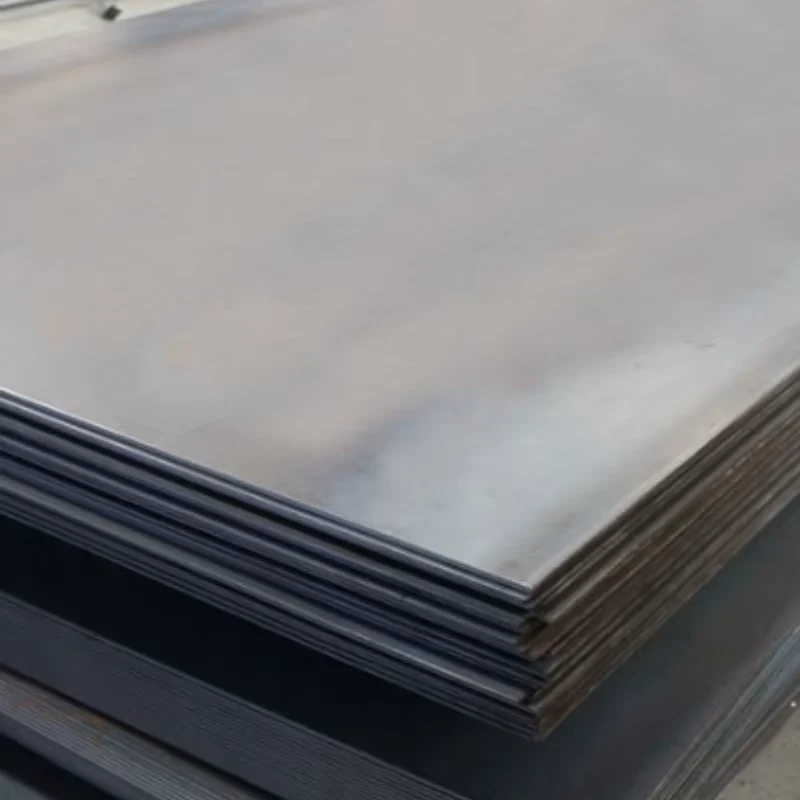
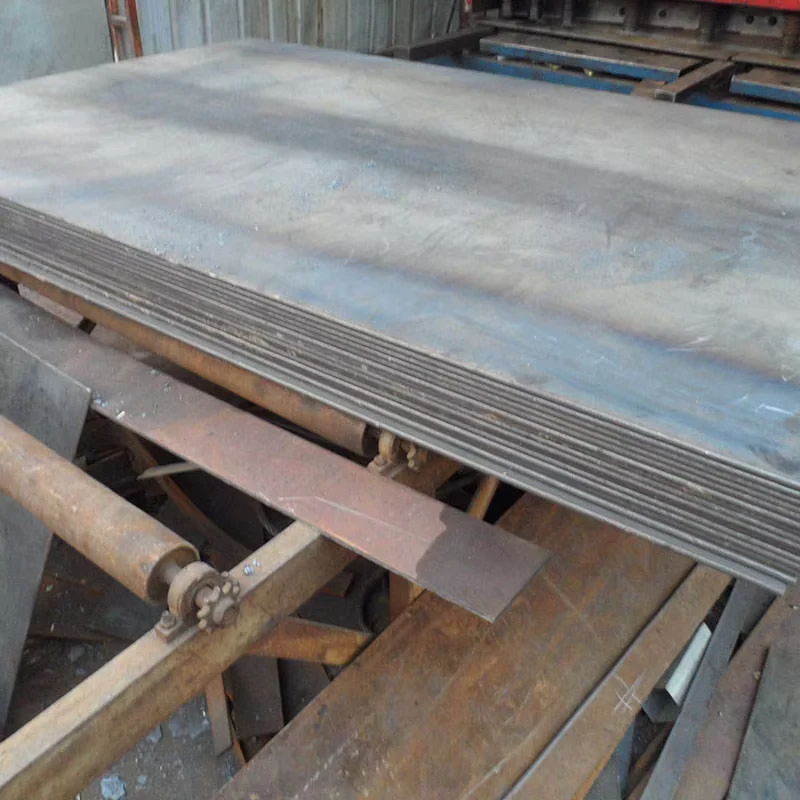
The ASTM A36, Q235, and St37 designations represent equivalent carbon steel grades across American, Chinese, and European standard systems — all delivering reliable weldability and formability for general structural applications. Hot rolling produces uniform thickness with a mill scale surface that provides baseline corrosion resistance during storage and transit. This process ensures consistent mechanical properties across the plate width, critical for applications requiring controlled bending radii and predictable welding behavior. [NEED_CITE: hot rolled vs cold rolled steel plate mechanical property differences]
Custom length and width options address the reality that standard catalog sizes rarely match project requirements exactly. Ordering plates cut to engineering specifications reduces on-site cutting waste, lowers labor costs, and accelerates assembly timelines — particularly important for large-scale construction and shipbuilding projects where material consistency across hundreds of components is essential.
The Hidden Cost of Unverified Material Sources
Plates sourced without original mill test certificates carry risks that extend far beyond the purchase price. Material grade misrepresentation leads to welding procedure qualification failures, structural load test rejections, and in severe cases, in-service structural failures. Missing CE documentation blocks EU customs clearance entirely, while incomplete heat number traceability prevents compliance with engineering specifications requiring full material certification. [NEED_CITE: consequences of non-compliant steel materials in structural applications]
Why Project Buyers Source Carbon Plates From Shandong Xin Jiyuan
Factory-direct pricing eliminates trading company margins, with volume discount programs available for long-term partners placing recurring orders. Our 2,800+ specification inventory covers standard plate sizes for immediate shipment, while custom orders typically complete within typical production lead times. Every batch ships with original mill test certificates documenting chemical composition and mechanical properties, backed by ISO 9001:2015 quality management and CE/FPC certifications for European market compliance. Professional export teams handle complete documentation packages including packing lists, bills of lading, and certificates of origin, optimizing container loading to minimize freight costs for heavy plate shipments.
Documentation & Compliance
- Mill test certificate documenting ASTM A36 / Q235 / St37 chemical composition and mechanical properties per respective standards
- CE certificate (EN 10025) confirming European market compliance for St37 structural steel plates
- ISO 9001:2015 quality management certificate covering production and inspection processes
- SGS or BV third-party inspection report available upon request before container loading
- Full material traceability by heat number linking each plate to original mill test documentation
- Complete customs documentation package including packing list, bill of lading, and certificate of origin
Packaging, Loading & Delivery
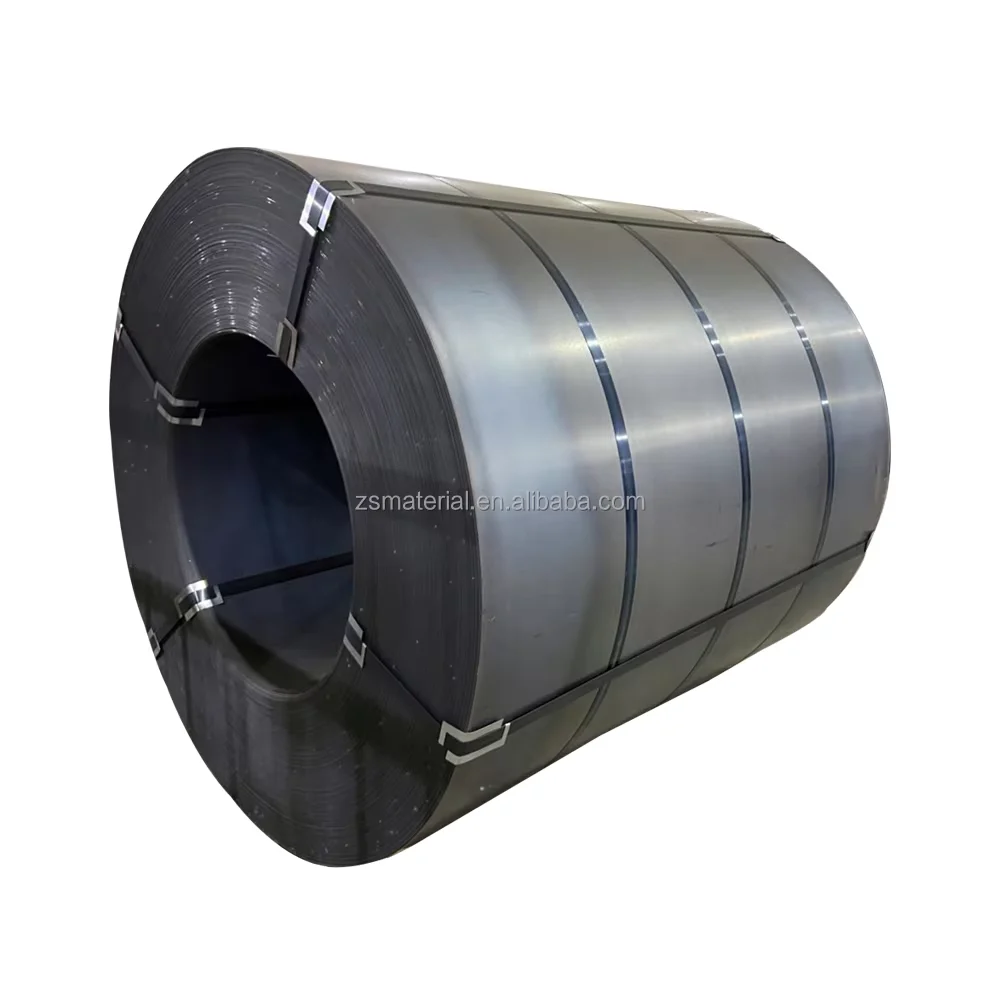
- Hot rolled carbon steel plates bundled with steel strips and edge protectors to prevent surface damage during ocean transit
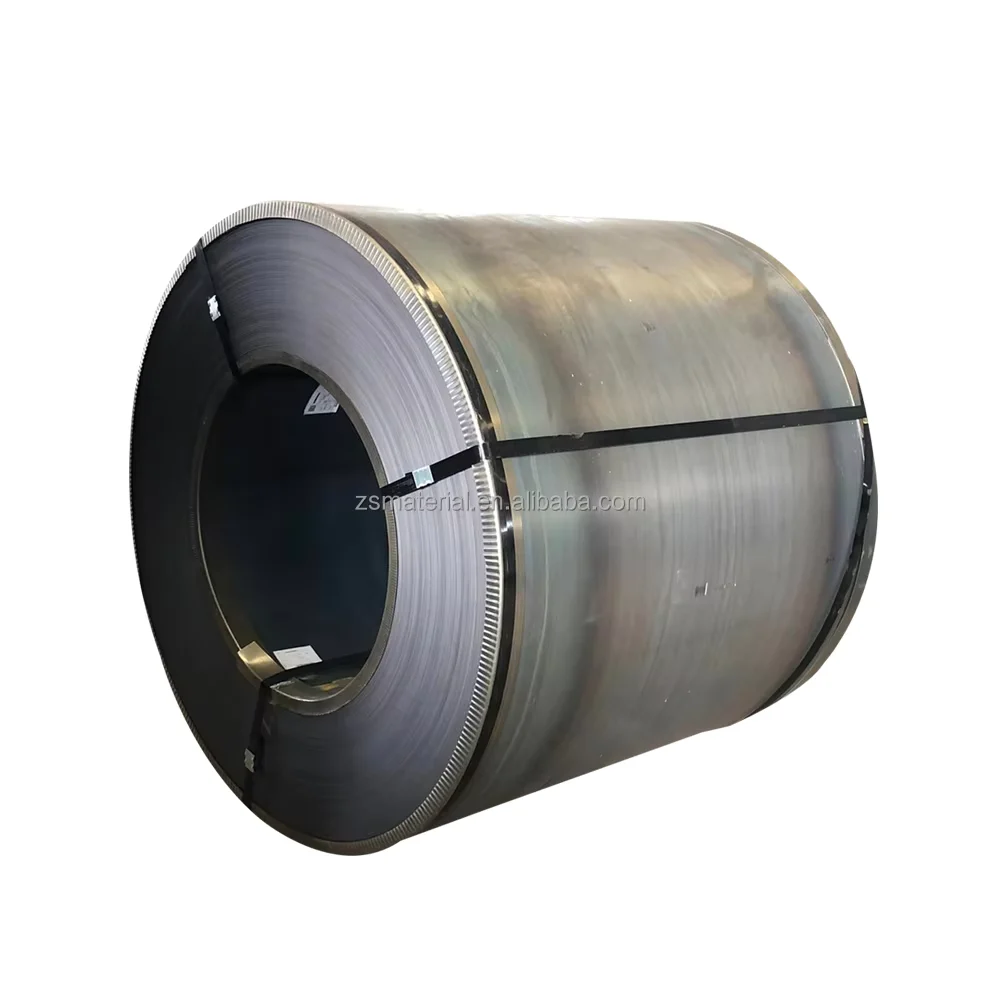
- Mill scale surface maintained with standard export packaging; oil coating available upon request for extended storage protection
- Container loading optimized for custom-length plates to maximize payload while maintaining weight distribution
- Heat number and steel grade clearly marked on each plate for site identification and traceability verification
- FOB, CIF, and DDP shipping terms available with professional port coordination and real-time tracking
Securing Your Plate Procurement With Verified Documentation
Submit your specifications including steel grade, dimensions, quantity, and destination port to receive competitive bulk pricing with volume discounts. We provide original mill test certificates and CE documentation for customs clearance confirmation before production begins. Custom length and width options are available for projects requiring precision-cut plates to minimize on-site waste.
Frequently Asked Questions
Q: How do ASTM A36, Q235, and St37 compare in chemical composition and mechanical properties?
A: These three grades represent equivalent carbon steel specifications across American (ASTM A36), Chinese (Q235 per GB/T 709), and European (St37 per DIN EN 10025) standards. All deliver similar weldability and formability characteristics suitable for general structural applications, with specific chemical composition and mechanical property details provided in the mill test certificate for each batch.
Q: What documentation is provided, and can third-party inspection be arranged?
A: Every shipment includes original mill test certificates documenting chemical composition and mechanical properties per the applicable standard. ISO 9001:2015 certification and CE marking documentation are available for European market compliance. SGS or BV third-party inspection can be arranged upon request before container loading to verify material properties and dimensions.
Q: Can I order non-standard widths and lengths, and what is the minimum order quantity?
A: Custom length and width options are available to match specific project requirements and reduce on-site cutting waste. The minimum order quantity is 1 ton, supporting both trial orders and full-container bulk shipments. Standard sizes maintain ready stock for urgent delivery, while custom orders follow typical production lead times.
Q: What surface treatment options are available for hot rolled plates?
A: Hot rolled plates ship with standard mill scale surface finish suitable for most structural applications. Additional surface treatment options including oil coating for corrosion protection during extended storage or transit are available upon request. Specific surface requirements should be confirmed at the inquiry stage.
Q: Do your plates carry CE marking for EU import, and how is export documentation handled?
A: St37 plates conform to DIN EN 10025 and carry CE marking for European market compliance. Our professional export team handles complete documentation packages including mill test certificates, packing lists, bills of lading, and certificates of origin to ensure smooth customs clearance at destination ports.
Secure Factory-Direct Pricing With Full Material Certification
Submit your ASTM A36 / Q235 / St37 hot rolled carbon steel plate requirements via email at admin@sdxinjiyuan.com or WhatsApp at +86 188 5315 7756 to receive competitive bulk pricing with original mill test certificates within 12 hours.