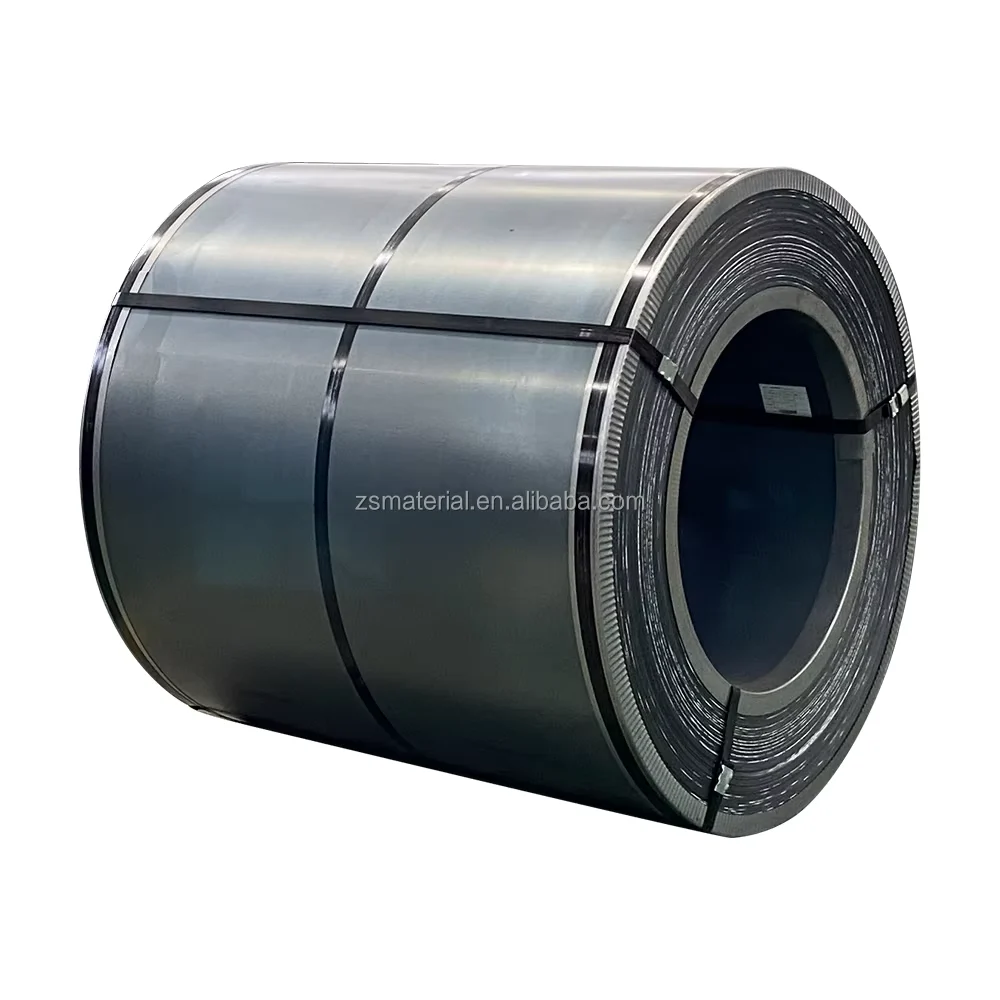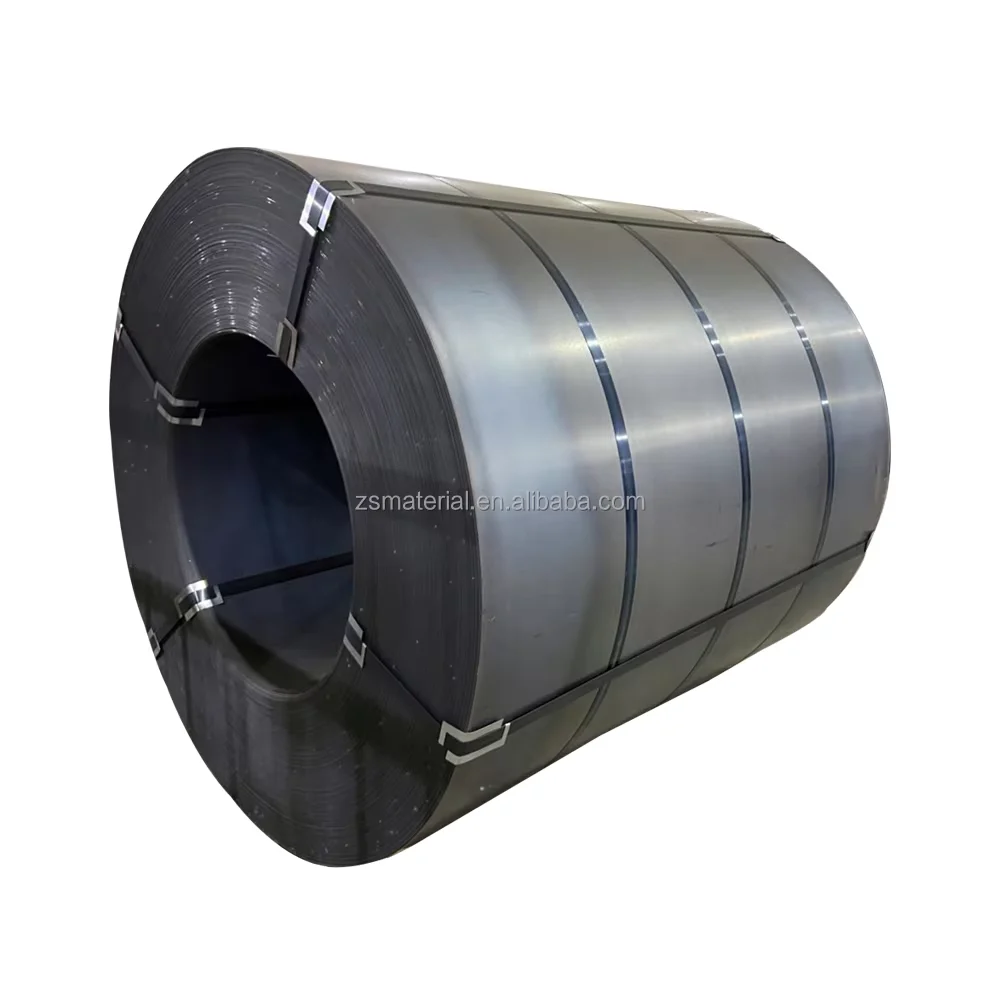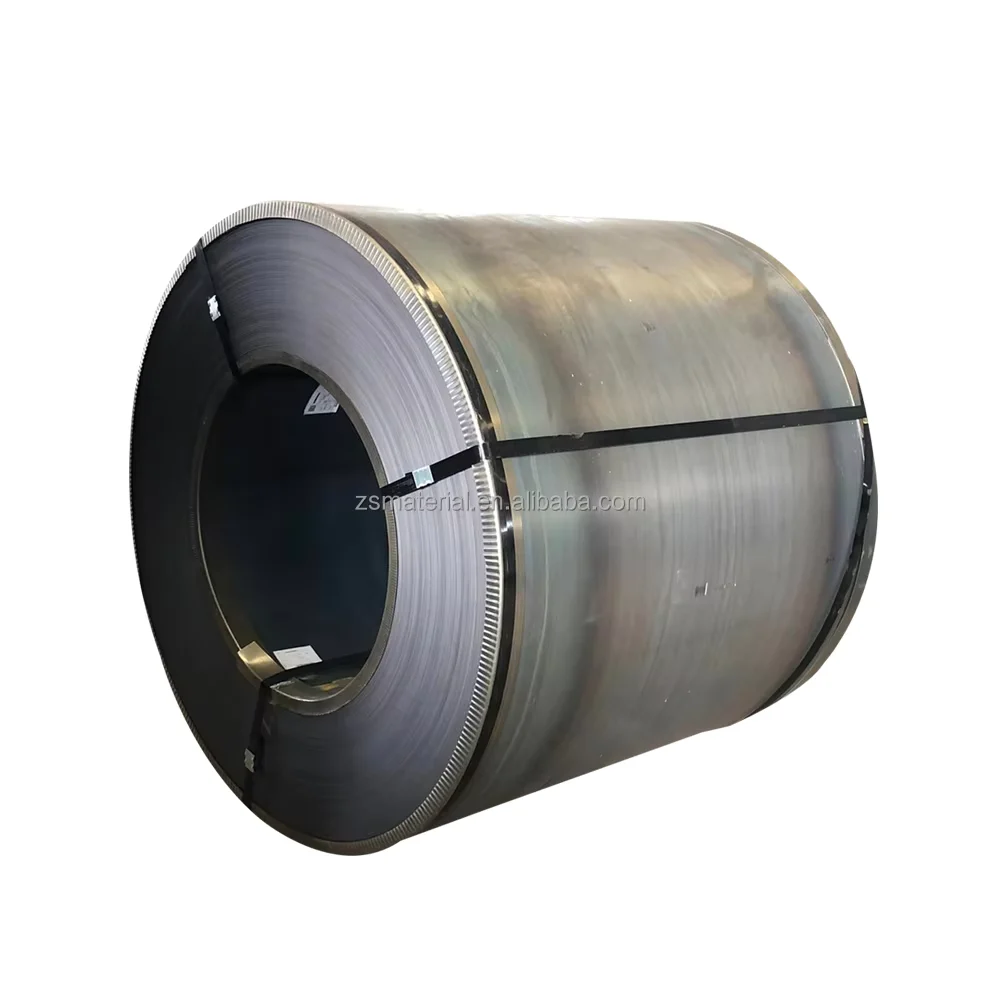
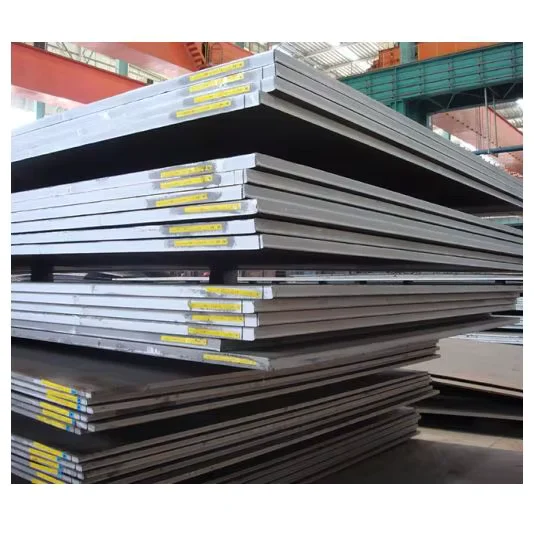

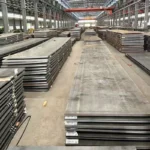
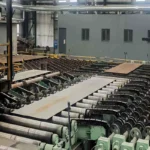
Description
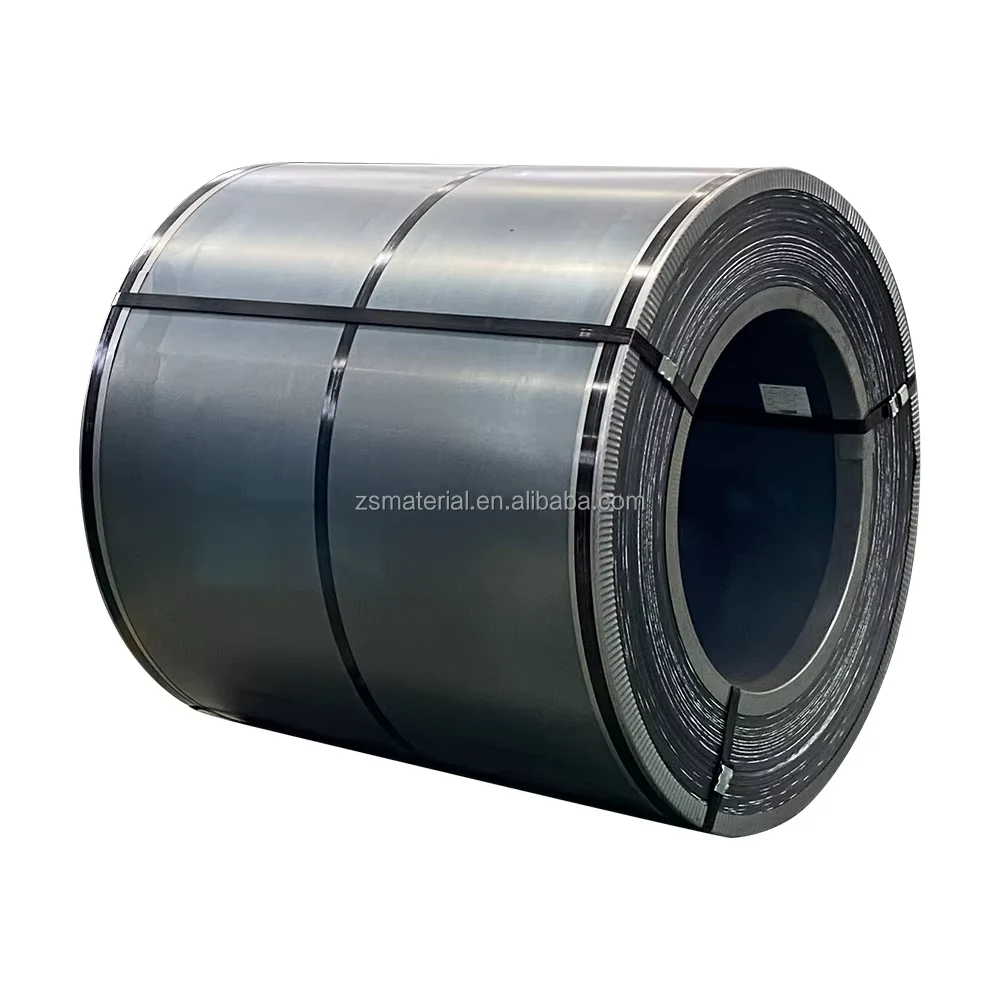
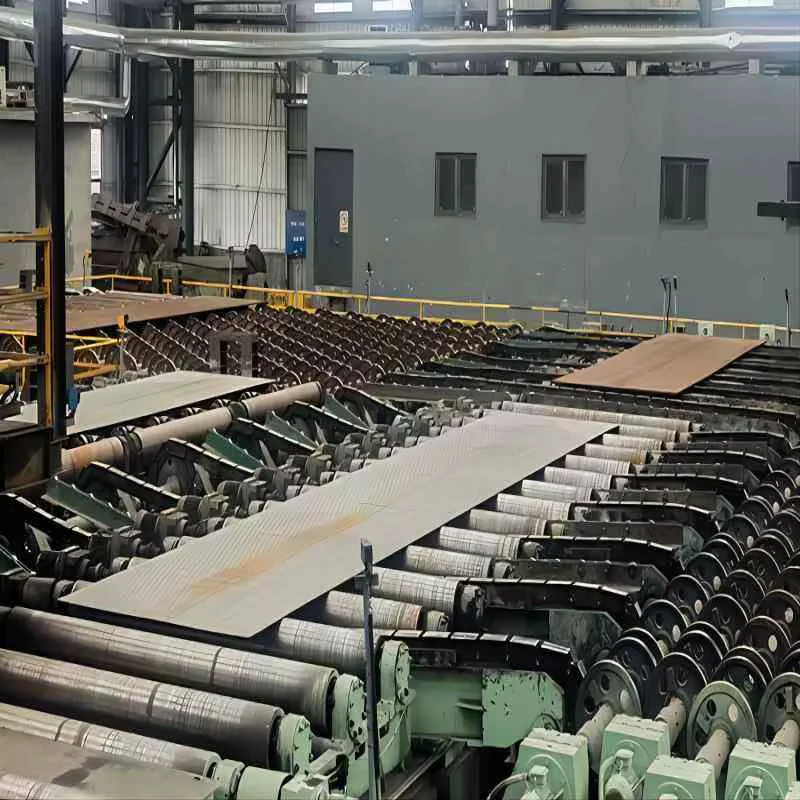
One-Stop Hot Rolled Plate Procurement — covering ASTM A36, A572, Q235, Q345, and SS400 grades in widths from 600 to 1250 mm with in-house cutting, bending, and punching services from a single mill-direct source.
Technical Specifications
| Parameter | Value |
|---|---|
| Designation | ASTM A36 A572 Hot Rolled Carbon Steel Plate |
| Product Type | Steel Plate |
| Steel Grade | A36, A572, Q235, Q235B, Q345, Q345B, SS400, 20# |
| Standard | ASTM A36 / A572, GB/T 709, JIS G3101 |
| Section Shape | Flat Sheet |
| Thickness | 0.21–0.50 mm |
| Width | 600–1250 mm (914 / 1000 / 1200 / 1219 / 1220 / 1250 mm) |
| Length | Customized |
| Technique | Hot Rolled |
| Surface Treatment | Oiled or Non-oiled |
| Hardness | Soft (HRB60) / Medium Hard (HRB60–85) / Full Hard (HRB85–95) |
| Tolerance | ±1% |
| Processing Service | Bending, Cutting, Decoiling, Punching, Welding |
| Skin Pass | Yes |
| Origin | Shandong, China |
Application Suitability
| Industry | Typical Applications |
|---|---|
| Construction & Infrastructure | Structural base plates, bridge gusset plates, industrial platform flooring |
| Container & Logistics | Corrugated side panels, container floor sheets, chassis cross-members |
| General Fabrication | Fencing panels, pipe blanks, metal enclosures, small tool blanks |
| Machinery & Equipment | Machine base frames, conveyor brackets, equipment guard plates |
What Thickness Tolerance Actually Costs on a Hot Rolled Plate Order
A ±1% tolerance on a 0.3 mm plate means every sheet ships within a 0.003 mm band — tight enough to hold dimensional accuracy across large fabrication runs.
When buyers source hot rolled plates from fragmented suppliers, thickness inconsistency becomes a silent cost driver. Sheets that measure 0.28 mm instead of 0.30 mm may pass visual inspection but fail downstream stamping or welding sequences, forcing rework or scrap. Worse, when mill test certificates do not match the physical material received, entire shipments get held at destination ports — a problem I have seen repeatedly in West African customs clearance, where third-party inspection reports contradict the supplier’s paperwork [NEED_CITE: hot rolled steel plate thickness tolerance standards for fabrication applications]. The ASTM A36 A572 hot rolled carbon steel plate we supply goes through three-stage in-house inspection before release, with original mill certificates matched to heat numbers on every bundle.
Matching Plate Hardness to Forming Requirements
Different fabrication processes demand different hardness ranges, and selecting the wrong grade leads to cracking or excessive tool wear. The ASTM A36 A572 hot rolled carbon steel plate is available in soft (HRB60), medium hard (HRB60–85), and full hard (HRB85–95) conditions. Soft temper plates bend cleanly for container corrugation and fencing profiles without springback issues, while medium and full hard options suit applications requiring higher surface wear resistance such as machine guards and conveyor components. Skin-pass treatment ensures flatness critical for precision cutting and punching operations.
Structural Compliance and Certification Pathways
Engineering projects across different regions require specific standard conformance — ASTM A36 for North American structural work, GB Q235/Q345 for domestic Chinese projects exported under EPC contracts, and JIS SS400 for Southeast Asian infrastructure builds. The hot rolled production process with controlled cooling delivers consistent grain structure that meets these standard requirements. For European market access, CE certification under EN 10210/10219 frameworks and FPC documentation ensure customs clearance without delays [NEED_CITE: CE marking requirements for structural steel plates in EU construction]. Every batch ships with chemical composition and mechanical property documentation traceable to the original heat number.
Understanding Grade Equivalence Across Standards
ASTM A36 and A572 represent different strength tiers within the American specification system — A36 serves general structural purposes while A572 Grade 50 offers higher yield strength for load-critical applications. In the Chinese GB system, Q235 maps closely to A36 in yield behavior, while Q345 provides strength comparable to A572 Grade 50. JIS SS400 occupies a similar position to A36 for general fabrication. When buyers request ASTM A36 A572 hot rolled carbon steel plate, we supply the exact grade specified with full chemical and mechanical test data, avoiding substitution without approval. Hot rolling above the recrystallization temperature produces a uniform microstructure with good weldability across all these grades, and the oiled surface option provides transit corrosion protection without interfering with subsequent painting or coating processes [NEED_CITE: steel grade equivalence mapping between ASTM, GB, and JIS standards].
Hidden Costs of Unverified Plate Procurement
Purchasing hot rolled plates without verified mill certificates creates compounding risks throughout the project lifecycle. Material that fails to meet specified chemical composition gets rejected during structural inspection, delaying project milestones and triggering penalty clauses. Plates with inconsistent thickness force fabricators to adjust tooling repeatedly, increasing labor costs and scrap rates. When customs authorities at destination ports discover documentation gaps or grade mismatches, containers sit in bonded warehouses accumulating demurrage charges — costs that routinely exceed the original material price difference between verified and unverified suppliers [NEED_CITE: customs clearance delays caused by incomplete steel mill test certificates].
Why Buyers Return for Repeat Plate Orders
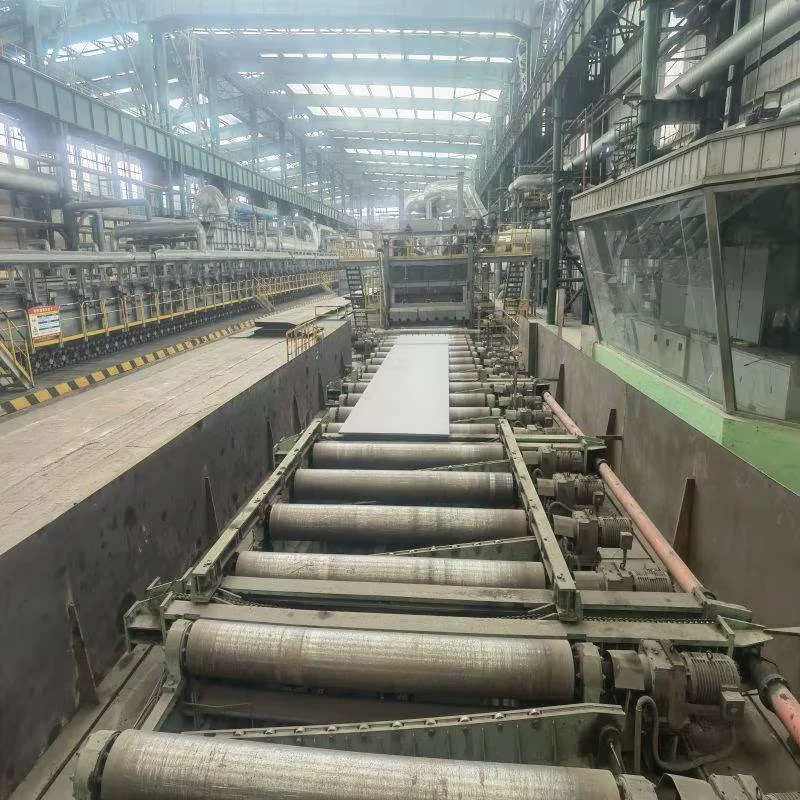
Factory-direct pricing eliminates trading company markups, with volume discount structures reviewed every six months for long-term partners. Our three production lines running simultaneously deliver monthly capacity exceeding 20,000 tons, supporting both urgent single-container orders and multi-vessel project supply. The in-house理化实验室 conducts three-stage inspection on every batch — incoming slab verification, in-process dimensional checks, and final mechanical testing — with original mill test certificates issued per heat number. Third-party inspection through SGS or BV arranges on request for buyers requiring independent verification. Professional export documentation handling covers certificates of origin, packing lists, and bills of lading, while optimized container loading plans maximize payload for heavy plate shipments across 50+ countries.
Documentation & Compliance
- Mill test certificate documenting ASTM A36 / A572 chemical composition (carbon, manganese, silicon, sulfur, phosphorus) and mechanical properties per heat number
- CE certificate covering EN 10210 / EN 10219 structural steel plate requirements for European market access
- ISO 9001:2015 quality management system certificate covering production and inspection processes
- SGS or BV third-party inspection report available on request for independent quality verification
- Material traceability documentation linking each plate bundle to original heat number and rolling batch
- Complete customs document package including commercial invoice, packing list, bill of lading, and certificate of origin
Packaging, Loading & Delivery
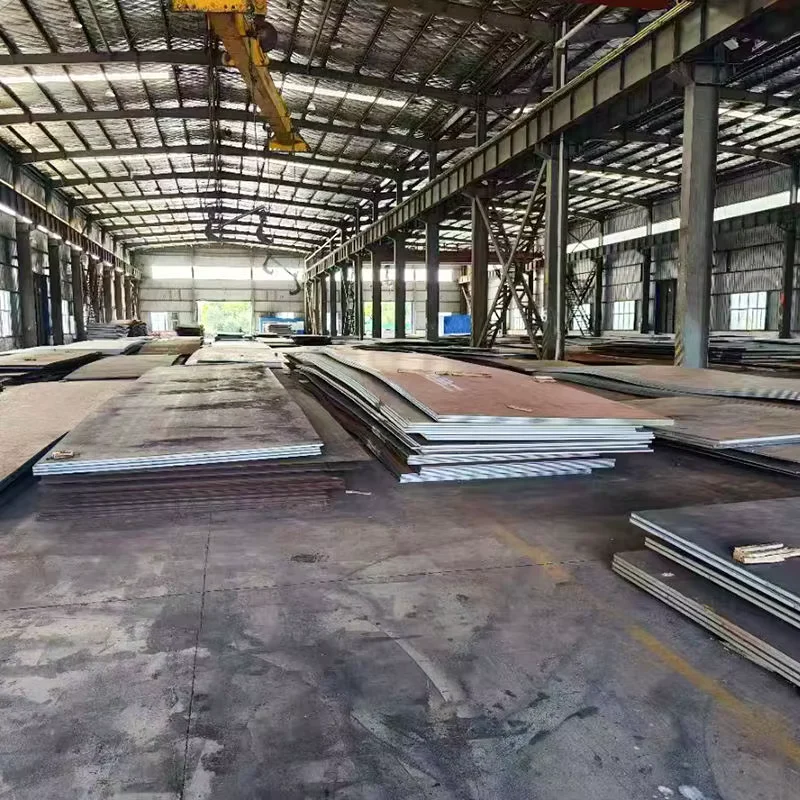
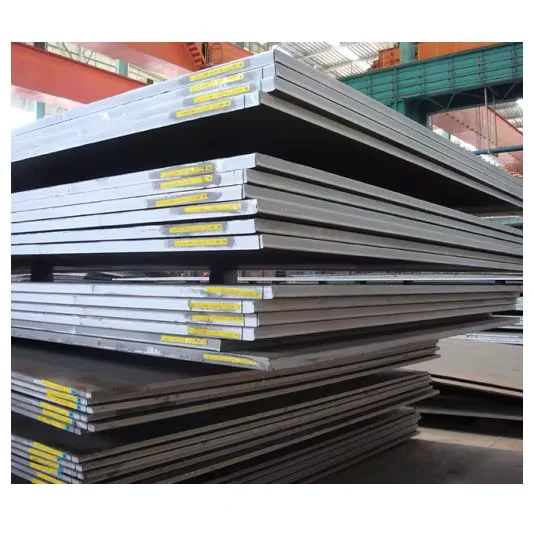
- Hot rolled plates bundled with steel strips and edge protectors to prevent surface damage during ocean transit
- Oiled surface treatment applied before bundling to prevent rust formation during extended shipping periods
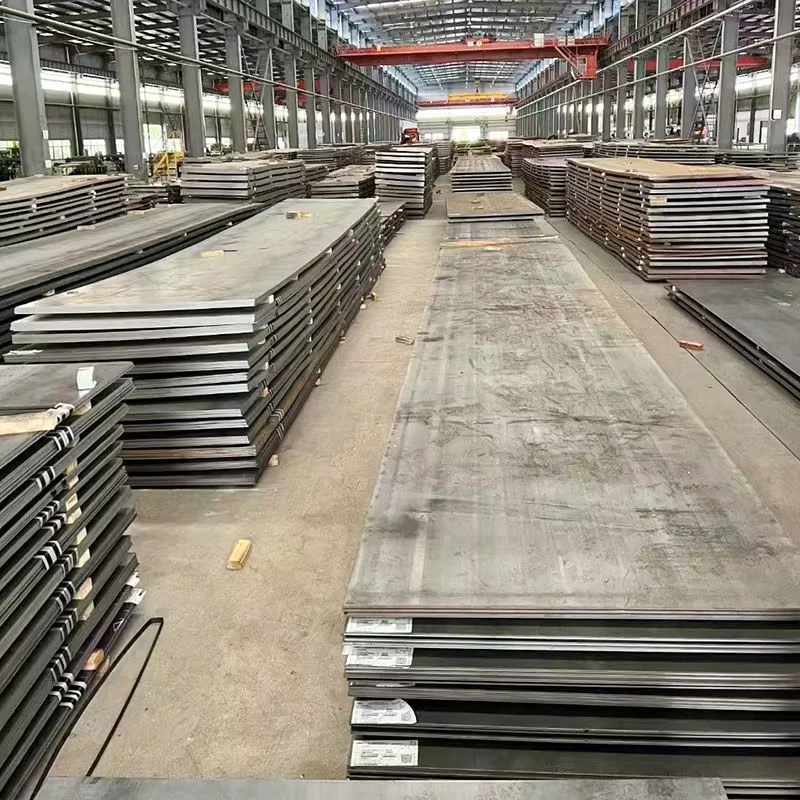
- Container loading optimized for 600–1250 mm width plates, with weight distribution plans maximizing 20ft and 40ft payload capacity
- Custom length cutting available to match project requirements, reducing on-site waste and handling
- Heat number and grade identification marked on each bundle for site traceability and inspection verification
- FOB, CIF, and DDP shipping terms available with professional logistics coordination from Jinan port facilities
Starting Your Plate Procurement Process
Submit your specifications including steel grade (ASTM A36, A572, Q235, Q345, or SS400), thickness, width, length, quantity, and destination port to receive a competitive bulk quotation within 12 hours. Request original mill test certificates and third-party inspection options for quality verification before order confirmation. Our team handles non-standard dimension inquiries, container loading optimization, and complete export documentation to ensure smooth delivery.
Frequently Asked Questions
Q: How do ASTM A36 and A572 grades differ in application suitability?
A: ASTM A36 serves general structural and fabrication purposes with standard yield strength, while A572 Grade 50 provides higher yield strength for load-critical structural applications. Both grades offer good weldability and formability in hot rolled condition.
Q: Can you supply original mill test certificates with each shipment?
A: Yes, every batch of ASTM A36 A572 hot rolled carbon steel plate ships with original mill test certificates documenting chemical composition and mechanical properties, traceable to the specific heat number.
Q: What width and length options are available for hot rolled plates?
A: Standard widths range from 600 to 1250 mm including 914, 1000, 1200, 1219, 1220, and 1250 mm. Lengths are customized to project requirements, and in-house cutting services are available for precise dimension needs.
Q: Do you support third-party inspection before shipment?
A: SGS and BV third-party inspection services are available on request for buyers requiring independent quality verification of material properties and dimensions.
Q: What surface treatment options prevent corrosion during shipping?
A: Oiled surface treatment provides rust protection during ocean transit without interfering with subsequent painting or coating processes. Non-oiled options are available for immediate fabrication applications.
Request Your ASTM A36 A572 Hot Rolled Carbon Steel Plate Quote
Send your specifications via email to admin@sdxinjiyuan.com or contact us on WhatsApp at +86 188 5315 7756 to receive bulk pricing with mill test certificates within 12 hours.