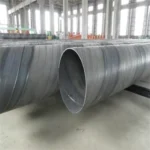
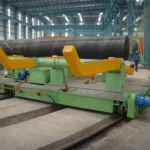
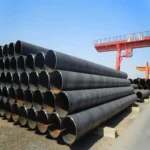
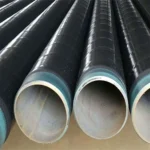
Description
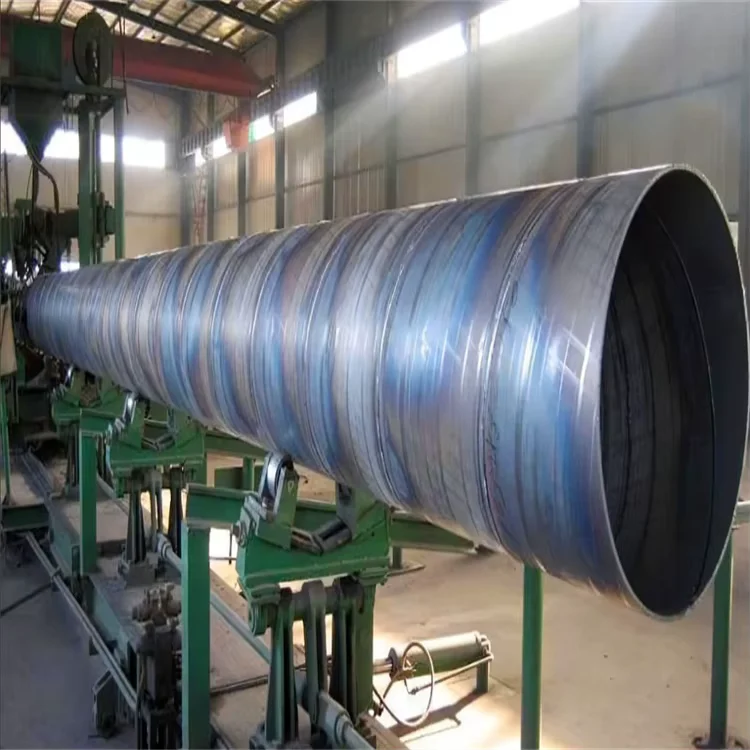
Factory-Direct ASTM A252 LSAW Pipes — Every batch ships with original mill test certificates and full SGS/BV third-party inspection support for customs clearance worldwide.
Technical Specifications
| Parameter | Value |
|---|---|
| Designation | ASTM A252 LSAW Steel Pipe |
| Product Type | Round Steel Pipe (LSAW) |
| Steel Grade | Q195, Q235, Q345, S235JR, S275JR, S355JR |
| Standard | ASTM A252, EN, GB, BS, DIN, JIS |
| Section Shape | Round |
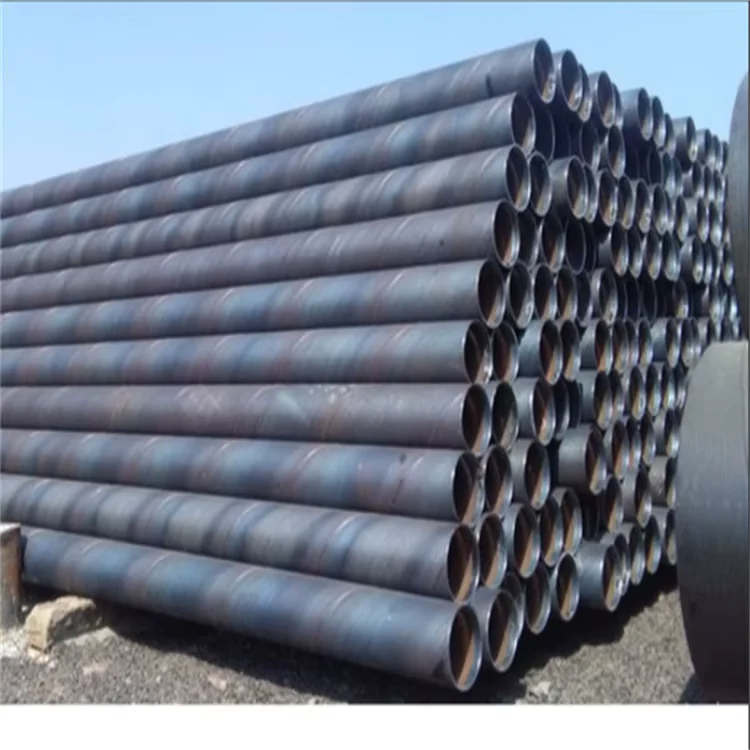
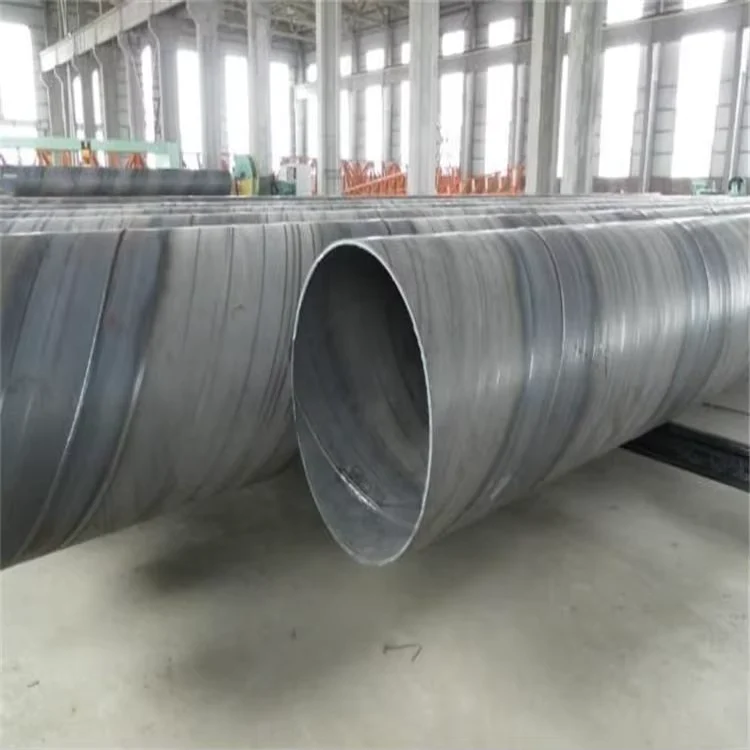
| Outer Diameter | 219–3220 mm |
| Length | 6 m / 12 m |
| Technique | LSAW (Longitudinal Submerged Arc Welded) |
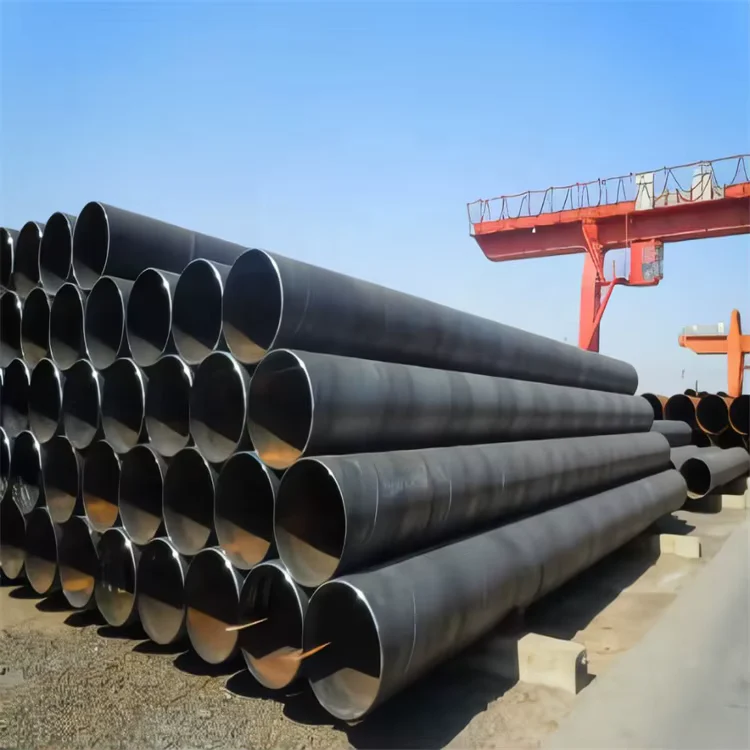
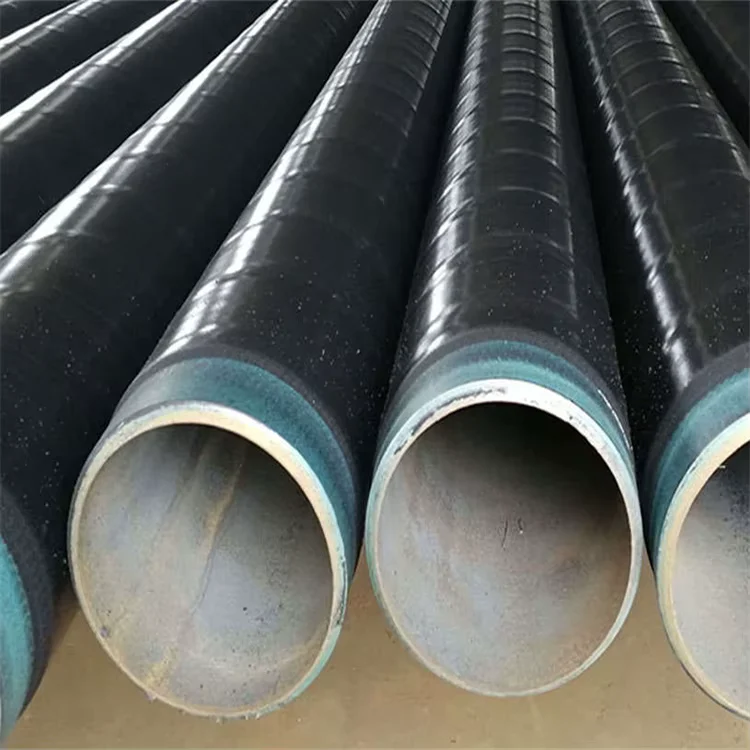
| Surface Treatment | Black Painted / 3PE / FBE Coated |
| Tolerance | ±1% |
| Ends | Plain / Beveled |
| Application | Fluid transport, Gas pipeline, Oil pipeline, Chemical & corrosive service, Structural piling, Boiler, Hydraulic system, Construction structure |
| MOQ | 2 Tons |
| Origin | Shandong, China |
Application Suitability
| Industry | Typical Applications |
|---|---|
| Oil & Gas | Transmission pipelines, gathering lines, corrosive fluid transport |
| Infrastructure & Piling | Bridge foundations, port structures, industrial platform supports |
| Chemical Processing | Corrosive media pipelines, plant fluid delivery systems |
| Construction | Structural piling, building frame columns, heavy-load support columns |
| Industrial Equipment | Boiler tubes, hydraulic cylinders, high-pressure fluid systems |
Where Coating Integrity Decides Whether a Pipeline Survives Its Design Life
A 3PE or FBE coating is only as reliable as its adhesion and continuity — any scratch, pinhole, or thin spot becomes a corrosion cell within months.
Sourcing large-diameter LSAW pipes for corrosive environments often means choosing between unreliable coating quality and fragmented supplier coordination. Buyers frequently receive pipes with coating thickness variations that fail third-party holiday detection tests, or worse — coating damage caused by improper loading that only surfaces after ocean transit. When a chemical pipeline or offshore piling project faces coating failure at the weld zone or along the body, the entire section must be excavated, recoated, or replaced at multiples of the original material cost. [NEED_CITE: 3PE coating adhesion requirements for buried steel pipelines]
Matching Large-Diameter LSAW Pipes to Corrosive Service Environments
The ASTM A252 LSAW steel pipe in OD 219–3220 mm covers both standard pipeline transmission sizes and large-diameter structural piling requirements. For chemical and corrosive service, the 3PE three-layer polyethylene coating system provides mechanical protection combined with moisture barrier properties, while FBE epoxy coating delivers superior adhesion for high-temperature or chemically aggressive environments. The LSAW submerged arc welding process ensures uniform weld seam integrity across the full wall thickness — critical for piling applications where pipes承受 driving stresses and lateral soil pressures. Our dedicated coating lines apply 3PE/FBE systems immediately after weld inspection, preserving coating continuity before any handling or storage.
Engineering Compliance and Certification Requirements for Piling and Pipeline Projects
Structural piling applications require compliance with load-bearing standards such as EN 1993 or AISC specifications, where the LSAW process provides consistent mechanical properties across the longitudinal seam. For corrosive service environments, coating selection between 3PE and FBE depends on soil resistivity, operating temperature, and chemical exposure — 3PE excels in mechanical abrasion resistance for direct burial, while FBE provides chemical resistance for industrial plant piping. The multi-standard compliance (ASTM A252, EN, GB, BS, DIN, JIS) allows equivalent material certification across regions, simplifying customs documentation for international projects. [NEED_CITE: ASTM A252 grade equivalence with EN and GB standards] Beveled ends facilitate field welding for pipeline continuity, while plain ends suit mechanical coupling or socket-weld connections in piling structures.
Steel Grade Selection and LSAW Welding Process Fundamentals
The available steel grades span Q195–Q345 (Chinese GB system) and S235JR–S355JR (European EN system), with yield strength increasing progressively from Q195 to Q345 and S235JR to S355JR — higher grades suit load-intensive piling and high-pressure pipeline applications. The LSAW longitudinal submerged arc welding process produces a single straight seam with full penetration, making it suitable for large-diameter pipes (up to 3220 mm OD) where ERW processes cannot achieve adequate wall thickness or where SSAW spiral seams create uneven stress distribution. For corrosive environments, the 3PE coating system consists of fusion-bonded epoxy primer, copolymer adhesive, and polyethylene outer layer — this three-layer structure provides cathodic disbondment resistance essential for buried pipelines. The FBE single-layer epoxy coating offers simpler application with excellent chemical resistance, suitable for plant piping and moderate burial conditions. Wall thickness tolerance of ±1% ensures consistent load-bearing capacity and coating adhesion across the pipe body.
Hidden Costs of Incorrect Grade Specification and Coating Failure
Specifying a lower steel grade than required by structural calculations leads to piling refusal, foundation settlement, or pipeline rupture under operating pressure — all requiring expensive remediation after installation. Missing or incomplete mill test certificates cause customs delays at destination ports, with containers held for weeks pending material verification. Coating damage during transit or improper storage creates corrosion initiation points that compromise the entire pipeline’s design life, forcing section replacement at 3–5 times the original material cost. Non-compliance with ASTM A252 or equivalent EN standards triggers project rejection during third-party inspection, with no recourse for material already installed. [NEED_CITE: consequences of coating damage on buried pipeline service life]
Why Source ASTM A252 LSAW Pipes Directly from Our Mill
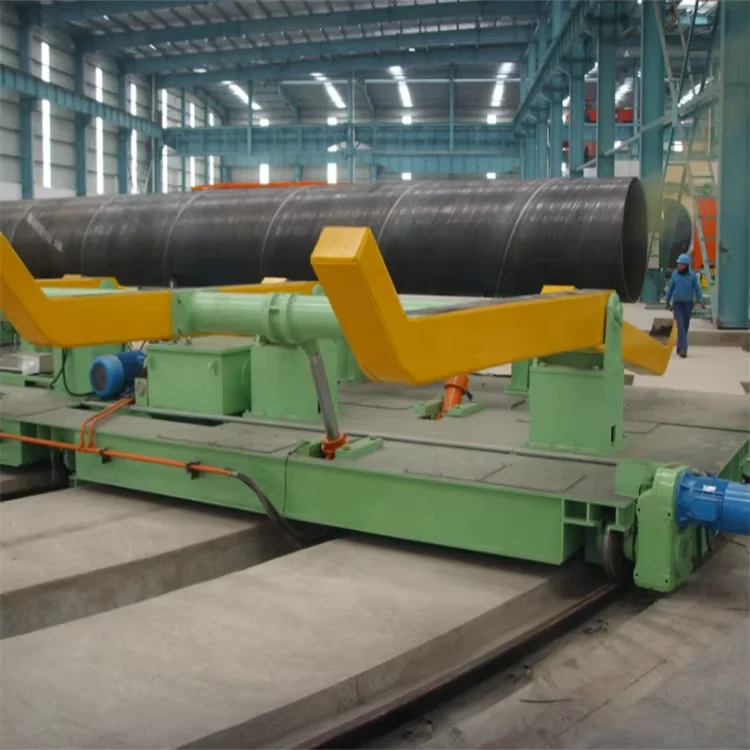
We operate three dedicated production lines running simultaneously, delivering monthly capacity exceeding 20,000 tons of LSAW pipes with integrated coating facilities — this eliminates middleman markups and reduces lead times for bulk orders. Every batch undergoes three-stage in-house inspection covering dimensional accuracy, weld seam ultrasonic testing, and coating thickness measurement, with original mill test certificates traceable to heat number. Our 2,800+ specification inventory includes standard OD and wall thickness combinations for immediate shipment, while custom orders for non-standard dimensions or specialized coating requirements ship within typical production lead times. We hold ISO 9001:2015, Lloyd’s CE (EN 10210/10219), and FPC certifications, with SGS/BV third-party inspection available on request for projects requiring independent verification. Professional export teams optimize container loading for large-diameter pipes, maximizing payload while protecting coating integrity during ocean transit — a lesson learned from early transit damage incidents that reshaped our entire loading protocol.
Documentation & Compliance
- Mill test certificate documenting Q235/Q345 chemical composition and mechanical properties per ASTM A252, traceable to heat number
- CE certificate (EN 10210/EN 10219) for structural hollow sections exported to European markets
- ISO 9001:2015 quality management system certificate covering full production and coating process
- SGS or BV third-party inspection report verifying coating thickness, adhesion, and holiday detection
- Material traceability documentation linking each pipe to heat number, welding parameters, and coating batch
- Complete customs documentation package including packing list, bill of lading, and certificate of origin
Packaging, Loading & Delivery
- LSAW pipes bundled with steel strips and edge protectors to preserve 3PE/FBE coating during handling and ocean transit
- Coated pipes separated by padded timber dunnage to prevent coating abrasion between pipe surfaces
- Container loading optimized for large-diameter pipes (219–3220 mm OD) with professional lashing plans maximizing payload
- Available in 6 m and 12 m standard lengths, with custom cut-to-length service for specific project requirements
- Each pipe marked with heat number, steel grade, OD, wall thickness, and coating type for site identification
- FOB/CIF/DDP shipping terms available, with door-to-door logistics coordination for bulk project orders
Request Your ASTM A252 LSAW Pipe Quotation with Mill Test Certificates
Submit your project specifications including outer diameter, wall thickness, steel grade, coating type, quantity, and destination port — we respond within 12 hours with competitive factory-direct pricing, delivery schedule, and available mill test certificate samples. For non-standard dimensions or specialized coating requirements, our technical team provides customized solutions with typical production lead times.
Get Factory-Direct Pricing and Material Certification for Your Next Pipeline or Piling Project
Send your ASTM A252 LSAW steel pipe requirements via email or WhatsApp to receive bulk pricing with volume discounts, original mill test certificates, and complete export documentation.
- Company: Shandong Xin Jiyuan Special Steel Tube Co., Ltd
- Website: www.sdxinjiyuan.com
- Tel: +86 531 8573 6315
- Mobile/WhatsApp/WeChat: +86 188 5315 7756
- Email: admin@sdxinjiyuan.com
Frequently Asked Questions
Q: What is the difference between LSAW, SSAW, and ERW pipes — which suits my project?
A: LSAW (Longitudinal Submerged Arc Welded) pipes feature a single straight seam with full penetration welding, suitable for large diameters up to 3220 mm and high-pressure applications. SSAW (Spiral Submerged Arc Welded) pipes have spiral seams, cost-effective for very large diameters but with uneven stress distribution. ERW (Electric Resistance Welded) pipes suit smaller diameters with lower wall thickness requirements. For structural piling and high-pressure corrosive service, LSAW provides superior weld integrity and consistent mechanical properties.
Q: How does 3PE coating compare to FBE for long-term corrosion protection in chemical service?
A: 3PE (three-layer polyethylene) coating combines fusion-bonded epoxy primer, copolymer adhesive, and polyethylene outer layer — providing excellent mechanical protection for direct burial and superior cathodic disbondment resistance. FBE (fusion-bonded epoxy) single-layer coating offers simpler application with excellent chemical resistance, suitable for plant piping and moderate burial conditions. For aggressive chemical environments or deep burial with high soil stress, 3PE provides longer service life; for indoor chemical plant piping or shallow burial, FBE is more economical.
Q: Can you provide ASTM A252 grade compliance with equivalent EN/GB material certification?
A: Yes, we supply ASTM A252 LSAW pipes with multi-standard compliance including EN, GB, BS, DIN, and JIS standards. Our mill test certificates document chemical composition and mechanical properties, with material equivalence between ASTM A252, EN 10219, and GB/T standards clearly indicated. This simplifies customs clearance and project approval across different regions.
Q: What is the MOQ and lead time for custom OD/wall thickness and coating specifications?
A: Standard specifications ship from our 2,800+ item inventory with immediate availability. Custom orders for non-standard outer diameter, wall thickness, or specialized coating requirements have a minimum order quantity of 2 tons, with typical production lead times depending on specification complexity. We provide detailed delivery schedules upon request.
Q: How do you ensure coating adhesion and thickness consistency for bulk orders?
A: Our dedicated coating lines apply 3PE/FBE systems immediately after weld inspection under controlled temperature and humidity conditions. Every batch undergoes three-stage inspection: dimensional verification, weld seam ultrasonic testing, and coating thickness measurement with holiday detection. Original mill test certificates document coating thickness and adhesion test results, with SGS/BV third-party inspection available for independent verification.