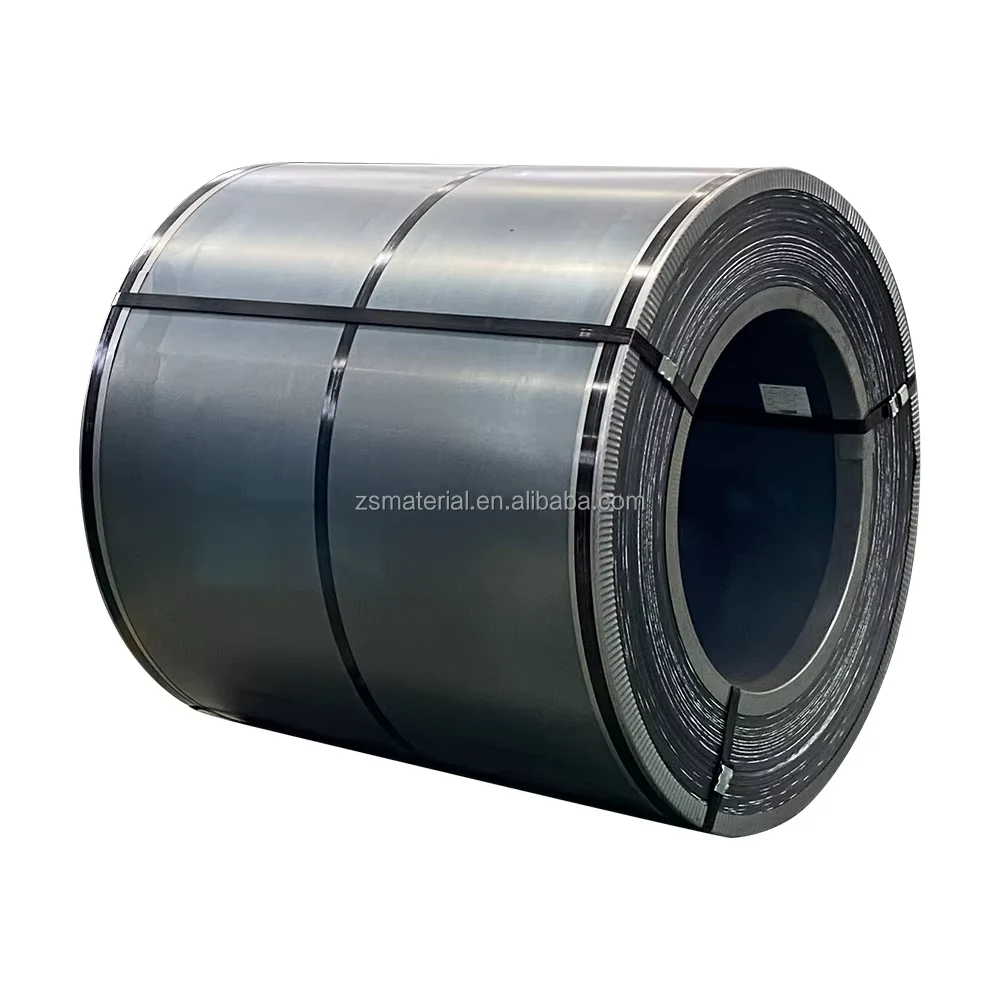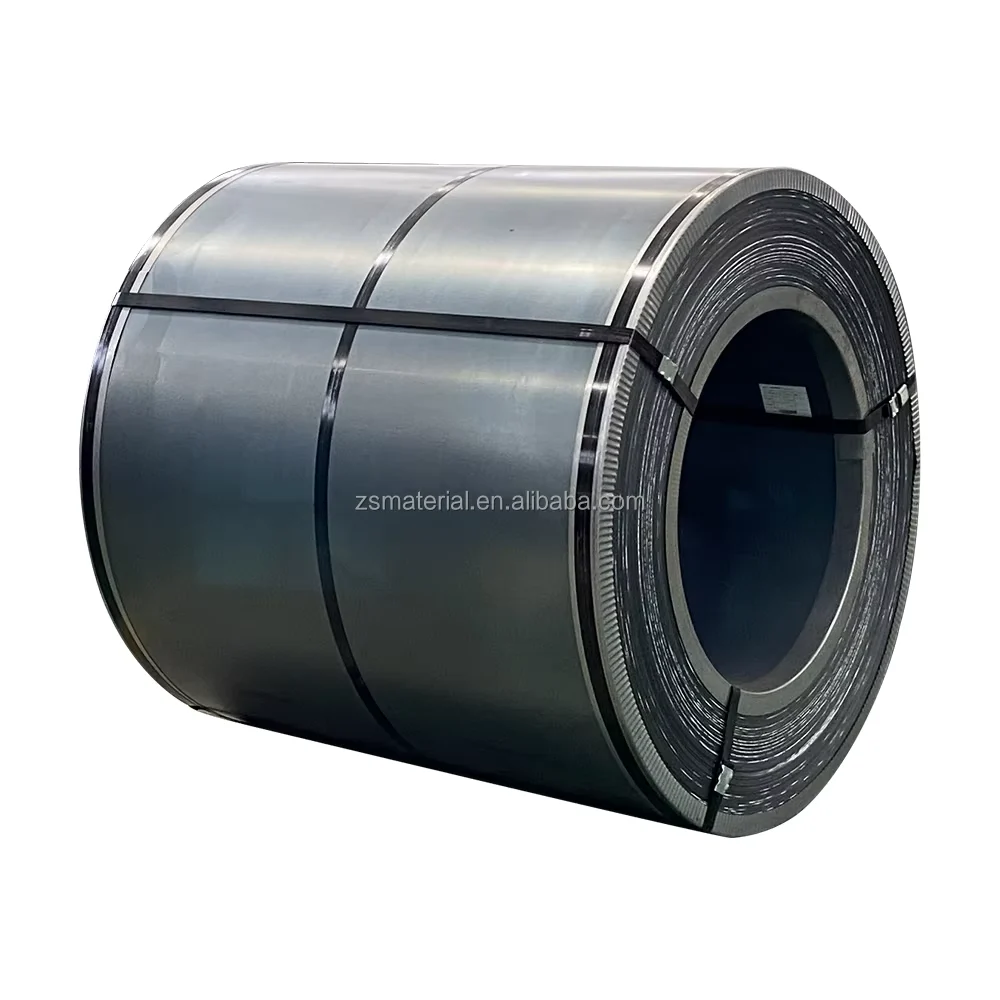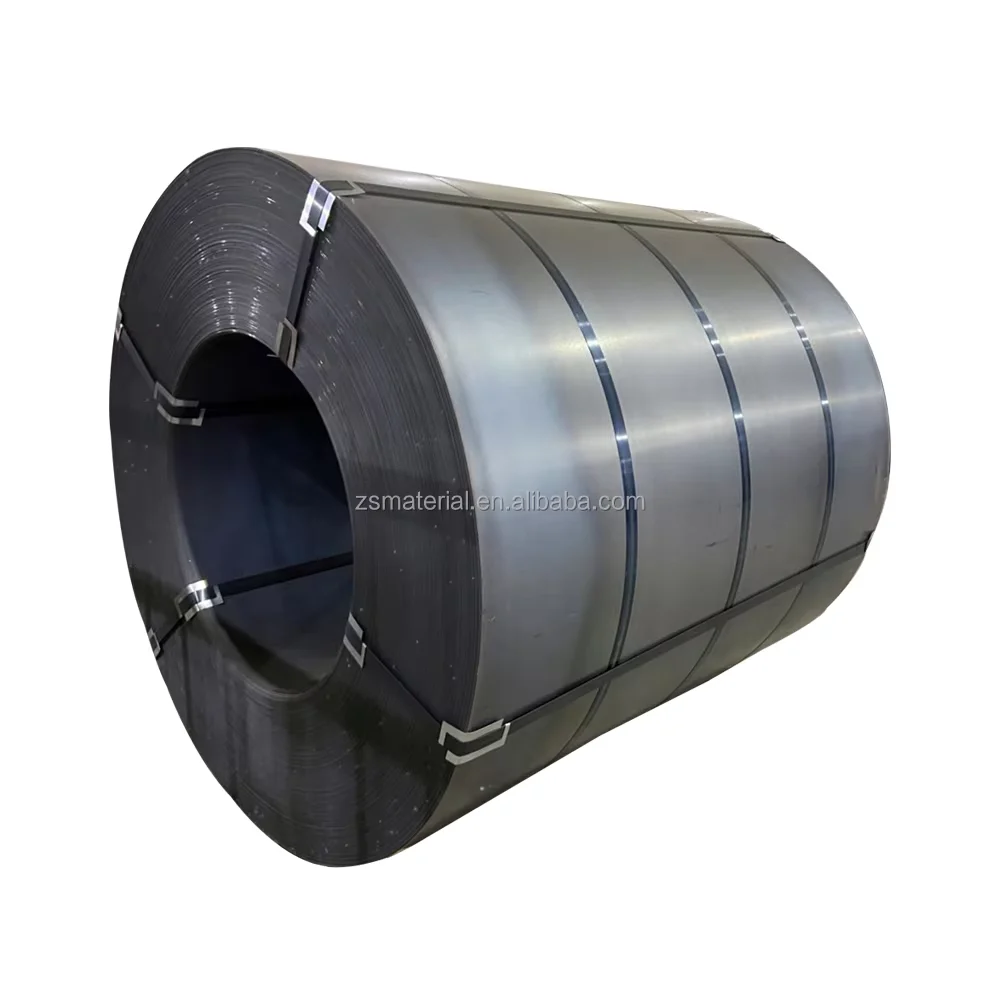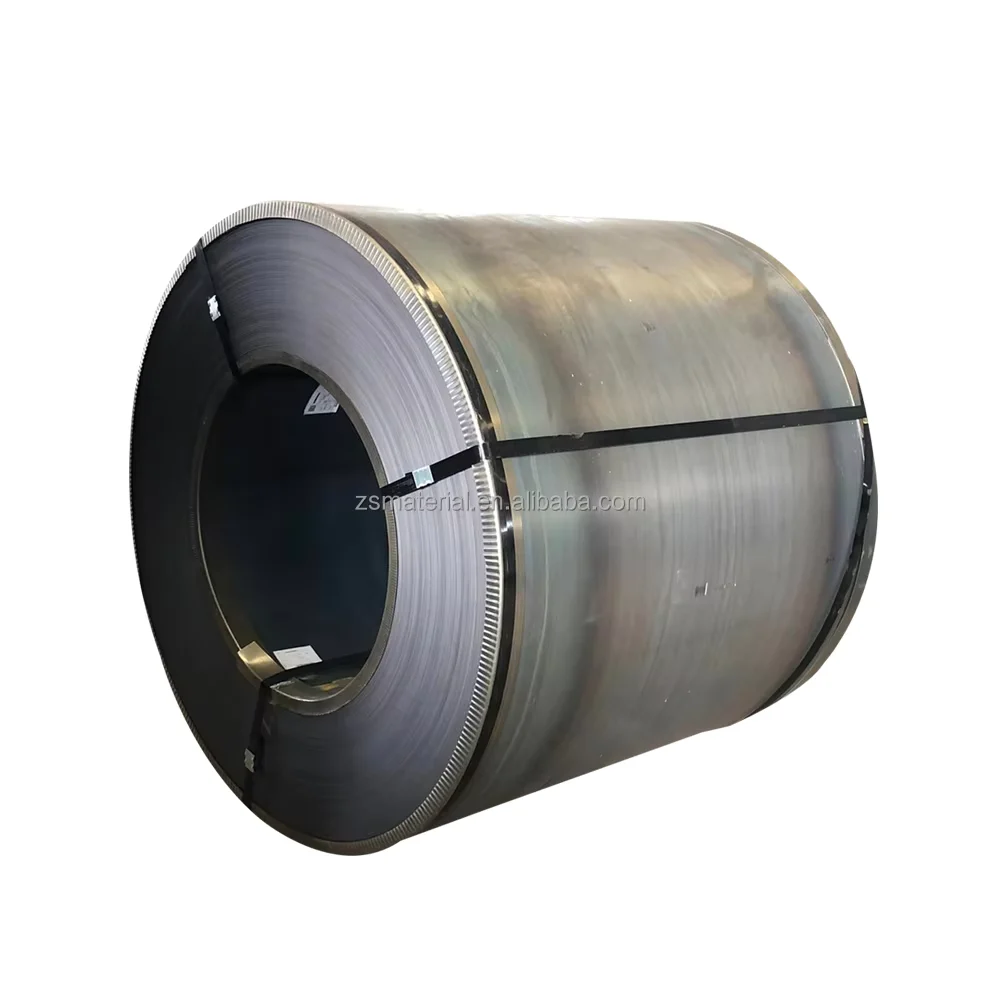
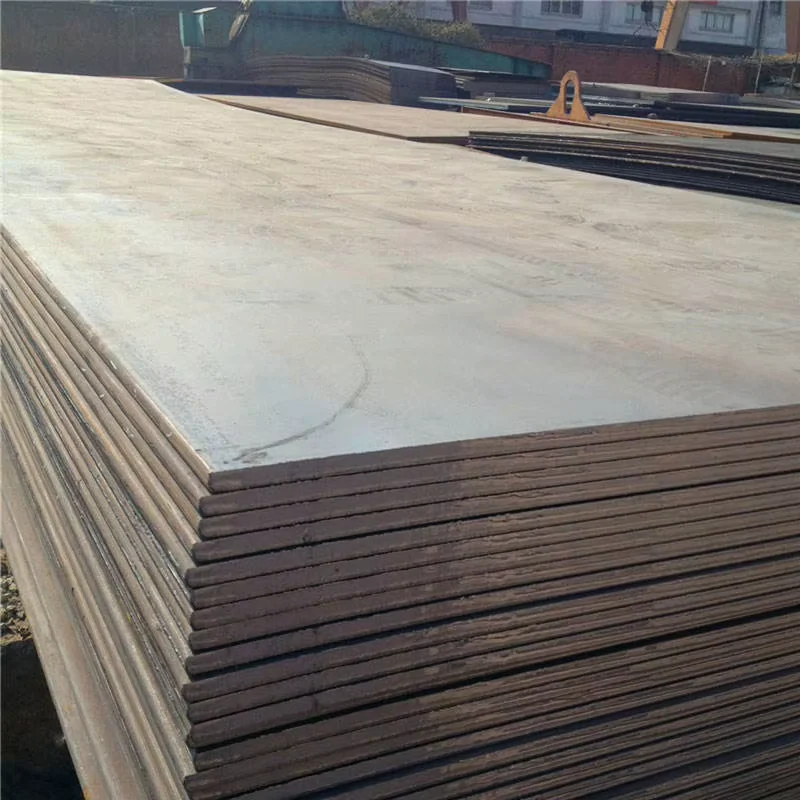
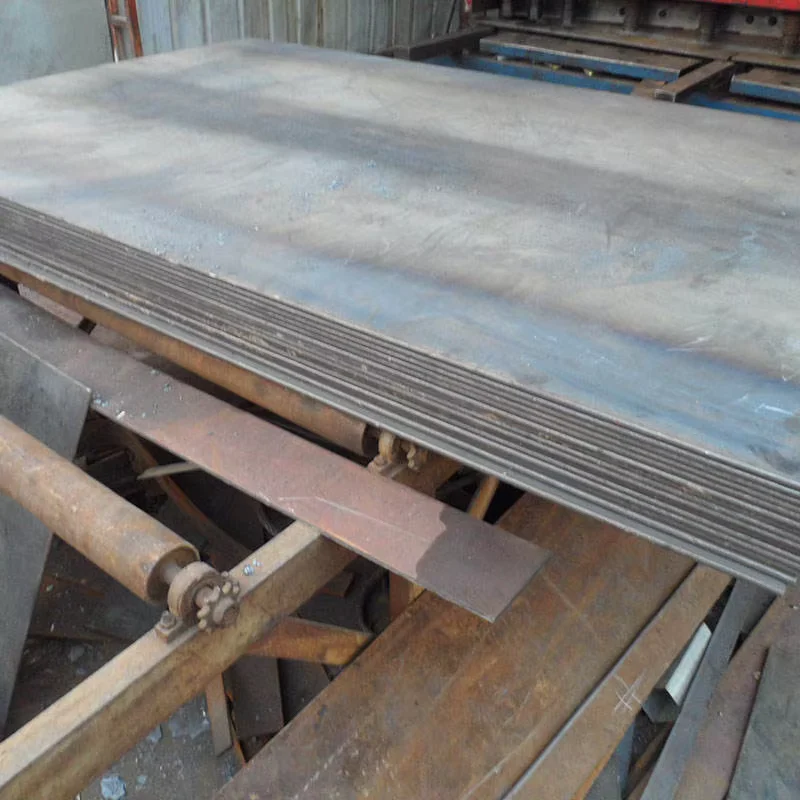
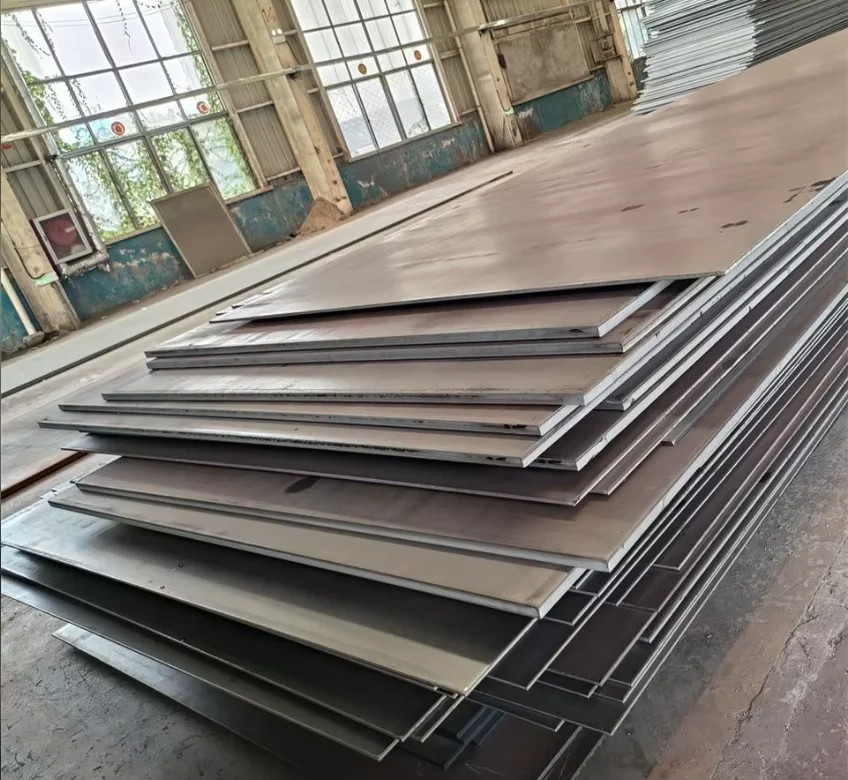
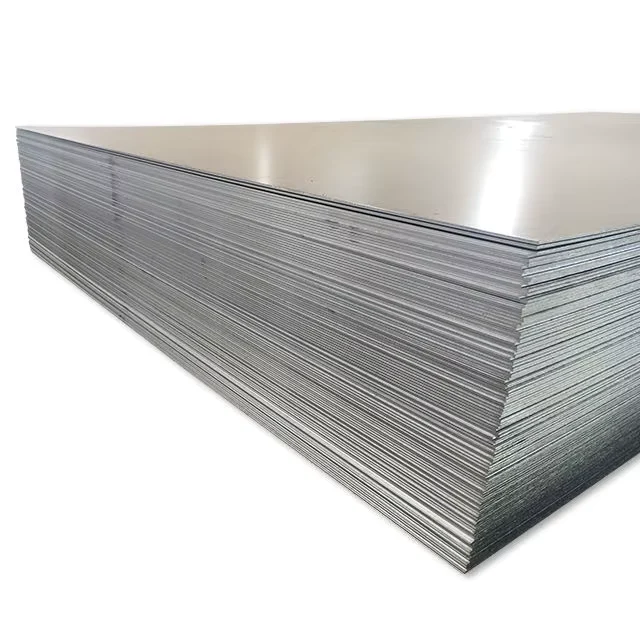
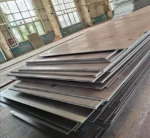
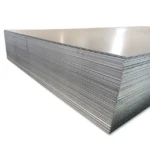
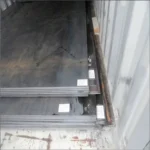
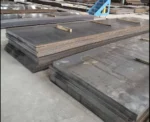
Description
Factory-direct A572 GR.50 hot rolled steel plate supplier — every batch shipped with original mill test certificates and ISO 9001 traceability, eliminating customs holds at destination ports.
Technical Specifications
| Parameter | Value |
|---|---|
| Designation | A572 GR.50 / Q235 / Q255 / Q275 / 20# Hot Rolled Steel Plate |
| Product Type | Steel Plate |
| Steel Grade | A572 GR.50, Q235, Q255, Q275, 20# |
| Standard | AISI, DIN, JIS, ASTM A572 |
| Thickness | 3–200mm |
| Technique | Hot Rolled |
| Surface Treatment | Hot Rolled |
| Processing | Bending, Welding, Cutting |
| Application | Fabrication, Structural Steel, Construction, Pressure Vessels, Shipbuilding, Industrial Equipment |
| Origin | Shandong, China |
Application Suitability
| Industry | Typical Applications |
|---|---|
| Construction & Infrastructure | Building frames, bridge girders, heavy equipment bases |
| Industrial Fabrication | Pressure vessel shells, boiler supports, crane booms |
| Shipbuilding | Deck plating, hull structural members |
| Machinery Manufacturing | Loader buckets, excavator turntables, conveyor frames |
Why Mill Test Certificate Authenticity Decides Your Project Timeline
A plate without verifiable chemistry is just scrap metal waiting to fail inspection.
I watched an entire container of plates get locked at Jebel Ali for three weeks because the mill cert listed A572 GR.50 but the third-party retest showed carbon content outside the ASTM A572 envelope. The project crew stood idle. Nobody questions the cost of that delay until it happens to them. Fragmented sourcing from multiple traders makes this worse — you get plates from different heats, mixed certs, and no chain of custody. [NEED_CITE: ASTM A572 chemical composition and mechanical property requirements for Grade 50] When you buy from a single factory-direct source with in-house lab testing, every plate carries a heat number traceable back to the slab.
How Thickness Range 3–200mm Covers Your Structural Load Path
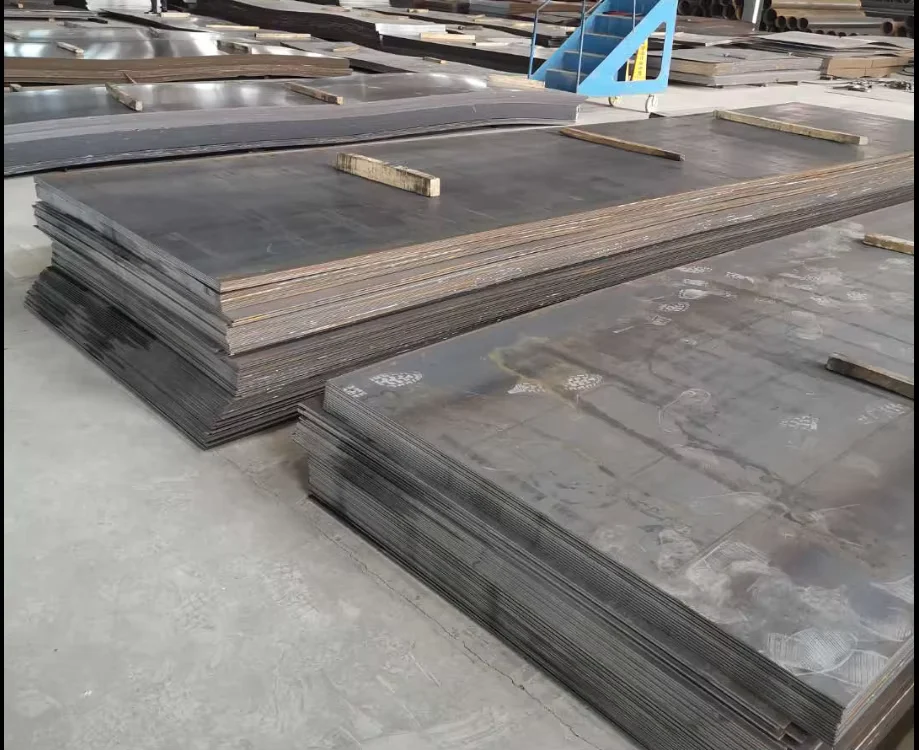
A572 GR.50 hot rolled steel plate in the 3–200mm range serves everything from light gauge bracing to heavy base plates under column loads. The hot rolling process produces a grain structure that responds predictably to bending and welding — critical when your fabricator is forming 100mm+ plates into beam-to-column connections. Q235 and Q275 fill the general structural gap where ASTM equivalence is not required, while 20# plate handles pressure vessel applications where carbon content must stay controlled. We hold standard thicknesses in ready stock so your urgent cut-to-size orders ship within days, not weeks.
Engineering Compliance Across ASTM, EN, and JIS Frameworks
A572 GR.50 plates meet ASTM A572 requirements for high-strength low-alloy structural use, making them acceptable under AISC design provisions for bridges and buildings. [NEED_CITE: steel grade equivalence mapping between ASTM A572 and EN 10025 standards] For European-spec projects, we supply plates that conform to EN 10025 with Lloyd’s CE certification, clearing customs without re-inspection delays. The hot rolled surface condition accepts shop primers and intumescent coatings without additional blast profiling in most cases. Custom cut-to-length and cambered plates reduce on-site welding and fitting time — a detail that matters when your erection crew is billing by the hour.
Steel Grade Selection: A572 GR.50 vs Q-Series vs 20#
A572 GR.50 delivers higher yield strength than standard carbon structural grades, allowing thinner sections for the same load capacity — a direct weight and cost saving on large tonnage orders. Q235, Q255, and Q275 follow the Chinese GB/T 700 standard with incrementally higher carbon and manganese content, suited for domestic-spec projects across Southeast Asia and Africa. 20# steel plate, with its low carbon and controlled manganese, serves pressure vessel and boiler applications where weldability and toughness at elevated temperatures matter. [NEED_CITE: hot rolled plate formability and weldability characteristics across structural steel grades] The hot rolling process ensures uniform mechanical properties through the thickness, unlike cold-rolled alternatives that work-harden the surface.
The Hidden Cost of Buying Plates Without Verified Chemistry
Specifying A572 GR.50 on a drawing means nothing if the delivered plate fails retest at the port. Customs authorities in the Middle East and Southeast Asia routinely order third-party chemistry verification on structural steel imports. [NEED_CITE: import inspection requirements for structural steel plates in GCC and ASEAN markets] Plates that fail get held — storage fees, retest costs, re-order lead times, and idle erection crews compound into losses that dwarf the original price difference between a verified factory source and a broker. Certification gaps also block project handover: without original mill test certificates matching heat numbers on each plate, the engineer of record will not sign off.
Why Project Buyers Source A572 GR.50 Hot Rolled Steel Plate From Xin Jiyuan
We run three production lines with monthly capacity exceeding 20,000 tons, meaning your 500-ton bridge order does not compete with smaller jobs for mill time. Every plate leaves our facility with an original mill test certificate showing chemical composition and mechanical properties — not a trader’s re-issued document. Our ISO 9001:2015 system and Lloyd’s CE certification cover European and Middle Eastern customs requirements, and we arrange SGS or BV third-party inspection before loading at your request. With 2,800+ specifications in stock across plates, pipes, sections, and tubes, we consolidate multi-product containers so you deal with one invoice and one shipping document set. Volume discount pricing applies to repeat orders, reviewed every six months based on your annual tonnage.
Documentation & Compliance
- Mill test certificate documenting A572 GR.50 chemical composition and mechanical properties per ASTM A572, with heat number traceability
- Lloyd’s CE certificate per EN 10210 / EN 10219 for European market customs clearance
- ISO 9001:2015 quality management system certificate covering production and inspection processes
- SGS or BV third-party inspection report available before shipment at buyer’s request
- Material traceability report linking each plate to its original heat number and slab cast record
- Full customs document package: commercial invoice, packing list, bill of lading, certificate of origin
Packaging, Loading & Delivery
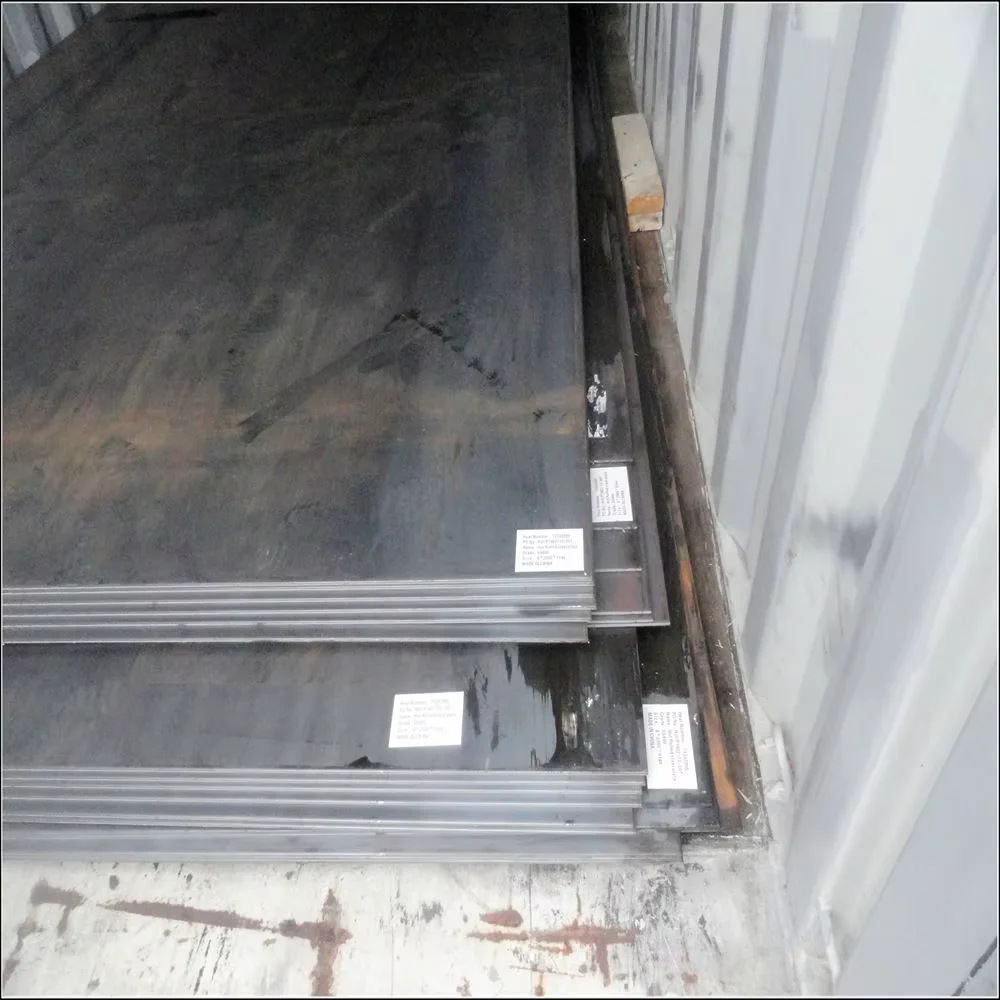
- Hot rolled A572 GR.50 plates bundled with steel strips and edge protectors to prevent coating damage and edge deformation during ocean transit
- Seaworthy packaging with waterproof wrapping for 3–20mm thin plates to prevent surface rust before fabrication
- Container loading optimization for 20ft and 40ft units, with weight distribution plans for 100–200mm heavy plates to meet port crane limits
- Custom cut-to-length service available, reducing on-site cutting waste and fitting time at the erection stage
- Heat number and steel grade stenciled on each plate for site identification and QA traceability
- FOB, CIF, and DDP shipping terms with professional export documentation handling
Start Your A572 GR.50 Plate Procurement
Submit your specification sheet — thickness, width, length, steel grade, quantity, and destination port — and receive a factory-direct quotation with mill test certificate commitment within 12 hours. We handle non-standard thickness requests, third-party inspection coordination, and consolidated container loading so your project stays on schedule.
Request Factory-Direct Pricing & Mill Test Certificates
Send your plate specifications and quantity to our sales team for a bulk quotation with full documentation.
Mobile / WhatsApp / WeChat: +86 188 5315 7756
Email: admin@sdxinjiyuan.com
Website: www.sdxinjiyuan.com
Frequently Asked Questions
Q: What is the equivalent grade mapping between A572 GR.50, Q345B, and S355JR?
A: A572 GR.50 (ASTM) has a minimum yield strength of 345 MPa, which aligns closely with Q345B (GB/T 1591) and S355JR (EN 10025-2) in terms of yield class. Chemical composition ranges differ slightly across standards, so for projects requiring formal equivalence, we provide cross-reference documentation and can supply plates tested to your specified standard.
Q: Can you provide third-party inspection (SGS/BV) before shipment?
A: Yes. SGS and BV third-party inspections are available on request. We coordinate the inspection schedule with your nominated agency at our facility before container loading, and the inspection report is included in your shipping document package.
Q: What is the MOQ for custom thickness and size steel plates?
A: Trial orders start from 1 ton. Standard thicknesses in the 3–200mm range are held in ready stock for immediate dispatch. Custom non-standard thickness or cut-to-size orders typically require typical production lead times depending on specification complexity.
Q: How do you ensure plate quality traceability and mill test certificate authenticity?
A: Every plate is stamped with its heat number at the mill. The original mill test certificate — not a copy or re-issued document — travels with the shipment, linking chemistry and mechanical test results to that specific heat. Our ISO 9001:2015 system maintains full production and inspection records for audit.
Q: What are the packaging and loading options for 3–200mm heavy plates?
A: Thin plates (3–20mm) receive waterproof wrapping and steel strip bundling to prevent surface rust and edge damage. Heavy plates (50–200mm) are loaded with weight distribution plans optimized for container or breakbulk vessel limits. We provide loading photos and weight certificates before vessel departure.