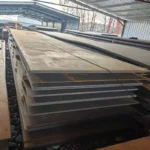
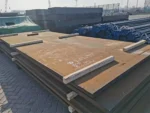
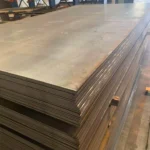
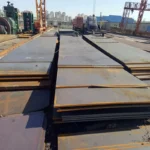
Description
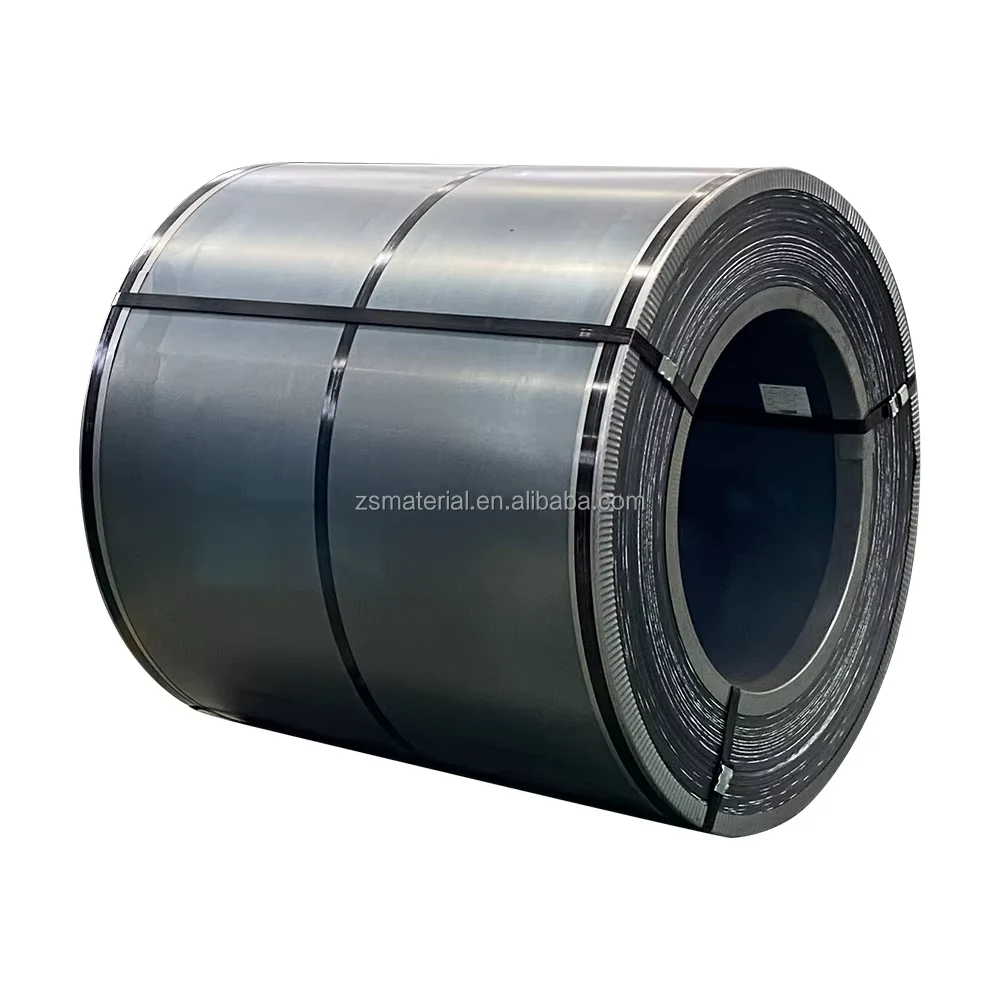
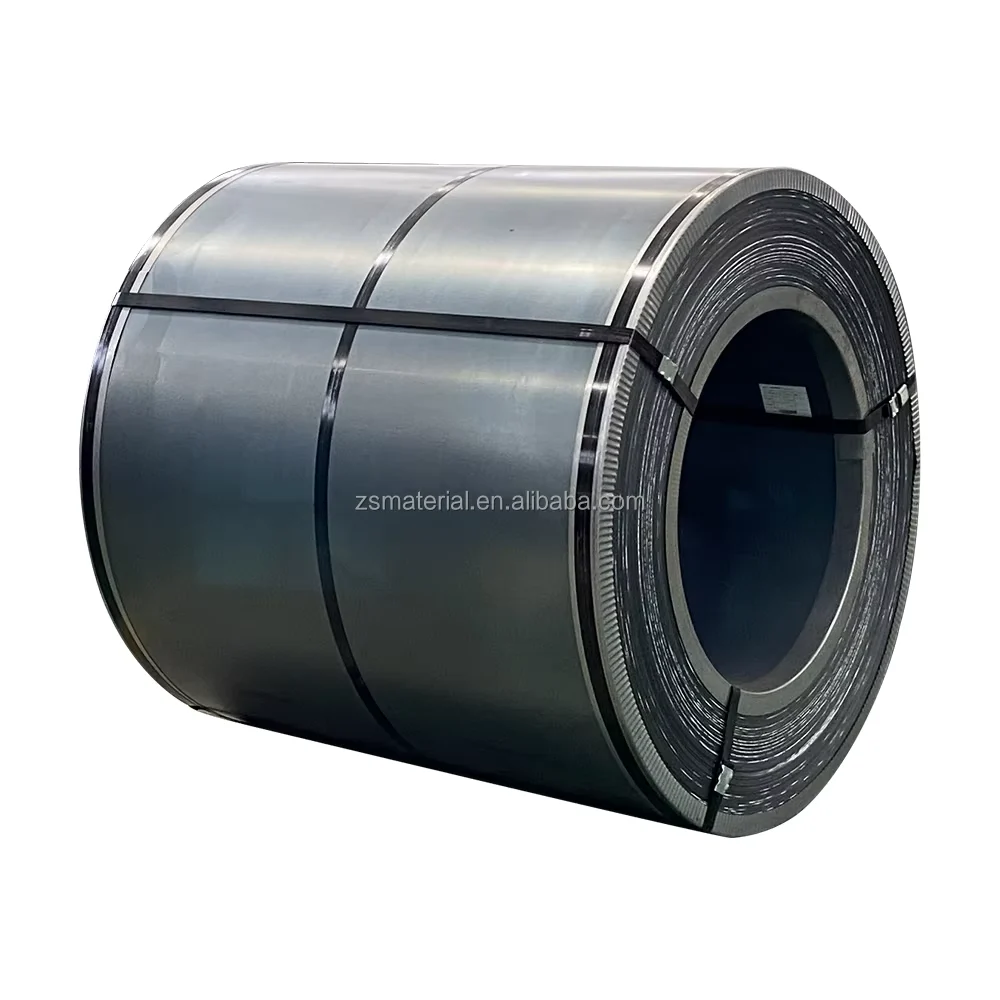
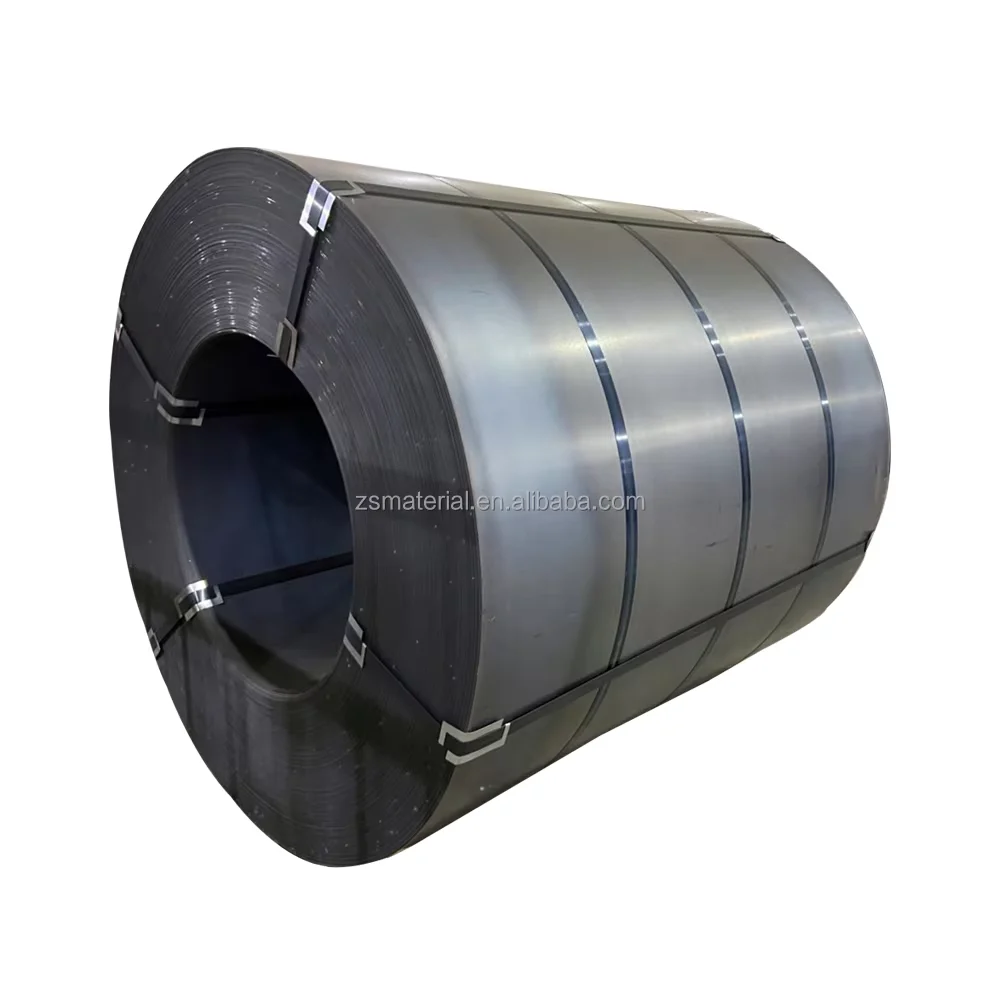
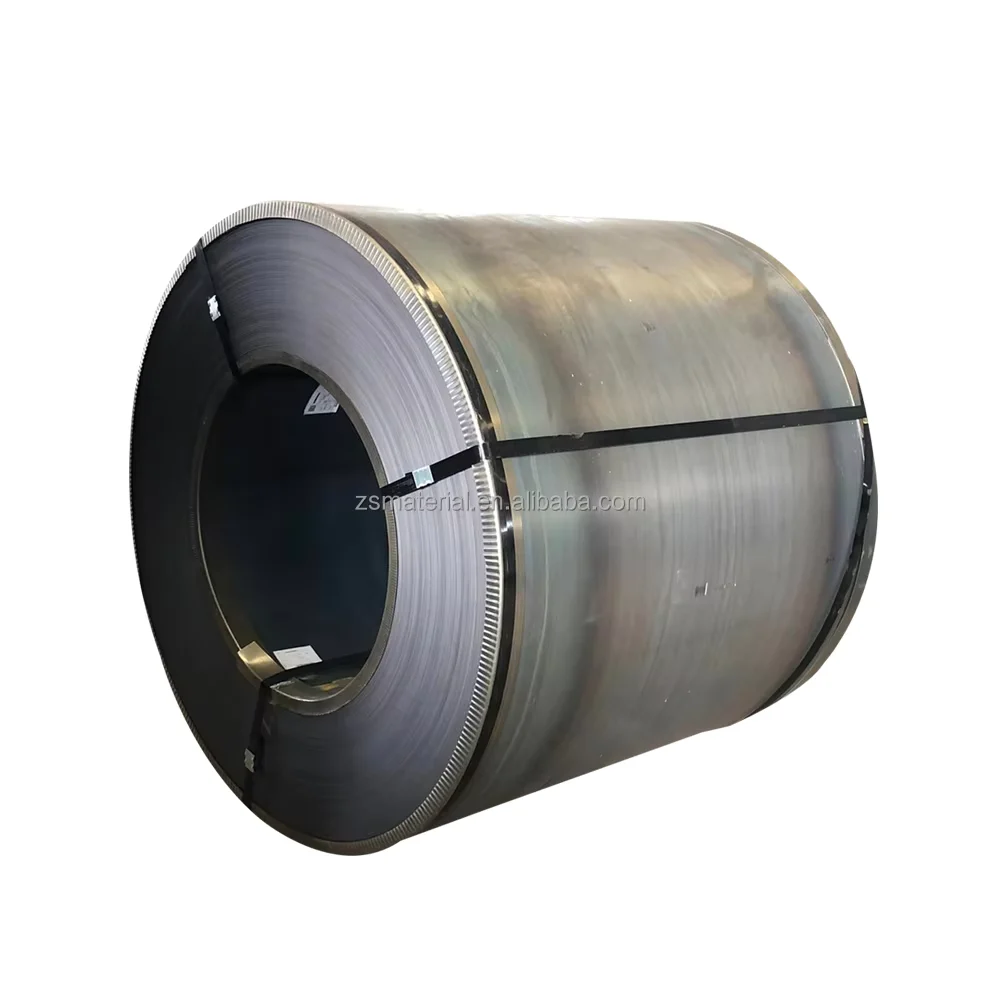
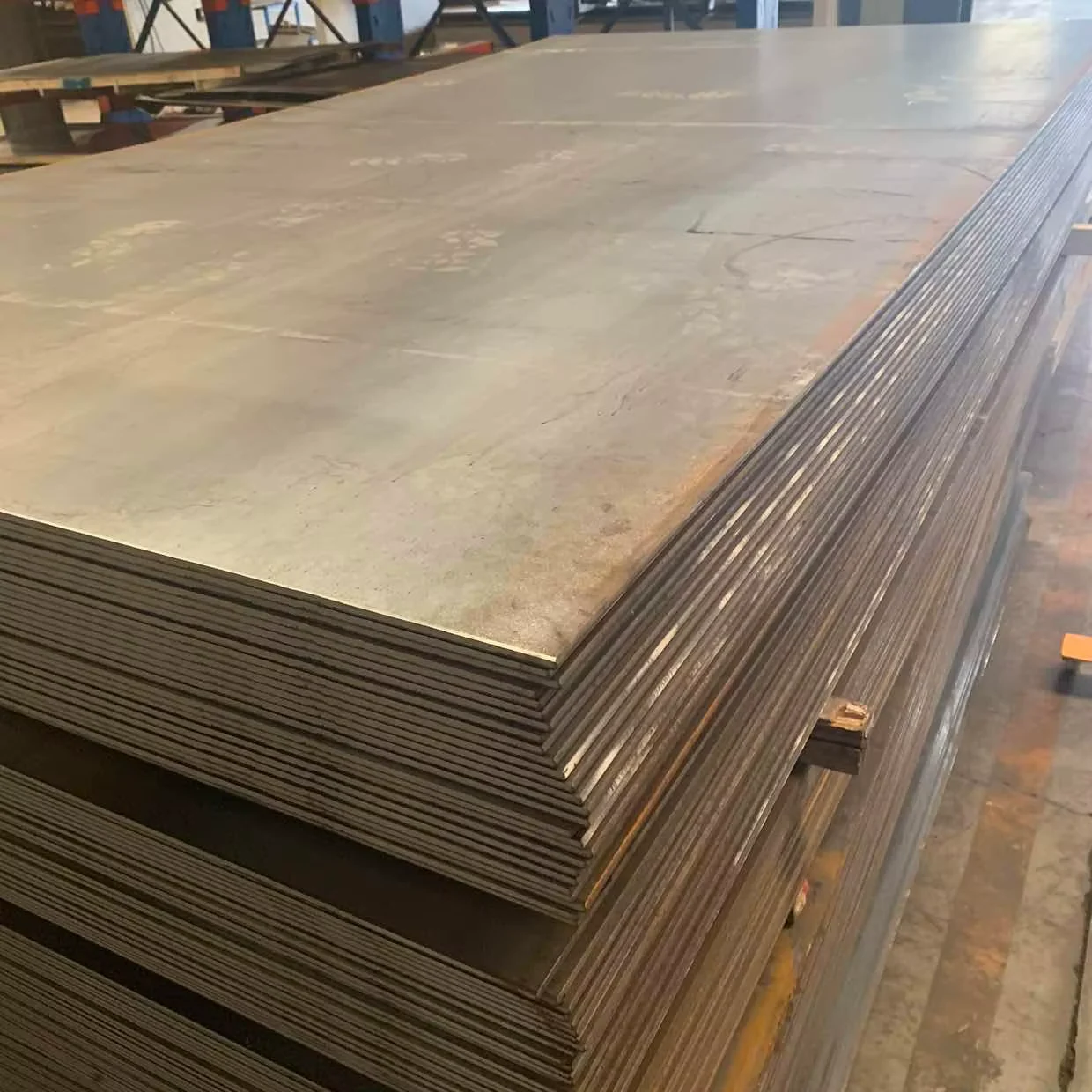
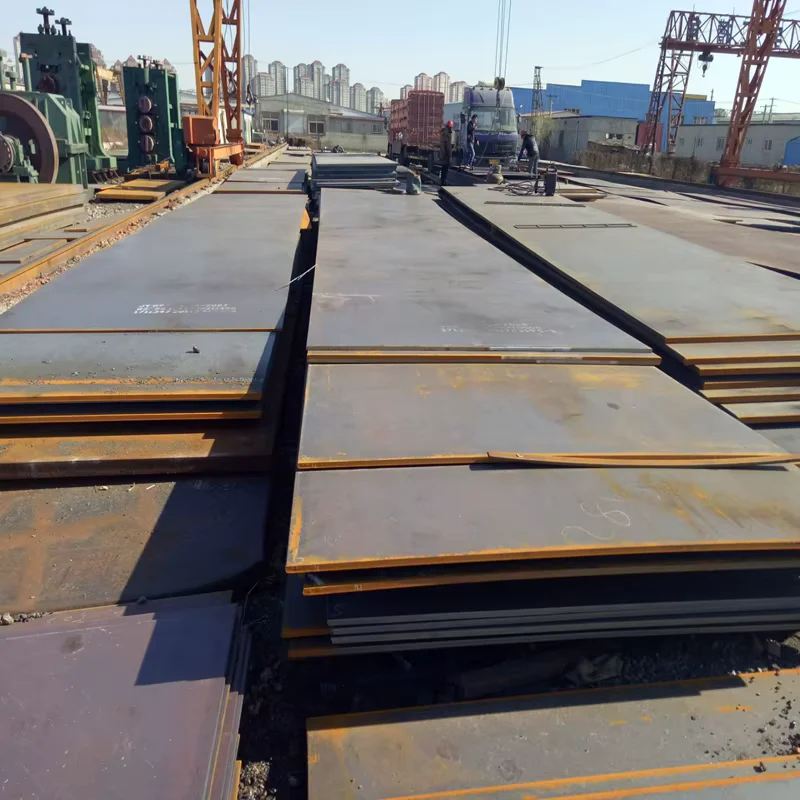
Factory-Direct Hot Rolled Steel Plate Supply — Every plate ships with original mill test certificates and ISO 9001 / CE documentation, priced directly from our Jinan production lines with no trading markup.
Technical Specifications
| Parameter | Value |
|---|---|
| Designation | A36 / S235JR / S355JR / St37-2 Hot Rolled Steel Plate |
| Product Type | Steel Plate |
| Steel Grade | A36, S235JR, S355JR, St37-2, Q235, Q345, SS400, Q195, Q460, SS330, SS540, 08KP, 08YU, ST12, ST13, ST14, SPHC, SPHD, SPHE |
| Standard | AISI, ASTM, BS, DIN, GB, JIS |
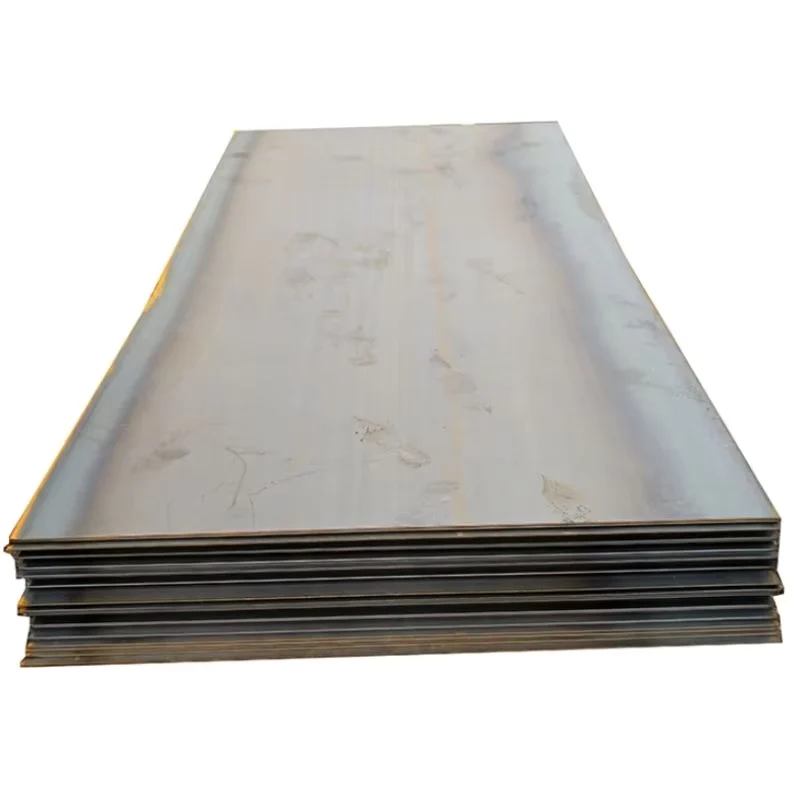
| Section Shape | Flat plate |
| Size Range | Thickness 0.35–200 mm; Width 1000–2500 mm; Length 2000–12000 mm |
| Technique | Hot Rolled / Cold Rolled |
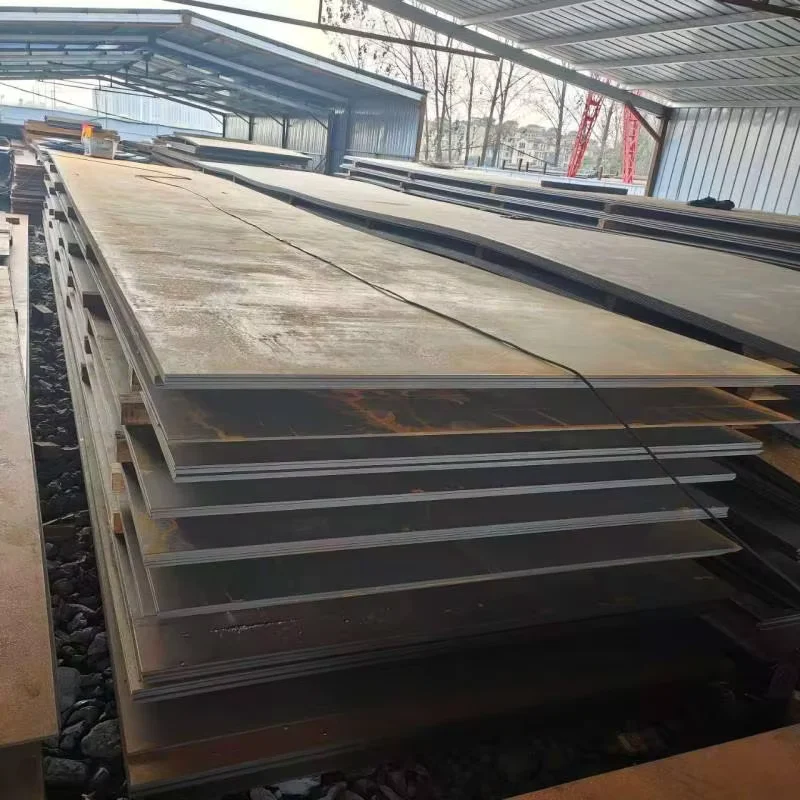
| Surface Treatment | Black (as-rolled) |
| Tolerance | ±1% |
| Processing Service | Bending, Welding, Decoiling, Cutting, Punching |
| Application | Shipbuilding, Container manufacturing, Bridge construction, Boiler and pressure vessels, Petrochemical equipment, Machinery manufacturing, Transportation structures |
| MOQ | 1 Ton |
| Origin | Shandong, China |
Application Suitability
| Industry | Typical Applications |
|---|---|
| Shipbuilding & Offshore | Hull plating, deck structures, bulkhead panels for cargo vessels and offshore platforms |
| Container Manufacturing | Side wall panels, corner castings, floor cross members for ISO shipping containers |
| Bridge & Infrastructure | Girder web plates, gusset plates, deck stiffeners for highway and railway bridges |
| Petrochemical & Energy | Pressure vessel shells, heat exchanger baffles, storage tank bottoms |
| Construction & Structural | Column base plates, beam splice plates, embedded anchor plates in concrete foundations |
| Machinery & Transport | Crane boom side plates, truck chassis cross members, excavator bucket liners |
What Steel Grade Equivalence Costs You on a Container Plate Order
A36, S235JR, and Q235 are not interchangeable — and misreading the equivalence table is the single most common reason container plate orders get rejected at destination port.
When a West African buyer received a container load of Q235 plates stamped as S235JR on the commercial invoice, the entire shipment was held at customs for three weeks because the mill test certificate showed carbon content outside the EN 10025-2 envelope for S235JR. The re-export cost more than the original freight. [NEED_CITE: steel grade equivalence between EN 10025 and ASTM A36 standards]
This is not a rare edge case. Buyers sourcing hot rolled mild steel plate A36 S235JR S355JR supplier from fragmented channels frequently discover — after the container arrives — that the chemical composition does not match the standard printed on the certificate. The root cause is almost always a supplier who treated “equivalent grade” as a marketing term rather than a metallurgical commitment.
How Thickness Range Determines Structural Role in Container and Bridge Fabrication
A 0.35 mm hot rolled plate and a 200 mm plate serve fundamentally different engineering functions, yet both fall under the same product family. Container side walls require thin-gauge S235JR or SPHC material that can be roll-formed into corrugated profiles without cracking, while bridge girder web plates demand Q345 or S355JR at 20–60 mm thickness to carry concentrated wheel loads. The ±1% thickness tolerance on our hot rolled mild steel plate A36 S235JR S355JR supplier range means a 10 mm plate arrives between 9.9 mm and 10.1 mm — tight enough for CNC plasma cutting programs that assume nominal thickness, and verified by ultrasonic measurement at our in-house lab before each shipment.
Engineering Compliance: EN, ASTM, and GB Standards Across Procurement Regions
European EPC contractors specifying EN 10025-2 S235JR or S355JR need CE certification under EN 10210/EN 10219 to clear EU customs — a document our production lines carry as standard, not as a paid add-on. [NEED_CITE: EN 10219 cold-formed and hot-formed structural hollow section compliance requirements] North American buyers purchasing A36 plate under ASTM A36/A36M require mill test certificates showing chemical composition and tensile results traceable to the heat number. Chinese domestic projects calling for Q235B or Q345B under GB/T 709 follow a parallel documentation path. The critical point: each standard has distinct requirements for elongation, impact testing temperature, and sulfur/phosphorus limits. A plate that passes GB/T 709 for Q235B may fail ASTM A36 on elongation. Confirming standard compliance before order placement avoids the expensive discovery that your plates cannot be welded to the procedure qualified for the specified grade. [NEED_CITE: ASTM A36 vs EN 10025 S235JR mechanical property comparison]
Decoding the Grade System: Why Q235, S235JR, and A36 Coexist in Global Procurement
The coexistence of Chinese GB, European EN, and American ASTM grade designations for essentially similar carbon-manganese steels reflects regional standardization history, not metallurgical difference. Q235 (GB/T 709) and S235JR (EN 10025-2) both target a minimum yield strength in the 235 MPa class, but S235JR adds a Charpy impact requirement at 27 J at +20°C that Q235B does not mandate. A36 (ASTM A36) specifies minimum tensile strength of 400–550 MPa and yield at 250 MPa minimum — slightly higher yield than the 235 MPa class, which matters when the structural calculation runs close to the limit state. Our hot rolled mild steel plate A36 S235JR S355JR supplier inventory covers all three systems simultaneously, so a single container can carry mixed grades for multi-standard projects without splitting orders across suppliers. The hot rolled black surface finish is the as-rolled mill condition — suitable for further coating (primer, epoxy, zinc-rich paint) or direct use in non-exposed structural applications where appearance is secondary to dimensional accuracy and weldability.
The Hidden Cost of Accepting “Equivalent” Without Verification
When a buyer accepts a supplier’s claim that a plate is “equivalent to S355JR” without demanding a mill test certificate traceable to the specific heat number, the risk is not theoretical. [NEED_CITE: consequences of non-conforming steel in structural welding applications] Welding procedures qualified for S355JR assume specific carbon equivalent ranges. If the actual plate has higher carbon or manganese than the S355JR envelope, the preheat temperature calculated for S355JR may be insufficient — leading to hydrogen-induced cracking in thick-section welds. The failure may not appear during fabrication; it may surface months later under cyclic loading. Customs authorities in the EU, Middle East, and Southeast Asia increasingly reject steel shipments where the mill test certificate does not match the declared grade or lacks heat-level traceability. The cost of rejection — demurrage, re-export, or destruction — dwarfs the price difference between a verified plate and an unverified one.
Why Project Buyers Source Hot Rolled Plate From Our Jinan Lines
Our three production lines in Jinan run simultaneously at over 20,000 tons monthly capacity, covering the full 0.35–200 mm thickness range in A36, S235JR, S355JR, Q235, Q345, and SS400 grades — meaning a single purchase order for mixed-spec container plates and bridge gussets consolidates into one shipment with unified documentation. Every plate leaves the mill with an original mill test certificate showing chemical composition and mechanical properties tied to the heat number; SGS or BV third-party inspection is available for buyers who require independent verification before loading. We hold CE certification under EN 10210/EN 10219 and ISO 9001:2015, so European and international project buyers receive customs-ready documentation without requesting special production runs. Standard sizes ship from ready stock for urgent requirements; custom-cut plates to your dimensional schedule turn around in typical production lead times. I personally oversee every container loading plan for plate shipments — after learning the hard way years ago that improper stacking without timber dunnage and lashing straps turns a 20-ton plate shipment into a rejected claim at destination port. Since then, every container leaves with a stamped loading diagram, and not a single plate shipment has arrived with edge deformation.
Documentation & Compliance
- Mill test certificate documenting A36 / S235JR / S355JR chemical composition, yield strength, tensile strength, and elongation per ASTM A36 / EN 10025-2 / GB/T 709, traceable to heat number
- CE certificate under EN 10210 / EN 10219 for hot rolled structural steel plates entering European Union markets
- ISO 9001:2015 quality management system certificate covering the full production and inspection process at Jinan facility
- SGS or BV third-party inspection report available upon request, covering dimensional verification, surface quality, and mechanical test witness
- Material traceability by heat number stamped on each plate edge, matching the mill test certificate
- Full customs documentation package: commercial invoice, packing list, bill of lading, and certificate of origin
Packaging, Loading & Delivery
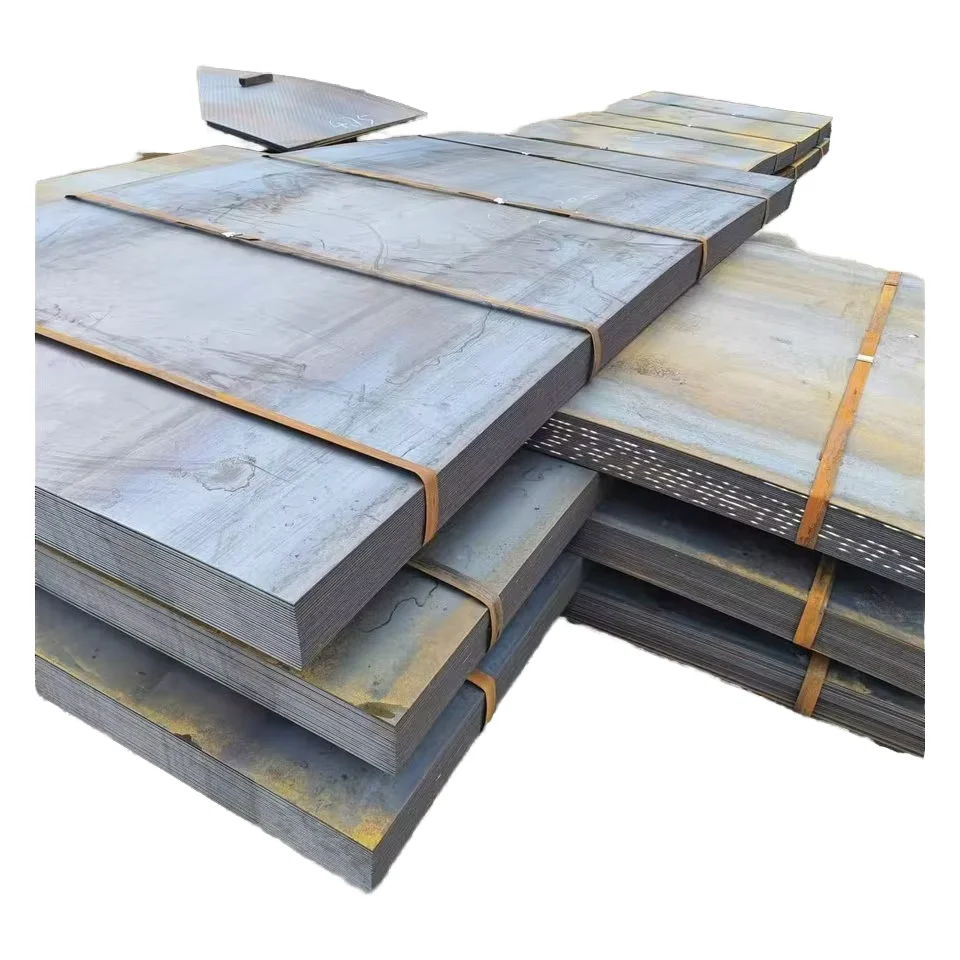
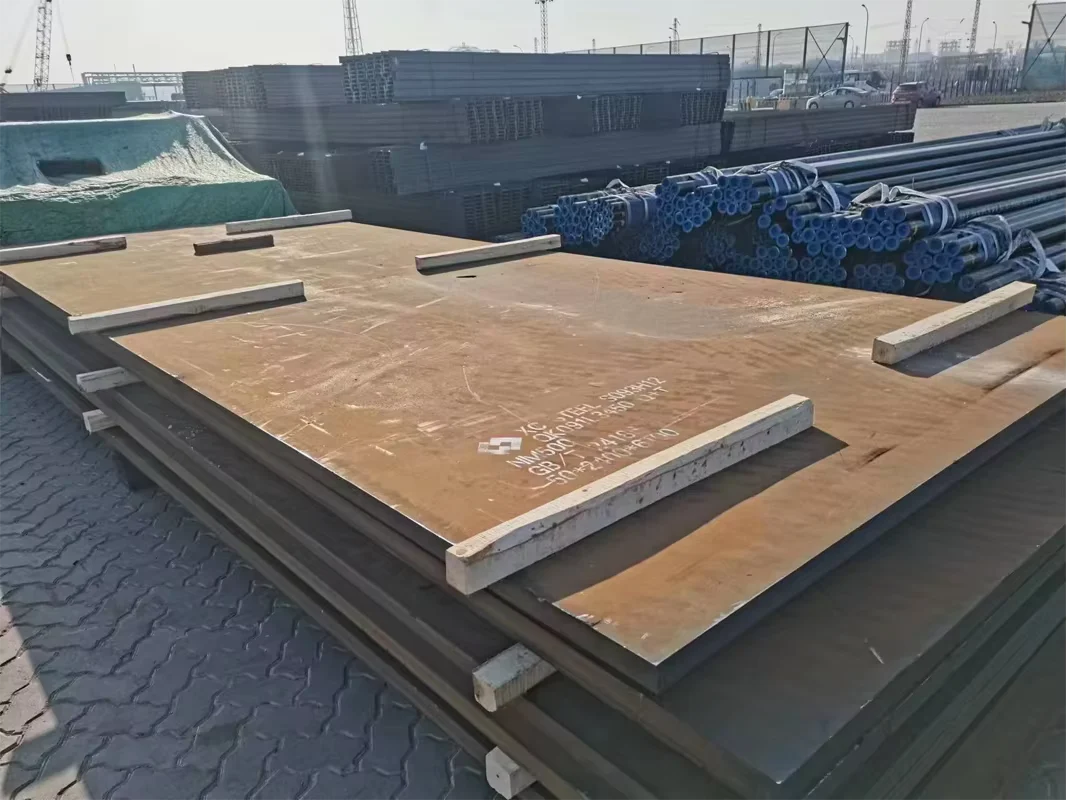
- Hot rolled black surface plates bundled with high-tensile steel straps at intervals matched to plate width, with timber dunnage between layers to prevent edge-to-edge contact damage during ocean transit
- Edge protectors applied to all four corners of each bundle to guard against forklift handling damage at port terminals and on-site laydown areas
- Container loading optimized per plate length: 6 m plates load end-to-end in 20ft containers; 12 m plates require 40ft open-top or flat-rack configuration with a stamped loading plan provided before departure
- Cut-to-size plates separated by grade and heat number within each bundle, with stencil marking showing steel grade (e.g., S355JR), thickness, width, length, and heat number on every top plate
- FOB Jinan/Tianjin/Qingdao ports or CIF to destination port; door-to-door DDP service available for project buyers requiring full logistics coordination
- Anti-rust oil applied to hot rolled black surfaces upon request for extended ocean transit periods or tropical destination climates
How to Request a Grade-Verified Plate Quote With Mill Documentation
Send your dimensional schedule — thickness, width, length, steel grade, quantity, and destination port — and receive a quotation within 12 hours including FOB/CIF pricing, mill test certificate commitment, and confirmed production or ready-stock availability. For non-standard dimensions outside the 0.35–200 mm × 1000–2500 mm range, share your cutting drawing and we return a feasibility assessment with lead time. Buyers requiring SGS/BV third-party inspection before loading should confirm this at inquiry stage so the inspection window is built into the production schedule.
Frequently Asked Questions
Q: How do A36, S235JR, and Q235 compare in chemical composition and mechanical properties?
A: All three are carbon-manganese structural steels in the 235–250 MPa yield class, but they follow different standard systems — A36 under ASTM (USA), S235JR under EN 10025-2 (Europe), and Q235 under GB/T 709 (China). S235JR includes a Charpy impact energy requirement at +20°C that Q235B does not mandate, and A36 specifies a slightly higher minimum yield at 250 MPa. Each grade requires its own mill test certificate format; we supply the correct certificate for the standard you specify.
Q: What documentation is included with each shipment, and can SGS/BV inspect before loading?
A: Every shipment includes an original mill test certificate showing chemical composition and mechanical properties traceable to the heat number, along with commercial invoice, packing list, bill of lading, and certificate of origin. SGS or BV third-party inspection can be arranged at our facility before container loading — confirm this at the inquiry stage so we schedule the inspection hold point.
Q: What is the MOQ for cut-to-size plates versus full-size stock plates?
A: The minimum order quantity is 1 ton for both stock sizes and custom-cut plates. Standard sizes in A36, S235JR, S355JR, and Q235 ship from ready stock; custom dimensions within the 0.35–200 mm thickness and 1000–2500 mm width range are produced to your schedule with typical production lead times.
Q: When should I specify hot rolled black finish versus galvanized or painted?
A: Hot rolled black (as-rolled) is the standard mill finish, suitable for structural applications where the plate will be further coated on-site or used in non-exposed environments. If the plate will be exposed to corrosive environments without post-fabrication coating, specify galvanized or painted finish at inquiry stage — we can coordinate the surface treatment as part of the processing service.
Q: Do CE and EN certificates meet EU import requirements for structural steel plates?
A: Yes. Our CE certification under EN 10210 and EN 10219 covers hot rolled structural steel plates and satisfies EU construction product regulation requirements for customs clearance. Each shipment includes the CE declaration of conformity and the mill test certificate formatted to EN 10204 3.1 standards.
Request Your Hot Rolled Steel Plate Quote With Full Mill Documentation
Submit your plate dimensions, steel grade, quantity, and destination port to receive a factory-direct quotation with mill test certificate commitment within 12 hours.
Shandong Xin Jiyuan Special Steel Tube Co., Ltd
Tel: +86 531 8573 6315
Mobile / WhatsApp / WeChat: +86 188 5315 7756
Email: admin@sdxinjiyuan.com
Address: No.11889, Jingshi West Road, Lulian Group, Jinan City, Shandong Province, China