Description
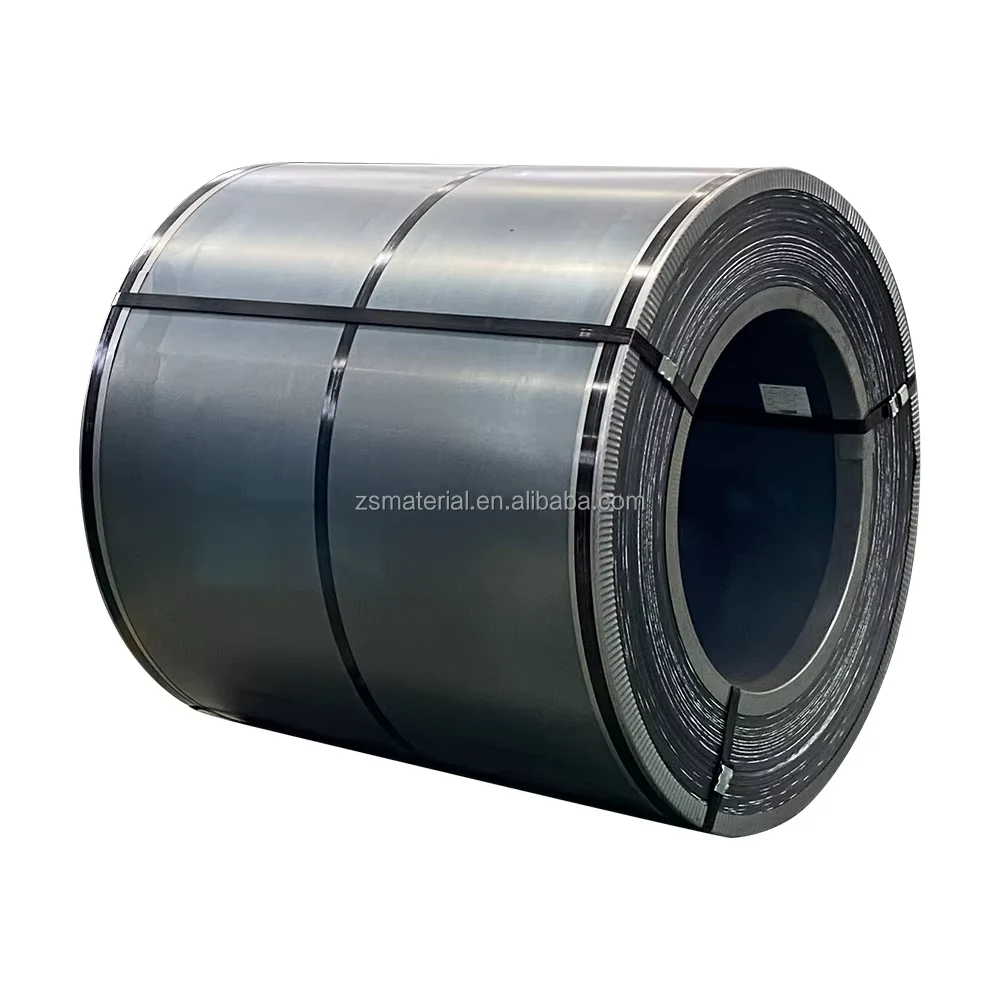
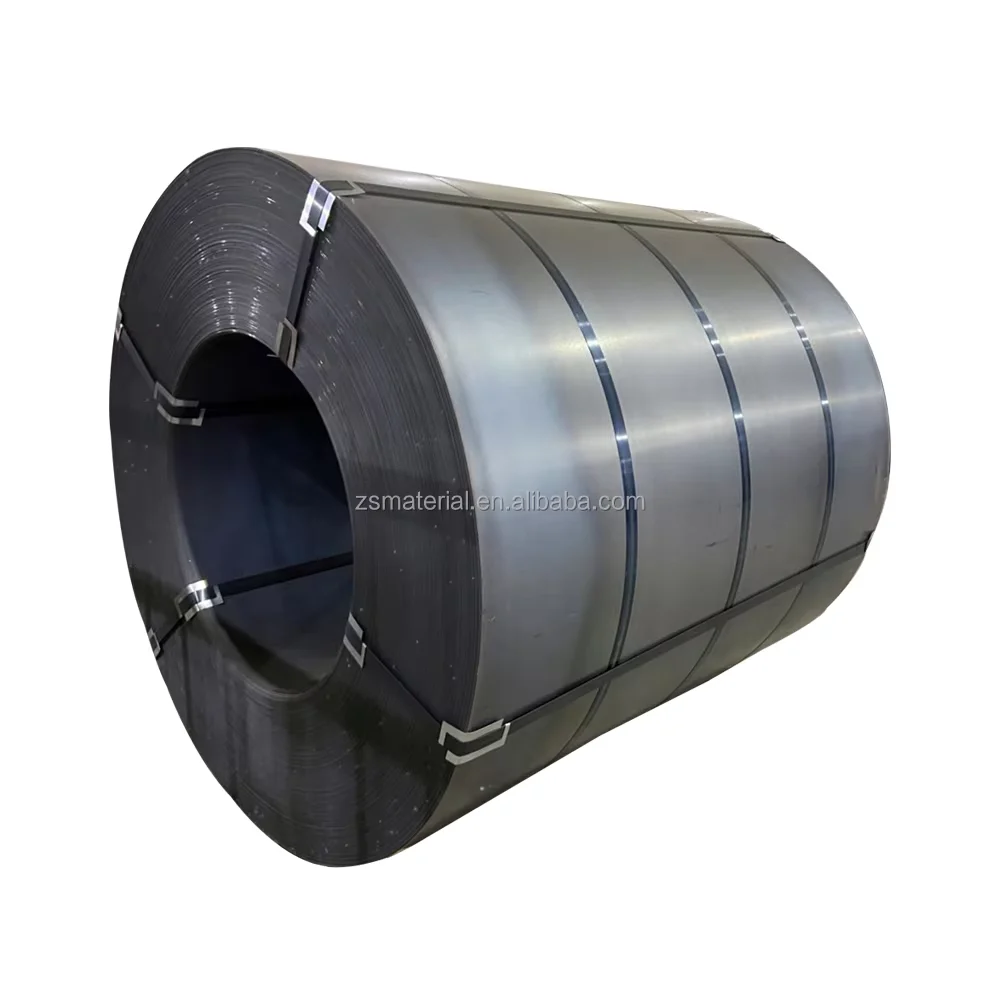
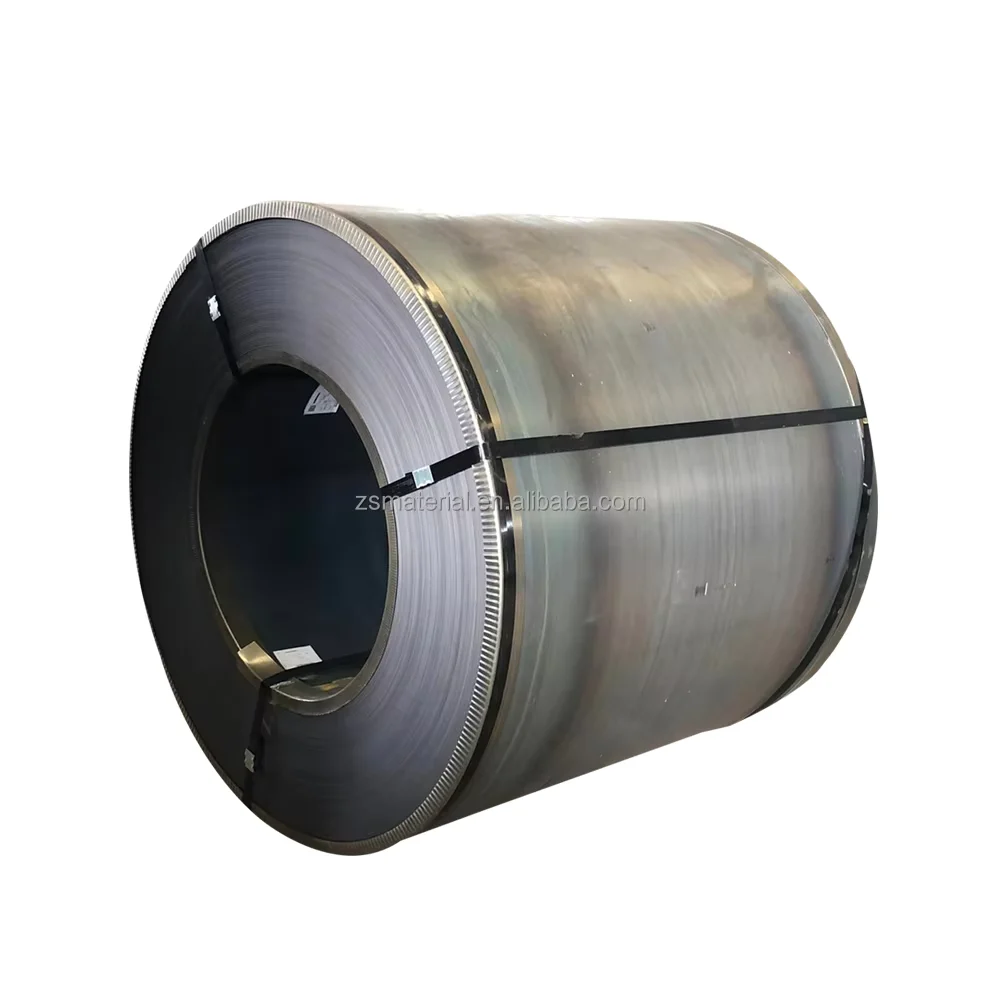
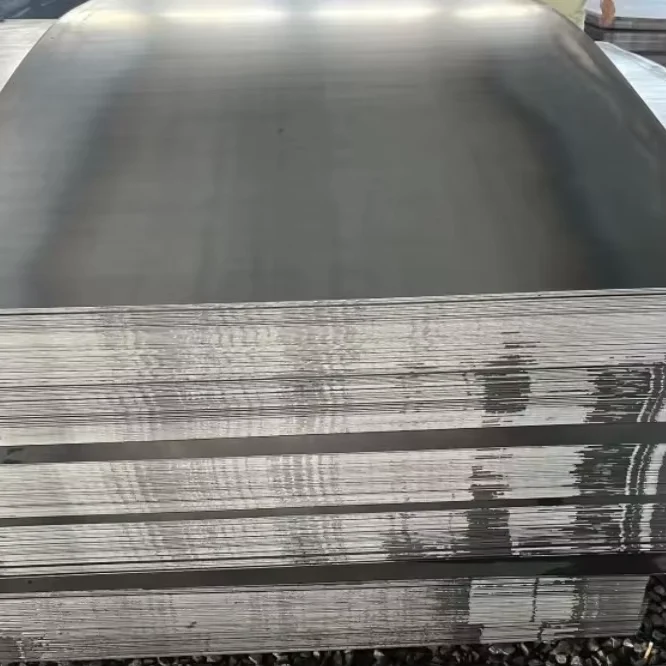
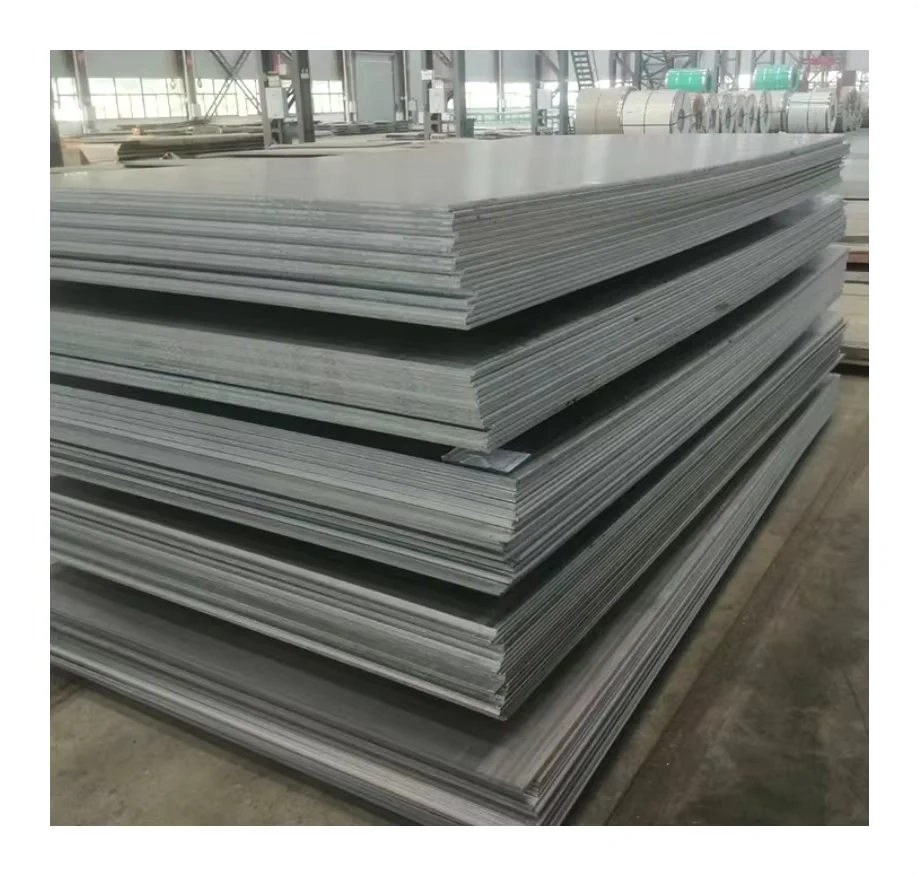
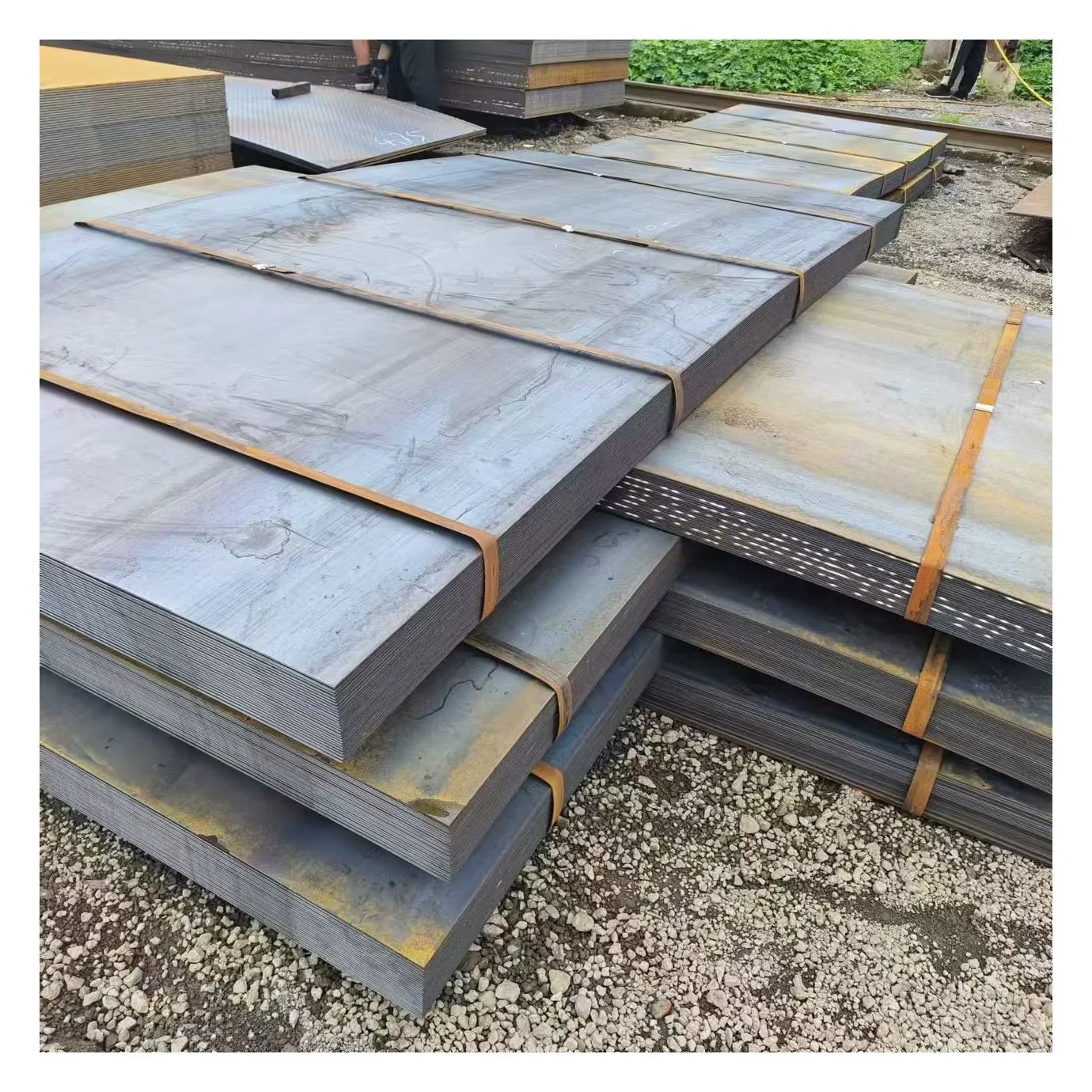
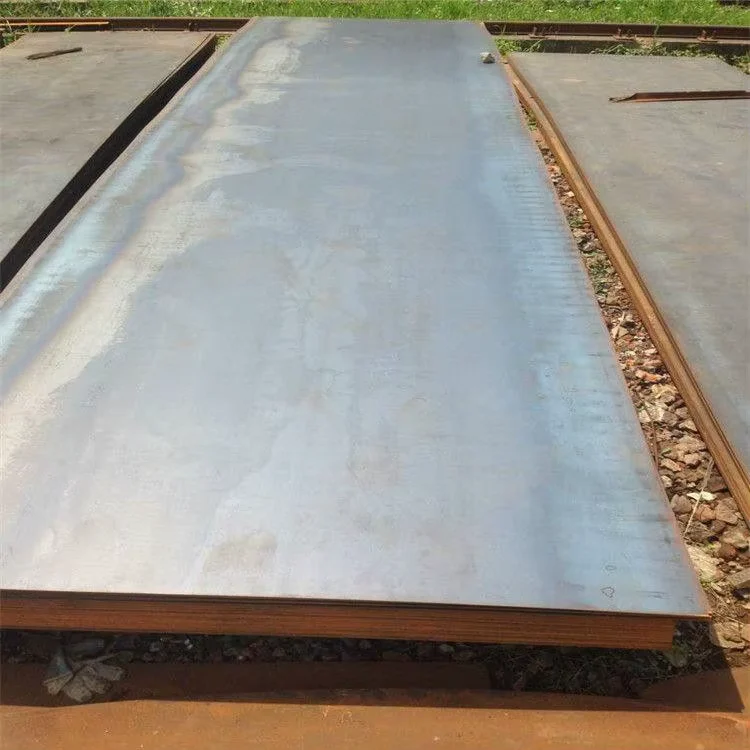
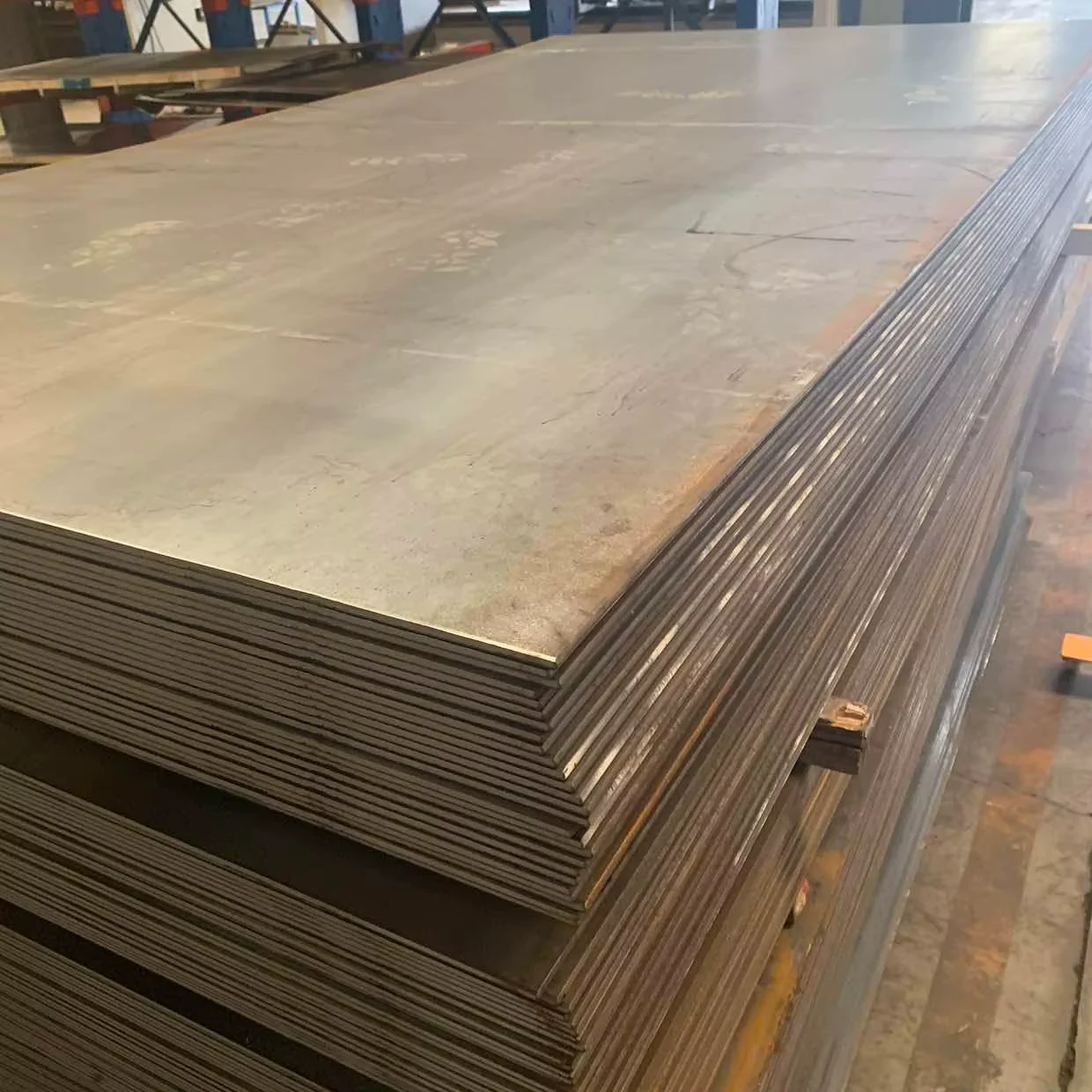
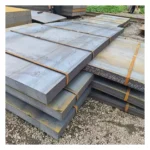
Factory-Direct Hot Rolled Plates — Every A36 and S355JR plate rolls from our own mill with original heat-number traceability, no trading company markup.
Technical Specifications
| Parameter | Value |
|---|---|
| Designation | A36 Hot Rolled Carbon Steel Plate |
| Product Type | Steel Plate |
| Steel Grade | A36, S235JR, S355JR, St37-2, Q235, Q345, SS400, Q195–Q460 |
| Standard | AISI, ASTM, BS, DIN, GB, JIS |
| Section Shape | Flat Plate |
| Thickness | 0.35–200mm |
| Width | 1000–2500mm |
| Length | 2000–12000mm |
| Technique | Hot Rolled |
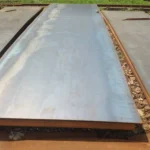
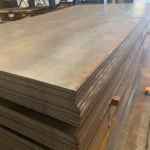
| Surface Treatment | Black (mill scale) |
| Tolerance | ±1% |
| Processing Service | Bending, Welding, Decoiling, Cutting, Punching |
| Application | Construction, Shipbuilding, Petrochemical, Machinery, Bridge, Pressure Vessel, Boiler |
| MOQ | 10 Ton |
| Origin | Shandong, China |
Application Suitability
| Industry | Typical Applications |
|---|---|
| Construction Engineering | Building frames, column base plates, structural gussets |
| Shipbuilding | Deck plating, hull stiffeners, bulkhead panels |
| Petrochemical | Tank farm foundation pads, pipe rack supports |
| Machinery Manufacturing | Equipment base plates, crane boom sections, conveyor frames |
| Bridge Construction | Girder splice plates, bearing pads, diaphragm plates |
| Pressure Vessels & Boiler | Shell plates, head blanks, manway reinforcement rings |
What Missing Mill Certificates Cost on a Structural Steel Order
A plate without a verifiable heat number is scrap the moment the inspector asks for traceability.
I have seen entire container loads of hot rolled plate held at destination port because the mill test certificate listed a different heat number than what was stamped on the steel. Customs does not care about the supplier’s reputation — they care about the document matching the cargo [NEED_CITE: EN 10208 steel inspection requirements for pipeline and structural applications]. When you source an ASTM A36 hot rolled carbon steel plate from a trader who consolidates material from multiple small mills, you inherit their documentation gaps. The plate may physically meet the grade, but without an original MTC tied to the specific heat, your project engineer cannot sign off, and your payment release stalls.
How Thickness Tolerance Drives Structural Load Calculations
When a structural engineer specifies a 20mm S355JR plate for a column base, the ±1% tolerance means the delivered thickness could range from 19.8mm to 20.2mm. That margin matters when the connection design assumes full-section bearing. Our hot rolled plates are produced to the thickness range of 0.35–200mm with controlled rolling schedules, so the actual gauge stays within the tolerance band across the full 1000–2500mm width. For projects requiring ASTM A36 hot rolled carbon steel plate in pressure vessel or boiler applications, we supply material cut to your exact blank dimensions — bending, punching, and welding prep done at the mill, not on your job site.
Engineering Code Compliance and Grade Selection Across Standards
Structural projects often cross borders, and the grade specified on the drawing may not match the material available at the port. A36 under ASTM, S235JR under EN 10025, and Q235 under GB/T 700 occupy overlapping positions in the carbon steel hierarchy, but their chemical composition limits and impact testing requirements differ [NEED_CITE: steel grade equivalence between EN 10025 and ASTM A36]. For EU-bound shipments, CE marking per EN 10210/10219 is mandatory for structural hollow sections, and the plate material feeding those sections must carry matching traceability. We roll plates to ASTM, EN, GB, and JIS standards from the same production lines, with the chemical composition and mechanical properties documented per the specific standard your project engineer requires. For shipbuilding applications, the black mill scale surface is suitable for primer adhesion after blast cleaning, while petrochemical tank farms may require additional surface treatment coordination.
Why Hot Rolled Carbon Steel Behaves Differently Than Cold-Formed or Galvanized Alternatives
Hot rolling above the recrystallization temperature produces a plate with uniform grain structure through the thickness, which is why A36 and S355JR remain the default grades for welded structural connections — the weld zone and base metal respond predictably to the same thermal cycle. The black mill scale surface is not a corrosion protection layer; it is iron oxide formed during cooling and must be removed before painting or galvanizing if the plate will serve in exposed environments. For thicknesses above 40mm, the cooling rate differential between surface and core affects the final microstructure, which is why heavier plates in Q345 or S355JR often require normalized delivery conditions to restore toughness — a detail that generic stockists overlook when quoting “S355” without specifying the delivery condition. The width range of 1000–2500mm covers most standard nesting layouts for structural fabrication, reducing offcut waste on the shop floor.
The Hidden Cost of Buying Plates Without Verified Traceability
When a supplier delivers A36 plate with a mill test certificate that cannot be traced back to the original heat number, the cost is not just the material replacement. The engineering team must re-verify the entire batch, the weld procedures may need requalification, and the project timeline absorbs delays that no volume discount can offset [NEED_CITE: structural steel traceability requirements under AISC and EN 1090]. Plates with inconsistent carbon content — a common issue when small mills blend scrap without proper ladle analysis — produce weld cracks that do not appear until the structure is loaded. By then, the plate is already bolted or welded into the frame, and the remediation cost dwarfs the original purchase price.
Why Project Buyers Source ASTM A36 Hot Rolled Carbon Steel Plate From Us
We operate three production lines running simultaneously with a monthly capacity exceeding 20,000 tons, meaning your 10-ton trial order and your 500-ton project schedule roll from the same mill with the same quality protocol. Every plate leaves our facility with an original mill test certificate showing chemical composition and mechanical properties tied to the specific heat number — no consolidated certificates from mixed batches. Our in-house laboratory conducts three-stage inspection before shipment, and we welcome SGS or BV third-party inspection at the loading stage. For buyers consolidating plates, beams, and tubes into a single project shipment, we handle the container loading optimization across all product categories, reducing the number of containers and the freight cost per ton. We have served steel traders and project buyers across 50+ countries since 2013, and our export team manages the full documentation package — from commercial invoice to certificate of origin — so your customs clearance does not depend on chasing emails.
Documentation & Compliance
- Mill Test Certificate documenting A36, S235JR, or S355JR chemical composition and mechanical properties per ASTM A36 or EN 10025, with heat number traceability
- CE certificate per EN 10210/10219 for structural steel plates entering EU markets, with FPC factory production control documentation
- ISO 9001:2015 quality management certificate covering the full production and inspection process
- SGS or BV third-party inspection report available upon request, covering dimensional verification and surface condition
- Material traceability by heat number stamped on each plate, matching the mill test certificate
- Customs documents including packing list, bill of lading, and certificate of origin formatted for destination port requirements
Packaging, Loading & Delivery
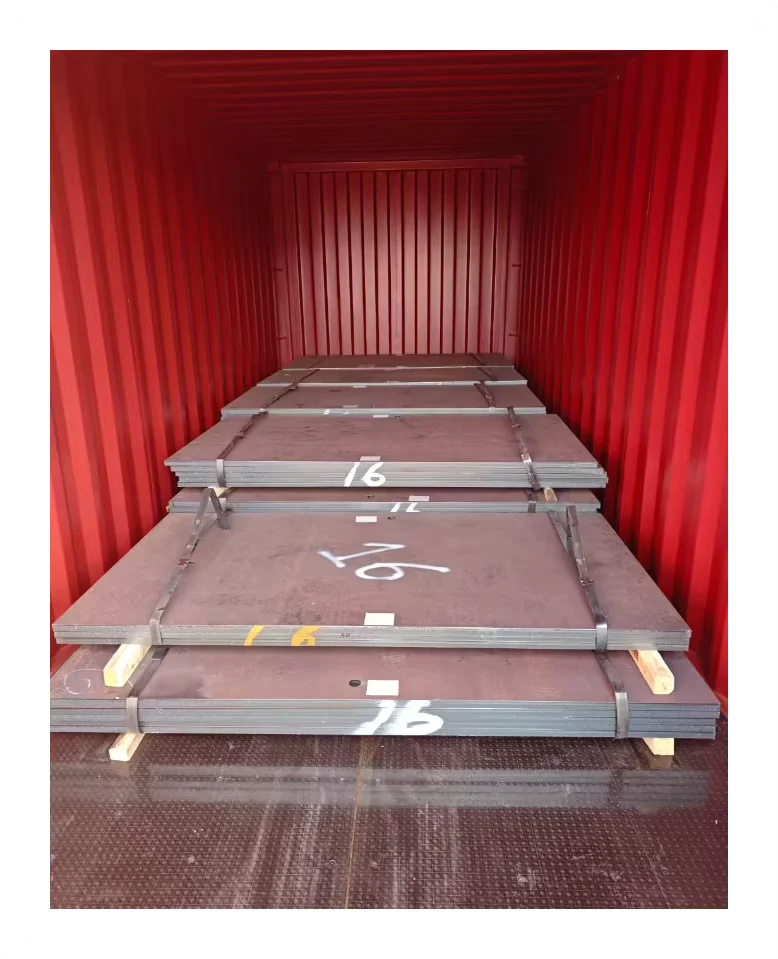
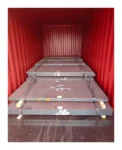
- Hot rolled carbon steel plates bundled with steel strips and edge protectors, sized to match the 2000–12000mm length range for container or breakbulk loading
- Black mill scale surface preserved with anti-rust oil coating during ocean transit, preventing flash corrosion before arrival at the project site
- Container loading optimized by our export team, combining plates of varying thickness from 0.35mm to 200mm to maximize weight utilization within the 10-ton MOQ and above
- Custom cutting to project-specific dimensions available before shipment, with kerf tolerance documented on the packing list
- Heat number and steel grade stenciled on each plate for on-site identification, matching the mill test certificate and packing list
- FOB, CIF, and DDP shipping terms available, with door-to-door logistics coordination for project sites inland from the discharge port
How to Request a Quote With Full Material Traceability
Submit your specification sheet — including steel grade, thickness, width, length, quantity, and destination port — and receive a competitive bulk quote within 12 hours, complete with the mill test certificate format and third-party inspection options. For non-standard dimensions or custom cutting requirements, our engineering team will confirm feasibility and lead time before you commit to the order.
Request Your ASTM A36 Hot Rolled Carbon Steel Plate Quote
Send your specifications via email or WhatsApp to receive factory-direct pricing, original mill test certificates, and a complete export documentation package.
Company: Shandong Xin Jiyuan Special Steel Tube Co., Ltd
Tel: +86 531 8573 6315
Mobile/WhatsApp/WeChat: +86 188 5315 7756
Email: admin@sdxinjiyuan.com
Website: www.sdxinjiyuan.com
Frequently Asked Questions
Q: What is the difference between A36, S235JR, and Q235 steel grades for structural plate applications?
A: A36 (ASTM), S235JR (EN 10025), and Q235 (GB/T 700) are all low-carbon structural steels with similar yield strength ranges, but they differ in chemical composition limits, impact testing temperatures, and documentation requirements. A36 is standard for North American projects, S235JR for European markets requiring CE marking, and Q235 for domestic Chinese or cost-sensitive international projects. We supply all three grades with original mill test certificates matching the specific standard your project requires.
Q: Can you provide third-party inspection for ASTM A36 hot rolled carbon steel plate before shipment?
A: Yes, we welcome SGS or BV third-party inspection at our facility before container loading. The inspection covers dimensional verification, surface condition, and chemical composition sampling, with the report issued directly to your project team. This is standard practice for buyers requiring independent verification beyond our in-house mill test certificates.
Q: What is the minimum order quantity for custom-cut plates in non-standard thickness?
A: The standard MOQ is 10 tons. For custom thickness outside the 0.35–200mm range or non-standard width and length, we can accommodate trial orders starting from 1 ton, with production lead time confirmed after reviewing your specification. Custom cutting, bending, and punching services are available before shipment.
Q: How do you ensure the mill test certificate matches the actual plates delivered?
A: Every plate is stamped with the heat number at the rolling stage, and the mill test certificate documents the chemical composition and mechanical properties for that specific heat. Our three-stage inspection verifies that the heat number on the plate matches the certificate before packaging. For mixed-batch orders, each heat is documented separately on the packing list.
Q: Do your hot rolled plates meet CE marking requirements for EU construction projects?
A: Yes, we hold CE certification per EN 10210/10219 and FPC factory production control certification. For structural steel plates entering EU markets, we provide the CE declaration of conformity, mill test certificates per EN 10025, and full customs documentation to support project compliance and customs clearance.