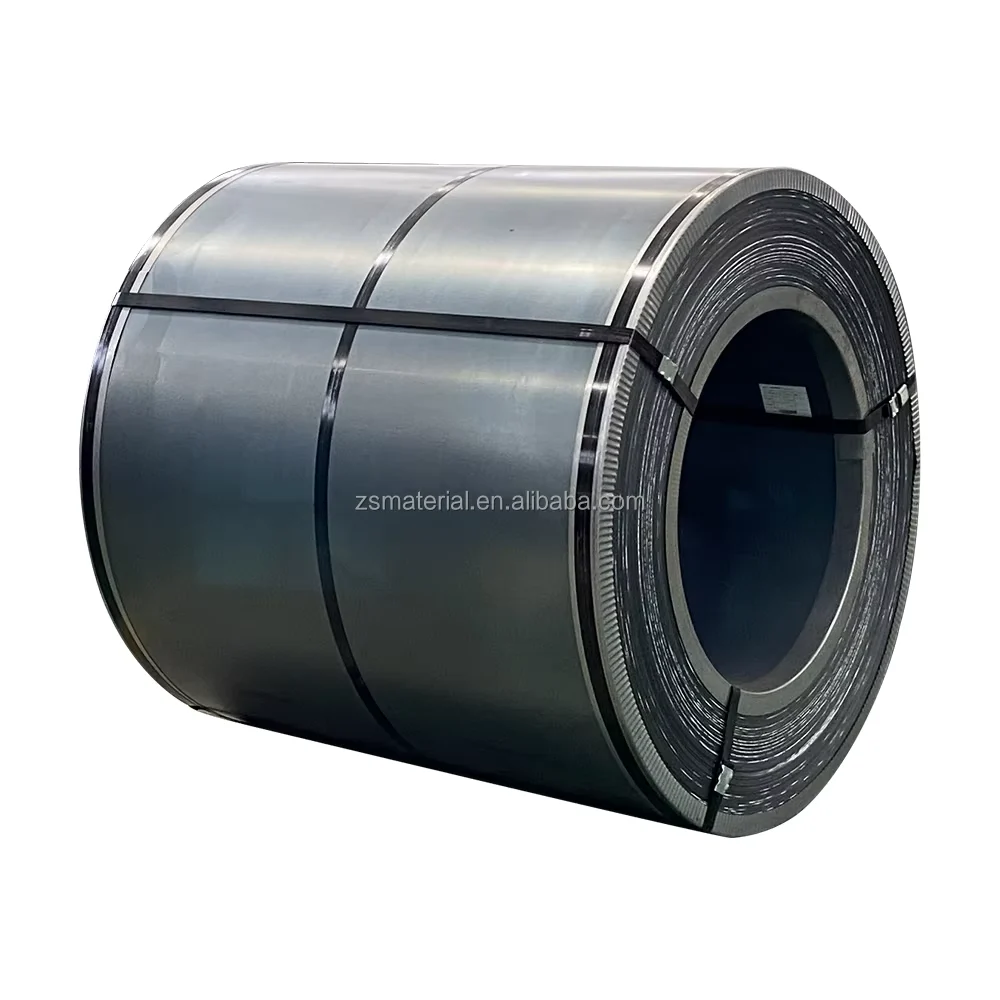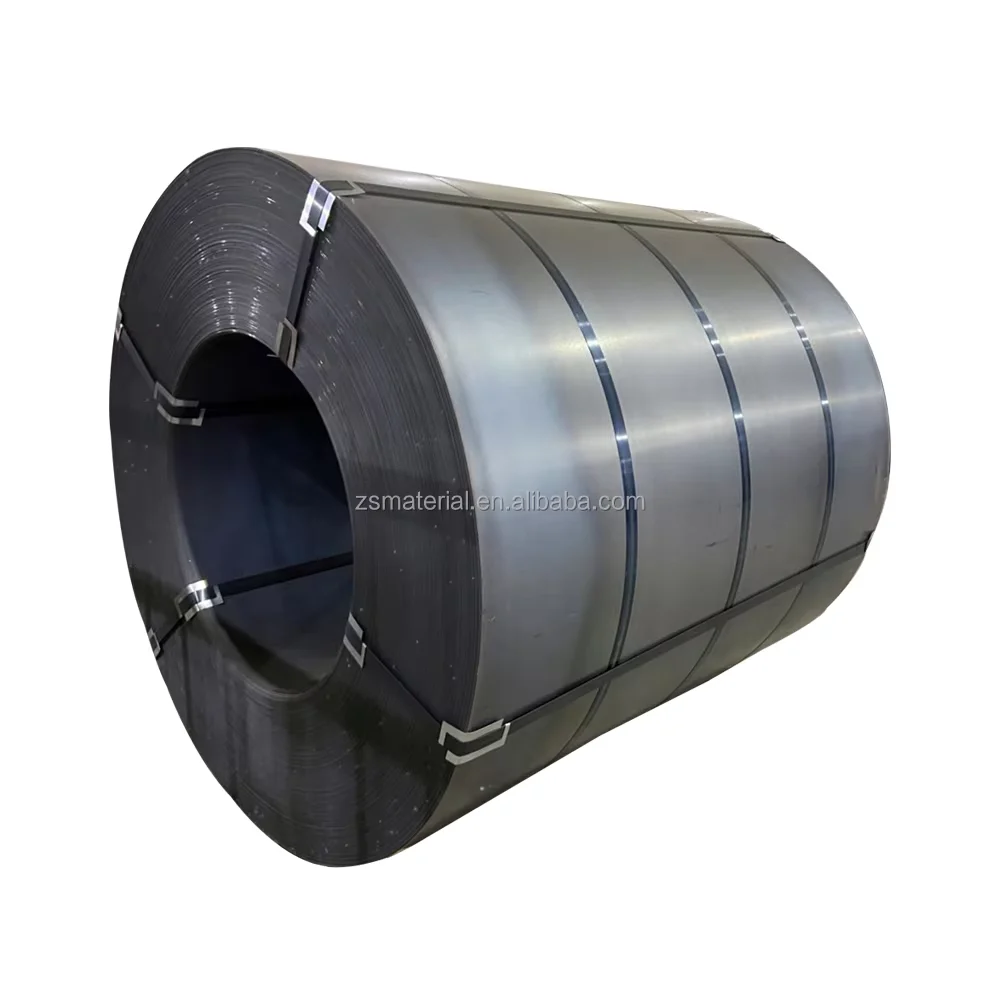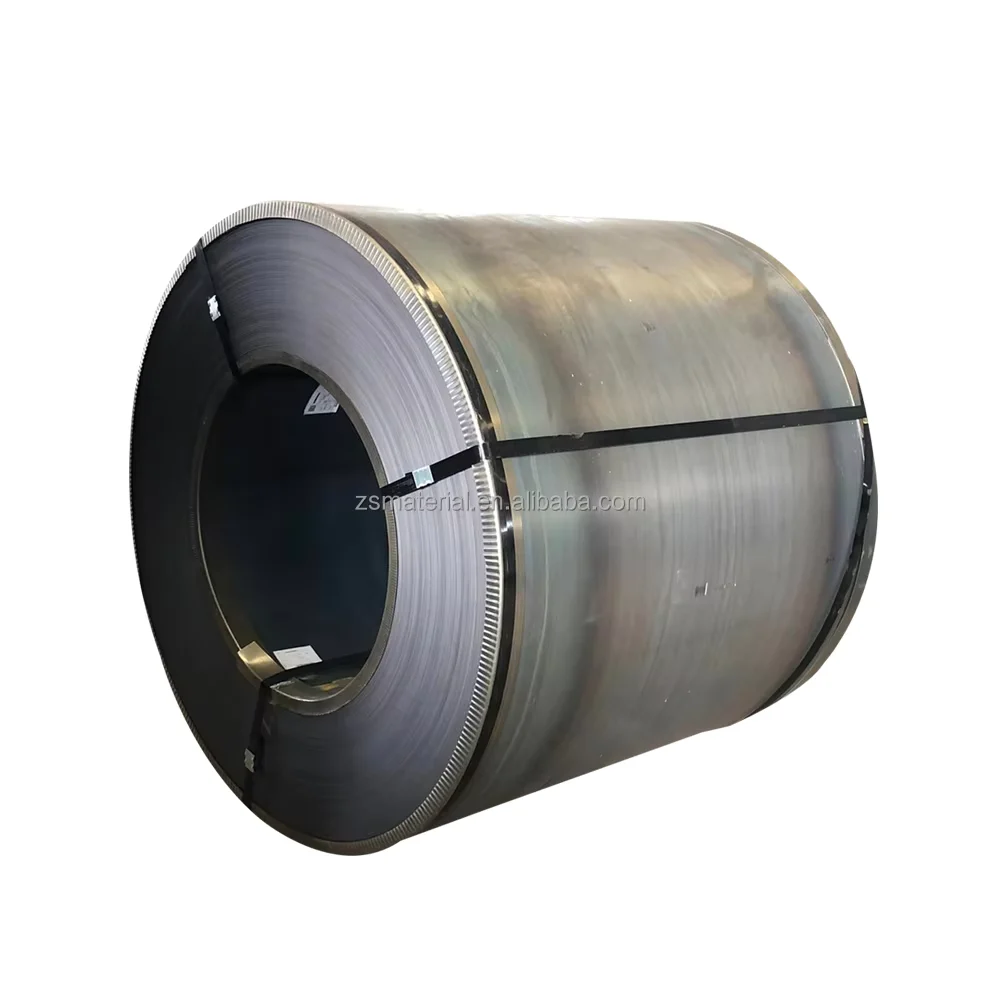
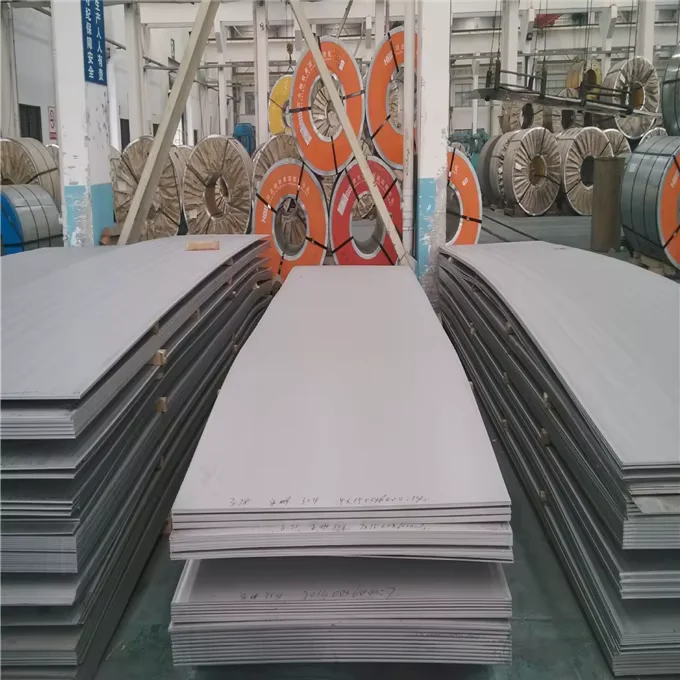
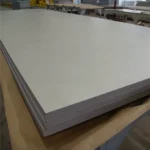
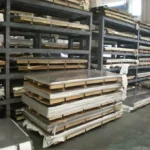
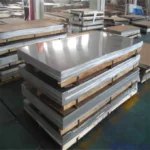
Description
Mill-Direct 300 Series Plates — Every 316L and 310S sheet leaves Jinan with an original heat-number mill certificate, verified against ASTM A240 chemistry before the container door seals.
Technical Specifications
| Parameter | Value |
|---|---|
| Designation | 300 Series Stainless Steel Plate |
| Product Type | Steel Plate |
| Steel Grade | 201, 304, 304L, 316, 316L, 316Ti, 317L, 309S, 310S, 321, 410S, 420J1, 430, 904L |
| Standard | ASTM A240 / ASME SA240, JIS 4305, DIN EN 10088-2, AISI, GB |
| Thickness | 0.1–200 mm |
| Width | 1000–2500 mm (standard: 1000×2000, 1220×2440, 1500×3000, 1500×6000, 2000×2000, 2000×4000 mm) |
| Length | 5–13000 mm |
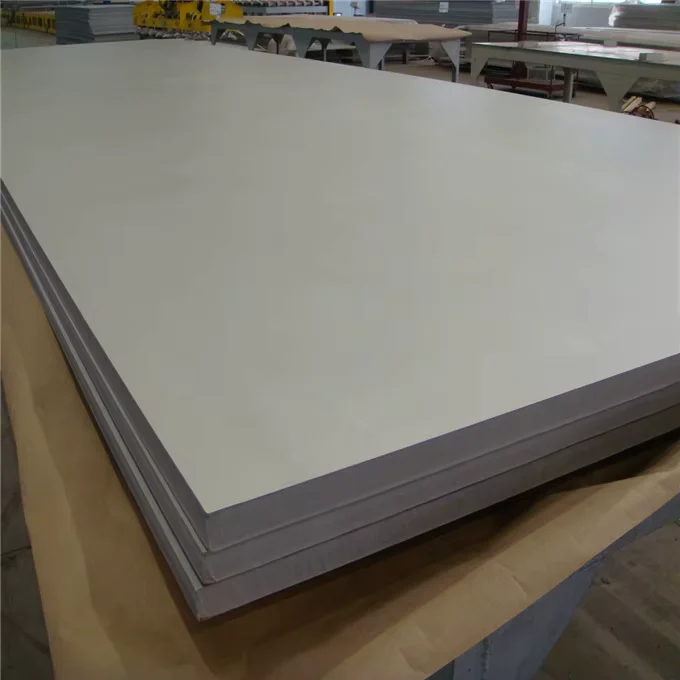
| Technique | Hot Rolled / Cold Rolled |
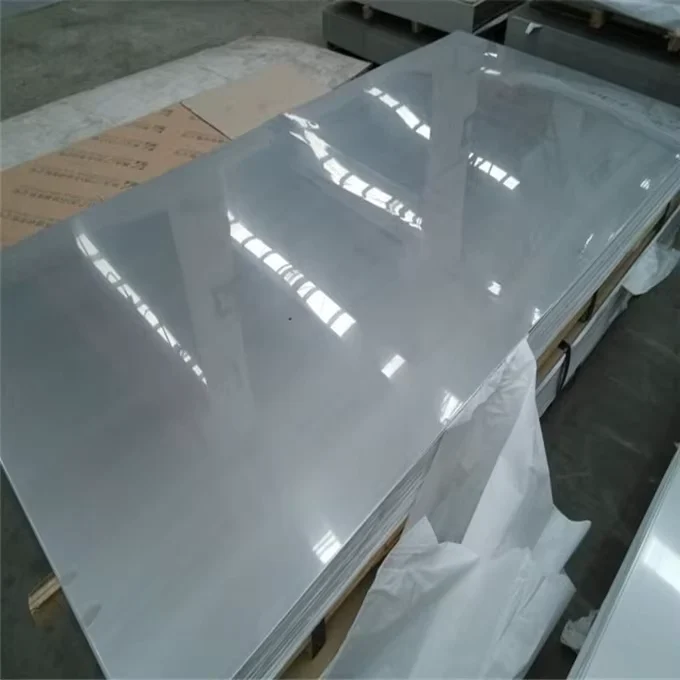
| Surface Finish | No.1, 2B, BA, Hairline (HL), No.4, 8K, Mirror, Color |
| Tolerance | ±1% |
| Edge | Slit Edge / Mill Edge |
| Processing Service | Bending, Welding, Decoiling, Punching, Cutting (Laser/Plasma/Waterjet), Sawing, Shearing |
| Application | Construction, Industry, Building, Chemical, Petrochemical, Machinery Manufacturing, Ship Equipment, Automotive, Household Appliances, Kitchen Equipment |
| Origin | Shandong, China |
Application Suitability
| Industry | Typical Applications |
|---|---|
| Chemical & Petrochemical | 316L/317L/904L reactor vessels, acid storage tanks, pipeline flanges, heat exchanger shells |
| Construction & Architecture | 304/316 Hairline and 8K Mirror facade cladding, elevator interior panels, decorative column wraps |
| High-Temperature Equipment | 309S/310S furnace liners, annealing basket frames, boiler baffles, radiant tubes |
| Marine & Shipbuilding | 316/316Ti deck hardware, saltwater-exposed handrails, propeller shaft covers |
| Food & Pharmaceutical | 304/304L sanitary processing tables, fermentation tanks, conveyor guides |
Why a Mixed-Grade Container Costs More Than the Steel Itself
One wrong plate in a saltwater facade order triggers full-container rejection at the port.
I once watched a third-party inspector in Dubai run a PMI gun across what should have been 316 plates — the readings screamed 304. A mixing-yard error had sent one container of the wrong grade toward a marine cladding project. We flew replacements within ten days, but the lesson stayed: every plate now gets hand-checked against its mill cert before loading. For buyers sourcing a 300 Series Stainless Steel Plate across multiple grades, the risk is not just material cost — it is customs delay, re-inspection fees, and project downtime. [NEED_CITE: PMI testing procedures for austenitic stainless steel grade verification]
Matching Plate Grade to Corrosive and Thermal Environments
A 300 Series Stainless Steel Plate selected for a petrochemical reactor must resist chloride pitting that 304 cannot handle — which is why 316L with molybdenum content becomes the baseline spec. For architectural facades near coastlines, 316 prevents rust staining that 304 would develop within months. Our 2,800+ ready specifications let buyers pull 316L, 310S, and 321 from stock in a single consolidated container, avoiding the fragmented sourcing that causes grade mix-ups on site.
Engineering Compliance and Surface Finish Selection
Structural and pressure-vessel applications demand chemistry documentation traceable to heat number — ASTM A240 compliance is non-negotiable for North American projects, while EN 10088-2 governs European architectural approvals. Surface finish directly affects both corrosion performance and aesthetic acceptance: No.1 hot-rolled plates suit industrial tanks where appearance is irrelevant, while 8K Mirror and Hairline finishes must pass visual inspection under site lighting. Third-party SGS or BV inspection before shipment closes the gap between mill output and project-spec compliance. [NEED_CITE: EN 10088-2 surface finish designations for stainless flat products]
Decoding the 300 Series Grade Spectrum
The 300 Series covers austenitic chromium-nickel structures with distinct engineering roles. 304 remains the general-purpose workhorse for food processing and architectural trim. 316L adds molybdenum for chloride resistance in marine and chemical settings, while 316Ti stabilizes against sensitization during welding. 309S and 310S carry higher chromium-nickel ratios for continuous service above 1000°C in furnace components. 904L, with elevated copper and molybdenum, resists sulfuric acid environments that would dissolve 316L. Hot-rolled plates in thicker gauges (above 6 mm) serve structural and pressure applications, while cold-rolled 2B or BA finishes deliver tighter thickness tolerance and smoother surfaces for decorative use.
The Hidden Price of Unverified Material Certificates
Plates shipped without heat-number traceability or with forged mill certificates fail acceptance testing at the project site — forcing full-batch replacement at the buyer’s freight cost. Non-standard thickness outside ±1% tolerance throws off structural weight calculations and connection detailing. Missing CE or ASTM documentation halts customs clearance in the EU and North America, generating demurrage charges that exceed the plate value. [NEED_CITE: consequences of non-compliant stainless steel documentation in international trade]
Why Project Buyers Return for Repeat Orders
Factory-direct pricing eliminates trader margins on volume orders of 316L and 310S plates. Three production lines running simultaneously deliver 20,000+ tons monthly capacity, covering standard sizes from stock and custom orders within typical production lead times. Every batch carries original mill test certificates, with SGS/BV third-party inspection available on request. Our professional export team optimizes container loading for heavy plate shipments — a 20-ton payload in a 20ft container requires precise weight distribution that generic suppliers often misjudge. Flexible MOQ from trial orders to full-container bulk lets new buyers test quality before committing to project-scale volumes.
Documentation & Compliance
- Mill test certificate documenting 316L chemical composition (C, Cr, Ni, Mo) and mechanical properties per ASTM A240, traceable to heat number
- CE certificate confirming compliance with EN 10088-2 for European architectural and structural applications
- ISO 9001:2015 quality management certificate covering production, inspection, and export processes
- SGS or BV third-party inspection report verifying grade, dimensions, and surface finish before container sealing
- Material traceability by heat number stamped on each plate edge, matching mill certificate records
- Full customs document package: commercial invoice, packing list, bill of lading, certificate of origin
Packaging, Loading & Delivery
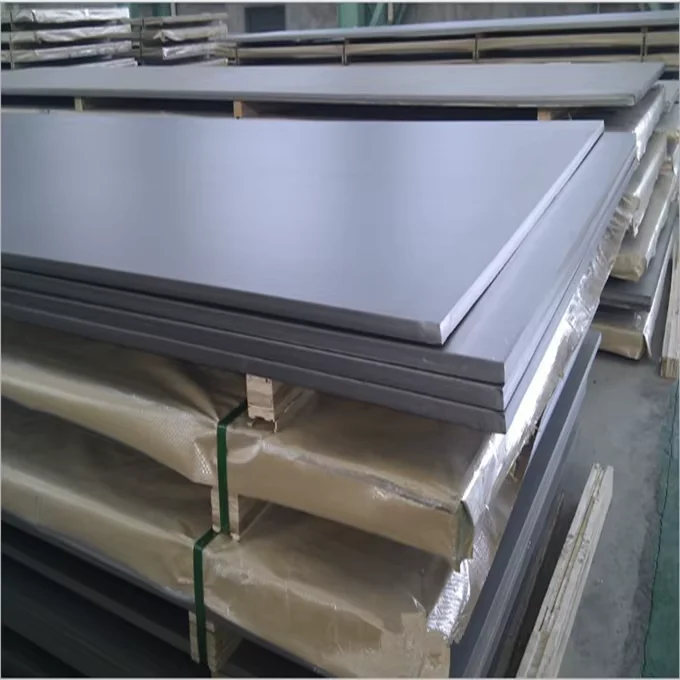
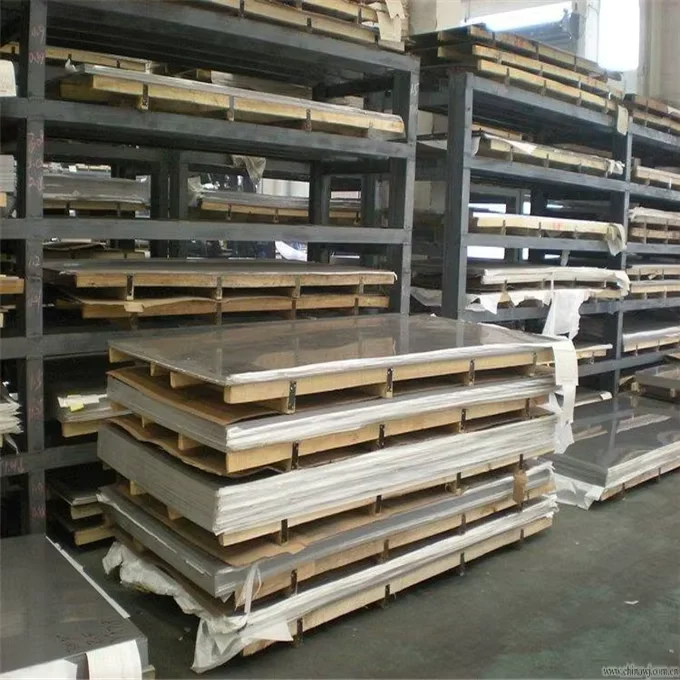
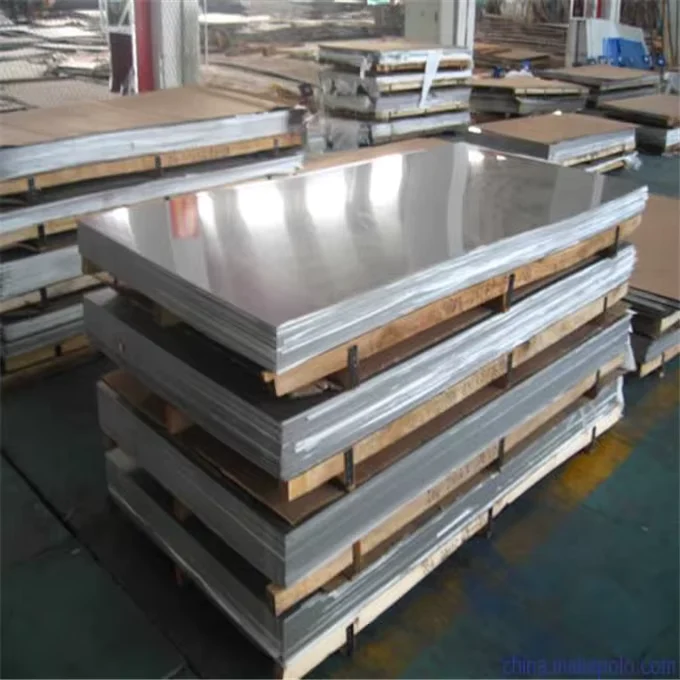
- 316L and 310S plates bundled with steel strips and waterproof kraft paper wrapping, separated by protective interleaving to prevent surface scratching during ocean transit
- 8K Mirror and Hairline finish plates packed with PVC film and wooden pallets to preserve decorative surface integrity
- Container loading optimized for 0.1–200 mm thickness range — heavy gauge plates loaded at bottom, lighter sheets stacked above to maximize 20-ton payload per 20ft container
- Custom cutting to 13000 mm max length available before shipment, reducing on-site waste and welding joints
- Heat number and grade (e.g., 316L) stenciled on each plate edge and bundle tag for site identification
- FOB Qingdao/Tianjin, CIF, and DDP terms available with professional export documentation handling
Start Your 300 Series Plate Inquiry
Submit your specification sheet — grade, thickness, width, length, quantity, and destination port — and receive a factory-direct quotation with mill test certificate preview within 12 hours. Non-standard dimensions and custom processing (laser cutting, bending, edge preparation) are quoted separately with typical production lead times. Confirm ASTM A240 or EN 10088-2 compliance requirements upfront to ensure documentation matches your project’s import regulations.
Frequently Asked Questions
Q: How do I choose between 304, 316L, and 310S for my project?
A: 304 suits general-purpose and indoor architectural use. 316L adds molybdenum for chloride and chemical resistance in marine or petrochemical environments. 310S handles continuous high-temperature service above 1000°C in furnace and heat treatment applications.
Q: Can you supply non-standard thickness or cut-to-size plates?
A: Yes. Thickness ranges from 0.1–200 mm, width up to 2500 mm, and length up to 13000 mm. Laser, plasma, and waterjet cutting services are available per customer drawings, with MOQ starting from 1 ton for trial orders.
Q: What surface finishes are available and how do they affect price?
A: Industrial finishes (No.1, 2B) are the most economical for tanks and structural use. Decorative finishes (Hairline, No.4, 8K Mirror) require additional processing and carry a premium. BA finish offers bright reflective quality for appliance and elevator panels.
Q: Do your plates come with mill test certificates for customs clearance?
A: Every batch ships with original mill test certificates documenting chemical composition and mechanical properties per ASTM A240, JIS 4305, or EN 10088-2. SGS/BV third-party inspection is available on request for projects requiring independent verification.
Q: How do you optimize container loading for heavy plate shipments?
A: Our export team calculates weight distribution for 20-ton payloads in 20ft containers, placing heavier gauge plates at the bottom and securing bundles with steel strapping and edge protectors to prevent transit damage.
Get Factory-Direct Pricing on 300 Series Stainless Steel Plates
Send your specifications to receive a bulk quotation with mill test certificate preview and container loading plan.
Mobile/WhatsApp/WeChat: +86 188 5315 7756 | Email: admin@sdxinjiyuan.com