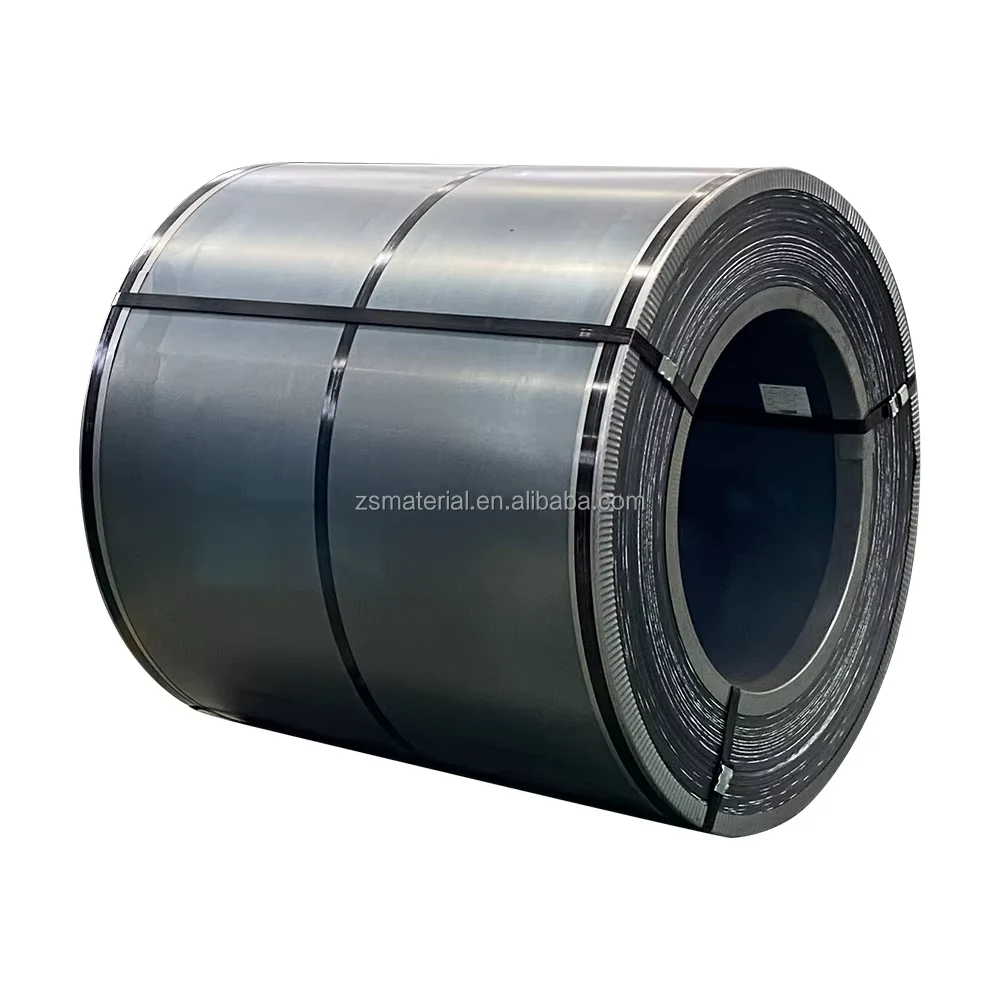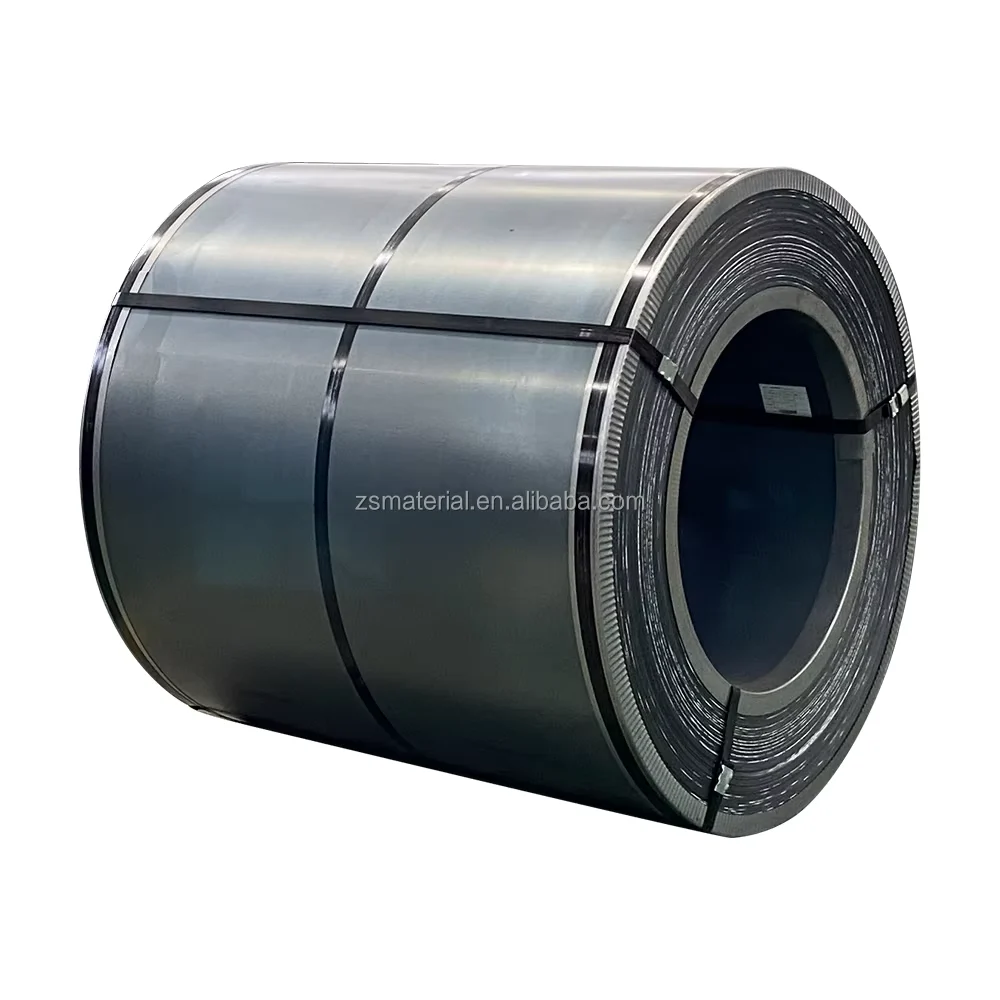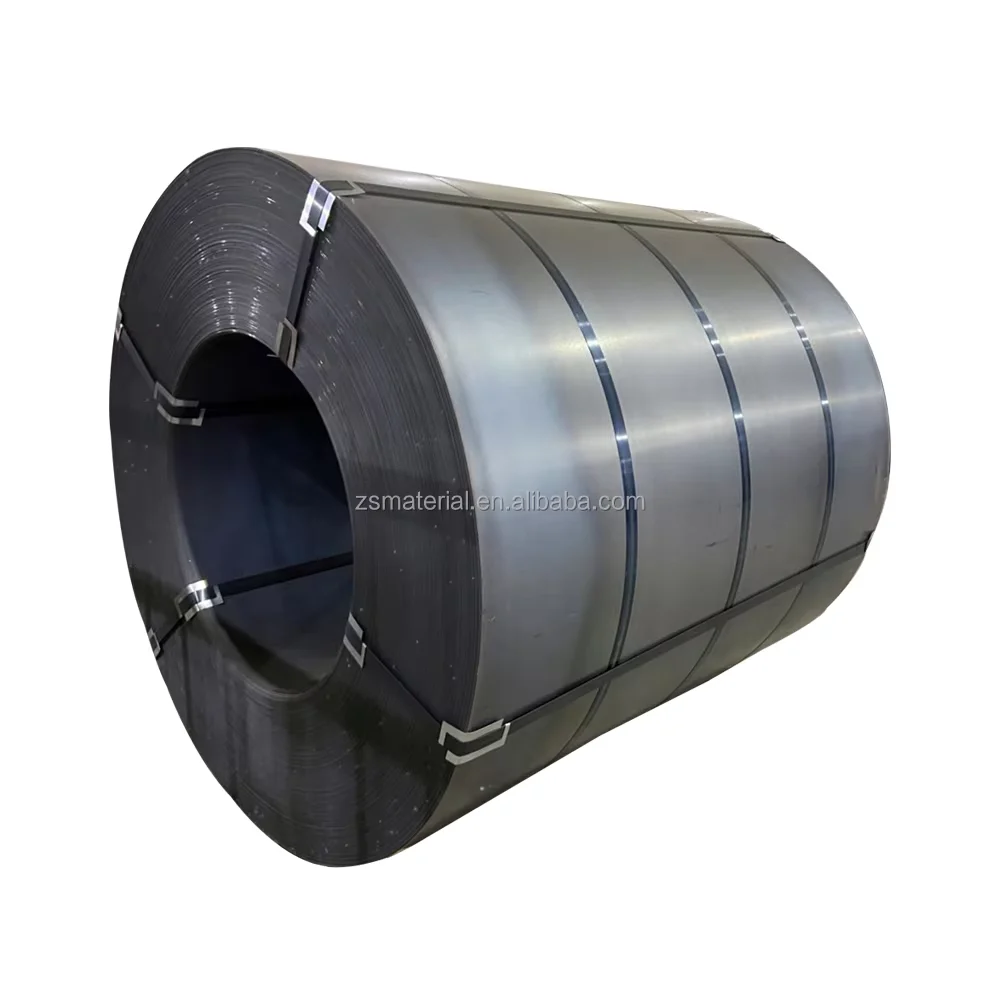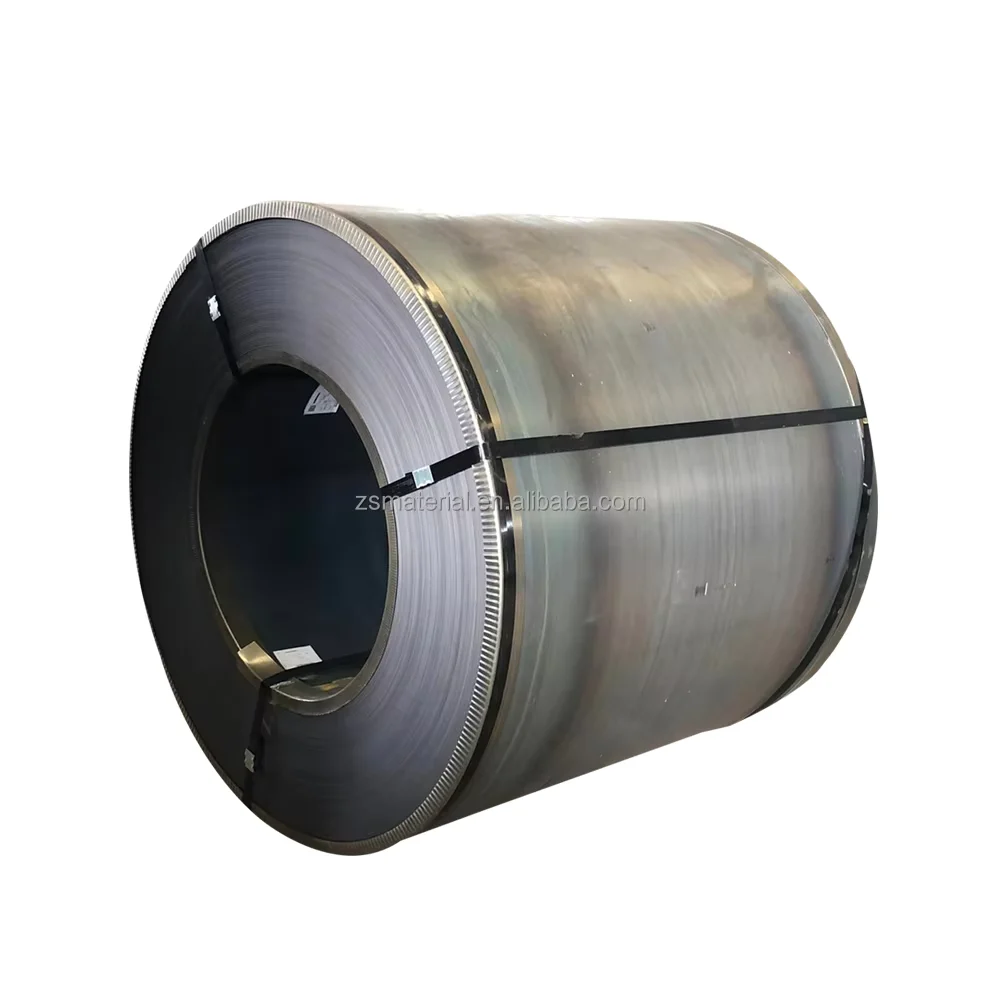
Description
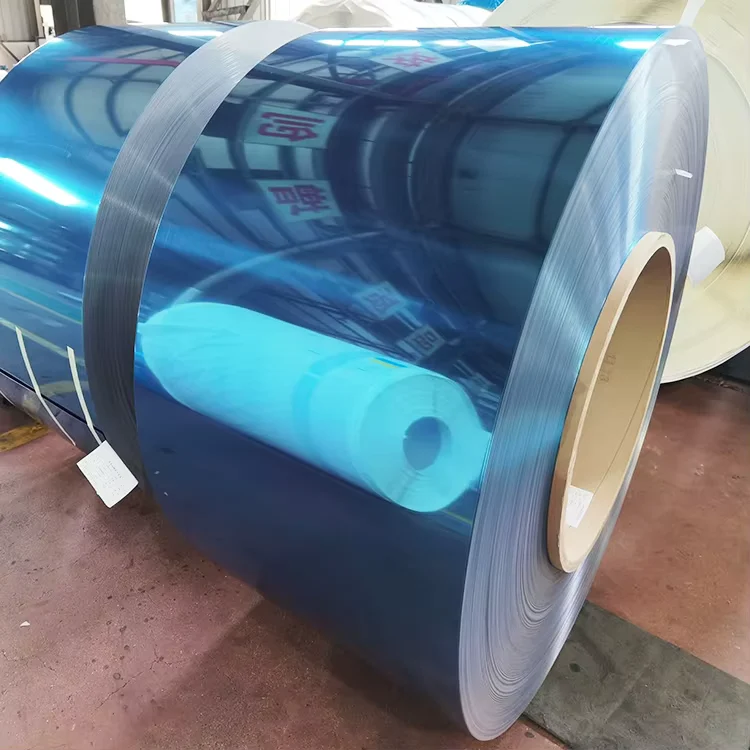
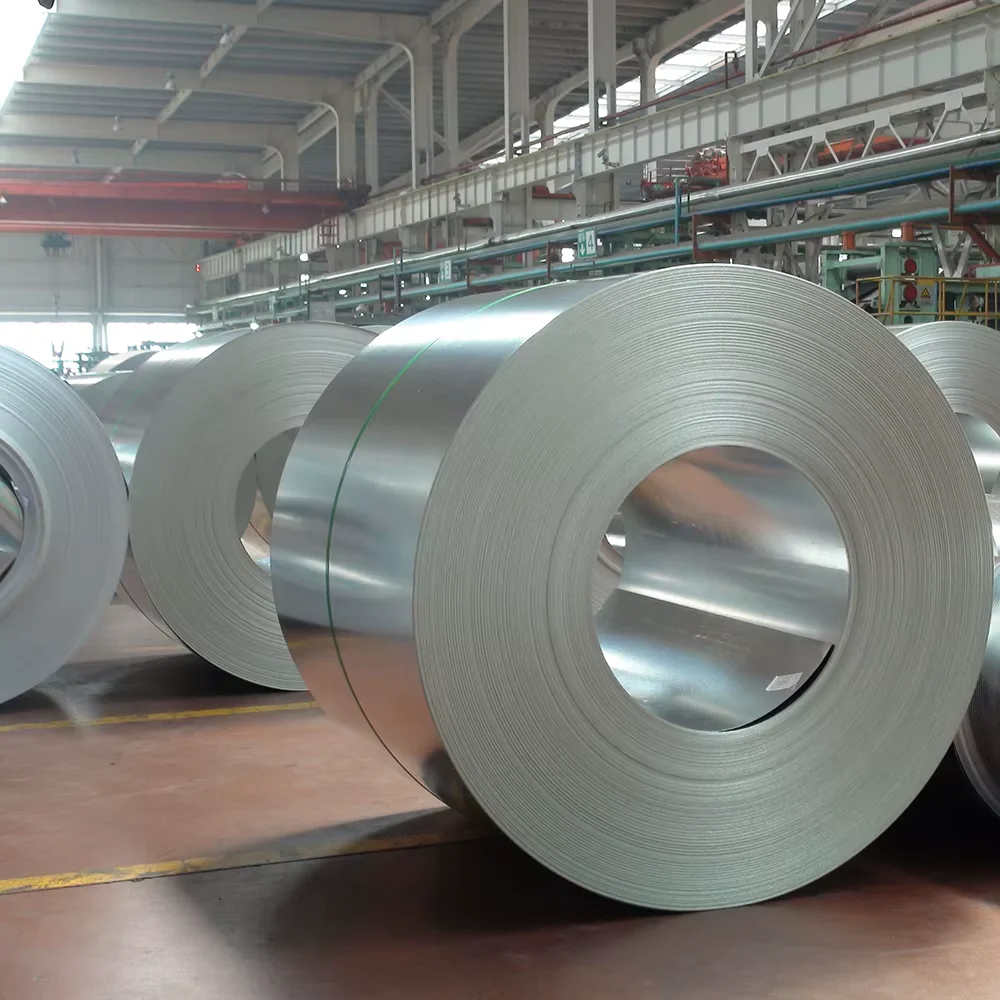
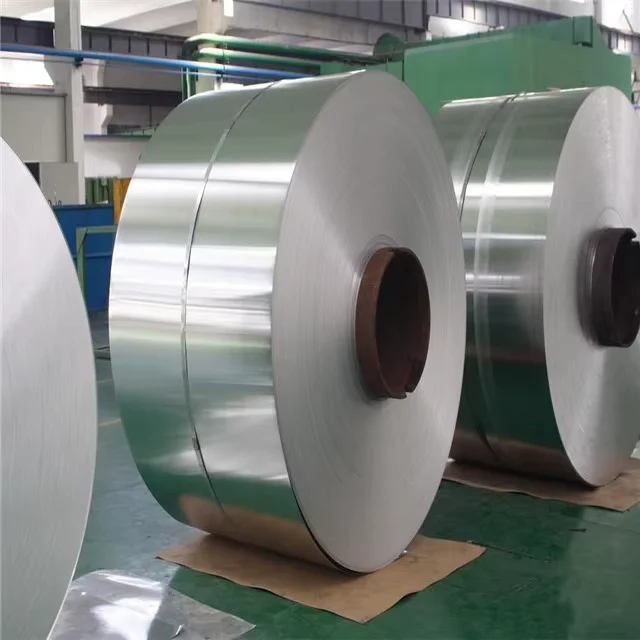
Factory-Direct Stainless Coil Supply — Every 304, 316, and 430 coil ships with original mill test certificates and is loaded under our direct supervision at Jinan port.
Technical Specifications
| Parameter | Value |
|---|---|
| Designation | 304/316/430 Stainless Steel Coil |
| Product Type | Steel Coil |
| Steel Grade | 304, 304L, 316, 316L, 430, 410, 436, 439, 409L, 904L, 310S, 2205, 2507 |
| Thickness | 0.2mm–3mm |
| Width | 1000mm / 1219mm / 1500mm |
| Surface Finish | 2B |
| Technique | Cold Rolled |
| Application | Fabrication / Pressure vessels / Shipbuilding / Automotive / Industrial equipment |
| Origin | Shandong, China |
Application Suitability
| Industry | Typical Applications |
|---|---|
| Industrial Equipment | Machine guards, conveyor belts, hopper linings, filtration screens |
| Pressure Vessels | Chemical storage tanks, heat exchanger shells, process piping wraps |
| Shipbuilding | Deck paneling, galley interiors, ventilation ducting |
| Automotive | Exhaust system wraps, trim panels, structural brackets |
| Architectural Fabrication | Wall cladding, column covers, elevator cab interiors |
Why Nickel Content Verification Separates Reliable 304 Coil from Scrap Metal
A failed chemical composition test at destination port can turn a full container into a financial loss before the first sheet is cut.
I have watched buyers receive 304 stainless steel coils only to discover — after third-party reinspection at the discharge port — that nickel content fell below the 8% threshold required for true austenitic corrosion resistance. The entire shipment was rejected. Demurrage fees alone exceeded the profit margin on the order. That kind of quality uncertainty does not come from malice; it comes from suppliers who blend 200-series material into 304 orders and rely on buyers who never verify mill test certificates line by line. When you source a 304 316 430 stainless steel coil supplier who controls chemistry at the melt stage and provides heat-number traceability on every coil, specification gaps disappear before the container is sealed. [NEED_CITE: ASTM A240 chemical composition requirements for chromium-nickel stainless steel plate and coil]
Matching Coil Thickness and Width to Fabrication Demands
Cold-rolled stainless coils in 0.2mm–3mm thickness across 1000mm, 1219mm, and 1500mm widths cover the majority of press-brake, roll-forming, and laser-cutting operations without requiring a second slitting step. For pressure vessel manufacturers wrapping shell sections, the 2B surface finish provides a consistent baseline for subsequent pickling or passivation. Automotive fabricators working with 409L and 436 ferritic grades benefit from the tight thickness tolerance that cold rolling delivers — essential when exhaust components must mate within sub-millimeter clearances. As a 304 316 430 stainless steel coil supplier maintaining ready stock in these standard widths, we eliminate the 3–4 week slitting lead time that fragmented sourcing imposes.
Corrosion Environment and Grade Selection for Long-Term Performance
Austenitic grades 304 and 316 handle general atmospheric and mild chemical exposure, with 316 and 316L required wherever chloride ions are present — coastal installations, chemical processing, and marine deck applications. Ferritic grades 430, 409L, 436, and 439 offer adequate resistance in indoor or mildly corrosive settings at lower material cost, making them standard choices for automotive trim and indoor architectural panels. Duplex grades 2205 and 2507 enter the picture when both high chloride concentration and elevated mechanical stress coexist, such as offshore platform structures and desalination equipment. Selecting the correct grade against the actual service environment prevents premature pitting and intergranular corrosion that no surface finish can compensate for. [NEED_CITE: NACE corrosion resistance guidelines for stainless steel in chloride environments]
Austenitic, Ferritic, Martensitic, and Duplex — What the Microstructure Means for Your Order
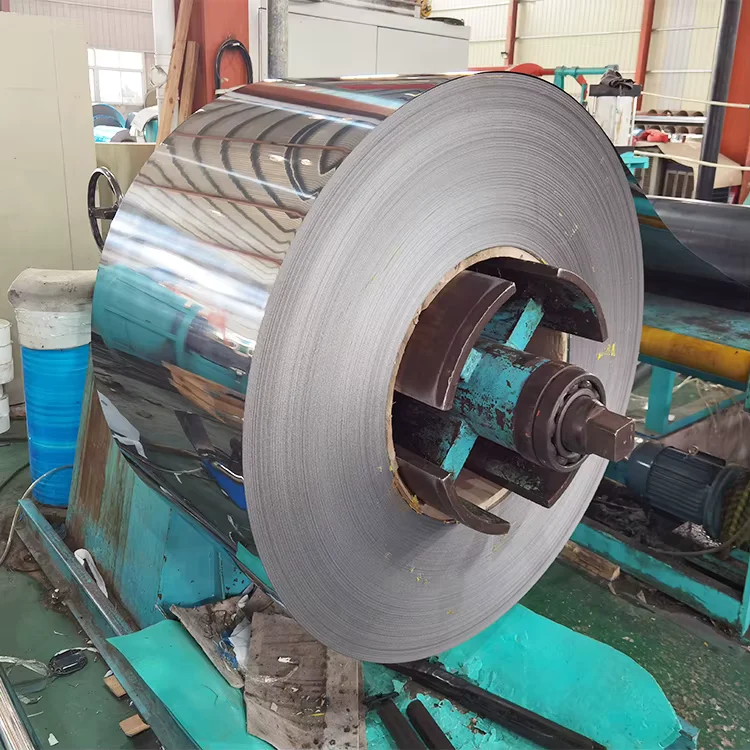
The 304 316 430 stainless steel coil supplier who stocks all four microstructural families lets you consolidate procurement instead of splitting orders across three mills. Austenitic grades (304, 304L, 316, 316L, 904L, 310S) are non-magnetic, highly formable, and rely on nickel and molybdenum for corrosion resistance — ideal for deep drawing and welding. Ferritic grades (430, 409L, 436, 439) contain chromium but minimal nickel, offering magnetic response and lower thermal expansion, suited to automotive exhaust and appliance housings. Martensitic 410 delivers hardness through heat treatment, used where wear resistance matters more than formability. Duplex 2205 and 2507 combine austenitic and ferritic phases for superior stress-corrosion cracking resistance in aggressive environments. The 2B finish — produced by cold rolling followed by bright annealing — gives a smooth, reflective surface that accepts further polishing if needed while retaining the passive chromium oxide layer.
The Hidden Cost of Ordering Stainless Coil Without Verified Chemistry
When a buyer accepts a price quote without requiring original mill test certificates, the risk is not merely receiving a slightly different alloy — it is receiving a coil that will fail at the weld, crack under chloride exposure, or be rejected by the project inspector months after installation. Engineering specifications referencing ASTM A240 or EN 10088 require documented chemical composition and mechanical properties per heat number. Without that documentation, customs authorities in the EU, Middle East, and South America routinely hold shipments for reinspection, generating demurrage charges that dwarf any per-ton savings on the purchase price. A 304 316 430 stainless steel coil supplier who provides heat-number traceability and welcomes third-party inspection eliminates this entire category of hidden cost. [NEED_CITE: EN 10088 stainless steel certification and inspection requirements]
Procurement Confidence Built on Mill-Level Control
Every coil in our Jinan warehouse carries an original mill test certificate documenting chemical composition against the ordered grade — 304, 316L, 430, or any other specification in our range. Our in-house laboratory runs three-stage inspection covering chemistry, surface quality, and dimensional tolerance before any coil is released for shipment. Buyers requesting independent verification can arrange SGS or BV inspection at the loading stage at no coordination burden to themselves. With 2,800+ specifications in stock across austenitic, ferritic, martensitic, and duplex families, a single purchase order covering multiple grades and widths consolidates into one container — reducing freight cost per ton and eliminating the delivery-risk fragmentation that comes from sourcing each grade separately. Factory-direct pricing means volume discounts apply from the first metric ton, and our export team handles packing lists, bills of lading, and certificates of origin so that customs clearance at destination proceeds without document-related delays.
Documentation & Compliance
- Mill test certificate documenting 304 nickel and chromium content, 316 molybdenum levels, and 430 carbon limits per ASTM A240 or EN 10088
- ISO 9001:2015 quality management certificate covering cold-rolled coil production and inspection processes
- SGS or BV third-party inspection report available at loading stage for chemistry verification and surface grade confirmation
- Heat-number traceability linking each coil to its original melt record for full material provenance
- Customs document package including packing list, bill of lading, and certificate of origin formatted for destination-port clearance
- CE and FPC certification documentation for coils entering European Union construction and industrial product supply chains
Packaging, Loading & Delivery
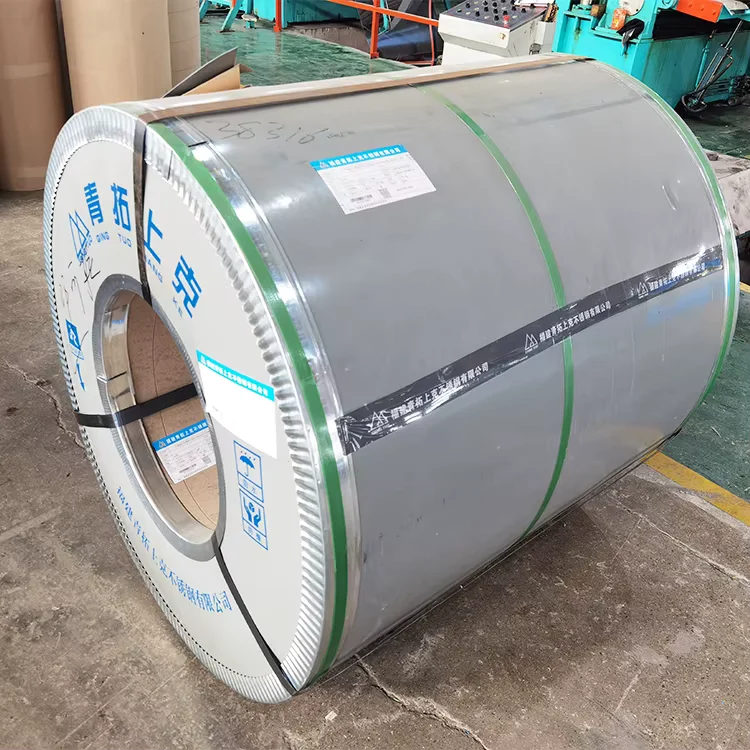
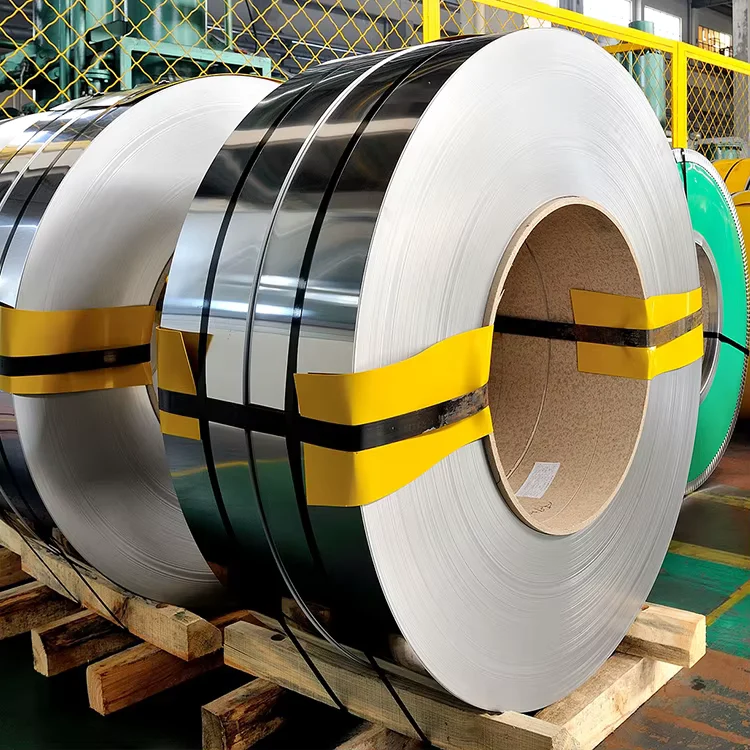
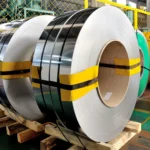
- Coils packed in seaworthy export packaging with steel strip binding and moisture-proof inner wrapping to protect the 2B surface finish during ocean transit
- Edge protectors applied to all coil edges to prevent nicking and scratching of the cold-rolled surface across 1000mm, 1219mm, and 1500mm widths
- Container loading plans optimized for coil weight distribution, maximizing payload within 20ft and 40ft units for 0.2mm–3mm thickness ranges
- Heat number and grade identification marked on each coil ID tag and outer wrapping for traceability at destination warehouse
- FOB, CIF, and DDP shipping terms available with professional documentation handling for ports across Southeast Asia, Middle East, Africa, and South America
Starting Your Stainless Coil Procurement
Submit your required grade, thickness, width, total tonnage, and destination port — our team responds within 12 hours with pricing, available stock confirmation, and estimated delivery timeline. For non-standard widths or thicknesses outside the 0.2mm–3mm range, we provide custom slitting and rolling lead-time options directly from the mill schedule.
Request Your Stainless Coil Quote with Mill Test Certificate
Send your specification sheet to admin@sdxinjiyuan.com or contact us via WhatsApp at +86 188 5315 7756 to receive pricing and documentation for your next 304 316 430 stainless steel coil order.
Frequently Asked Questions
Q: What is the difference between 304, 316, and 430 stainless steel coils for fabrication use?
A: 304 is the general-purpose austenitic grade suitable for most indoor and mild outdoor environments. 316 adds molybdenum for chloride resistance in coastal or chemical processing applications. 430 is a ferritic grade with lower cost and magnetic properties, used for automotive trim and indoor architectural panels where high corrosion resistance is not critical.
Q: How can I verify that the stainless steel coil I receive matches the ordered grade?
A: Every coil ships with an original mill test certificate showing chemical composition per heat number. You can also request SGS or BV third-party inspection at the loading stage to independently verify chemistry and surface quality before the container is sealed.
Q: Can I order custom widths or thicknesses outside the standard 1000mm, 1219mm, and 1500mm range?
A: Yes. We offer custom slitting to your specified width and can source non-standard thicknesses through our mill partners. Lead times for custom orders are typically longer than ready-stock items, and we provide the schedule before you commit.
Q: What surface finish options are available beyond 2B?
A: Our standard stock focuses on 2B finish for its balance of smoothness, corrosion resistance, and cost. Additional finishes including BA, No.4, and HL can be arranged based on order volume and application requirements — contact us with your surface specification for availability and pricing.
Q: What export documents are provided for customs clearance at destination?
A: Each shipment includes a commercial invoice, packing list, bill of lading, certificate of origin, and mill test certificate. For markets requiring product certification, CE and FPC documentation is available. All documents are prepared by our export team to match destination-port requirements.