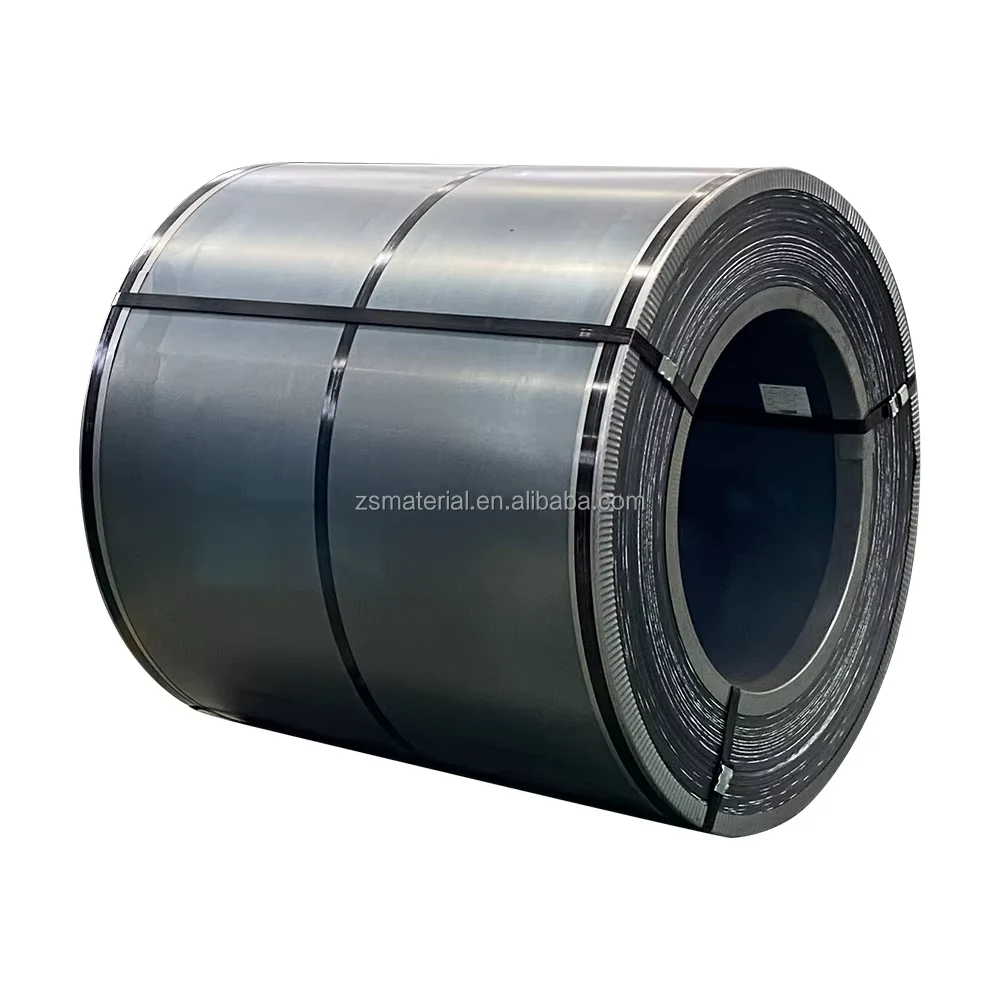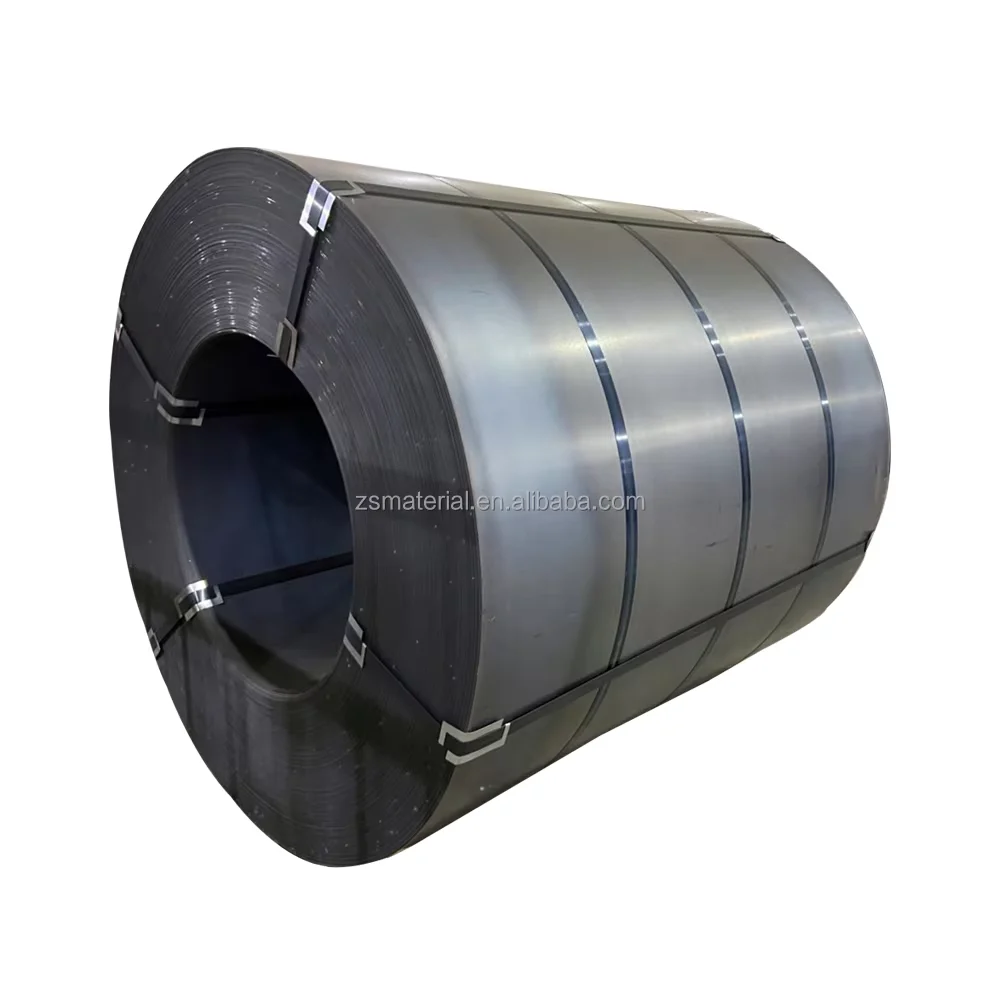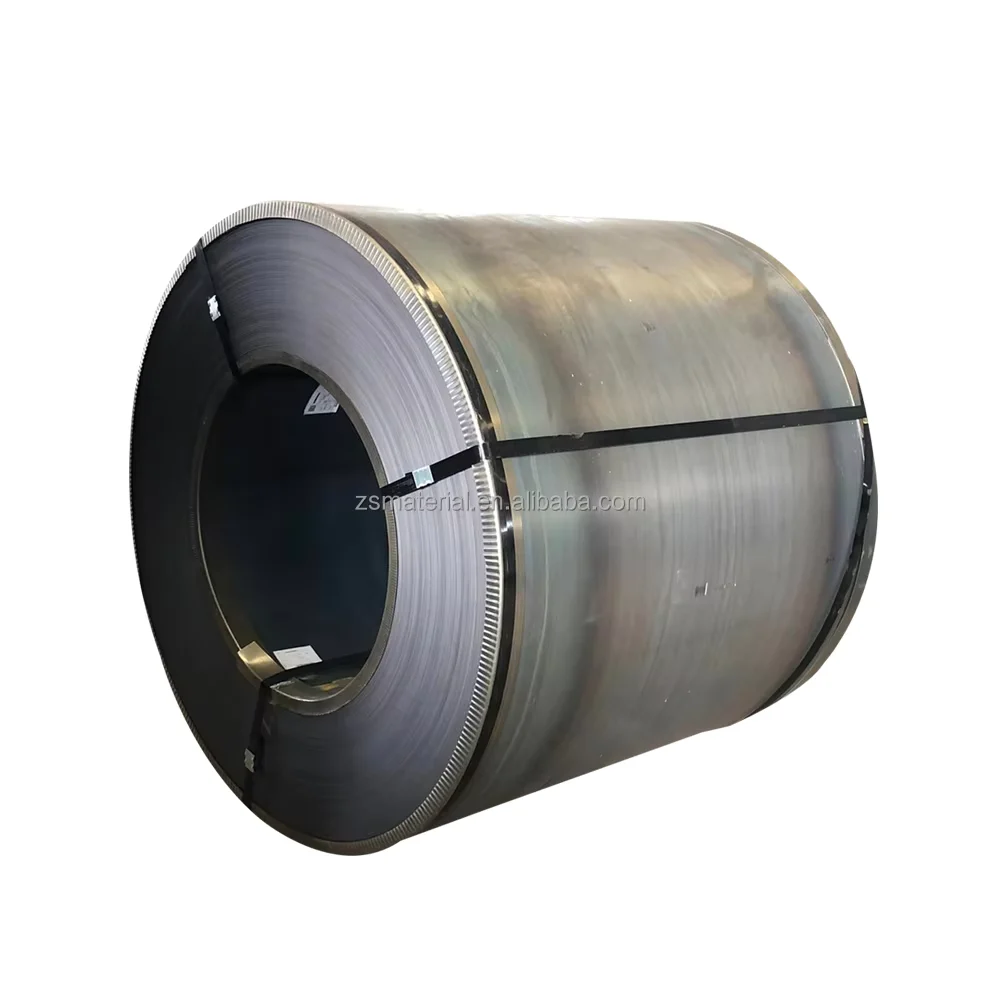
Description
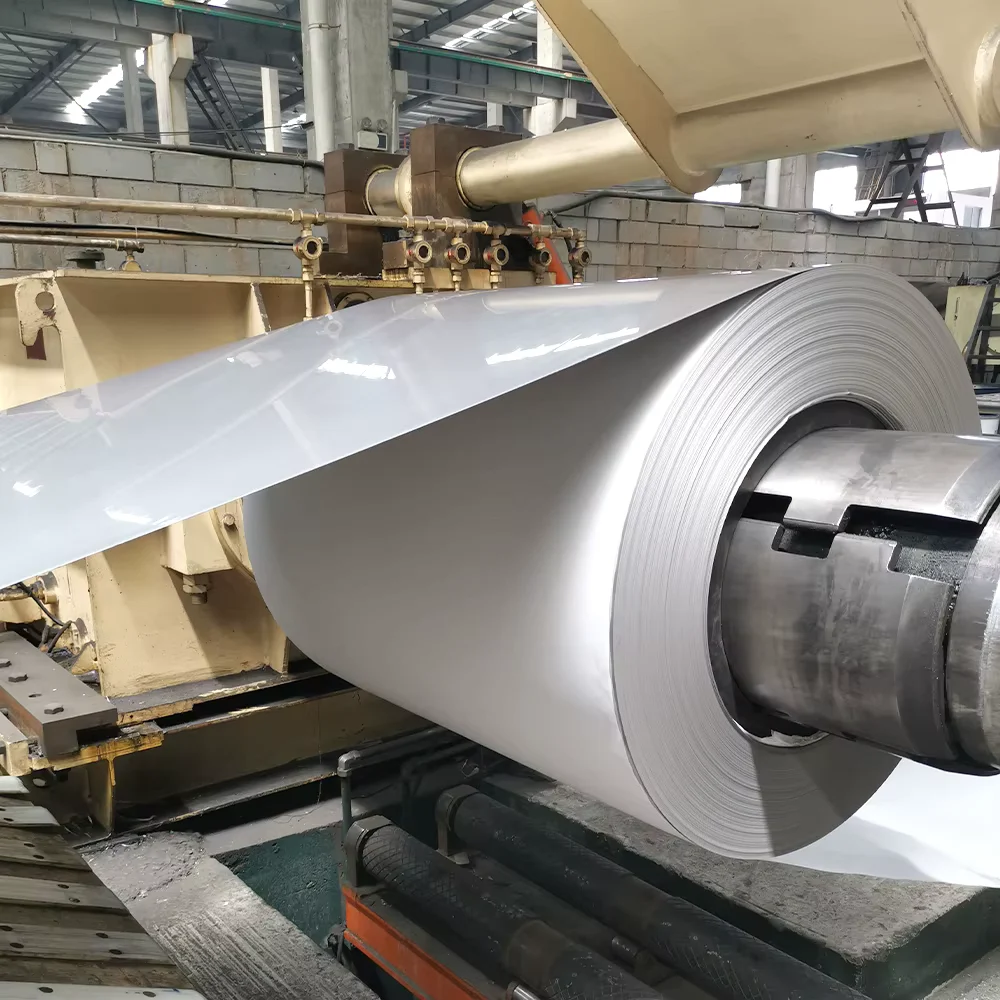
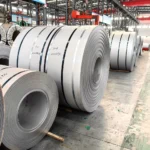
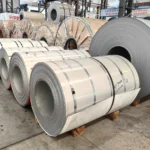
Factory-direct stainless coil supply — every batch shipped with original mill test certificates showing full chemical breakdown and third-party inspection available before loading.
Technical Specifications
| Parameter | Value |
|---|---|
| Designation | 304/316/410 Stainless Steel Coil |
| Product Type | Steel Coil (Stainless Steel Coil/Sheet/Plate/Strip) |
| Steel Grade | 201, 301, 304, 310S, 316, 316L, 321, 405, 409L, 410, 410L, 420, 430, 430A, 309S, 2205, 2507, 2520, 904L |
| Standard | ASTM, JIS, GB, AISI, DIN, BS, EN |
| Section Shape | Coil / Sheet / Plate / Strip |
| Size Range | Thickness: Cold Rolled 0.15–3mm; Hot Rolled 3–120mm |
| Width | 1000mm / 1219mm / 1500mm (slit to narrow width available) |
| Length | 2000mm / 2438mm / 2440mm / 3048mm (or customized) |
| Technique | Cold Rolled / Hot Rolled |
| Surface Treatment | 2B, 2D, BA, 8K, HL, NO.4, NO.1, Embossed, Short/Long Wire Drawing, Colored |
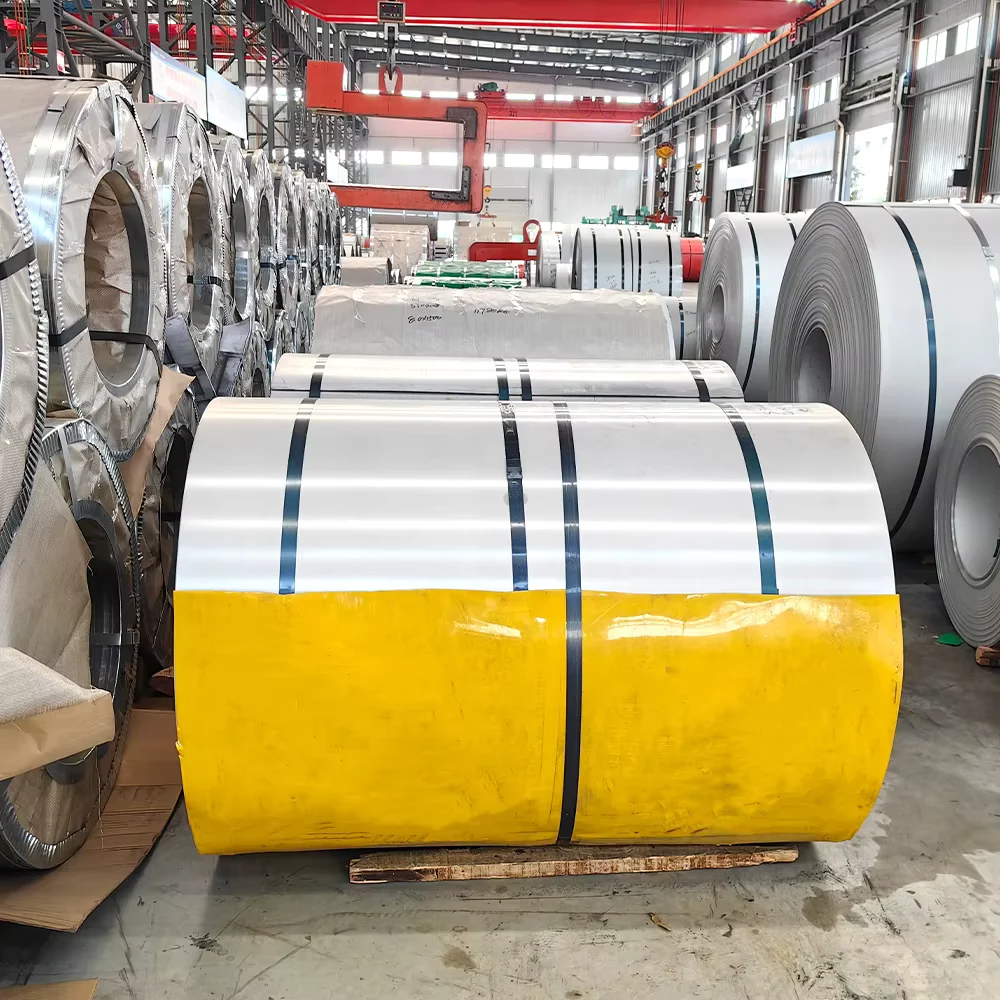
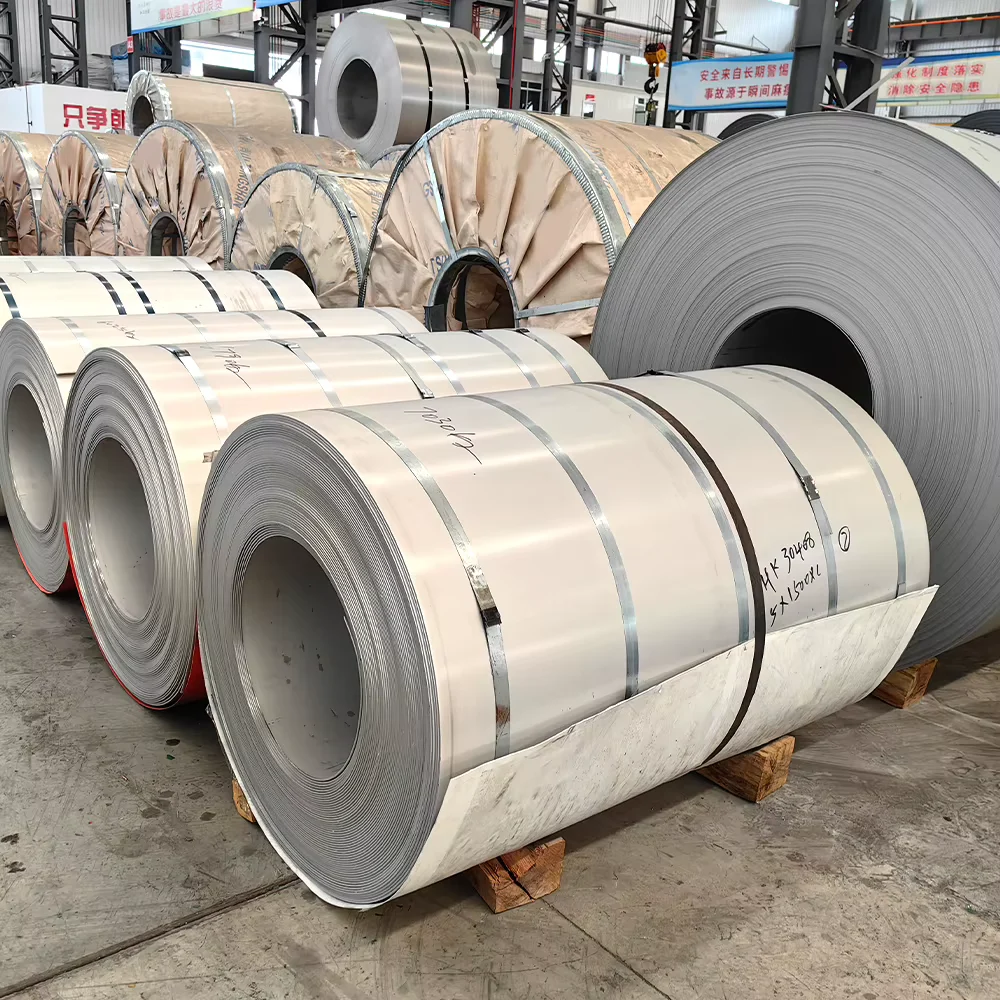
| Packing | Waterproof paper + steel strapping + pallet; BA and 8K with PVC film |
| Delivery | 7–10 working days (subject to order quantity) |
| Application | Medical equipment / Food industry / Table-wares / Construction / Kitchen utensils / Chemical industry / Petroleum industry / Architectural decoration / Storage tanks / Elevator interiors / Electronic equipment |
| MOQ | Flexible from 1 ton |
| Origin | Shandong, China |
Application Suitability
| Industry | Typical Applications |
|---|---|
| Construction & Architecture | Elevator interior panels, building facade cladding, structural trim, decorative column covers |
| Food & Medical | Hygiene-grade processing tanks, surgical instrument housings, food conveyor components, commercial kitchen surfaces |
| Chemical & Petroleum | Heat exchanger shells, storage tank linings, pipeline wraps for corrosive environments |
| Electronic Equipment | Precision stamped enclosures, semiconductor processing chambers, cleanroom fixtures |
Why Surface Finish Selection Determines Project Acceptance
A mirror-finish 8K coil specified for an elevator lobby will fail inspection if the supplier delivers 2B — and no amount of on-site polishing recovers the cost.
When procurement teams source 304 316 410 stainless steel coil from multiple vendors, surface finish inconsistency becomes the most common rejection trigger. A batch labeled “BA” from one mill may show visible annealing scale, while another supplier’s “NO.4 hairline” carries depth variations that become obvious under lobby lighting. For architectural projects, these defects mean re-polishing costs that exceed the material price itself. Chemical processors ordering 316L for tank linings face a different risk: a surface with embedded iron particles from improper slitting will initiate pitting corrosion within months, regardless of the grade’s nominal corrosion resistance [NEED_CITE: stainless steel surface contamination and pitting corrosion mechanisms].
Matching Finish and Grade to Engineering Environments
The 304 316 410 stainless steel coil range covers environments from dry indoor architectural trim to continuous chloride exposure. For elevator interiors and kitchen equipment, 304 with 2B or BA finish provides adequate corrosion resistance at lower cost. Coastal construction and chemical processing demand 316L’s molybdenum addition — the 2B finish accepts post-fabrication passivation without compromising the protective chromium oxide layer. Ferritic grades like 409L and 430 serve automotive exhaust and appliance applications where formability matters more than deep corrosion resistance. Each surface treatment — from NO.1 hot-rolled mill scale to 8K mirror — responds differently to bending, welding, and environmental exposure, requiring coordination between the fabricator’s process sequence and the coil supplier’s finish specification.
Compliance Frameworks for Global Procurement
Engineering projects across different regions enforce distinct material certification requirements. European construction codes reference EN 10219 for cold-formed sections and require CE marking with declared mechanical properties — a 304 316 410 stainless steel coil shipment without proper EN documentation faces customs holds at Rotterdam or Hamburg [NEED_CITE: EN stainless steel product standard compliance requirements for EU construction]. North American projects specify ASTM A240 or A480, demanding heat-number traceability back to the melt shop. Middle Eastern infrastructure tenders often require SASO or GSO conformity alongside mill certificates. Our production lines maintain full documentation chains: every coil carries its heat number, chemical composition report, and mechanical test results, with third-party inspection from SGS or BV available before container sealing.
Grade Architecture and Rolling Process Fundamentals
Stainless steel grades divide into four metallurgical families, each with distinct fabrication behavior. Austenitic grades (304, 316L, 321, 310S, 904L) offer superior corrosion resistance and formability but work-harden rapidly during cold rolling — the 0.15–3mm cold-rolled range requires precise reduction schedules to avoid edge cracking. Ferritic grades (405, 409L, 410, 430) contain chromium without nickel, reducing cost while maintaining moderate corrosion resistance; their body-centered cubic structure limits deep drawing but suits roll-forming into continuous profiles. Martensitic grades (410, 420) achieve high hardness through heat treatment, serving cutlery and shaft applications. Duplex grades (2205, 2507) combine austenitic and ferritic structures for chloride stress-corrosion resistance in offshore and desalination environments. Hot-rolled coils (3–120mm) serve structural and pressure vessel applications where thickness outweighs surface appearance requirements, while cold-rolled finishes (2B, BA, 8K) deliver the reflectivity and smoothness that architectural and sanitary applications demand [NEED_CITE: metallurgical classification of stainless steel families and their fabrication characteristics].
Hidden Costs of Incorrect Grade or Finish Specification
Ordering 304 where 316L is required for a coastal boardwalk installation leads to rust staining within a single wet season — replacement costs dwarf the original price differential. Specifying BA finish for a chemical tank interior that requires pickling after welding wastes the premium surface cost. Receiving coils with width tolerance exceeding the slitter’s capability forces the fabricator to crop edges, losing 5–8% of paid weight. Missing mill certificates delay customs clearance by weeks, generating demurrage charges that erase any freight savings from choosing a cheaper supplier. These failures trace back to fragmented sourcing: buying plates from one vendor, coils from another, and expecting consistent chemistry and documentation across shipments [NEED_CITE: procurement risks from fragmented stainless steel supply chains].
Procurement Confidence Through Integrated Supply
Operating three production lines with monthly capacity exceeding 20,000 tons allows us to hold ready stock across the full 304 316 410 stainless steel coil range while running custom orders simultaneously. Factory-direct pricing eliminates trading margins, with volume discount structures reviewed every six months for recurring partners. Our in-house laboratory conducts three-stage inspection — incoming slab chemistry, in-process dimensional checks, and final surface and mechanical verification — before any coil enters the packing line. Every shipment includes original mill test certificates showing full chemical breakdown, with SGS or BV third-party inspection available at the loading stage. For projects requiring multiple grades and finishes in a single container, we consolidate loads to optimize freight cost while maintaining heat-number separation for traceability.
Documentation & Compliance
- Mill test certificate documenting 304/316L/410 chemical composition (C, Cr, Ni, Mo content) and mechanical properties per ASTM A240 or EN 10088
- CE certificate covering stainless steel flat products for construction applications under EN 10088 and CPR compliance
- ISO 9001:2015 quality management certificate covering the full cold-rolling and slitting process chain
- SGS or BV third-party inspection report verifying dimensional tolerance, surface quality, and chemical composition before container loading
- Material traceability by heat number linking each coil to its original melt chemistry and rolling schedule
- Complete customs documentation package including packing list, bill of lading, and certificate of origin for destination-country clearance
Packaging, Loading & Delivery
- Cold-rolled 304/316 coils packed with waterproof kraft paper outer layer and inner plastic film, secured by steel strapping on wooden pallets to prevent edge damage during ocean transit
- BA and 8K mirror-finish coils receive additional PVC film wrapping to protect the polished surface from scratching and fingerprint contamination during handling
- Hot-rolled 310S and 321 coils in 3–120mm thickness bundled with edge protectors and steel strips, suitable for heavy-lift port equipment without surface compromise
- Container loading optimized for 1000/1219/1500mm width coils with wooden cradles and anti-roll bracing, maximizing payload while preventing coil shift during rough-sea conditions
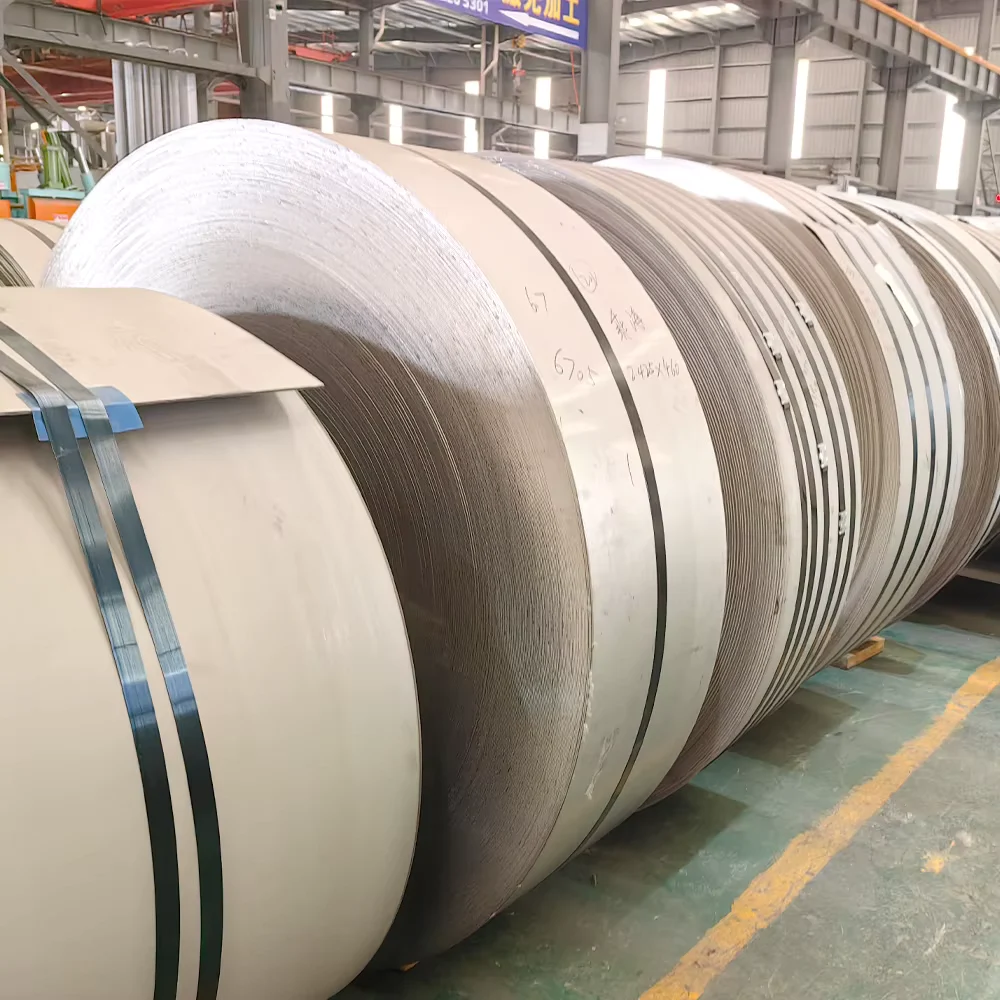
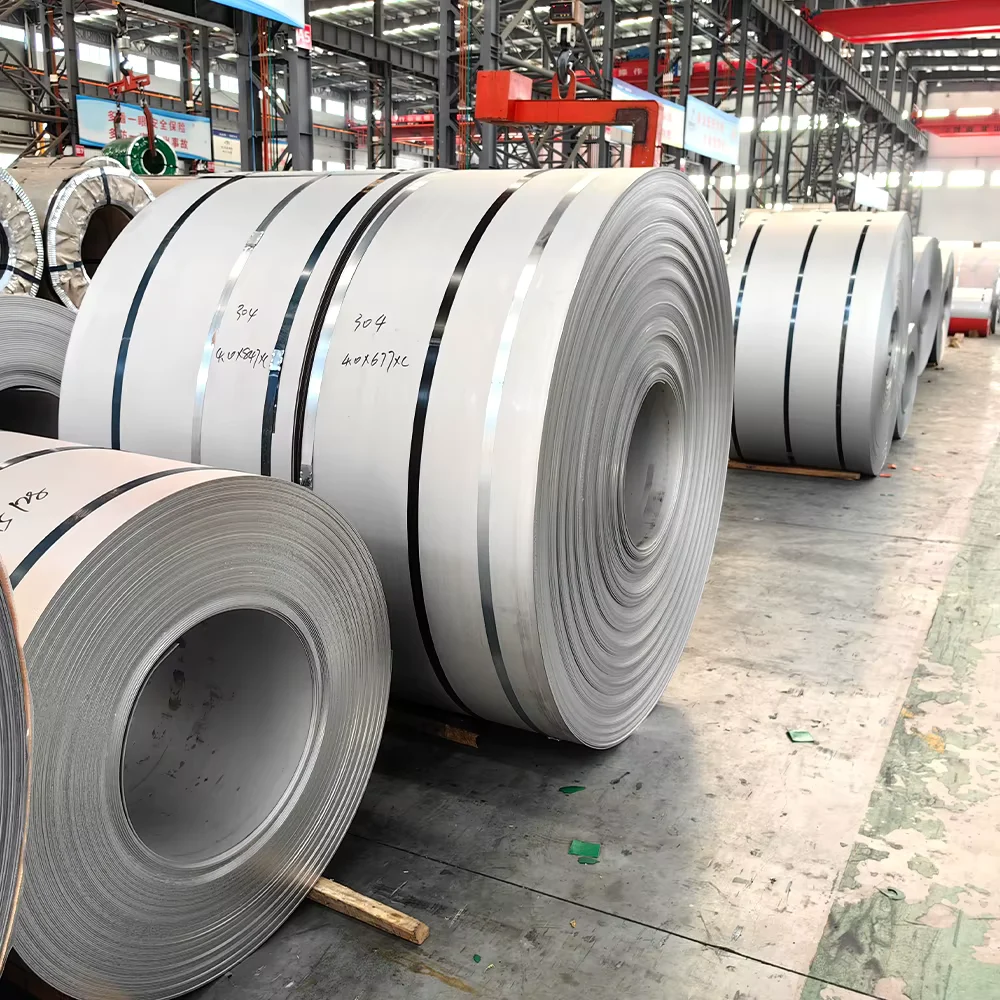
- Each coil labeled with heat number, grade designation (304/316L/410), thickness, width, and net weight for immediate identification at the fabrication shop
- FOB, CIF, and DDP terms available with professional export documentation handling and real-time shipment tracking from Jinan port to destination
Start Your Stainless Coil Procurement
Submit your specification sheet — grade, thickness, width, surface finish, and quantity — to receive a competitive bulk quotation within 12 hours, complete with mill test certificate samples and container loading plans. For non-standard slit widths or custom cut-to-length sheets, our technical team provides feasibility confirmation and lead-time estimates before you commit.
Request Your Quotation and Mill Test Certificate
Send your requirements to admin@sdxinjiyuan.com or contact via WhatsApp at +86 188 5315 7756 for immediate pricing on 304 316 410 stainless steel coil orders.
Frequently Asked Questions
Q: What is the difference between 304, 316L, and 410 stainless steel coil grades for my project?
A: 304 offers general-purpose corrosion resistance suitable for indoor architectural and food industry applications. 316L contains molybdenum for enhanced resistance to chloride pitting, making it necessary for coastal, chemical, and marine environments. 410 is a martensitic grade with higher hardness and moderate corrosion resistance, serving cutlery, shaft, and heat-treated component applications. We supply all three grades with full mill test certificates showing chemical composition for your verification.
Q: When should I specify 2B, BA, 8K mirror, or HL hairline surface finish?
A: 2B is the standard cold-rolled finish for industrial and food processing applications where appearance is secondary. BA (bright annealed) provides a reflective surface without additional polishing, suitable for appliance trim and elevator interiors. 8K mirror finish delivers maximum reflectivity for decorative architectural panels and lobby features. HL (hairline) offers a directional brushed appearance that hides fingerprints and handling marks, preferred for high-traffic public spaces.
Q: How do you ensure grade traceability and customs compliance for stainless steel coil shipments?
A: Every coil carries a unique heat number linking it to the original melt chemistry and rolling records. We provide original mill test certificates documenting chemical composition and mechanical properties per the applicable standard (ASTM, EN, or JIS). Third-party inspection from SGS or BV is available at our facility before container sealing, verifying both product conformity and documentation accuracy for destination-country customs requirements.
Q: Can you provide custom slit widths and cut-to-length sheets from master coils?
A: Yes, our slitting lines process 1000mm, 1219mm, and 1500mm master coils into narrow widths per your specification. Cut-to-length sheets are available in standard lengths (2000mm, 2438mm, 2440mm, 3048mm) or customized to your project dimensions. Minimum order quantity starts from 1 ton for trial orders, with full-container pricing available for bulk procurement.
Q: How do you optimize container loading for mixed-grade stainless steel coil orders?
A: Our export team designs loading plans that maximize container payload while maintaining separation between different grades and surface finishes to prevent cross-contamination. Heavy hot-rolled coils are positioned as base layers with cold-rolled and finished coils secured above using wooden cradles and anti-roll bracing. We provide detailed loading diagrams and photographs before container sealing for your records.