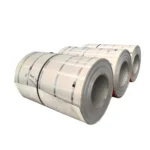
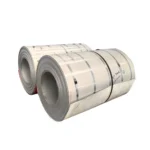
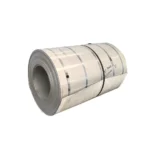
Description
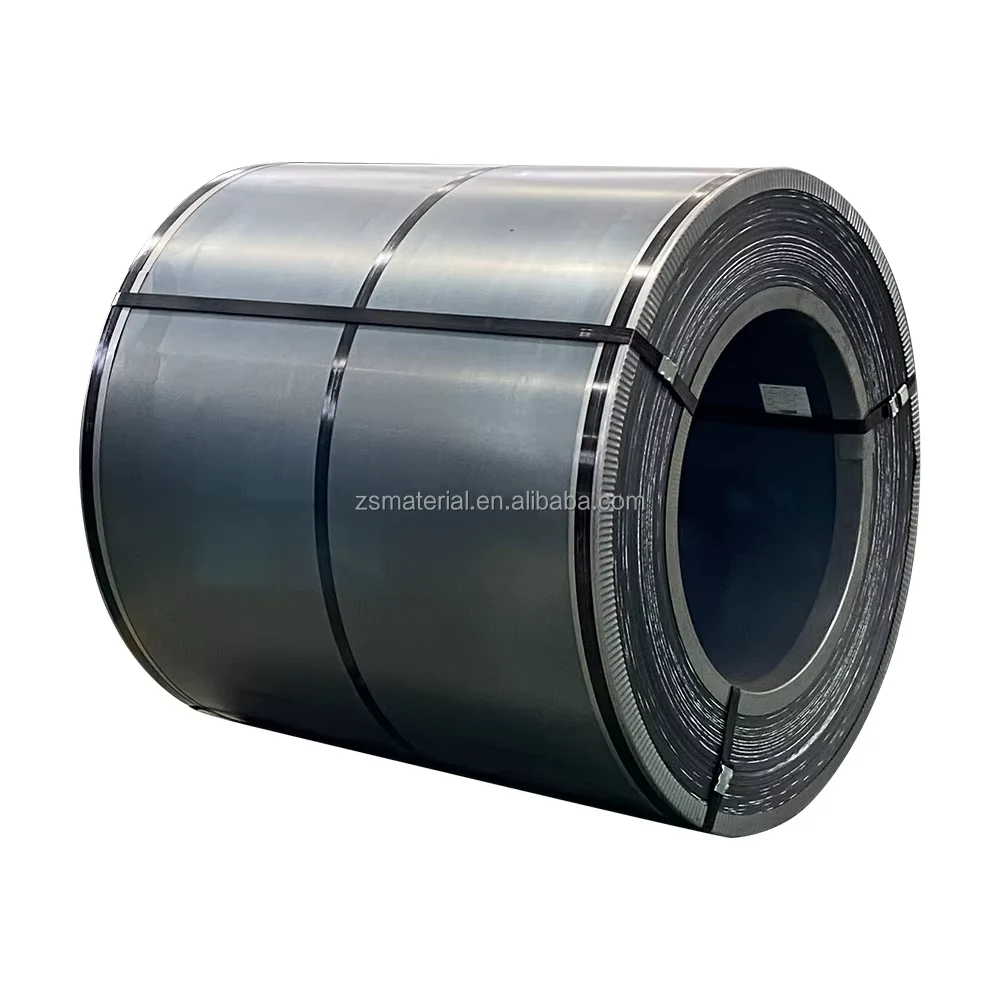
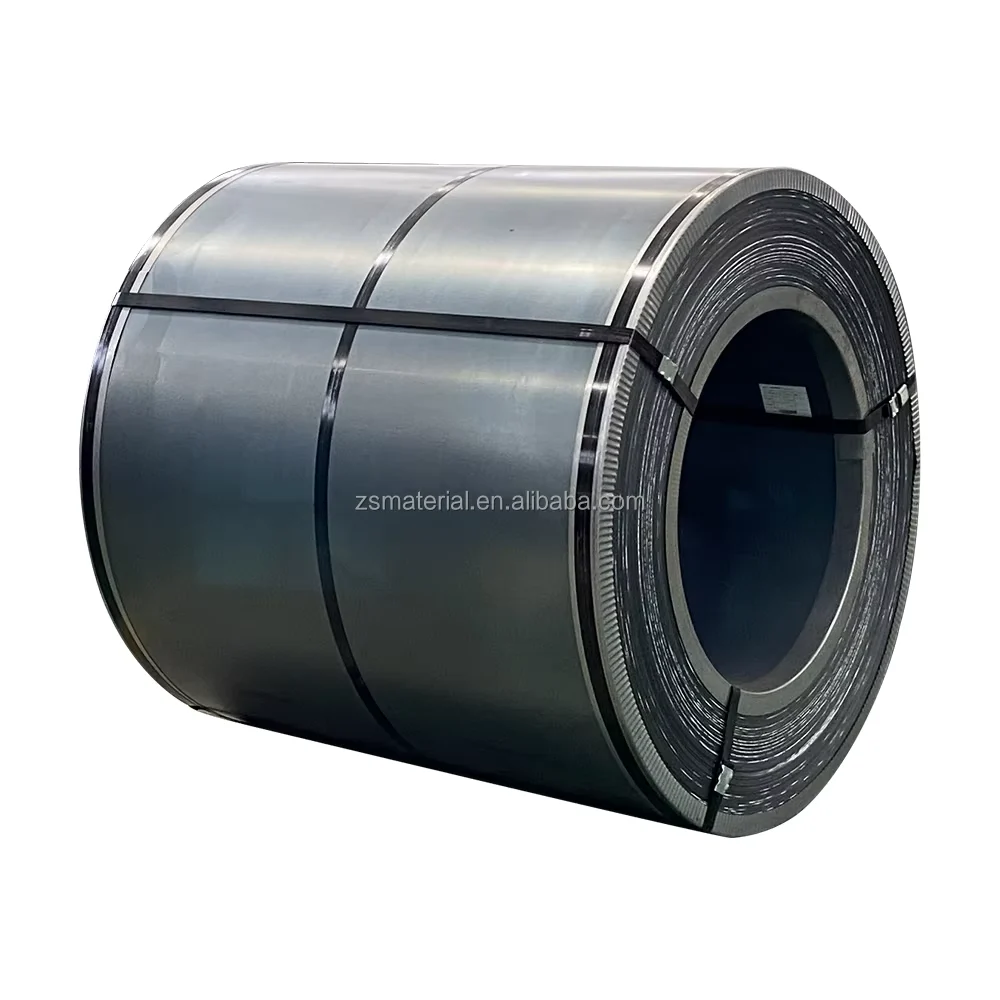
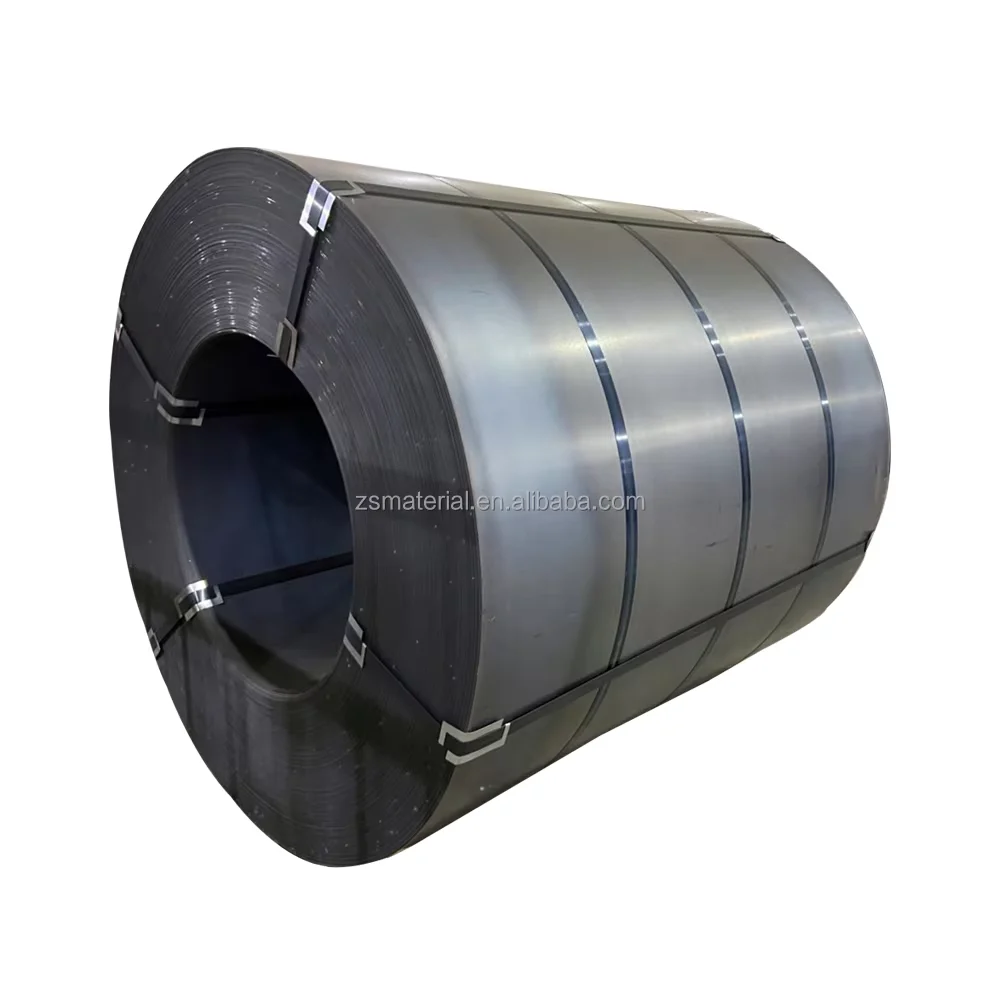
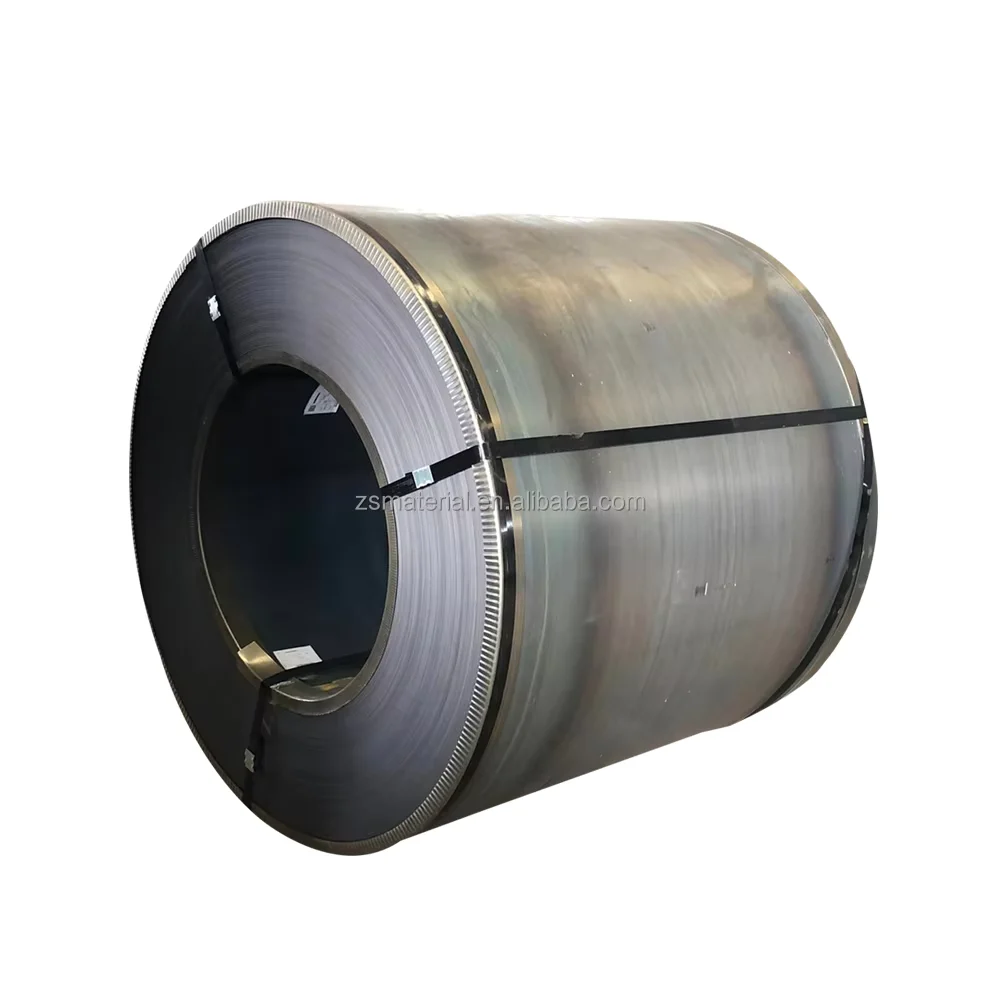
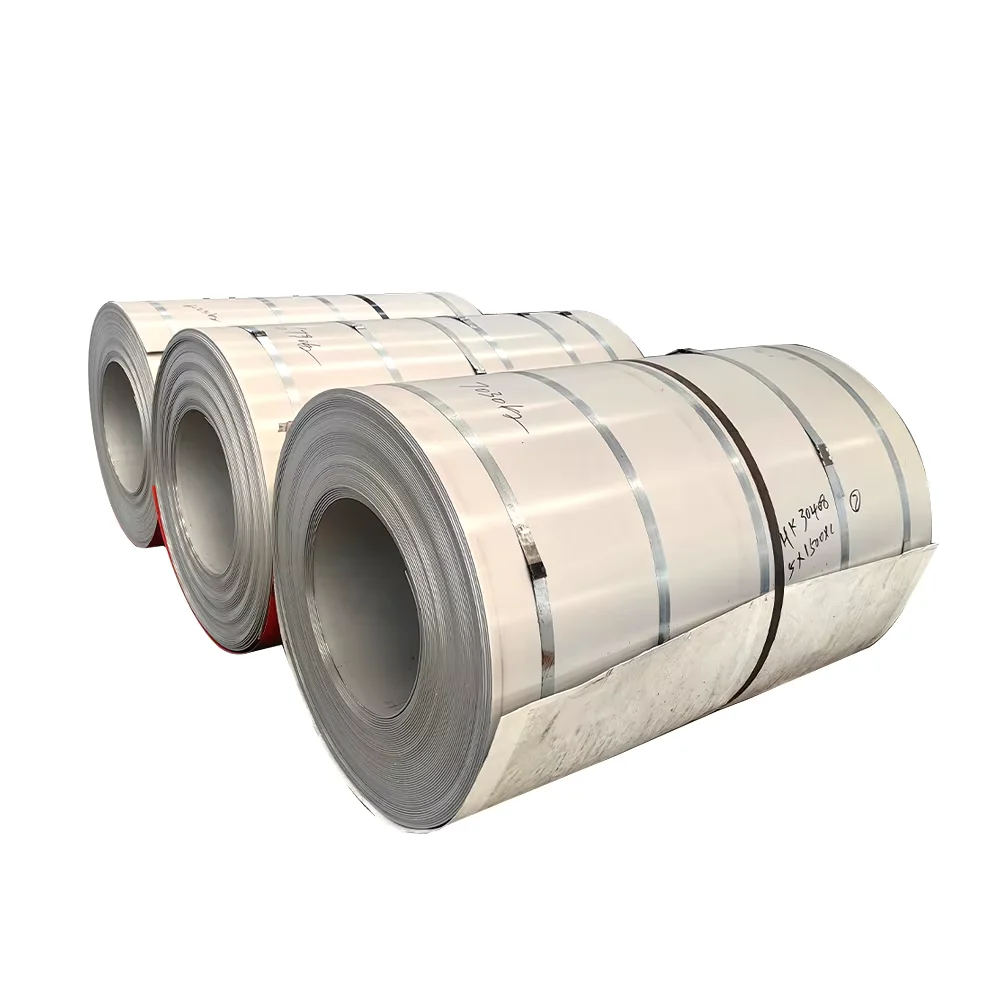
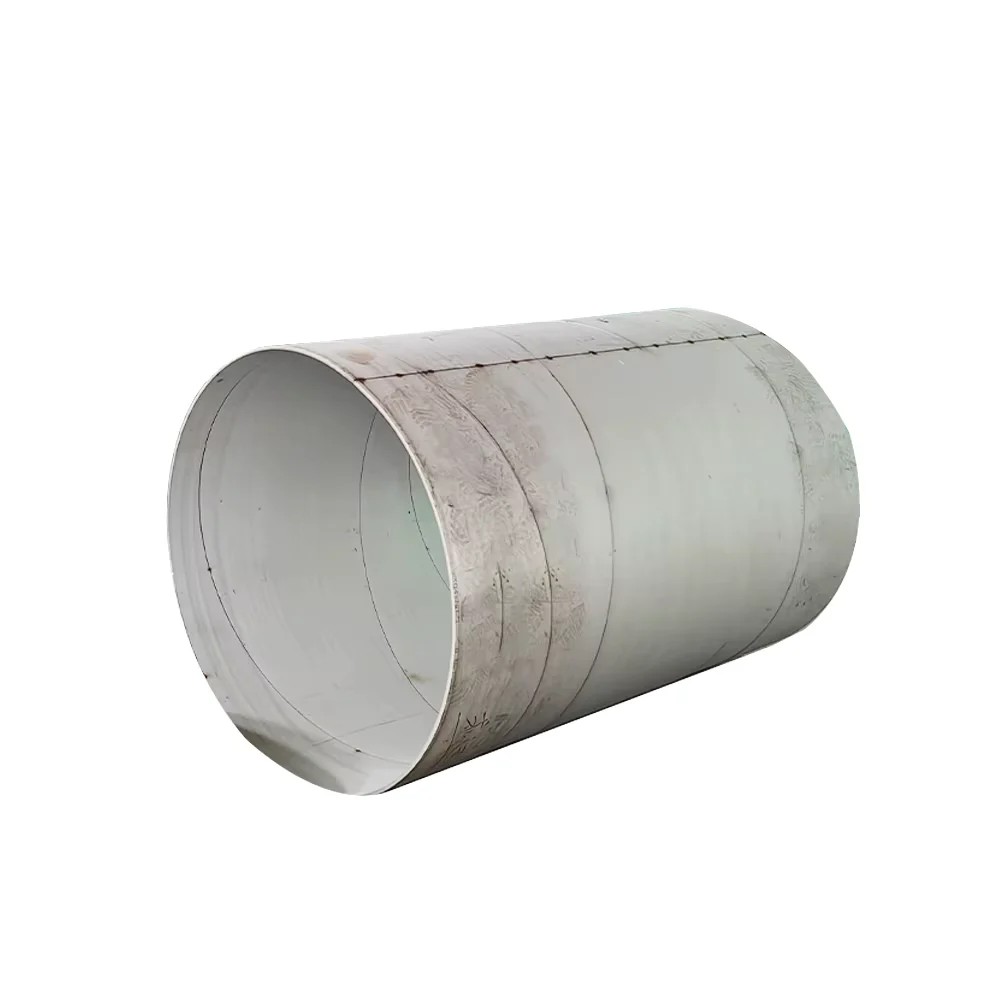
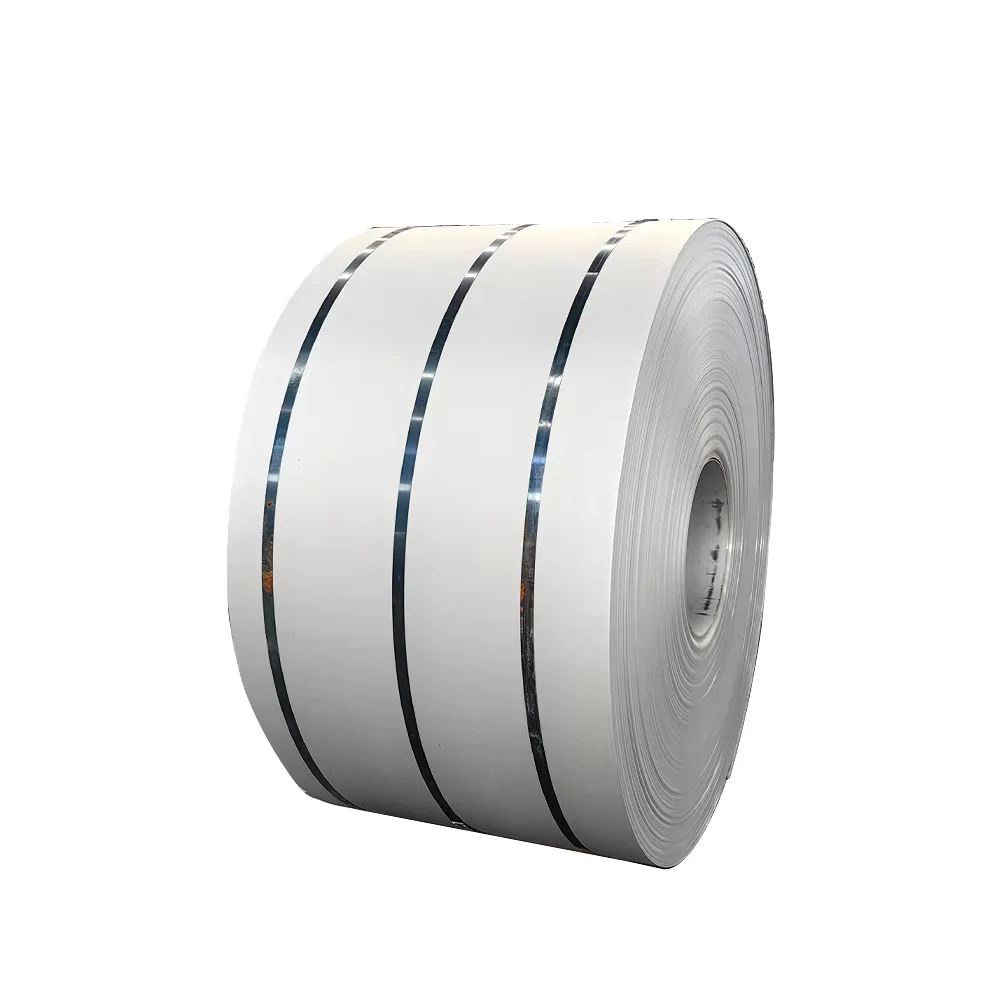
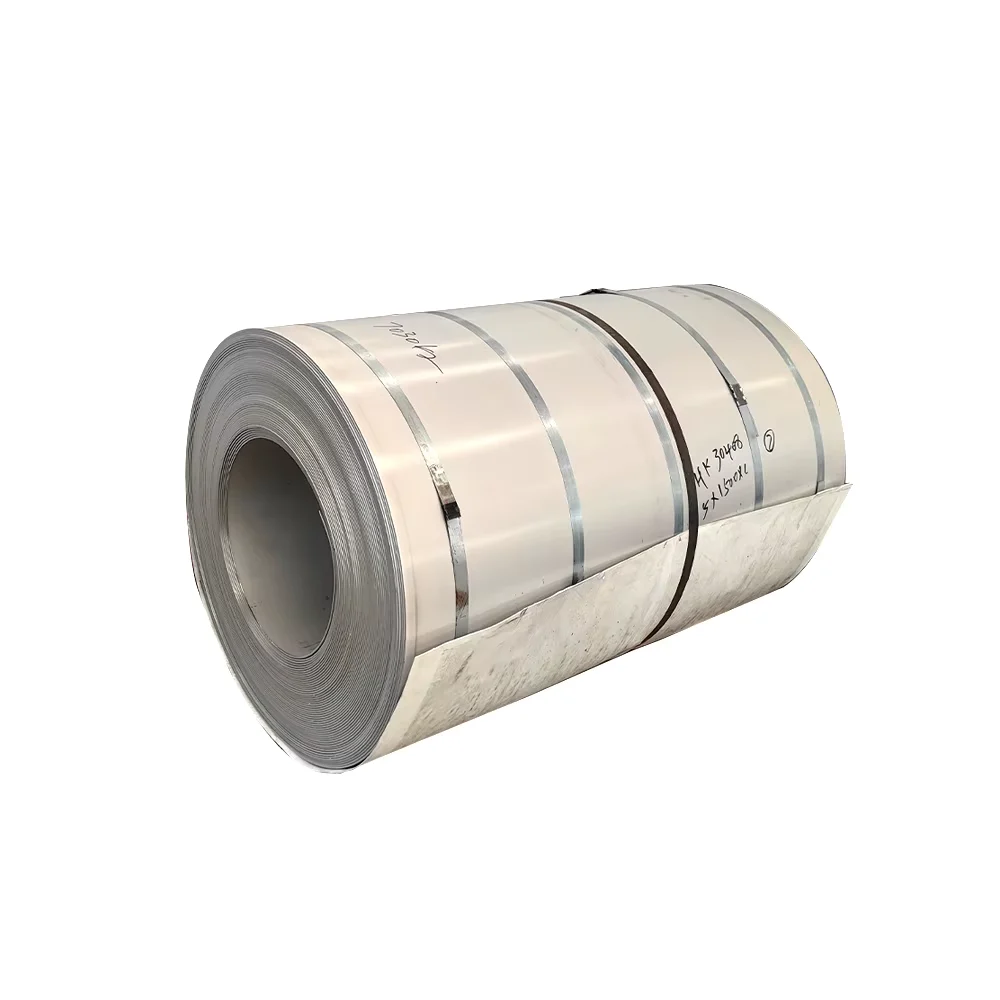
Factory-Direct Cold Rolled Strip — 0.2–3 mm thickness across austenitic, ferritic, and duplex grades shipped with original mill certificates from our Jinan production lines.
Technical Specifications
| Parameter | Value |
|---|---|
| Designation | Stainless Steel Strip |
| Product Type | Steel Coil / Strip |
| Steel Grade | 201, 202, 304, 304L, 316, 316L, 430, 436, 439, 409L, 904L, 310S, 2205, 2507, 321 |
| Standard | ASTM A240 / EN 10088 |
| Width | 1000 mm / 1219 mm / 1500 mm |
| Thickness | 0.2 mm – 3 mm |
| Technique | Cold Rolled |
| Surface Finish | 2B |
| Application | Industrial fabrication / Architectural cladding / Kitchen equipment / Chemical processing / Food processing equipment / Automotive trim / Heat exchangers |
| MOQ | 1 Ton |
| Origin | Shandong, China |
Application Suitability
| Industry | Typical Applications |
|---|---|
| Chemical & Petrochemical | Pressure vessel cladding, pipe insulation jackets, flange gaskets using 316L and 904L strip |
| Food & Beverage Processing | Conveyor belts, tank linings, sanitary work surfaces in 304 and 316L |
| Architectural & Decoration | Wall cladding panels, elevator interiors, ceiling grids with 2B finish 304 and 430 |
| Heat Exchanger Manufacturing | Tube-to-tubesheet wrappers, fin stock, baffle plates in 321 and 310S |
| Automotive & Transport | Exhaust trim, decorative moldings, structural brackets in 409L and 430 |
Thickness Tolerance Is Where Stainless Strip Orders Fail or Pass
A 0.04 mm deviation on a 0.35 mm strip can scrap an entire container before the first part is stamped.
I watched a Lagos factory lose a full 20-foot container of 304 strip because the supplier held negative tolerance so aggressively that 0.35 mm material measured 0.31 mm at the edges. The customer’s deep-drawing dies cracked the metal on the first hit. Nobody refunded the freight. Nobody refunded the material. The lesson was simple: tolerance is not a suggestion — it is the contract. When you source a 304 316 stainless steel strip supplier, you need written tolerance confirmation per ASTM A240 or EN 10088, verified by gauge readings at multiple points across the coil width, not a single center-line measurement. [NEED_CITE: ASTM A240 thickness tolerance requirements for cold rolled stainless strip]
Matching Grade Selection to Corrosive and Thermal Environments
A 304 316 stainless steel strip supplier must guide you through chloride concentration, temperature cycles, and forming severity before you commit to a grade. For coastal architectural cladding or food processing lines exposed to cleaning agents, 316L’s molybdenum content resists pitting that 304 cannot survive. In heat exchangers operating above 600 °C, 321’s titanium stabilization prevents chromium carbide precipitation at weld zones. Our coil inventory spans from ferritic 409L for mild exhaust environments through austenitic 201 and 304 for general fabrication, up to duplex 2205 and super duplex 2507 for offshore chloride service — all cold rolled to 2B finish in widths of 1000 mm, 1219 mm, or 1500 mm, thickness from 0.2 mm to 3 mm.
Engineering Compliance Across ASTM A240 and EN 10088 Frameworks
Procurement teams specifying stainless strip for EU projects must confirm EN 10088 compliance and CE marking availability; North American buyers need ASTM A240 test reports matching the heat number on each coil. The 2B cold rolled surface meets standard formability requirements for brake-forming and roll-forming operations without additional pickling. For chemical processing vessels, 904L strip conforms to NACE corrosion resistance benchmarks in sulfuric acid environments. Every coil we ship carries original mill test certificates documenting chemical composition and mechanical properties per the applicable standard, with SGS or BV third-party inspection available before container sealing. [NEED_CITE: EN 10088 stainless steel strip surface finish and tolerance classes]
Cold Rolling Precision and Surface Finish Fundamentals
Cold rolling stainless strip to 0.2 mm thickness requires multi-stand Sendzimir mills with automatic gauge control to hold tolerance within ±0.01 mm across the full 1500 mm width. The 2B finish — produced by cold rolling followed by skin-pass rolling on polished rolls — delivers a uniform matte reflectivity suitable for further polishing to No.4 or HL if the project demands it. Ferritic grades like 430 and 436 cold roll differently than austenitic 304: lower work-hardening rates allow tighter tolerances at thinner gauges, but require careful annealing atmosphere control to prevent surface carbide precipitation. Duplex grades 2205 and 2507 demand lower reduction per pass due to higher yield strength, which is why not every mill can offer them below 0.5 mm thickness. [NEED_CITE: cold rolling reduction limits for duplex stainless steel strip]
Hidden Costs When Strip Tolerance and Certification Fall Short
Material that fails thickness tolerance at the customer’s press means scrapped parts, delayed project milestones, and air-freight replacement costs that erase any initial price savings. Missing or mismatched mill certificates trigger customs holds at EU and Middle Eastern ports — a coil without the correct heat number traceability cannot clear CE-marked project inspections. [NEED_CITE: customs documentation requirements for stainless steel imports in EU] Grade substitution — receiving 201 instead of 304 — passes visual inspection but fails salt-spray testing within weeks on a coastal installation, forcing full facade replacement. These are not theoretical risks; they are the standard failure modes when buyers select a supplier based on quoted price alone.
Procurement Confidence Through Verified Production and Inspection
We operate three cold rolling lines in Jinan with in-house metallurgical labs that perform chemical spectroscopy, tensile testing, and hardness verification on every heat before coil packaging. Each 304 316 stainless steel strip shipment includes the original mill test certificate with heat number traceability from slab to finished coil. Our export team consolidates multi-grade orders into single containers — a project buyer can load 304 architectural strip, 316L chemical processing strip, and 430 decorative strip in one shipment with unified documentation. Volume partners receive pricing reviews every six months, and we maintain ready stock across standard widths and thicknesses to support urgent project timelines.
Documentation & Compliance
- Mill Test Certificate per ASTM A240 documenting 304 and 316L chemical composition (C, Cr, Ni, Mo) and mechanical properties (tensile strength, yield strength, elongation) by heat number
- EN 10088 compliance statement for European project specifications covering surface finish class and thickness tolerance
- ISO 9001:2015 quality management certificate covering the full cold rolling and annealing process
- SGS or BV third-party inspection report available before container loading, verifying dimensions, surface quality, and packaging
- Heat number traceability from slab casting through cold rolling to finished coil, recorded on every test certificate
- Full customs documentation package including commercial invoice, packing list, bill of lading, and certificate of origin
Packaging, Loading & Delivery
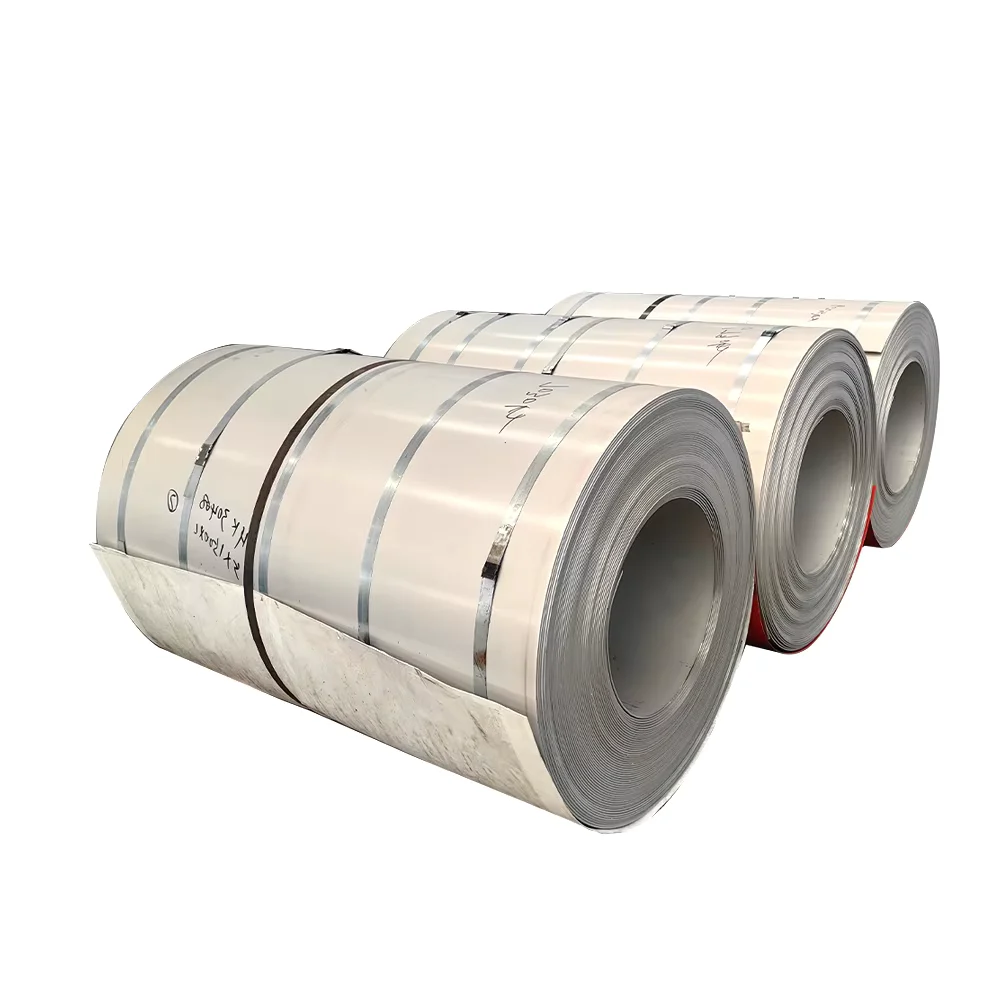
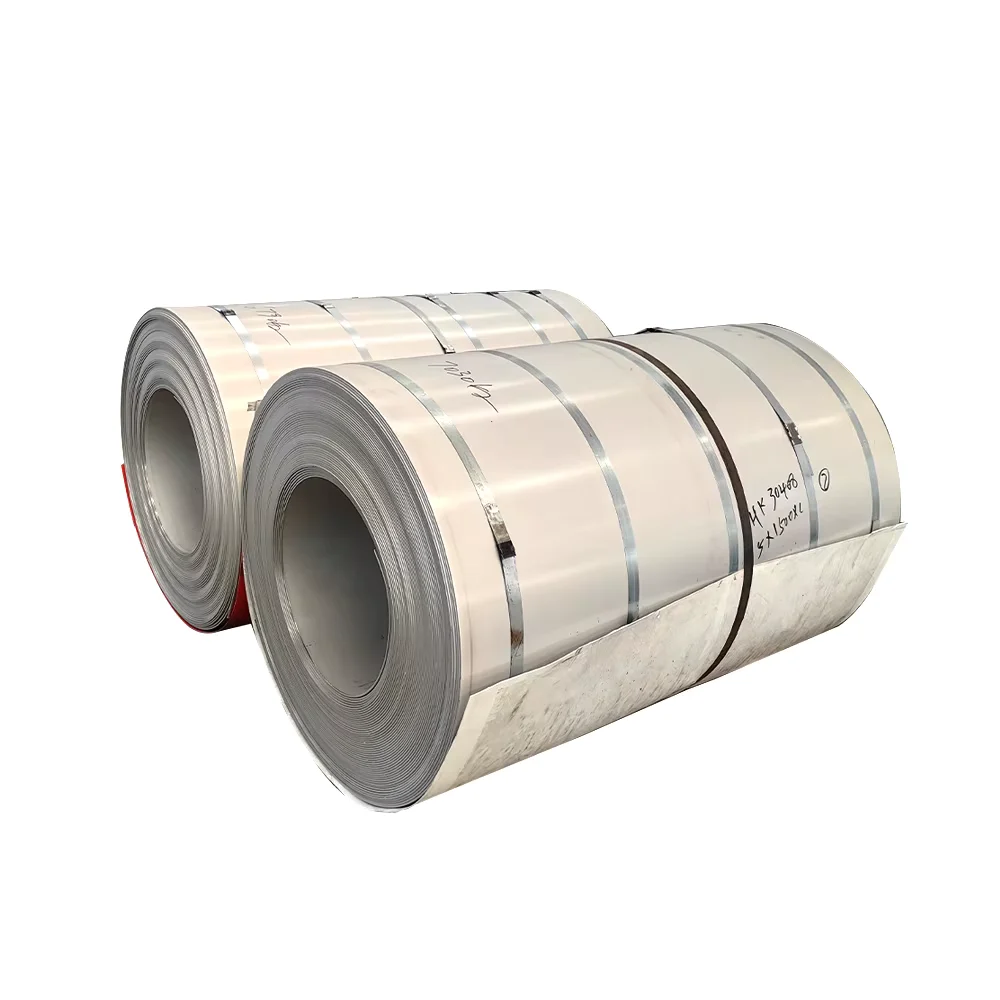
- Cold rolled 2B finish coils wrapped in three layers: inner plastic film to prevent moisture contact, middle kraft paper for scratch protection, outer steel sheet for ocean transit durability
- Coil edges protected by galvanized steel edge guards to prevent 2B surface damage during handling and container loading
- Standard coil weights optimized for 20-foot container loading: 1000 mm width coils at 5–8 tons, 1219 mm and 1500 mm width coils at 8–15 tons, maximizing container payload
- Each coil labeled with heat number, steel grade (e.g., 304, 316L), thickness, width, and net weight for warehouse identification
- FOB Jinan or Qingdao port, with CIF and DDP options available; professional container loading plans for mixed-width orders
- Typical production lead times apply for standard specifications; custom slit widths or non-standard thickness require confirmation of rolling schedule
Requesting a Quotation with Mill Test Verification
Submit your required steel grade, thickness, width, total tonnage, and destination port — we respond within 12 hours with pricing, available stock confirmation, and a sample mill test certificate from the current production heat. For non-standard thickness below 0.3 mm or custom slit widths outside 1000/1219/1500 mm, our technical team provides a rolling feasibility assessment and lead time estimate before you commit.
Frequently Asked Questions
Q: What is the difference between 304 and 316L stainless steel strip for coastal applications?
A: 316L contains 2–3% molybdenum, which provides superior resistance to chloride pitting and crevice corrosion in marine and de-icing salt environments. For inland architectural or general fabrication use, 304 is sufficient; for coastal cladding, chemical processing, or food processing with chloride-based cleaners, 316L is the standard specification per ASTM A240.
Q: Can you provide SGS inspection before shipment for a 304 316 stainless steel strip order?
A: Yes. SGS or BV third-party inspection is available on request for any order. The inspector verifies coil dimensions, surface finish quality, packaging integrity, and confirms that the heat numbers on the coils match the mill test certificates before the container is sealed.
Q: What is the minimum order quantity for custom slit widths?
A: The standard MOQ is 1 Ton. For custom slit widths not matching our standard 1000 mm, 1219 mm, or 1500 mm master coils, the MOQ depends on the number of slit widths required and the total weight per width — our team confirms feasibility and lead time after receiving your specification.
Q: Do you supply duplex 2205 and 2507 stainless steel strip in thin gauges?
A: Yes, we supply 2205 and 2507 duplex stainless steel strip in the 0.2–3 mm thickness range, cold rolled to 2B finish. Due to the higher yield strength of duplex grades, availability in gauges below 0.5 mm depends on current rolling schedules — we confirm stock or production lead time upon inquiry.
Q: What documentation do you provide for EU customs clearance?
A: Every shipment includes the mill test certificate per EN 10088, CE compliance statement, commercial invoice, packing list, bill of lading, and certificate of origin. For projects requiring EN 10088 surface finish and tolerance class declarations, we include these on the test certificate.
Secure Your Stainless Strip Supply with Verified Certificates
Send your grade, thickness, width, and quantity to receive a quotation with mill test certificate sample and stock availability within 12 hours.
Shandong Xin Jiyuan Special Steel Tube Co., Ltd
Tel: +86 531 8573 6315
Mobile/WhatsApp/WeChat: +86 188 5315 7756
Email: admin@sdxinjiyuan.com