Description
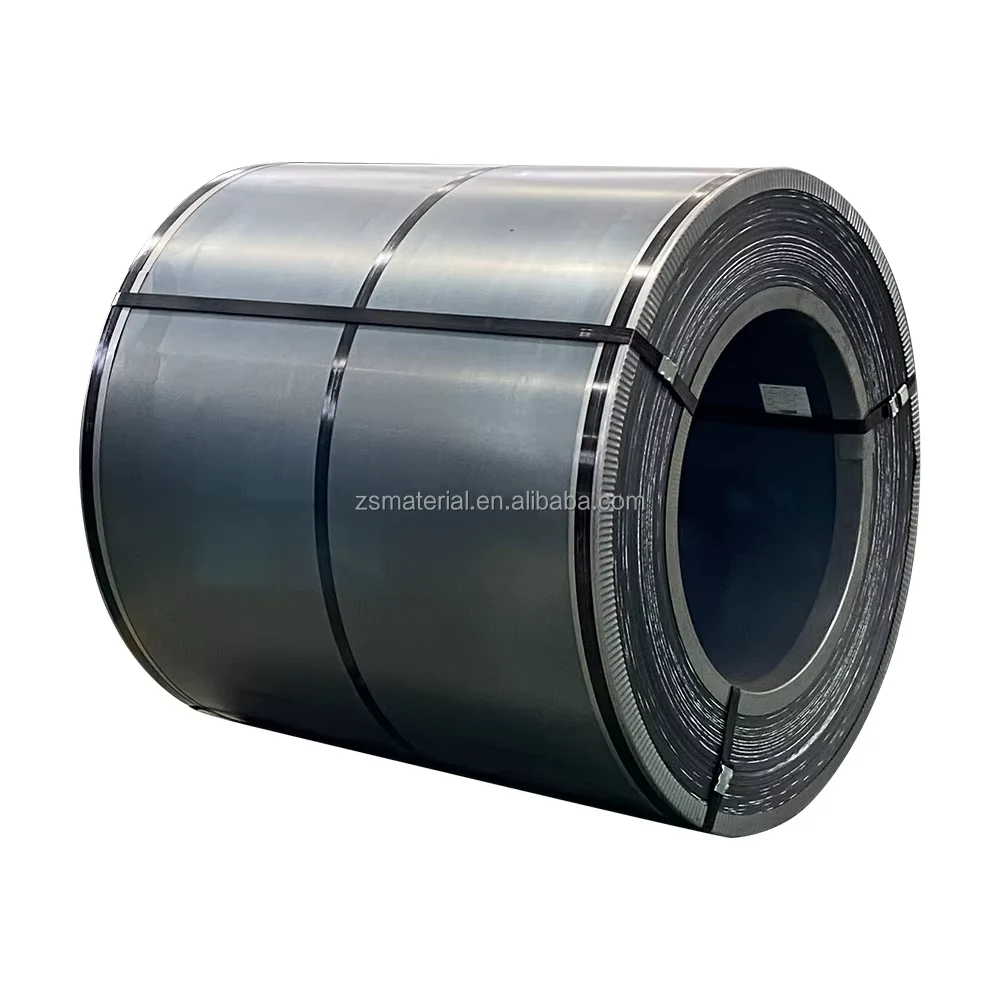
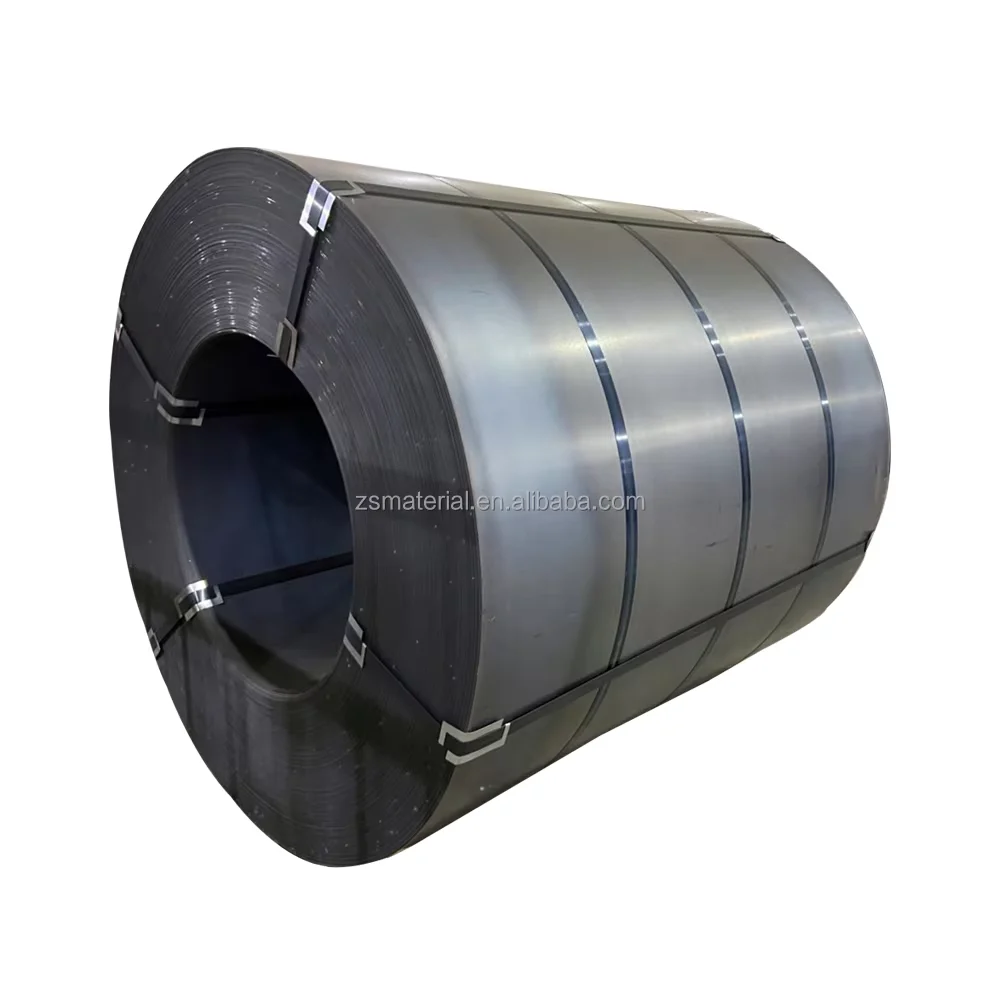
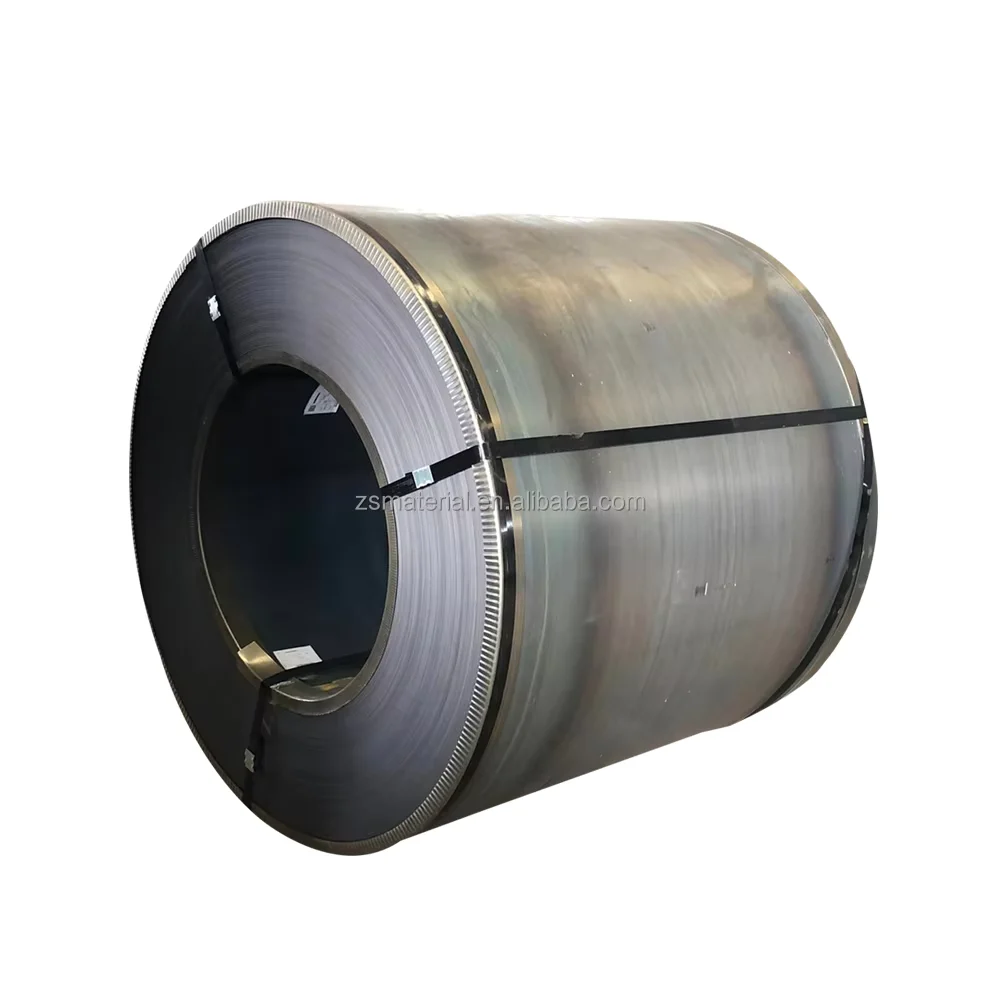
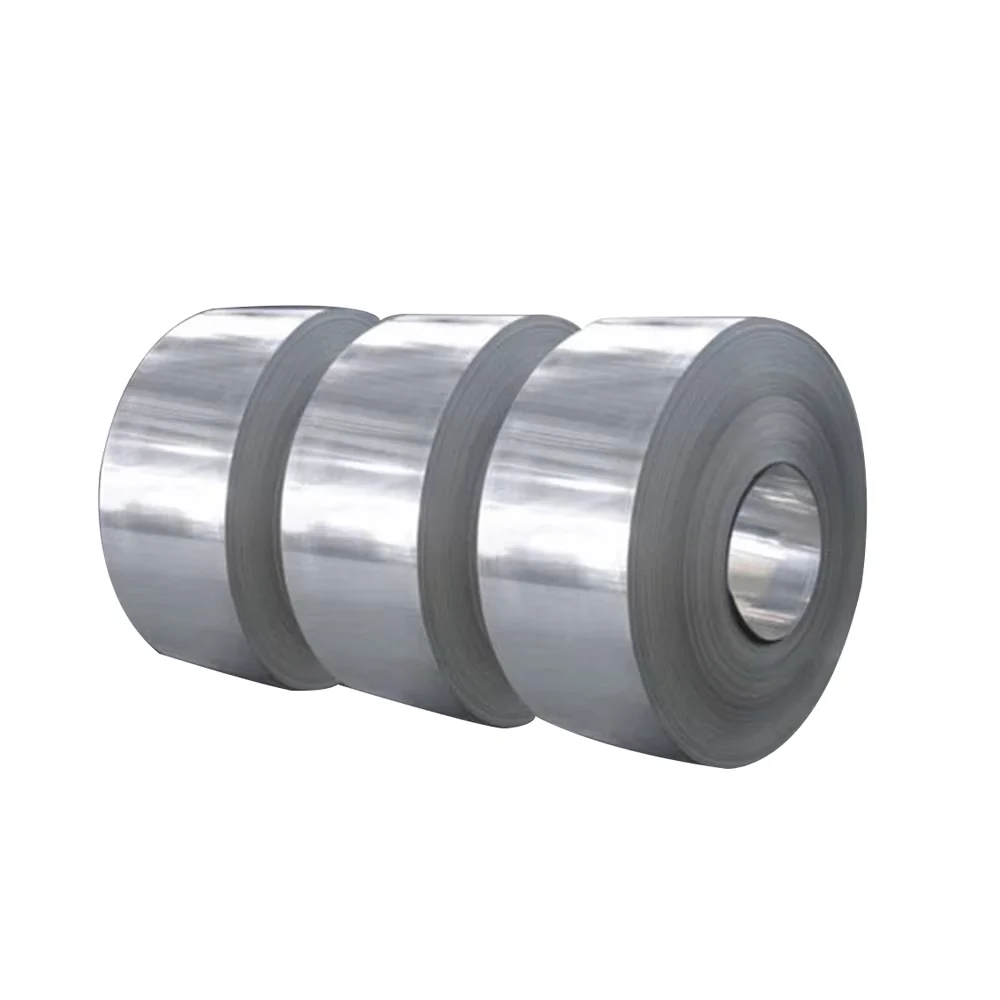
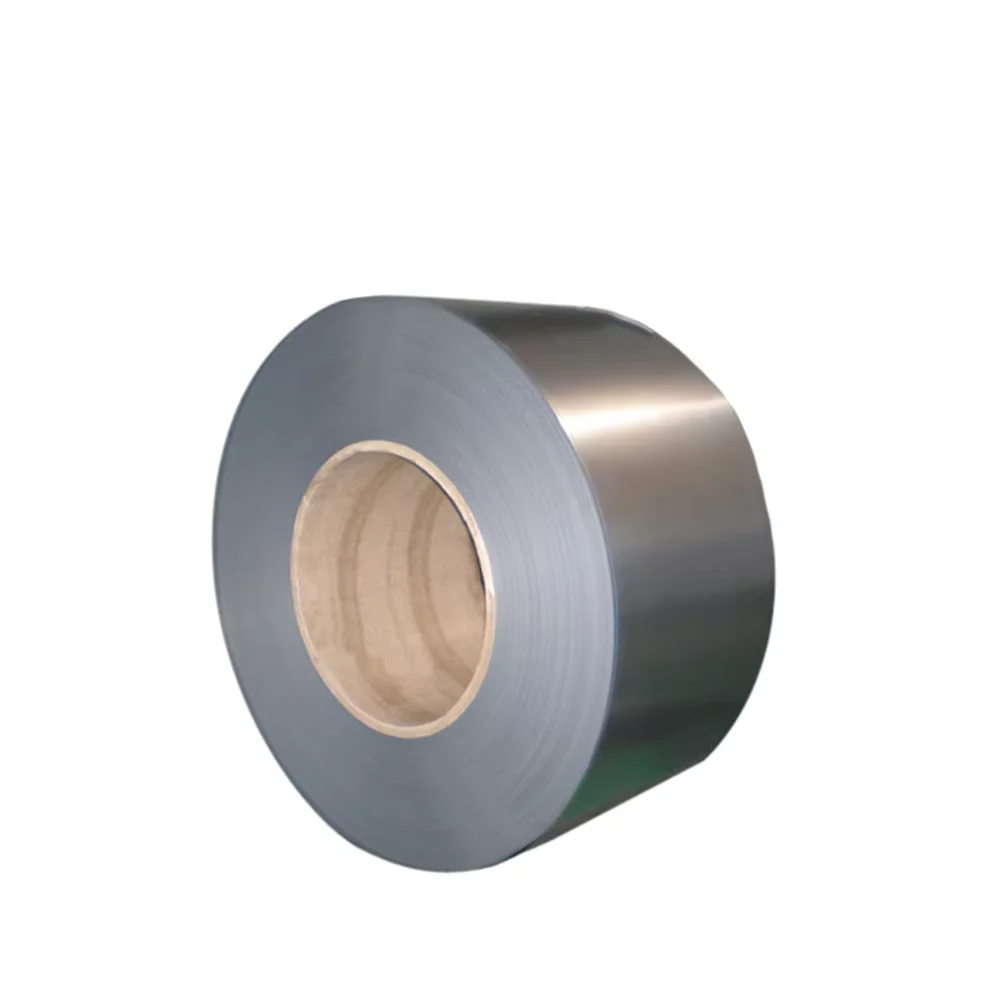
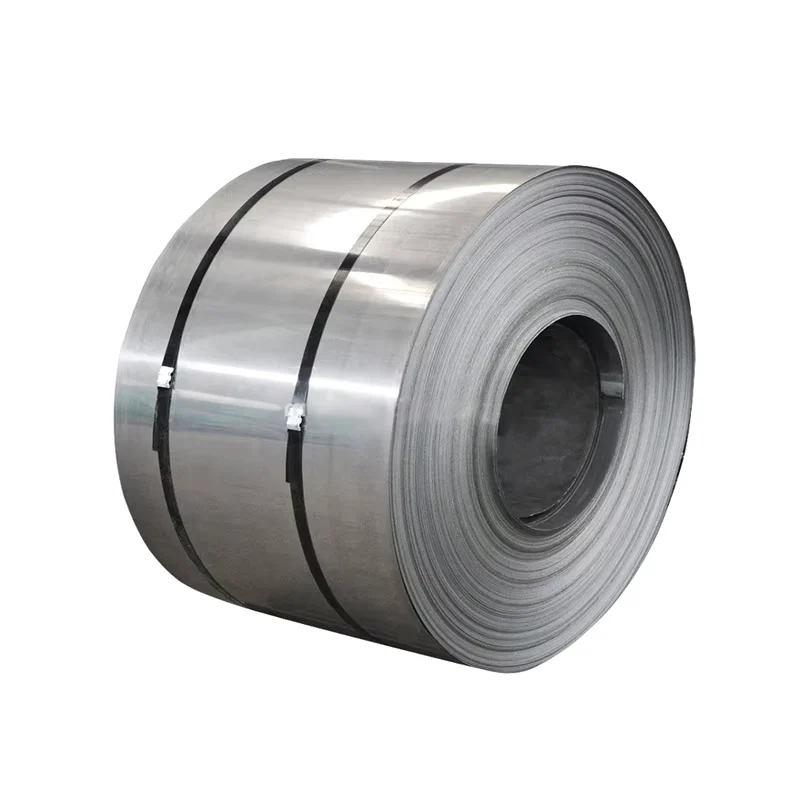
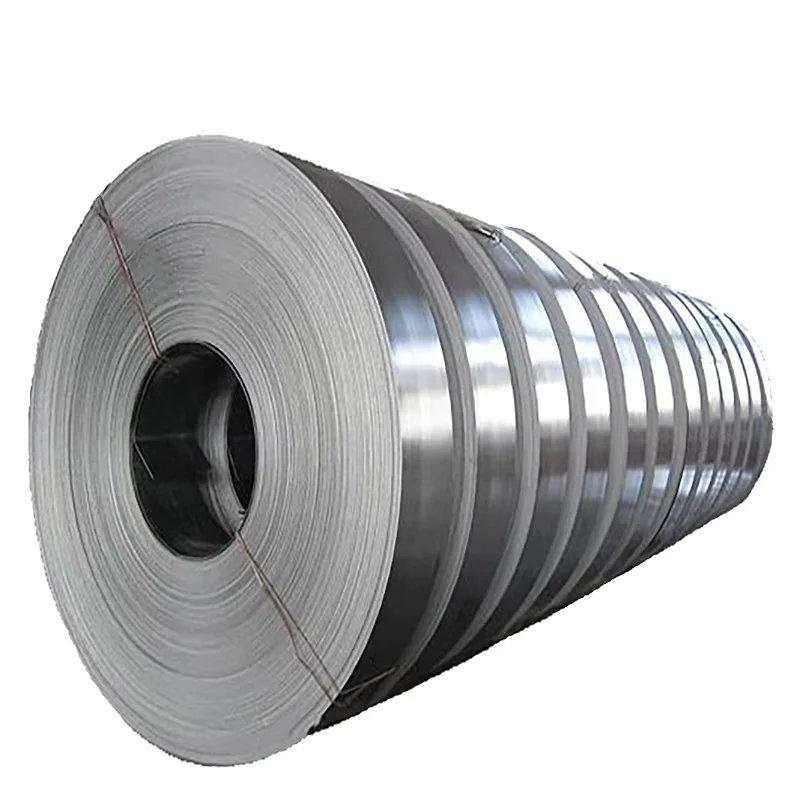
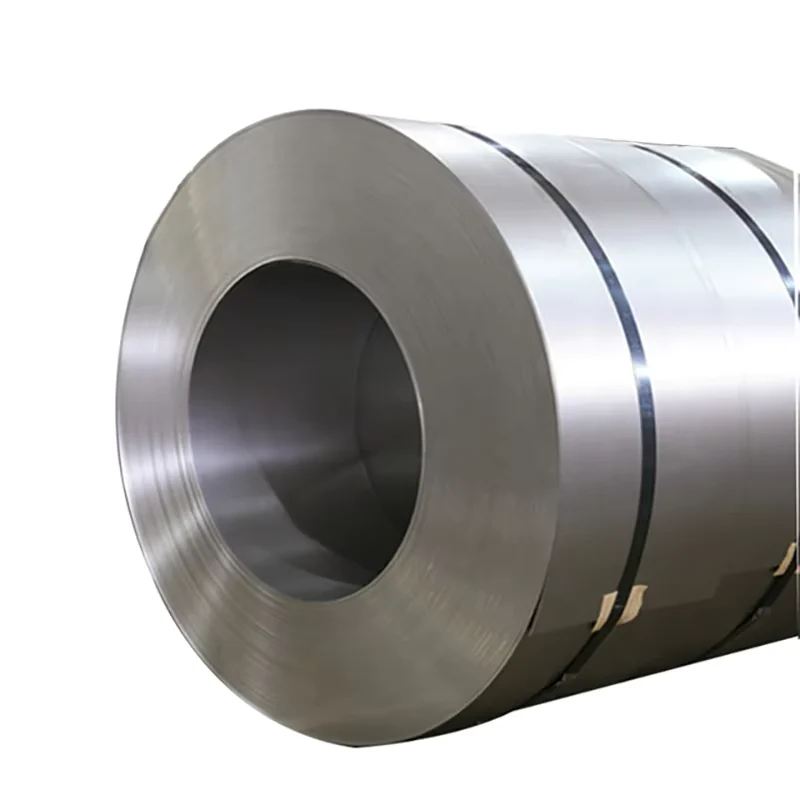
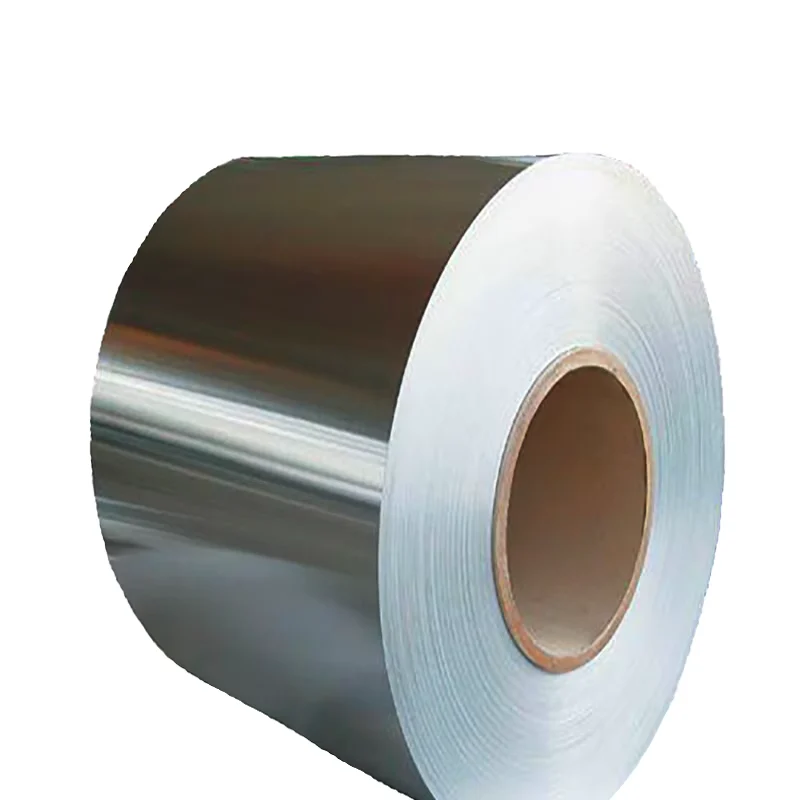
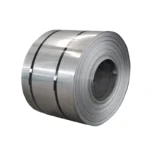
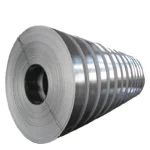
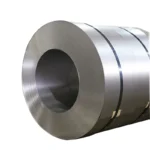
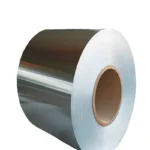
Factory-Direct Stainless Steel Coil — Every batch shipped with original mill test certificates for 201, 304, 316, and 430 grades.
Technical Specifications
| Parameter | Value |
|---|---|
| Designation | 201/304/316/430 Stainless Steel Coil |
| Product Type | Steel Coil |
| Steel Grade | 201, 202, 304, 310S, 316, 430, 904L, 2205 |
| Standard | ASTM, JIS, GB, AISI, DIN, BS, EN |
| Technique | Hot Rolled / Cold Rolled |
| Width Options | 1000mm, 1219mm, custom widths available |
| Surface Treatment | Gold finish available |
| Application | Chemical industry, Food processing, Construction, General fabrication |
| Origin | Shandong, China |
Application Suitability
| Industry | Typical Applications |
|---|---|
| Chemical Processing | Reactor vessels, piping systems, storage tanks requiring 316/904L chloride resistance |
| Food & Beverage | Hygienic work surfaces, fermentation tanks, conveyor components in 304 grade |
| Construction & Architecture | Roof cladding, decorative wall panels, elevator interiors using 430 or gold-finish coil |
| General Fabrication | Enclosures, brackets, frames for machinery and equipment housings |
Why Grade Substitution Destroys a Container at Destination Port
Mixing 201 into a 304 order is the fastest way to fail a third-party nickel content test.
I watched a full container of stainless steel coil get held at Ho Chi Minh City port because the buyer’s inspector found nickel levels below 304 specification — the supplier had substituted 201 without disclosure. For any 304 316 stainless steel coil supplier, grade traceability is not optional paperwork; it is the difference between cargo release and a USD 40,000 return shipment. Buyers sourcing from fragmented vendors face inconsistent chemistry reports, missing heat numbers, and surface finish claims that cannot be verified against mill records [NEED_CITE: stainless steel grade verification procedures for import inspection].
Matching Coil Grade to Corrosion Environment and Fabrication Method
A 304 316 stainless steel coil selection must begin with the service environment. Austenitic grades 304 and 316 handle food processing and moderate chloride exposure, while 316 and 904L are specified for chemical plants where sulfuric or hydrochloric media are present. Ferritic 430 serves interior architectural applications where cost matters more than weld ductility. Duplex 2205 bridges the gap for offshore or high-strength structural needs. Our cold rolled coil holds tighter thickness tolerance for precision stamping, while hot rolled material suits structural forming where surface appearance is secondary.
Engineering Compliance Across ASTM, EN, and JIS Frameworks
Procurement teams sourcing a 304 316 stainless steel coil must verify that the supplied grade conforms to the standard referenced in project specifications — ASTM A240 for North American projects, EN 10088 for European construction, or JIS G4304/G4305 for Japanese-spec facilities. Chemical composition limits for carbon, chromium, nickel, and molybdenum differ slightly between these frameworks, and customs authorities in the EU increasingly request EN-compliant test certificates [NEED_CITE: EN 10088 stainless steel flat product requirements]. Gold-finish decorative coil for architectural cladding must additionally meet surface roughness and color consistency expectations that go beyond standard mill finish specifications.
Hot Rolled vs Cold Rolled: Process Choice Drives Cost and Precision
Hot rolled stainless steel coil is produced above the recrystallization temperature, yielding a scaled surface and wider thickness tolerance — suitable for structural brackets and industrial frames where dimensional precision is less critical. Cold rolled coil undergoes further reduction at room temperature, producing a smoother surface, tighter gauge control, and higher strength through work hardening. For food processing equipment fabricated from 304, cold rolled material provides the flatness needed for laser cutting and the surface quality required for sanitary welding. The 2205 duplex grade benefits from controlled cold rolling to achieve its characteristic higher yield strength without compromising corrosion resistance.
The Hidden Cost of Unverified Grade and Missing Certification
Accepting a 304 316 stainless steel coil without original mill test certificates exposes the buyer to three failure modes: customs rejection due to incomplete documentation, project audit failure when heat numbers cannot be traced, and field corrosion when actual chemistry does not match the specified grade. A single container of mislabeled coil can halt an entire fabrication line and trigger contractual penalties from the end client [NEED_CITE: consequences of material non-conformance in engineering procurement]. Third-party inspection by SGS or BV before shipment eliminates this risk at a cost that is a fraction of a rejected container.
Why Buyers Return for Repeat Orders
We operate three production lines with monthly capacity exceeding 20,000 tons, covering the full range from 201 to 904L in both hot and cold rolled finish. Every order ships with original mill test certificates documenting chemical composition per the specified standard. Our in-house laboratory conducts three-stage inspection covering composition, mechanical properties, and surface quality. For buyers needing mixed-grade container loads — say 304 for kitchen equipment and 430 for decorative panels — we consolidate multiple products into a single shipment with unified documentation. Volume partners receive pricing reviews every six months and dedicated account management for repeat procurement cycles.
Documentation & Compliance
- Mill test certificate documenting 304 chemical composition (Cr 18-20%, Ni 8-10.5%) and mechanical properties per ASTM A240 or EN 10088
- CE certificate covering stainless steel flat products for construction applications under EN 10088
- ISO 9001:2015 quality management certificate covering the full production and inspection process
- SGS or BV third-party inspection report verifying grade, dimensions, and surface quality before shipment
- Full material traceability by heat number from slab to finished coil
- Export documentation including packing list, bill of lading, and certificate of origin for customs clearance
Packaging, Loading & Delivery
- Cold rolled 304 316 stainless steel coil wrapped in moisture-proof paper and outer steel sheet to prevent surface scratching during ocean transit
- Hot rolled coil bundled with steel strips and edge protectors to maintain edge integrity for 1000mm and 1219mm widths
- Container loading optimized by our export team to maximize weight utilization for heavy-gauge coil while respecting port weight limits
- Gold-finish decorative coil packed with interleaving paper to preserve surface appearance for architectural applications
- Each coil labeled with heat number, grade designation (201/304/316/430), thickness, width, and net weight for site identification
- FOB, CIF, and DDP terms available with real-time shipment tracking from Jinan port to destination
Start Your Procurement with Grade Verification
Submit your required steel grade, thickness, width, quantity, and destination port to receive a competitive quotation with delivery timeline and mill test certificate sample. For non-standard widths or custom surface finish requirements including gold-finish decorative coil, we provide technical confirmation within one business day.
Request Your Stainless Steel Coil Quotation Today
Send specifications via email to admin@sdxinjiyuan.com or contact us on WhatsApp at +86 188 5315 7756 to receive pricing, mill test certificates, and container loading plans for your next bulk order.
Frequently Asked Questions
Q: What is the difference between 201, 304, and 316 stainless steel coil for my application?
A: 201 offers lower cost with reduced nickel content, suitable for interior decorative use. 304 provides general corrosion resistance for food processing and architectural applications. 316 adds molybdenum for superior chloride resistance in chemical and marine environments. We supply all three grades with full chemical composition documentation.
Q: Can I order custom widths beyond the standard 1000mm and 1219mm stock?
A: Yes, we produce stainless steel coil in custom widths based on your slitting requirements. Standard stock in 1000mm and 1219mm is available for immediate dispatch, while custom widths require typical production lead times.
Q: Do you provide mill test certificates and third-party inspection for export orders?
A: Every batch ships with original mill test certificates documenting chemical composition and mechanical properties per the specified standard. SGS or BV third-party inspection is available on request before shipment to verify grade, dimensions, and surface quality.
Q: What is the minimum order quantity for stainless steel coil?
A: We accept trial orders starting from one ton for new customers testing material quality. Volume orders receive progressive pricing discounts, with long-term partners receiving pricing reviews every six months.
Q: How do you optimize container loading for mixed-grade coil orders?
A: Our export team designs loading plans that maximize weight utilization while accommodating multiple grades and surface finishes in a single container. This reduces shipping cost per ton and simplifies customs documentation for multi-product shipments.