Custom Steel Components for Shipbuilding OEM Buyers EN10219 Supplier
Most procurement teams assume EN10219 is strictly for land-based construction, missing its critical role in modern ship superstructures.
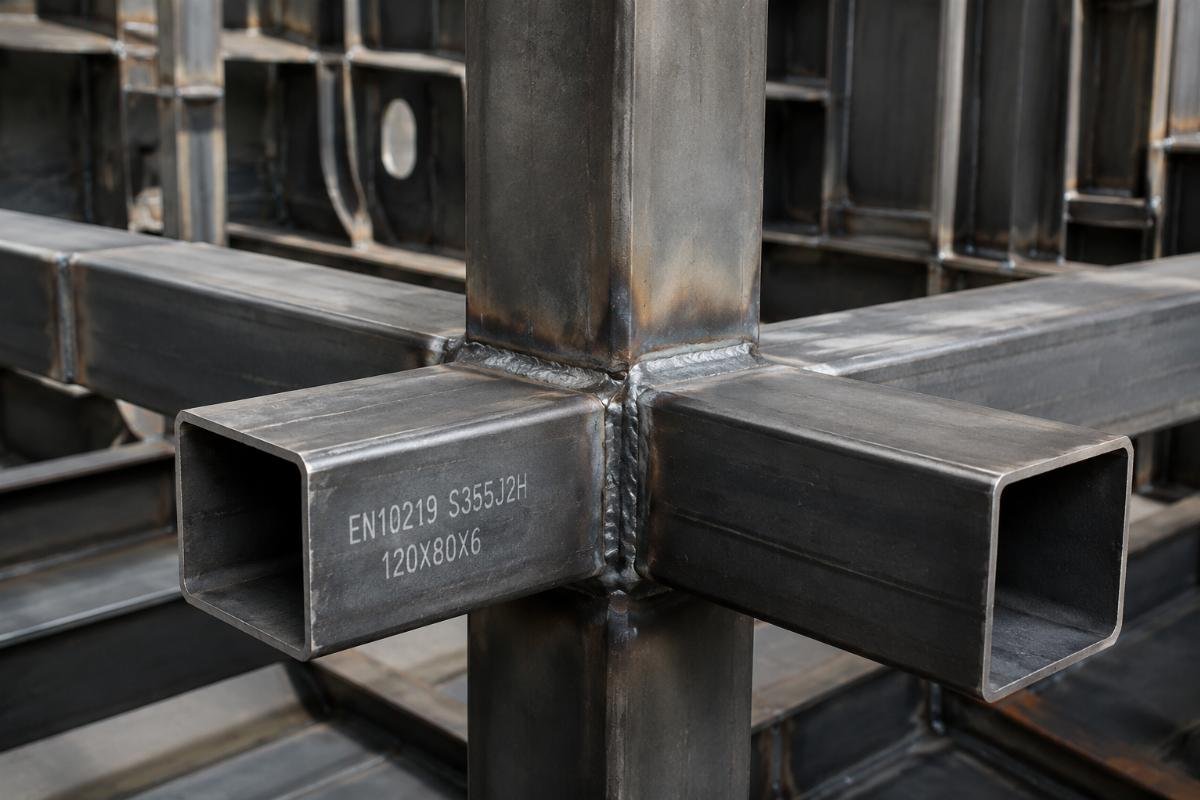
EN10219 cold-formed structural hollow sections are fully viable for non-hull shipbuilding applications, including accommodation modules, internal scaffolding, and support frames, provided the grade selection aligns with class society impact testing requirements.
The distinction between hull plate standards and structural tubing specifications often causes confusion during the initial sourcing phase. While hull plates require specific certifications like EN10225 or ABS grades, the internal framework of a vessel operates under different mechanical stresses. Using over-engineered hull-grade steel for interior supports adds unnecessary weight and cost, whereas standard building steel lacks the necessary toughness for marine environments. The solution lies in correctly specifying EN10219 steel with appropriate low-temperature impact values. [NEED_CITE: differentiation between EN10219 and EN10225 application scopes in marine engineering]
Transitioning from general construction to marine applications requires a shift in how we view material certification. It is not just about yield strength; it is about verifying that the steel can withstand the dynamic loads and temperature variations encountered at sea without failing.
Why Superstructures Demand Cold-Formed Precision Over Hot-Rolled Bulk
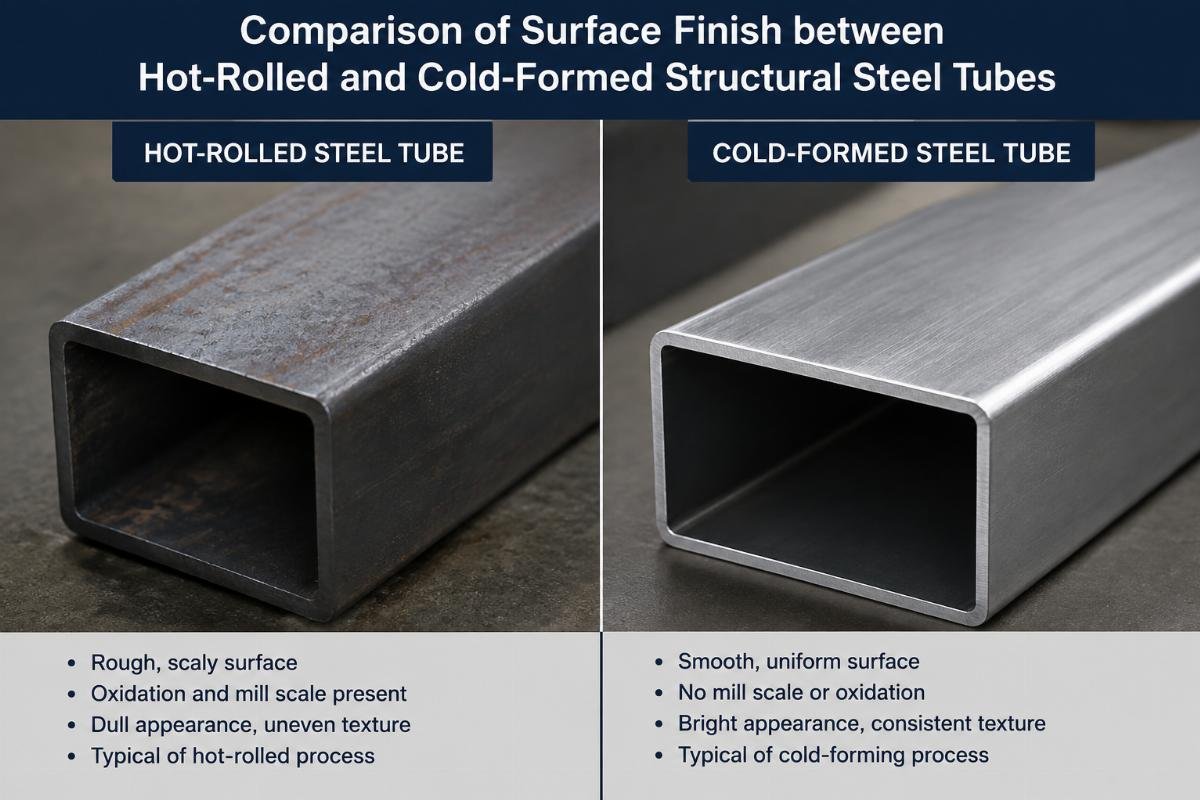
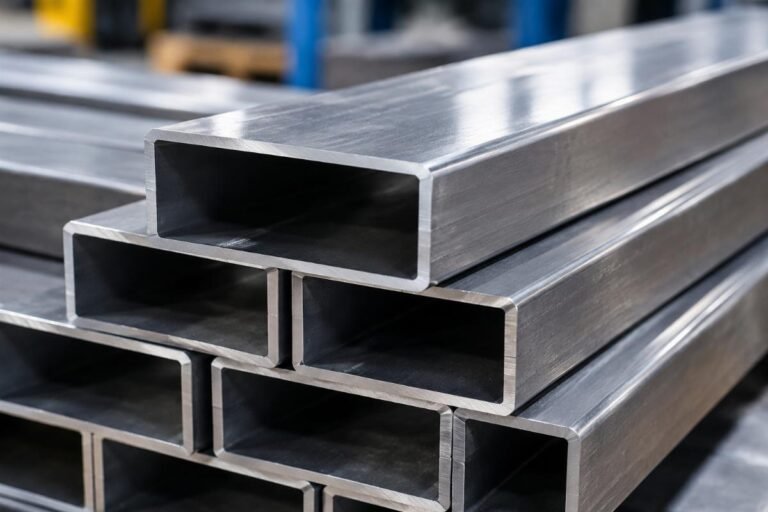
The architecture of modern vessels has evolved. Accommodation blocks, crane bases, and equipment supports are increasingly designed using rectangular and square hollow sections due to their high strength-to-weight ratio. Unlike hot-finished tubes defined by EN10210, cold-formed sections under EN10219 offer tighter dimensional tolerances and smoother surface finishes, which are crucial for modular assembly in confined shipyard spaces.
Hot-rolled sections often carry a layer of oxide scale and have looser tolerance bands, requiring significant secondary machining before they can be fitted into precise modular frameworks. In contrast, cold-formed EN10219 components arrive with a clean surface ready for welding or coating, reducing fabrication time on the slipway. This efficiency is particularly valuable when assembling pre-fabricated modules that must fit together with millimeter-level precision. [NEED_CITE: advantages of cold-formed vs hot-finished tubes in modular construction]
However, the cold-forming process introduces residual stresses that must be managed through proper heat treatment or stress-relieving annealing if the design demands it. For most standard shipbuilding applications, the as-formed condition is sufficient, but the procurement team must ensure the manufacturer follows strict quality controls to prevent corner cracking during subsequent bending or welding operations.
Critical Grade Selection: Decoding JR, J0, and J2 for Marine Environments
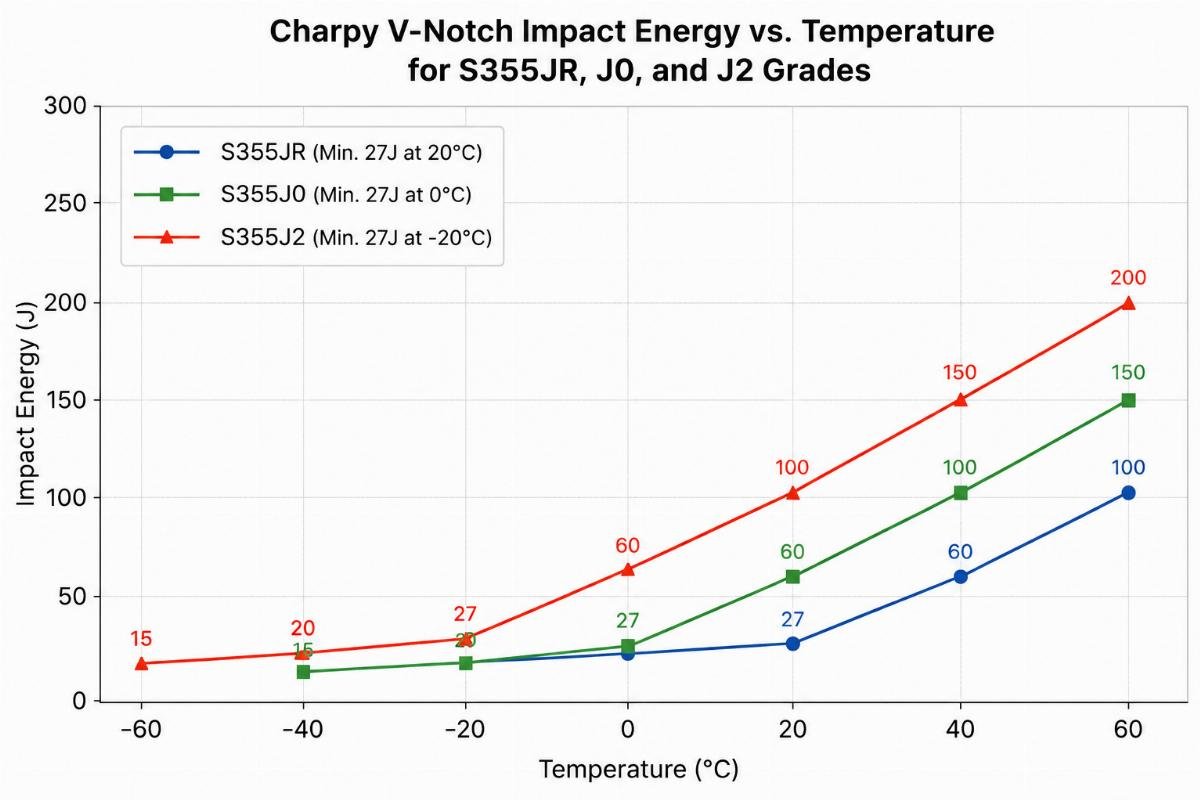
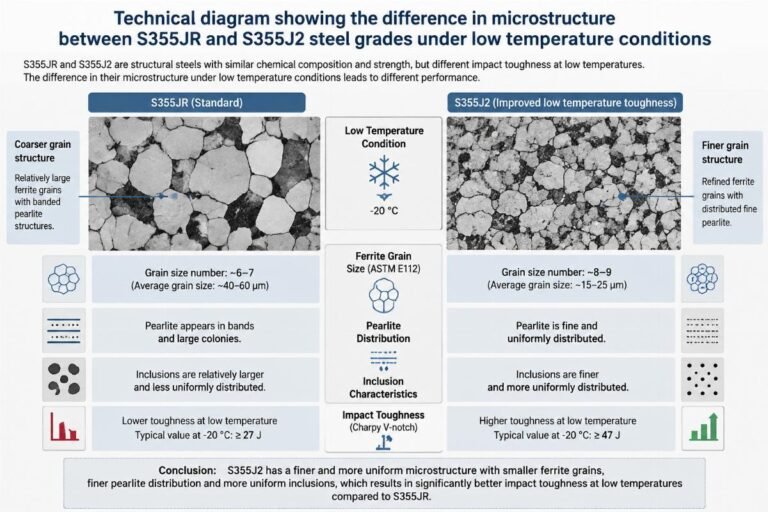
Selecting the right suffix for S355 steel is where many projects stumble. The base grade S355 indicates the minimum yield strength, but the suffix dictates the impact toughness at specific temperatures. This is not a minor detail; it is a safety-critical parameter for vessels operating in varying climatic zones.
Grade
Impact Test Temperature
Typical Application Context
Certification Requirement
S355JR
Room Temperature (20°C)
Internal structures in tropical waters
Basic Mill Certificate
S355J0
0°C
Coastal vessels, temperate regions
Enhanced MTC with Impact Data
S355J2
-20°C
Offshore platforms, Arctic/North Sea routes
Full Class Society Approval
Using S355JR for a vessel destined for Northern European waters is a recipe for catastrophic brittle fracture in cold conditions. Conversely, specifying S355J2 for a river barge operating solely in Southeast Asia adds unnecessary cost without providing tangible benefits. The key is matching the grade to the vessel’s operational envelope. [NEED_CITE: Charpy V-notch impact energy requirements per EN10219 standard]
A common misconception is that “S355” is a universal identifier. In reality, without the suffix, the material is incomplete for engineering purposes. Procurement managers must explicitly state the required impact temperature in their purchase orders to avoid receiving stock that meets strength requirements but fails toughness criteria.
The Hidden Cost of Incomplete Mill Test Certificates
Documentation is as vital as the steel itself in the shipping industry. A batch of high-quality steel can become a logistical nightmare if the accompanying Mill Test Certificates (MTCs) are incomplete or ambiguous. Class society surveyors, such as those from DNV, Lloyd’s Register, or ABS, rigorously inspect these documents before approving materials for use.
I recall a situation involving a shipment of S355J2 tubes destined for a shipyard in the Middle East. The physical material was flawless, meeting all dimensional and chemical composition standards. However, the MTCs omitted the specific impact test results for -20°C, listing only the room temperature values. To the untrained eye, the certificate looked valid. To the class surveyor, it was insufficient proof of compliance.
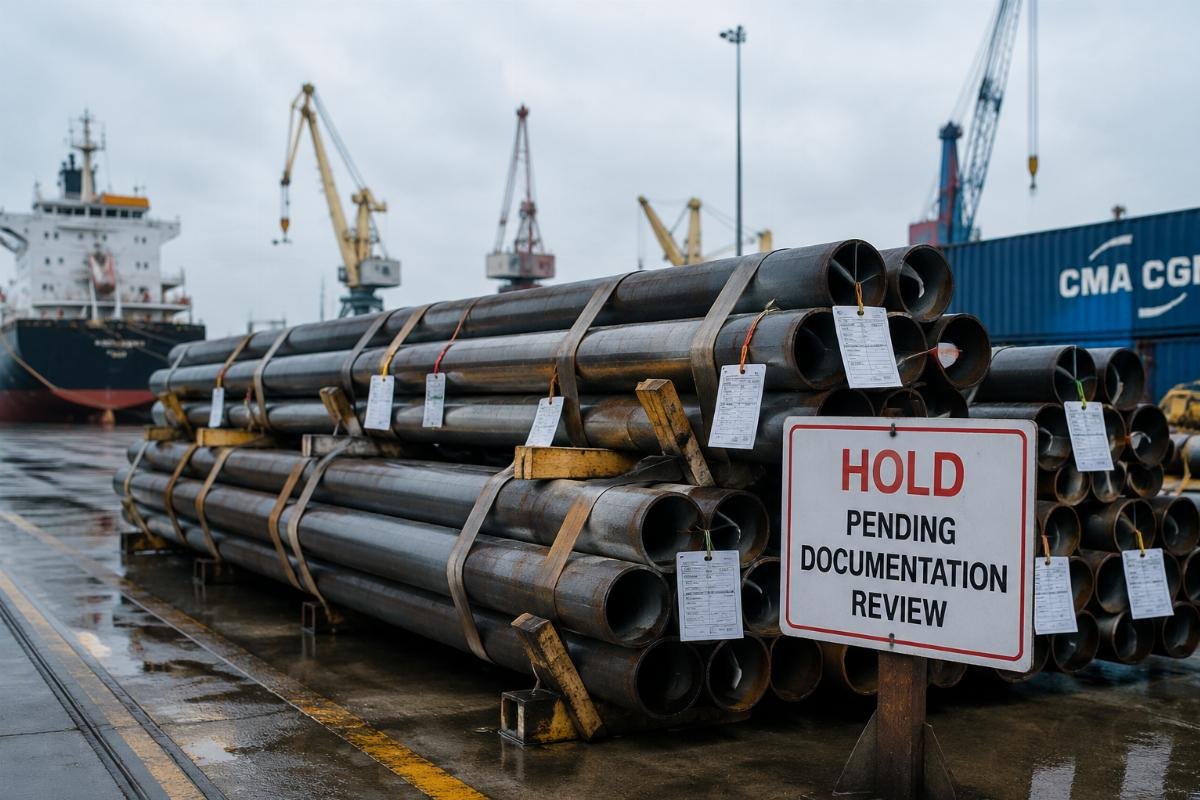
The result was not a rejection of the material, but a prolonged hold at the port. The shipyard had to arrange for independent third-party testing to verify the impact toughness, a process that took weeks and incurred significant storage and handling fees. The cost of re-testing far exceeded the initial savings on the material. [NEED_CITE: common documentation errors leading to customs or class society delays]
This incident highlights the importance of verifying MTCs before shipment. Buyers should request draft certificates for review during production, ensuring that all required data points, including chemical composition, mechanical properties, and impact test values, are clearly stated and aligned with the ordered specification. An EN10219 supplier who understands these nuances will proactively provide comprehensive documentation, preventing such costly delays.
Customization and Surface Treatment for Corrosion Resistance
Marine environments are aggressively corrosive. Salt spray, humidity, and temperature fluctuations accelerate the degradation of unprotected steel. Therefore, surface treatment is not an optional extra; it is an integral part of the component’s lifecycle management. Standard black steel from an EN10219 supplier must undergo rigorous surface preparation before being installed in a marine setting.
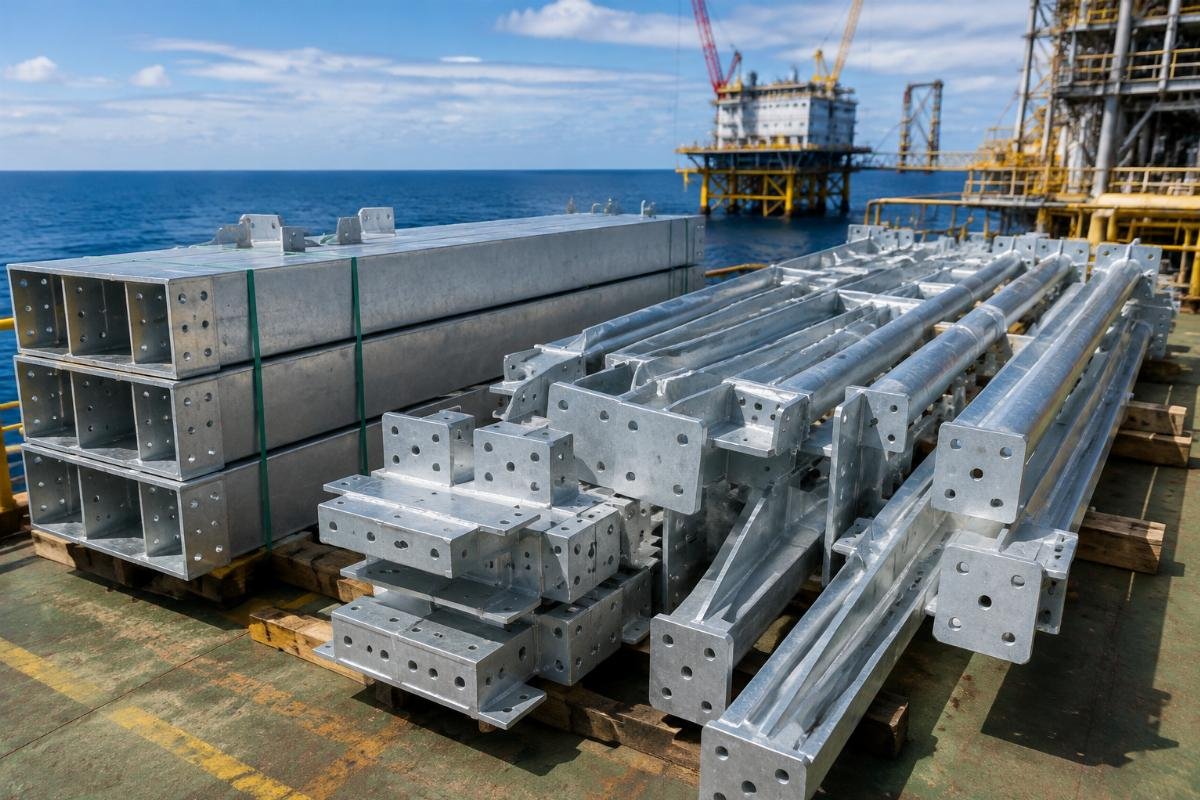
Shot blasting is the preferred method for preparing structural hollow sections. It removes mill scale, rust, and contaminants, creating a rough profile that enhances the adhesion of protective coatings. Following shot blasting, components are typically galvanized or painted with marine-grade epoxy systems. Hot-dip galvanizing provides a robust zinc layer that offers sacrificial protection, significantly extending the service life of the steel in salty atmospheres.
For complex ship modules, custom sizing is often required. Non-standard rectangular hollow sections may be needed to fit specific load-bearing nodes or to interface with existing structures. A manufacturer with flexible production capabilities can produce these bespoke sizes without the long lead times associated with traditional rolling mills. This flexibility allows designers to optimize structural integrity without being constrained by standard catalog dimensions. [NEED_CITE: effectiveness of galvanizing and shot blasting in marine corrosion protection]
When sourcing these customized components, it is essential to work with a partner who has in-house quality control laboratories. Verification of coating thickness, adhesion strength, and dimensional accuracy ensures that each piece meets the stringent requirements of shipbuilding projects. This level of oversight minimizes the risk of fit-up issues during assembly and ensures long-term durability in harsh marine conditions.
Conclusion
Correctly specified EN10219 steel offers a lightweight, cost-effective solution for ship superstructures when grade selection and documentation are handled with precision.
Procurement success in this sector relies on understanding the interplay between mechanical properties, environmental conditions, and regulatory compliance. By focusing on the specific impact requirements of the vessel’s operating region and ensuring complete, accurate certification, buyers can avoid costly delays and ensure the structural integrity of their projects. Partnering with a knowledgeable EN10219 supplier who prioritizes technical clarity and quality verification transforms potential pitfalls into streamlined procurement processes.
Editor covering global sourcing, supplier verification, and industrial product knowledge. Content is compiled from manufacturer specifications, industry standards, and hands-on experience with international B2B buyers. Every article is fact-checked before publishing to help procurement professionals make informed decisions.


Discussion
0 Comments